Attorney Client Privilege With Former Employees In Bronx
Description

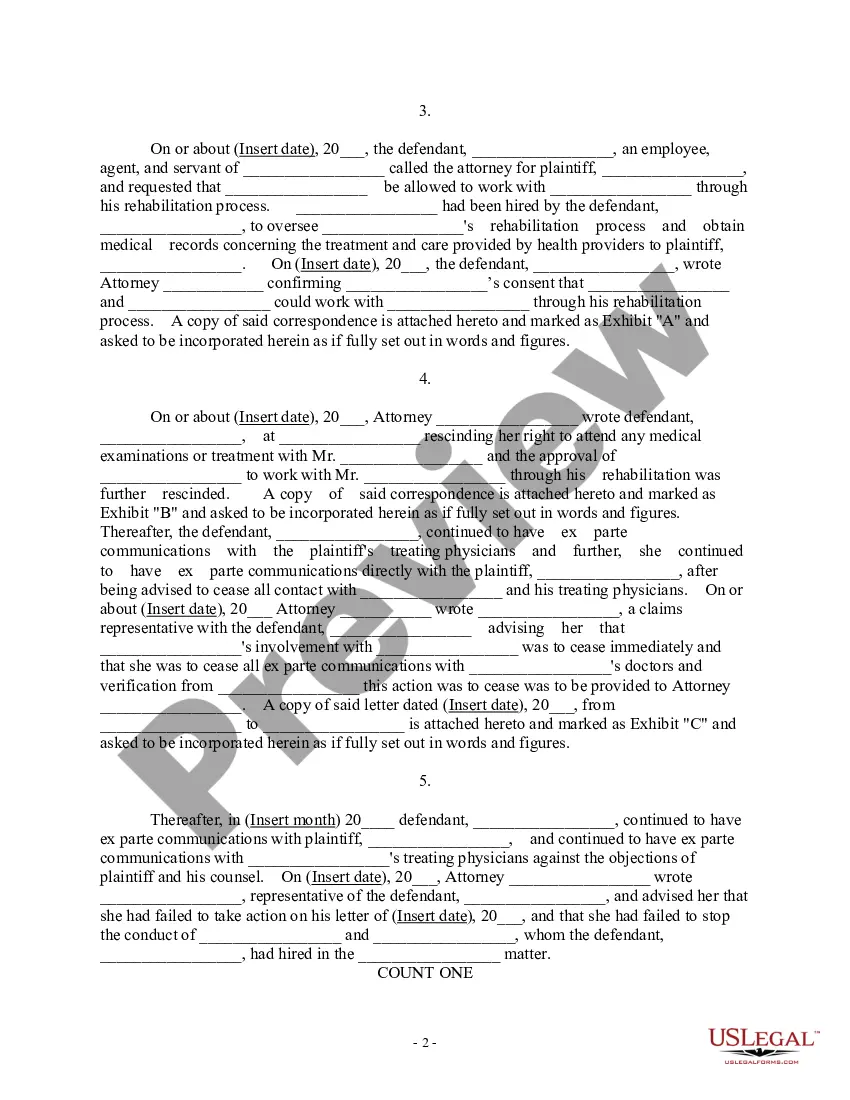
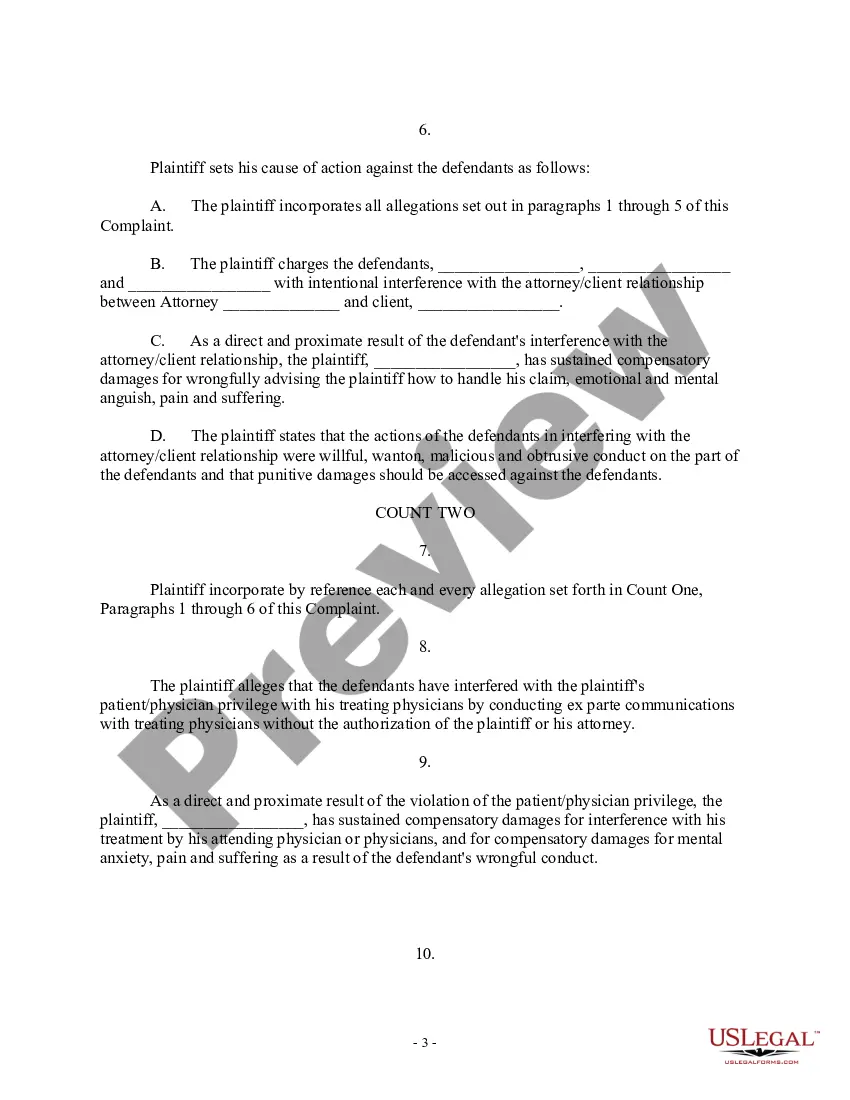
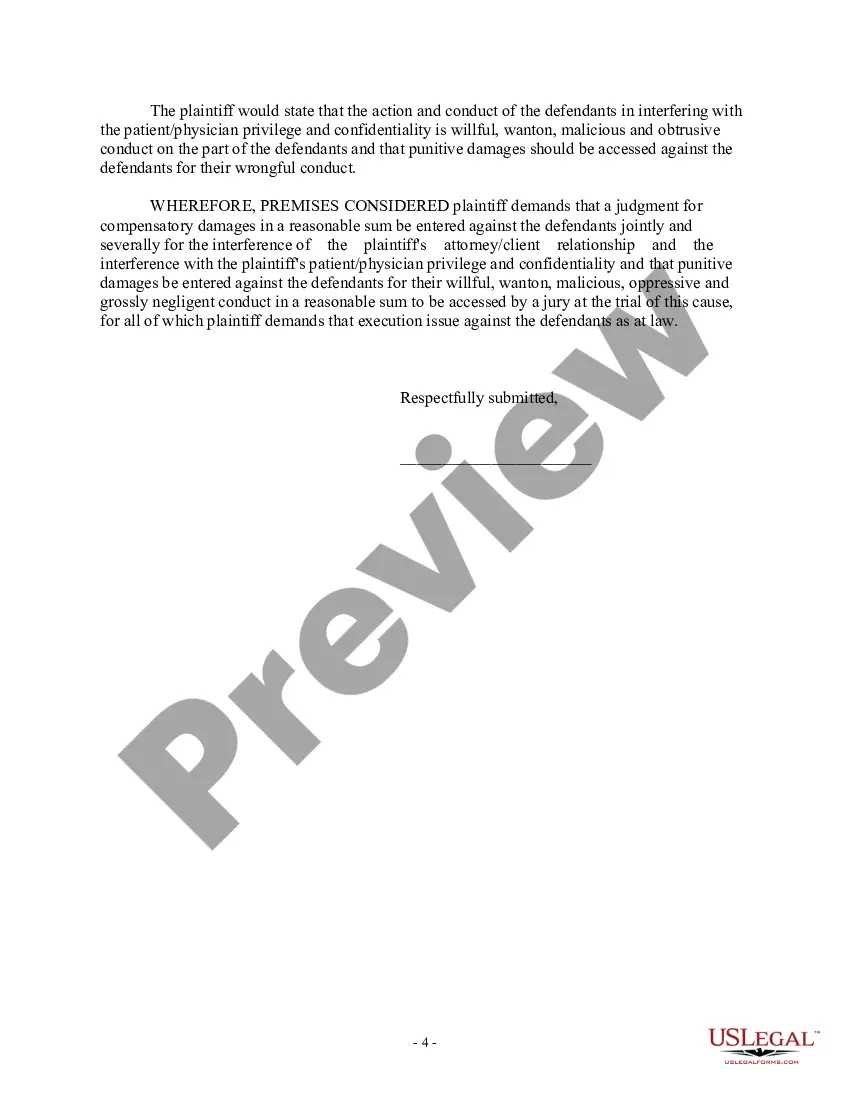

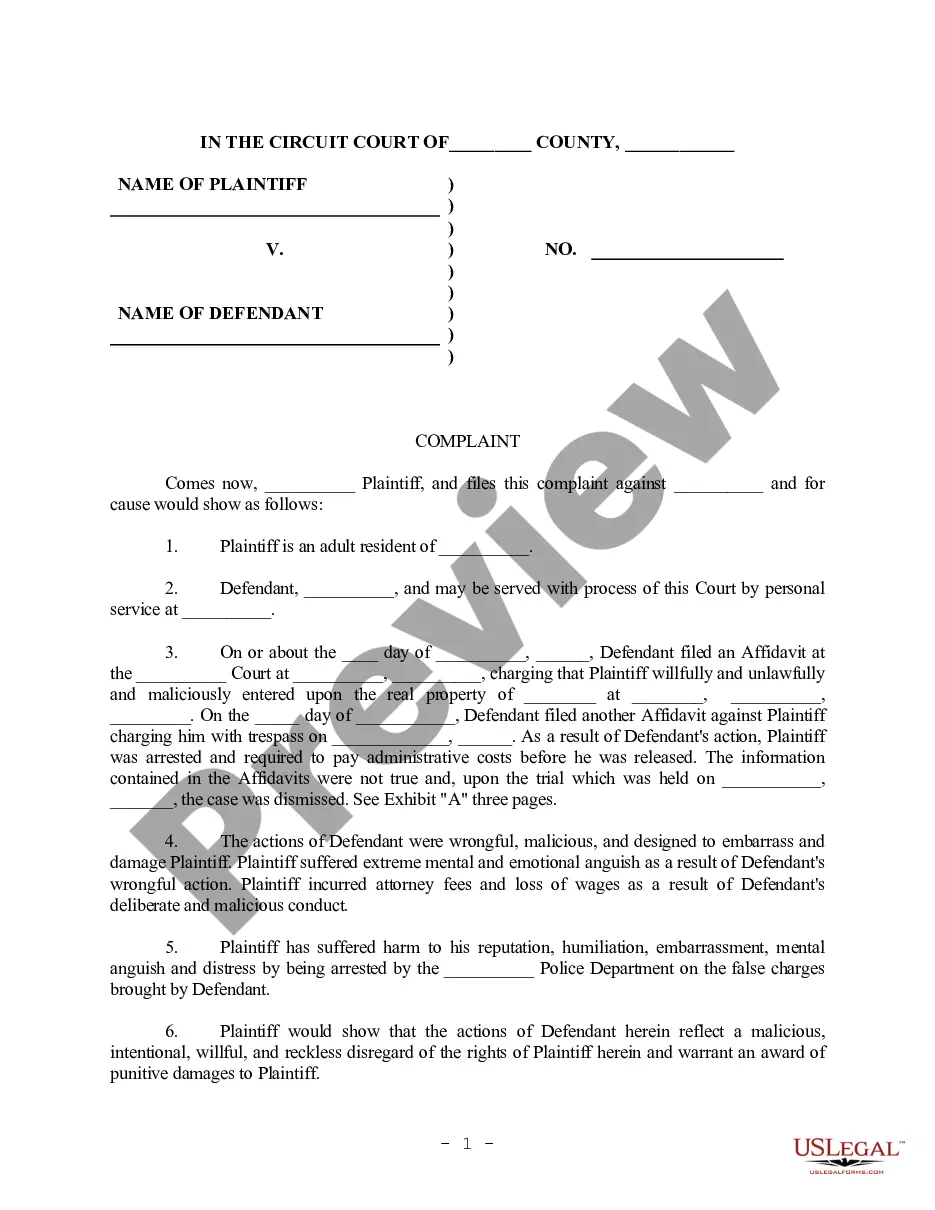

Get your form ready online
Our built-in tools help you complete, sign, share, and store your documents in one place.
Make edits, fill in missing information, and update formatting in US Legal Forms—just like you would in MS Word.
Download a copy, print it, send it by email, or mail it via USPS—whatever works best for your next step.
Sign and collect signatures with our SignNow integration. Send to multiple recipients, set reminders, and more. Go Premium to unlock E-Sign.
If this form requires notarization, complete it online through a secure video call—no need to meet a notary in person or wait for an appointment.
We protect your documents and personal data by following strict security and privacy standards.

Make edits, fill in missing information, and update formatting in US Legal Forms—just like you would in MS Word.

Download a copy, print it, send it by email, or mail it via USPS—whatever works best for your next step.

Sign and collect signatures with our SignNow integration. Send to multiple recipients, set reminders, and more. Go Premium to unlock E-Sign.

If this form requires notarization, complete it online through a secure video call—no need to meet a notary in person or wait for an appointment.

We protect your documents and personal data by following strict security and privacy standards.
Looking for another form?








Form popularity
FAQ
There are two major exceptions to the lawyer-client privilege under the California Evidence Code, as discussed below. 2.1. Crime or fraud. 2.2. Preventing death or substantial physical harm.
Employers Can File Many Kinds of Lawsuits Against Employees for Breach of Contract. In some circumstances, a relationship between an employee and employer is based on a contract. If an employment contract was the basis of the relationship between you and your employee, you can sue them for breaching the contract terms.
Commercial litigators are very familiar with the age-old client question: “Can the opposing party contact my former employee directly?” While there are several strategy considerations at play, the short answer in most jurisdictions is yes.
The United States Supreme Court rejected the control group test in Upjohn v. United States, 449 U.S. 383 (1981). Most courts now apply the Supreme Court's reasoning in that case to corporate privilege claims, including those involving former employees.
Thus, a lawyer related to another lawyer, e.g., as parent, child, sibling or spouse, ordinarily may not represent a client in a matter where that lawyer is representing another party, unless each client gives informed consent.
Unless the client waives the privilege, an attorney or his or her employee, or any person who obtains without the knowledge of the client evidence of a confidential communication made between the attorney or his or her employee and the client in the course of professional employment, shall not disclose, or be allowed ...
It is a common practice for outside litigation counsel to represent current, and even former, employees of corporate clients during depositions. This practice, however, is governed by ethical rules (and opinions and case law) that must be considered in advance.
No. It is a Conflict of Interest and violates the Rules of Professional Conduct. You should object to the attorney/firm. If they do not withdraw, file an objection with the court and request to have them removed from the case.
Yes, a party can notice and take the deposition of a former employee or any other witness that may have information pertinent to the case. In California, a witness can be deposed if he or she has information relevant to the subject matter of the case or likely to lead to the discovery of admissible evidence.