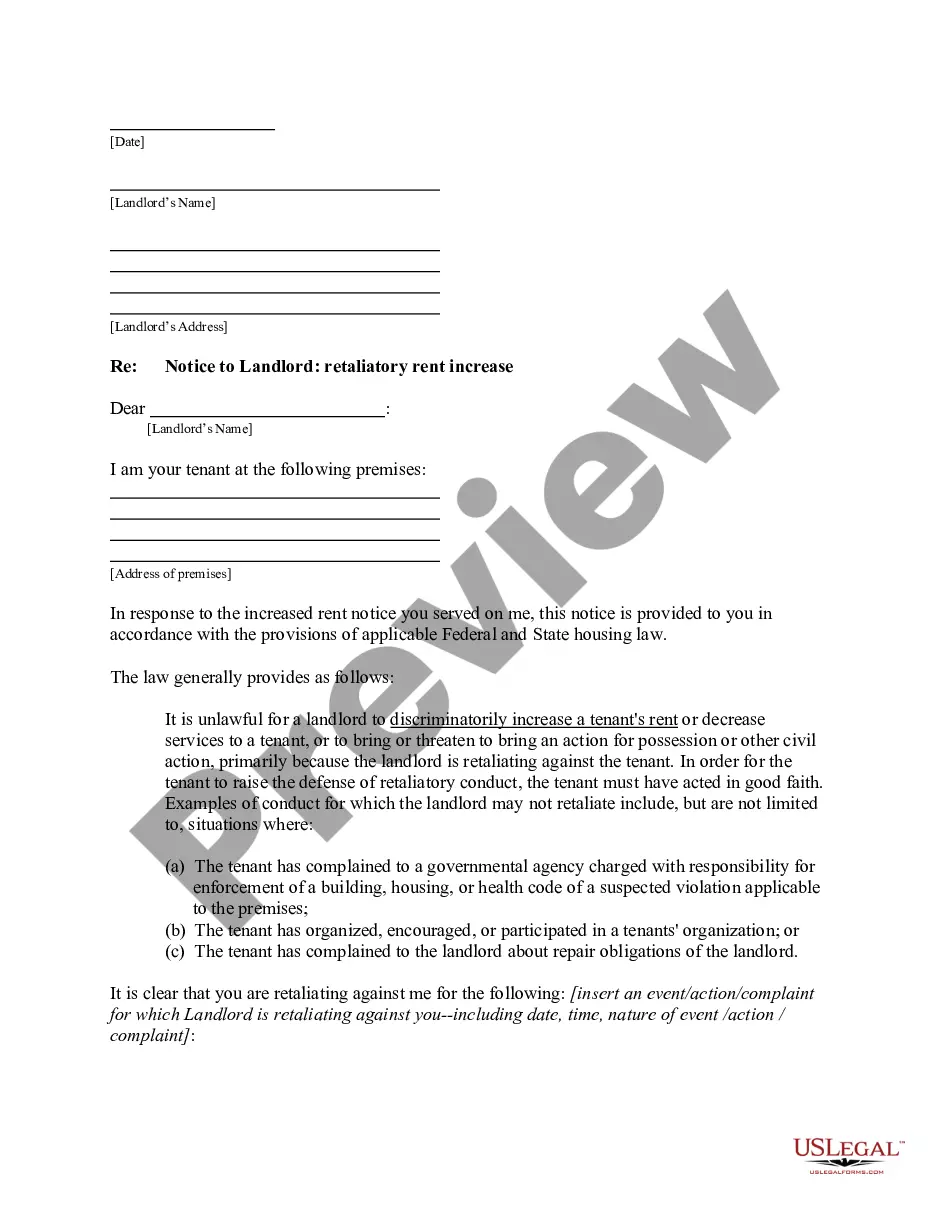
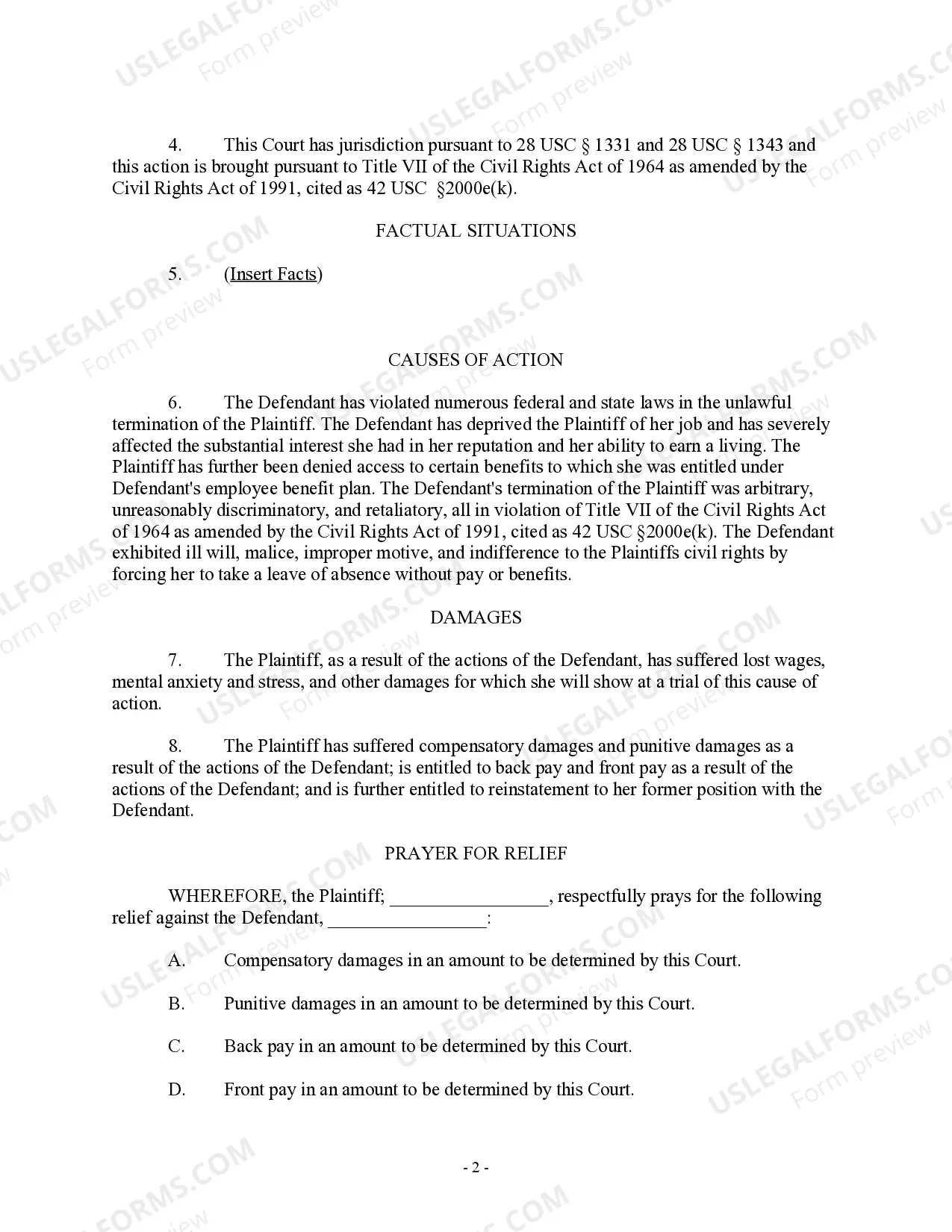
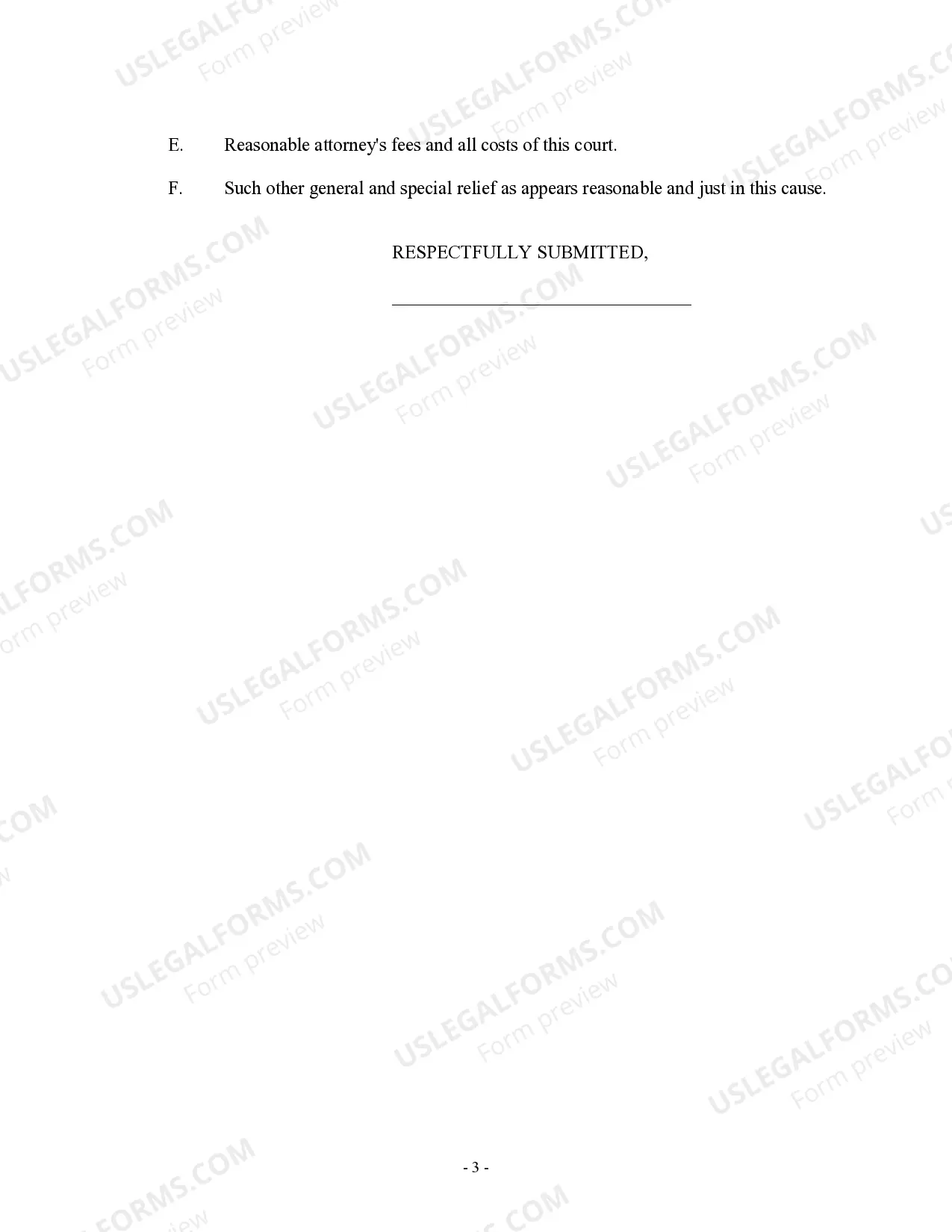
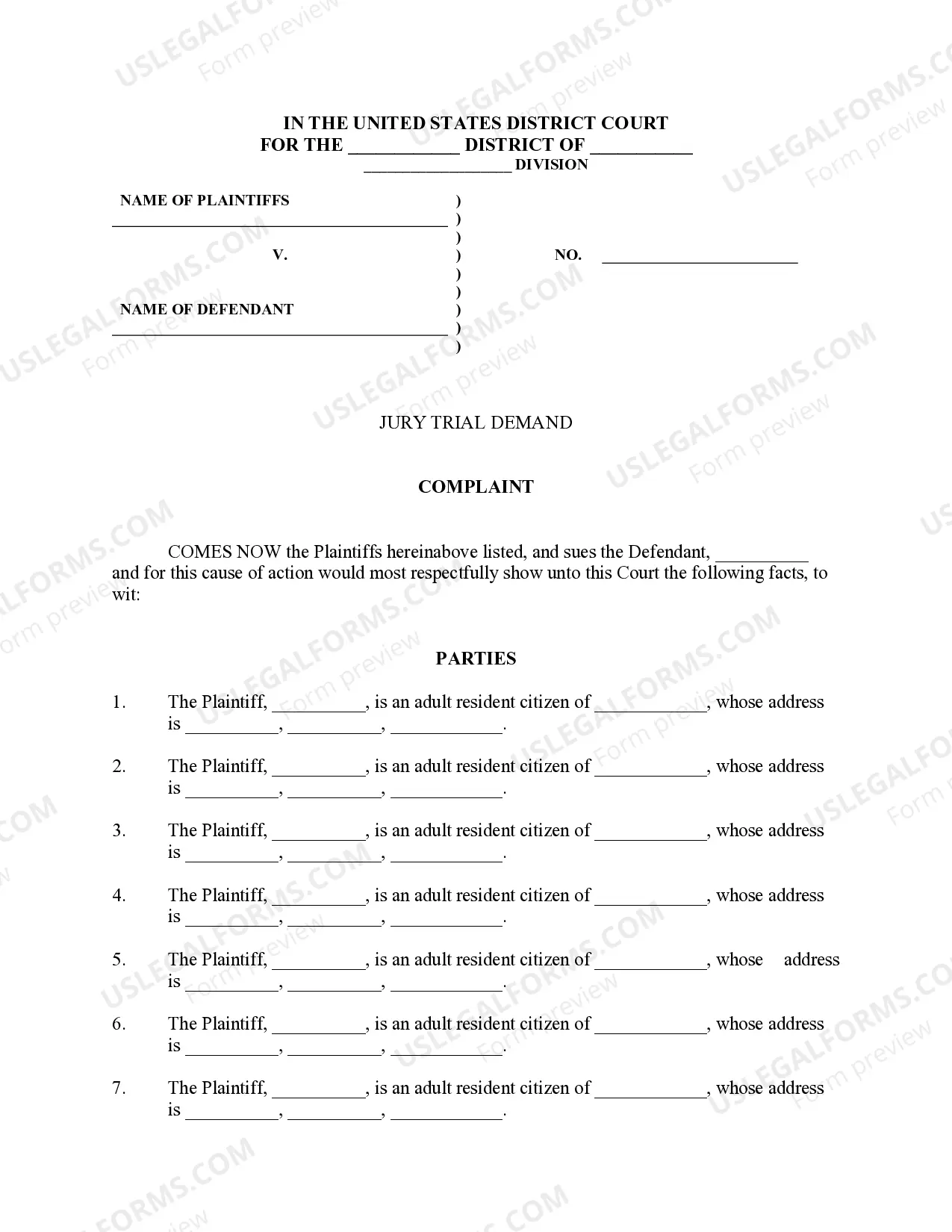
This is a multi-state form covering the subject matter of the title.
Wrongful Termination Court With At Will Employment In Washington
State:
Multi-State
Category:
Control #:
US-000291
Format:
Word;
Rich Text
99 downloads
Description
Free preview




Get your form ready online
Our built-in tools help you complete, sign, share, and store your documents in one place.
Built-in online Word editor
Make edits, fill in missing information, and update formatting in US Legal Forms—just like you would in MS Word.
Export easily
Download a copy, print it, send it by email, or mail it via USPS—whatever works best for your next step.
E-sign your document
Sign and collect signatures with our SignNow integration. Send to multiple recipients, set reminders, and more. Go Premium to unlock E-Sign.
Notarize online 24/7
If this form requires notarization, complete it online through a secure video call—no need to meet a notary in person or wait for an appointment.
Store your document securely
We protect your documents and personal data by following strict security and privacy standards.

Make edits, fill in missing information, and update formatting in US Legal Forms—just like you would in MS Word.

Download a copy, print it, send it by email, or mail it via USPS—whatever works best for your next step.

Sign and collect signatures with our SignNow integration. Send to multiple recipients, set reminders, and more. Go Premium to unlock E-Sign.

If this form requires notarization, complete it online through a secure video call—no need to meet a notary in person or wait for an appointment.

We protect your documents and personal data by following strict security and privacy standards.
Looking for another form?
Form popularity
FAQ
Workers' compensation pays for medical care for work-related injuries or illnesses. If your worker is unable to work after their injury, they may also be eligible for a portion of their lost wages. Most importantly, we can help you coordinate a safe and timely return to work for your worker.
Generally, wrongful termination arises under the following two scenarios: (1) the employer fired a worker in a way that violated public policy, or (2) the employer fired a worker in a way that violated the worker's contractual rights.
Businesses may fire any employee at any time, for any or no reason, as long as they are not violating any employee protection laws. However, workers may request the reason for discharge by sending a written request to the business for a signed written statement of the reason for discharge and the effective date.
In general, the claim must be filed in the district court of the county in which the defendant(s) lives. A party is allowed to have an attorney or paralegal represent them in the Small Claims Division only if a judge grants permission. This is true for both parties.
You can sue your employer or a co-worker if the conduct that caused your injuries was intentional. Known as an “employer intentional tort” claim, the injured worker must be able to prove: The employer had actual knowledge the injury would occur; and. They wilfully disregarded this knowledge.
Yes, you can sue your employer for emotional distress if you can prove that their actions or negligence caused severe emotional harm.
If your termination violates state or federal employment laws, it may be deemed wrongful. Common reasons for wrongful termination include discrimination based on race, gender, age, disability, religion, national origin, or sexual orientation.
If you believe your workplace rights have been violated, there are 3 ways you can file a complaint: File a Worker Rights Complaint online. Download and mail a completed Worker Rights Complaint form (F700-148-000). Visit your nearest L&I office.
Common Grounds for Wrongful Termination Claims Breach of employment contract or company policy. Taking legally protected time off. Refusal to perform illegal acts. Violations of public policy.