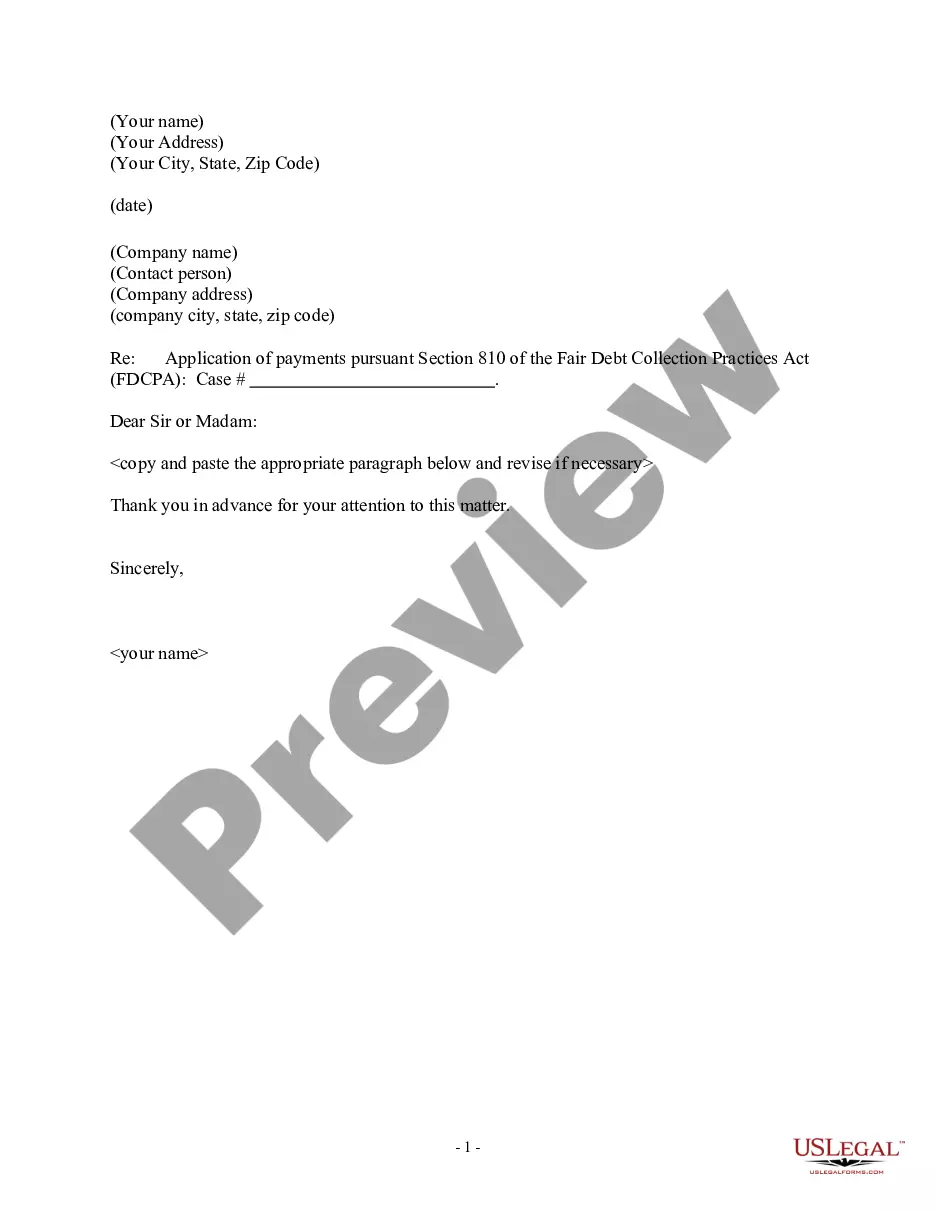
This is a multi-state form covering the subject matter of the title.
Speedy Trial Without Demand In Washington
State:
Multi-State
Category:
Control #:
US-000291
Format:
Word;
Rich Text
99 downloads
Description
Free preview





Get your form ready online
Our built-in tools help you complete, sign, share, and store your documents in one place.
Built-in online Word editor
Make edits, fill in missing information, and update formatting in US Legal Forms—just like you would in MS Word.
Export easily
Download a copy, print it, send it by email, or mail it via USPS—whatever works best for your next step.
E-sign your document
Sign and collect signatures with our SignNow integration. Send to multiple recipients, set reminders, and more. Go Premium to unlock E-Sign.
Notarize online 24/7
If this form requires notarization, complete it online through a secure video call—no need to meet a notary in person or wait for an appointment.
Store your document securely
We protect your documents and personal data by following strict security and privacy standards.

Make edits, fill in missing information, and update formatting in US Legal Forms—just like you would in MS Word.

Download a copy, print it, send it by email, or mail it via USPS—whatever works best for your next step.

Sign and collect signatures with our SignNow integration. Send to multiple recipients, set reminders, and more. Go Premium to unlock E-Sign.

If this form requires notarization, complete it online through a secure video call—no need to meet a notary in person or wait for an appointment.

We protect your documents and personal data by following strict security and privacy standards.
Looking for another form?
Form popularity
FAQ
Note that there are exceptions that allow a trial to take place after the time periods set forth in this statute. For example, a trial may get lawfully postponed if: you consent to or request a later date, or. there is a “showing of good cause.”
Wingo, 407 US 514; those four factors are: (1) the length of the delay, (2) the reasons for the delay, (3) the appellant's assertion of the right to timely review and appeal, and (4) prejudice; if this analysis leads it to conclude that the appellant has been denied the due process right to speedy post-trial review and ...
An Overview of the Law ing to 18 U.S.C. Chapter 208, a defendant must be indicted within 30-60 days of an arrest for a federal crime. Then, under normal circumstances, the defendant must be brought to trial within 70 days from when the information (for misdemeanors) or indictment (for felonies) is filed.
You have a right to a speedy trial for any offense in the State of Washington, that is a right to trial within 90 days of your first court appearance if you are not held in jail, or 60 days if you are in jail. However, you may also extend this to a period outside of the 90 days.
(an appellate court weighs the following four factors to determine if there is a Sixth Amendment speedy trial violation: (1) the length of the delay; (2) the reasons for the delay; (3) the accused's demand for a speedy trial; and (4) the prejudice to the accused).
The decline of evidence, such as physical evidence, may be lost or destroyed over time; To protect your ability to defend yourself; To minimize anxiety waiting to resolve your case.
The most common reason for waiving speedy trial is to give the defense more time to prepare their case. If a defendant is facing serious time if convicted, taking the time to let your attorney be prepared as possible can very well be worth a couple of more months in jail.
The test requires the court to consider the length of the delay, the cause of the delay, the defendant's assertion of his right to a speedy trial, and the presence or absence of prejudice resulting from the delay. Barker, 407 U.S. at 530-533. In United States v.
The most common reason for waiving speedy trial is to give the defense more time to prepare their case. If a defendant is facing serious time if convicted, taking the time to let your attorney be prepared as possible can very well be worth a couple of more months in jail.