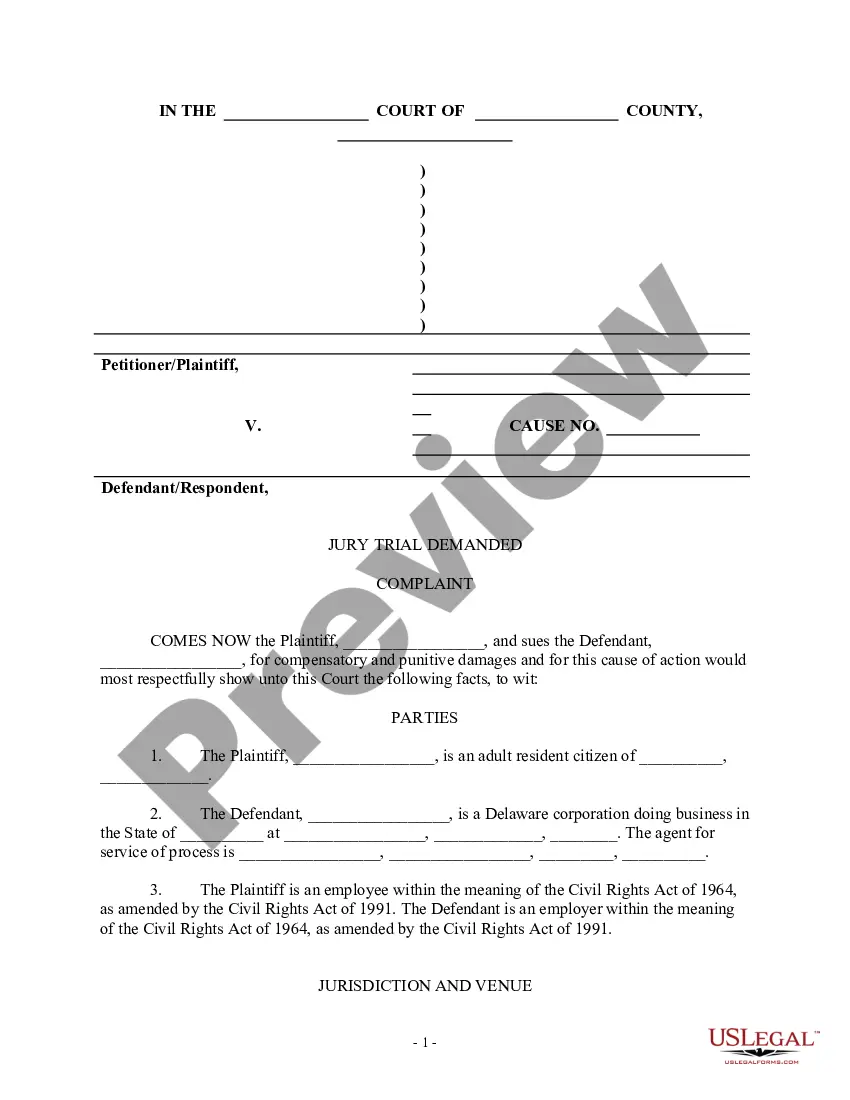
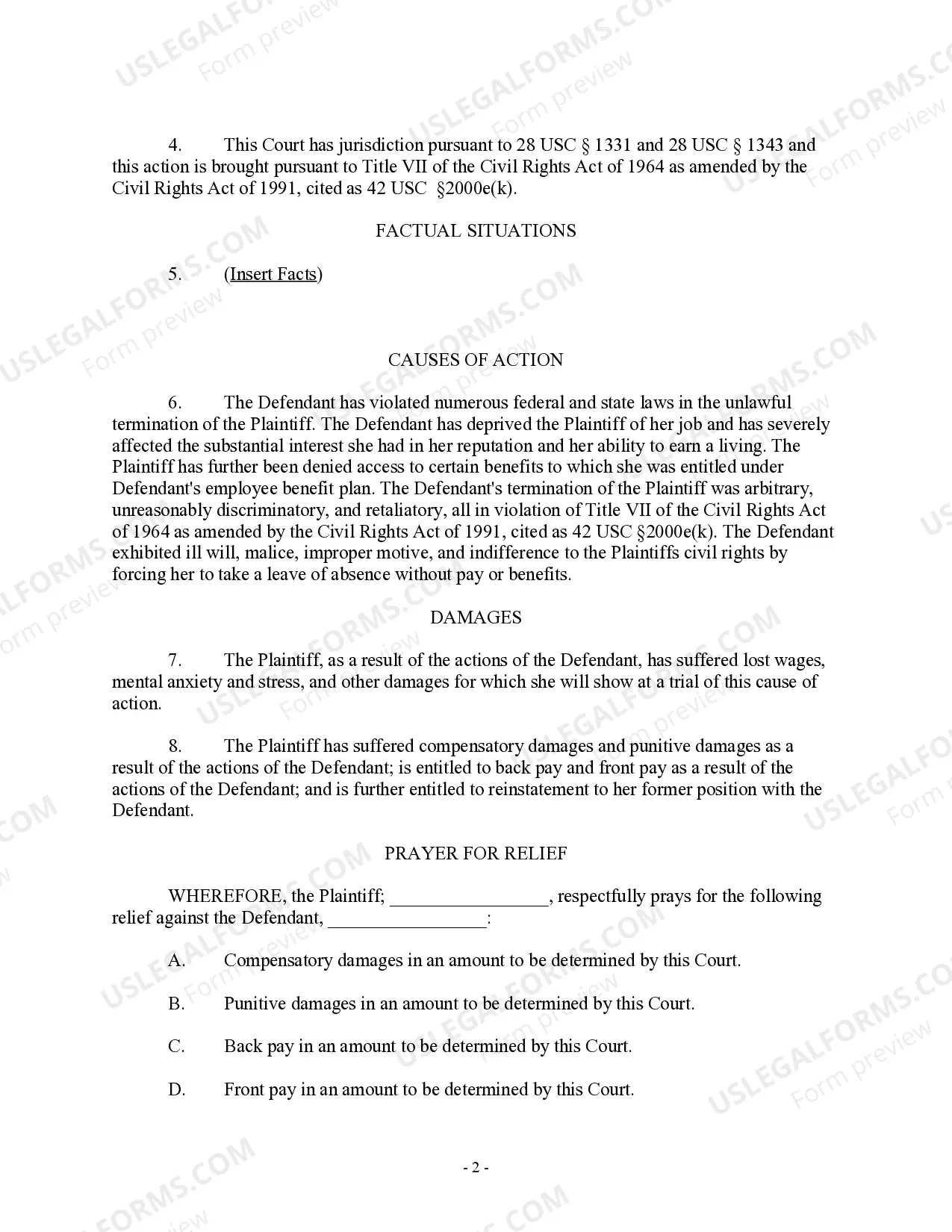
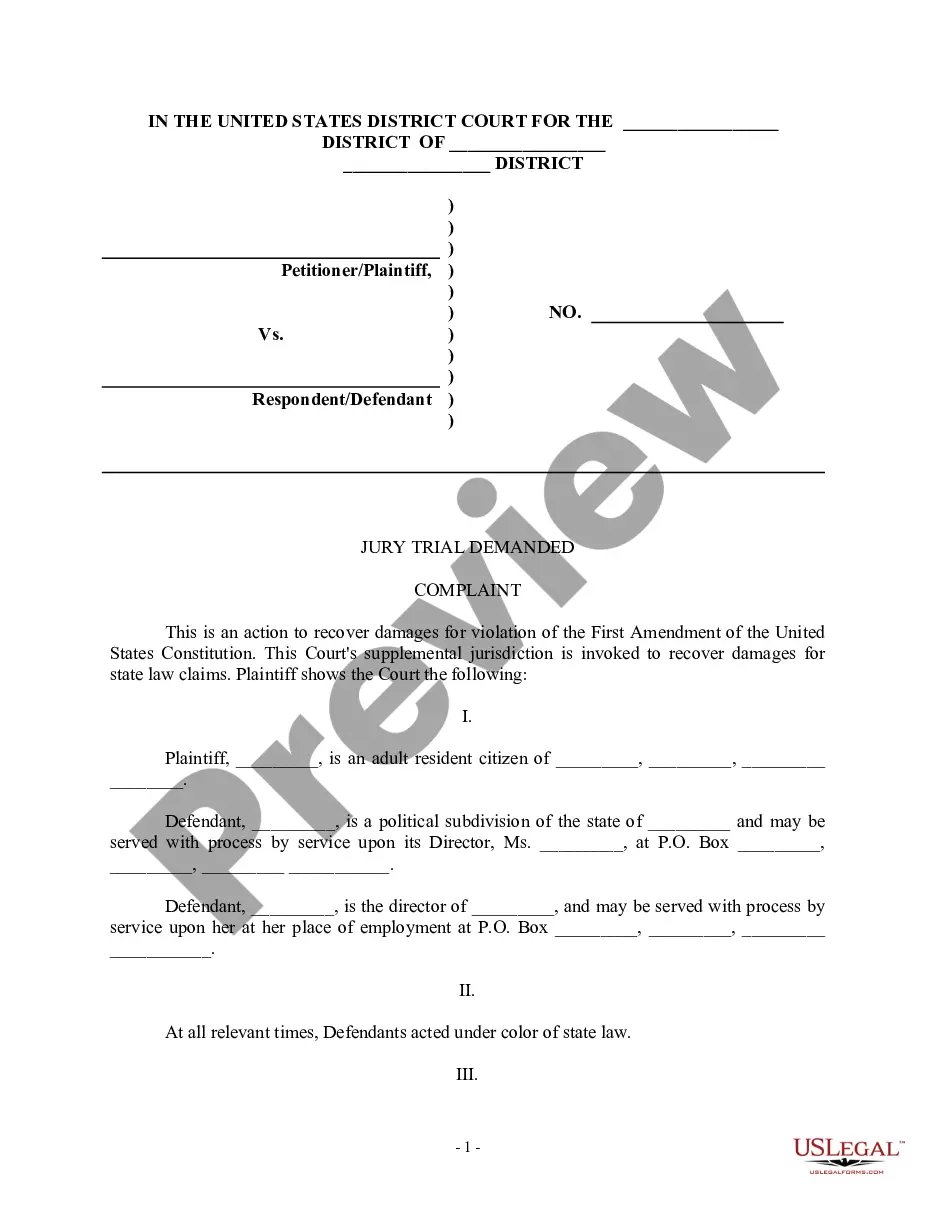
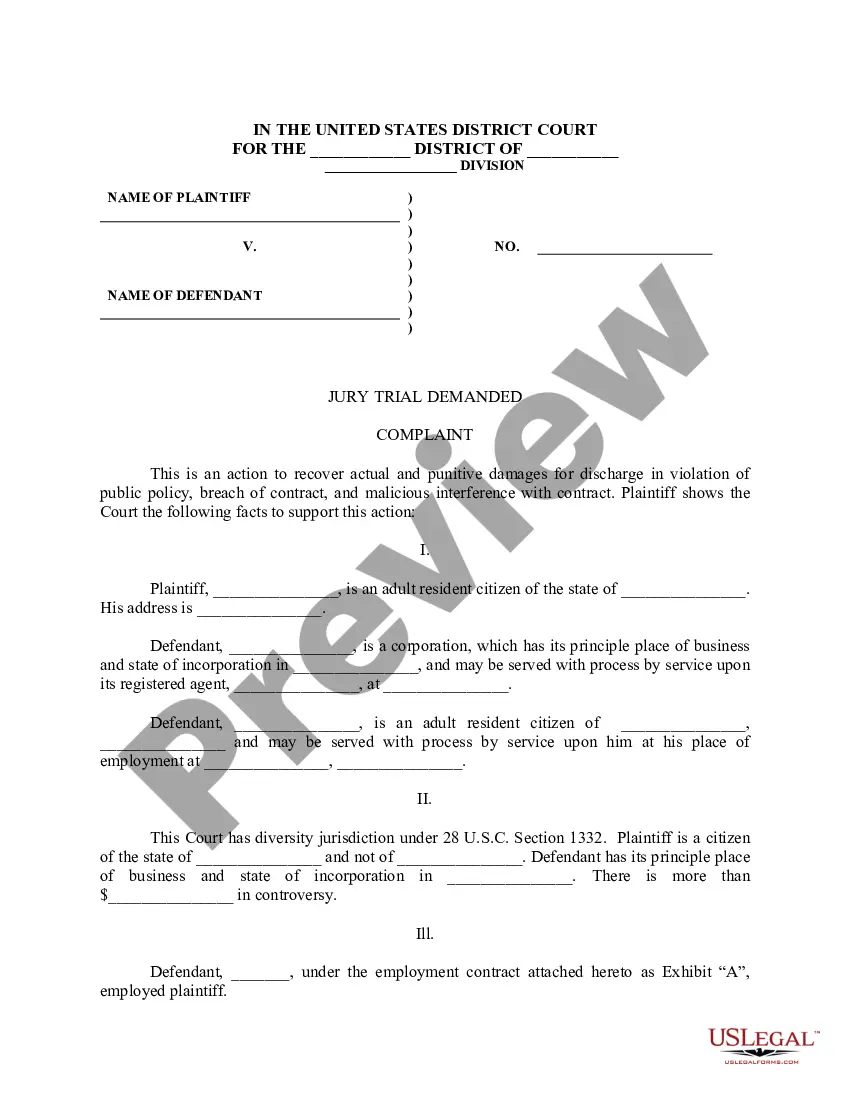
This is a multi-state form covering the subject matter of the title.
Demand For Trial De Novo In San Antonio
State:
Multi-State
Category:
City:
San Antonio
Control #:
US-000291
Format:
Word;
Rich Text
99 downloads
Description
Free preview

Get your form ready online
Our built-in tools help you complete, sign, share, and store your documents in one place.
Built-in online Word editor
Make edits, fill in missing information, and update formatting in US Legal Forms—just like you would in MS Word.
Export easily
Download a copy, print it, send it by email, or mail it via USPS—whatever works best for your next step.
E-sign your document
Sign and collect signatures with our SignNow integration. Send to multiple recipients, set reminders, and more. Go Premium to unlock E-Sign.
Notarize online 24/7
If this form requires notarization, complete it online through a secure video call—no need to meet a notary in person or wait for an appointment.
Store your document securely
We protect your documents and personal data by following strict security and privacy standards.

Make edits, fill in missing information, and update formatting in US Legal Forms—just like you would in MS Word.

Download a copy, print it, send it by email, or mail it via USPS—whatever works best for your next step.

Sign and collect signatures with our SignNow integration. Send to multiple recipients, set reminders, and more. Go Premium to unlock E-Sign.

If this form requires notarization, complete it online through a secure video call—no need to meet a notary in person or wait for an appointment.

We protect your documents and personal data by following strict security and privacy standards.
Looking for another form?
Form popularity
FAQ
De novo is a Latin term that means "anew," "from the beginning," or "afresh." When a court hears a case “de novo,” it is deciding the issues without reference to any legal conclusion or assumption made by the previous court to hear the case.
Parties can forego their right to have their case decided by the referring court in two ways: a party can waive the right to a de novo hearing by executing a waiver prior to the hearing or trial before the associate judge or the party can fail to or forego filing a request for a de novo hearing within the time required ...
201.317. DE NOVO HEARING. (a) A party may request a de novo hearing before the referring court by filing with the clerk of the referring court a written request not later than the third working day after the date the party receives notice of the substance of the associate judge's report as provided by Section 201.313.
County courts generally have appellate jurisdiction (usually by trial de novo) over cases tried originally in the justice and municipal courts. Original and appellate judgments of the county courts may be appealed to the courts of appeals.
Also called a de novo hearing or writ of de novo, these trials are essentially an appeal to a prior case but which allows it to be tried all over again, meaning: new evidence and new witness testimony can both be heard. prior decisions are not considered. previous awards or sentences are completely dismissed.
A de novo hearing , which means “from the beginning” in Latin, is held when one party disagrees with the decision made by an associate judge and wants to have their case reviewed by a district judge.
The Supreme Court of Texas is composed of a Chief Justice and eight justices. It has statewide, final appellate jurisdiction in all civil and juvenile cases. Most of the cases heard by this Court are appeals from an appellate ruling by one of the intermediate Courts of Appeals.
A hearing de novo is when the appeal court begins afresh, and the judge exercises for himself or herself any discretion exercised by the court in the original proceedings. The parties commence the proceeding again, subject to any rules concerning the use of evidence adduced before the court in the original proceedings.
Also called a de novo hearing or writ of de novo, these trials are essentially an appeal to a prior case but which allows it to be tried all over again, meaning: new evidence and new witness testimony can both be heard. prior decisions are not considered.
A trial de novo is a new trial on an entire case, where both questions of fact and issues of law are determined as if there had been no trial in the first instance. A trial de novo is typically used to challenge awards found in arbitration and are supported by constitutional considerations.