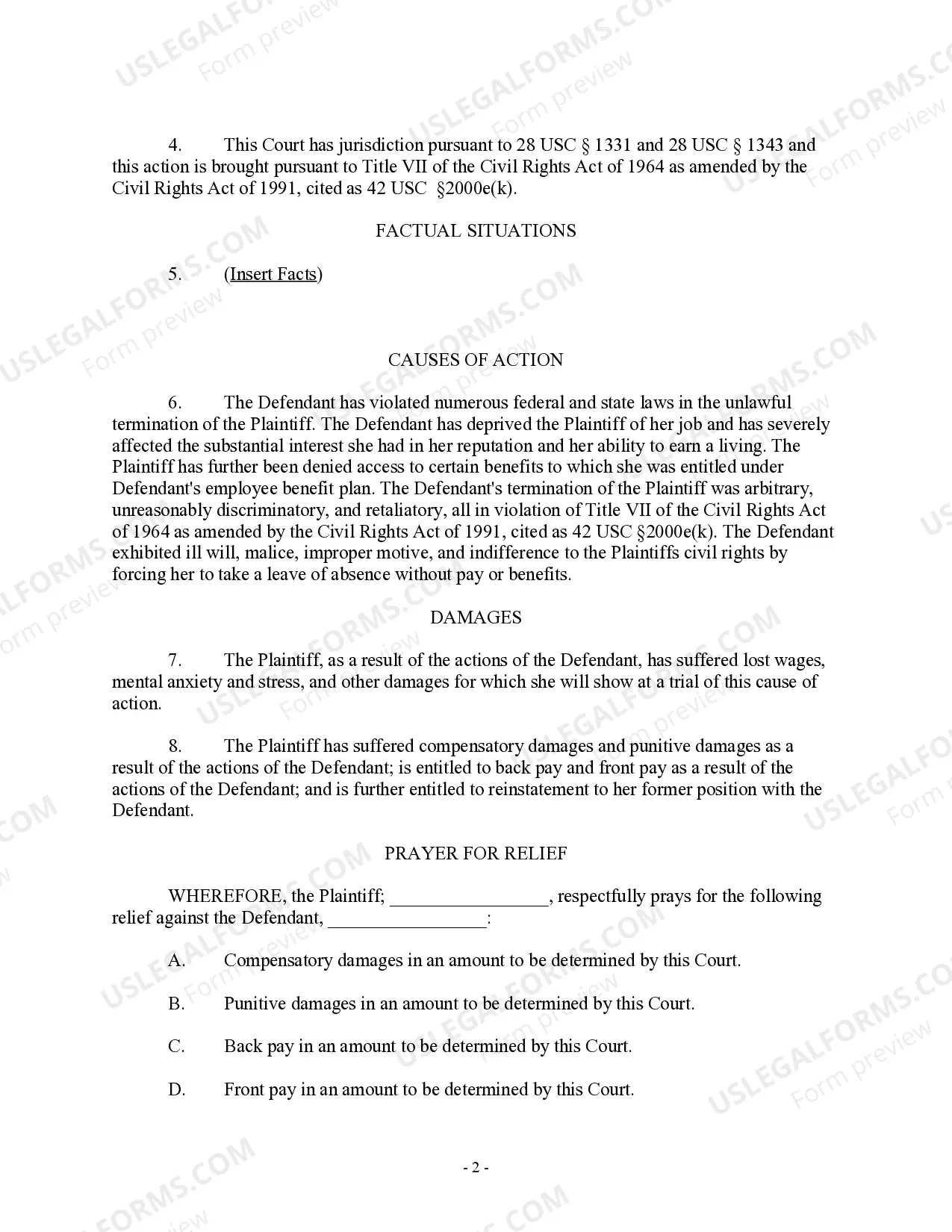
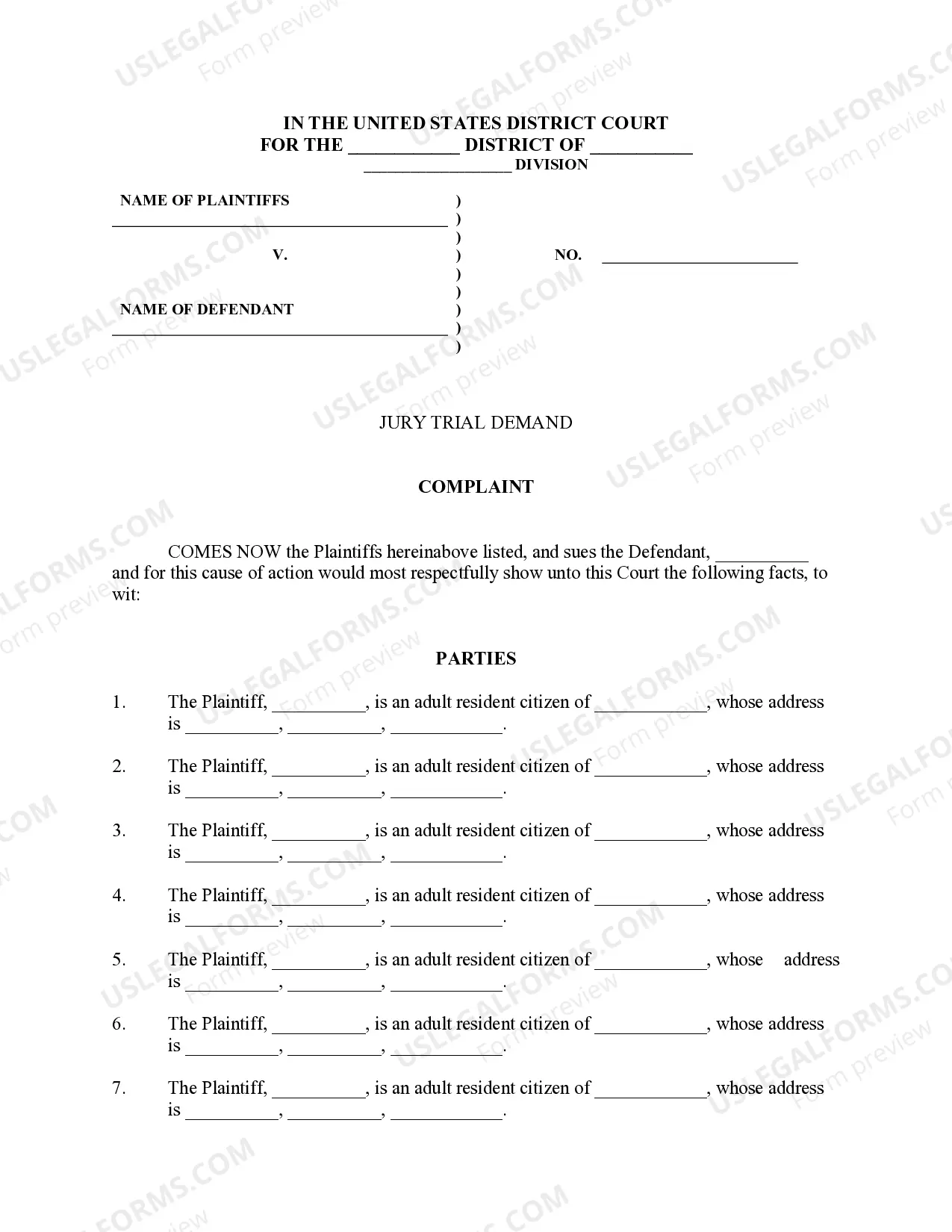
This is a multi-state form covering the subject matter of the title.
Rights Pregnancy Discrimination Within The Workplace In Montgomery
State:
Multi-State
Category:
County:
Montgomery
Control #:
US-000291
Format:
Word;
Rich Text
99 downloads
Description
Free preview





Get your form ready online
Our built-in tools help you complete, sign, share, and store your documents in one place.
Built-in online Word editor
Make edits, fill in missing information, and update formatting in US Legal Forms—just like you would in MS Word.
Export easily
Download a copy, print it, send it by email, or mail it via USPS—whatever works best for your next step.
E-sign your document
Sign and collect signatures with our SignNow integration. Send to multiple recipients, set reminders, and more. Go Premium to unlock E-Sign.
Notarize online 24/7
If this form requires notarization, complete it online through a secure video call—no need to meet a notary in person or wait for an appointment.
Store your document securely
We protect your documents and personal data by following strict security and privacy standards.

Make edits, fill in missing information, and update formatting in US Legal Forms—just like you would in MS Word.

Download a copy, print it, send it by email, or mail it via USPS—whatever works best for your next step.

Sign and collect signatures with our SignNow integration. Send to multiple recipients, set reminders, and more. Go Premium to unlock E-Sign.

If this form requires notarization, complete it online through a secure video call—no need to meet a notary in person or wait for an appointment.

We protect your documents and personal data by following strict security and privacy standards.
Looking for another form?









Form popularity
FAQ
The Pregnant Workers Fairness Act (PWFA) provides pregnant and postpartum workers with the right to reasonable accommodation at work. Pregnant Workers Fairness Act, 42 U.S.C. § 2000gg et seq. State or local laws may provide the same or additional protections for pregnant and postpartum workers.
The Equality Act says you must not be discriminated against during the protected period because: of your pregnancy, or. because of illness suffered by you as a result of your pregnancy. you are a woman on compulsory maternity leave.
The Pregnant Workers Fairness Act makes it a discriminatory or unfair employment practice if an employer fails to provide reasonable accommodations to an applicant or employee who is pregnant, physically recovering from childbirth, or a related condition.
The Pregnant Workers Fairness Act makes it a discriminatory or unfair employment practice if an employer fails to provide reasonable accommodations to an applicant or employee who is pregnant, physically recovering from childbirth, or a related condition.
As reviewed in the evidence above, working more than 55.5 hours a week had a 10% increase in the odds of having a preterm birth (Cai et al., 2019). No current recommendation or guideline recommends working more than 40 hours a week in pregnancy, but you could choose to work more than 40 hours a week.