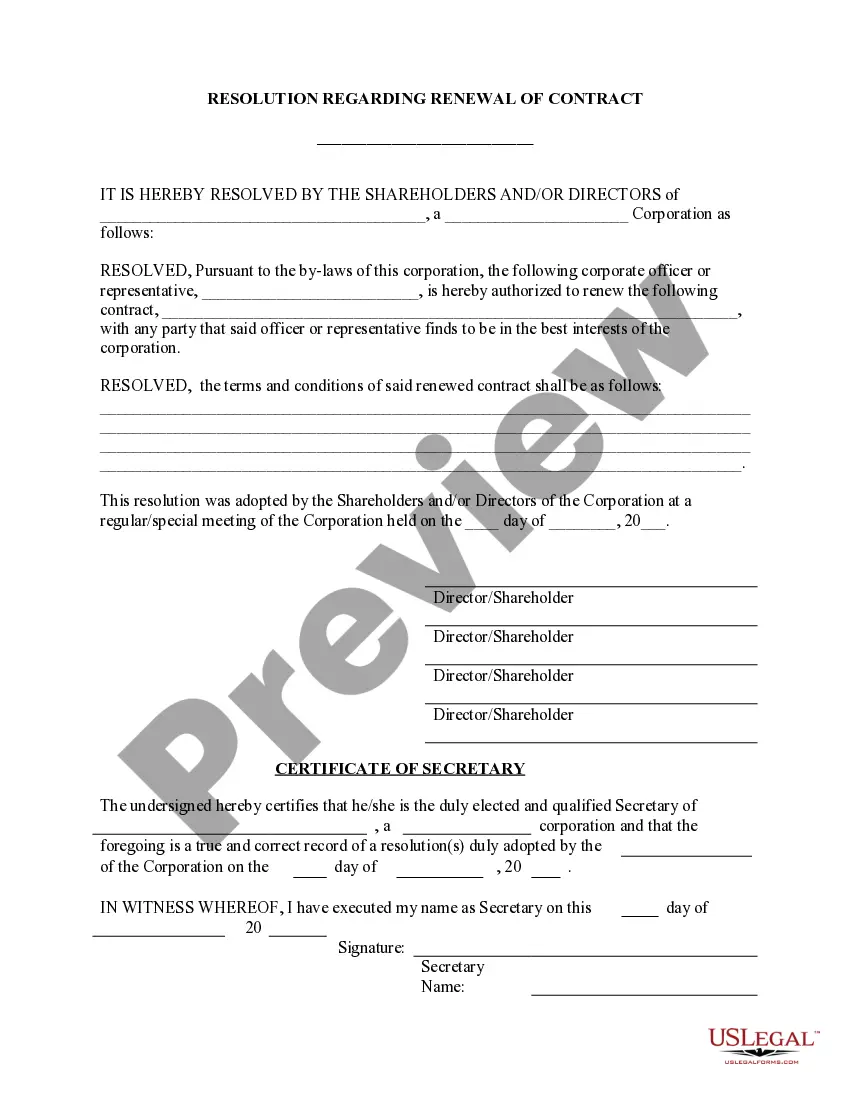
This is a multi-state form covering the subject matter of the title.
Wrongful Termination Court Withdraw In Mecklenburg
Category:
State:
Multi-State
County:
Mecklenburg
Control #:
US-000291
Format:
Word;
Rich Text
Instant download
Description
Free preview

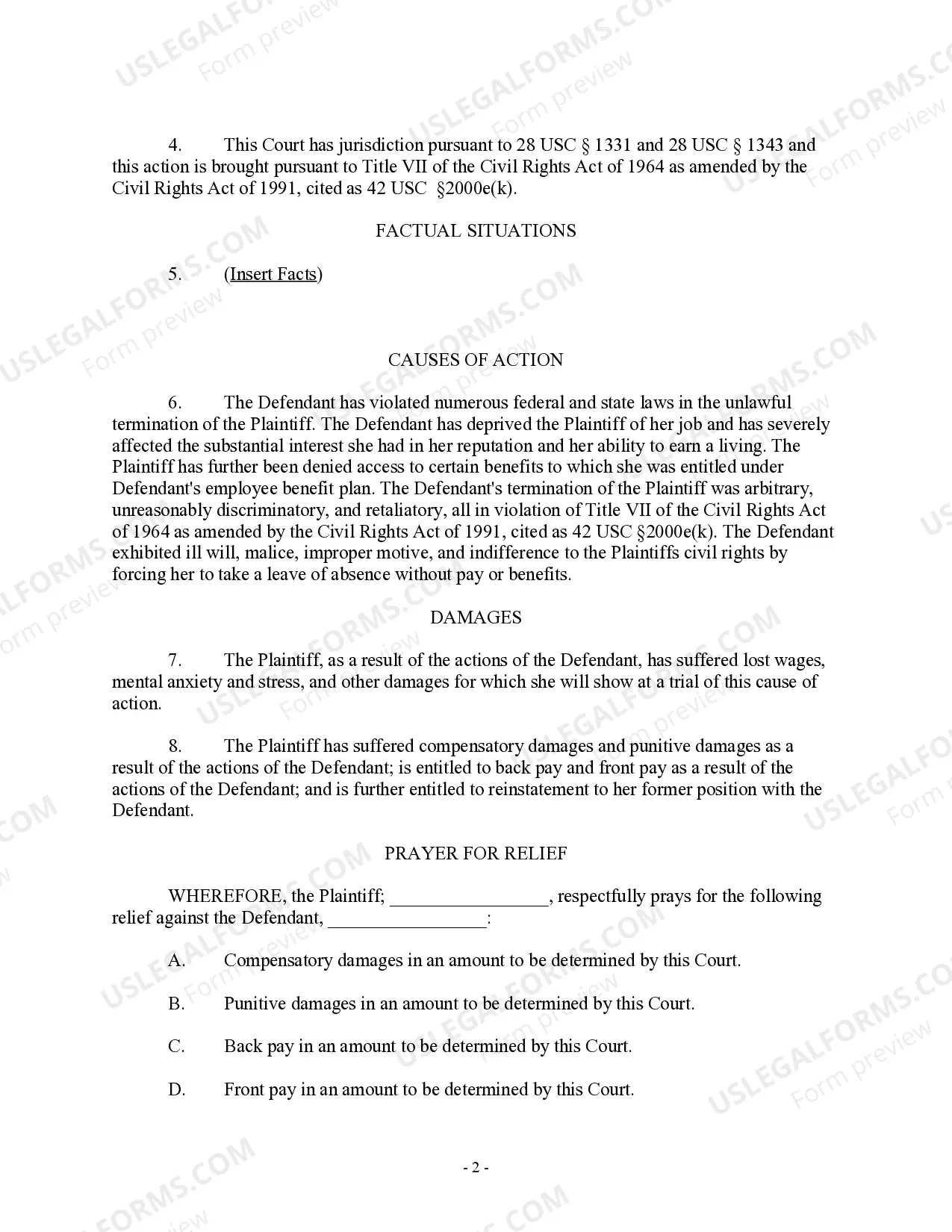
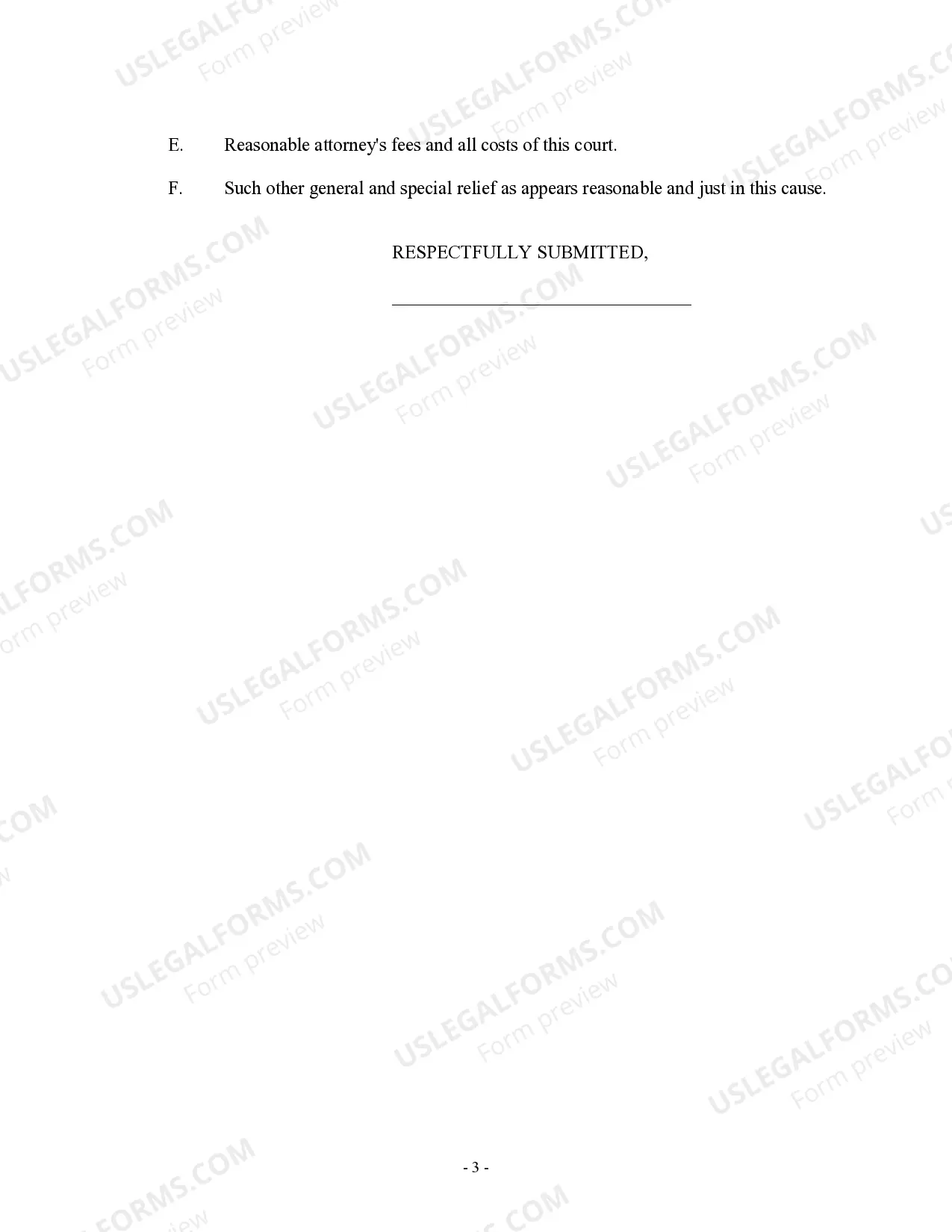



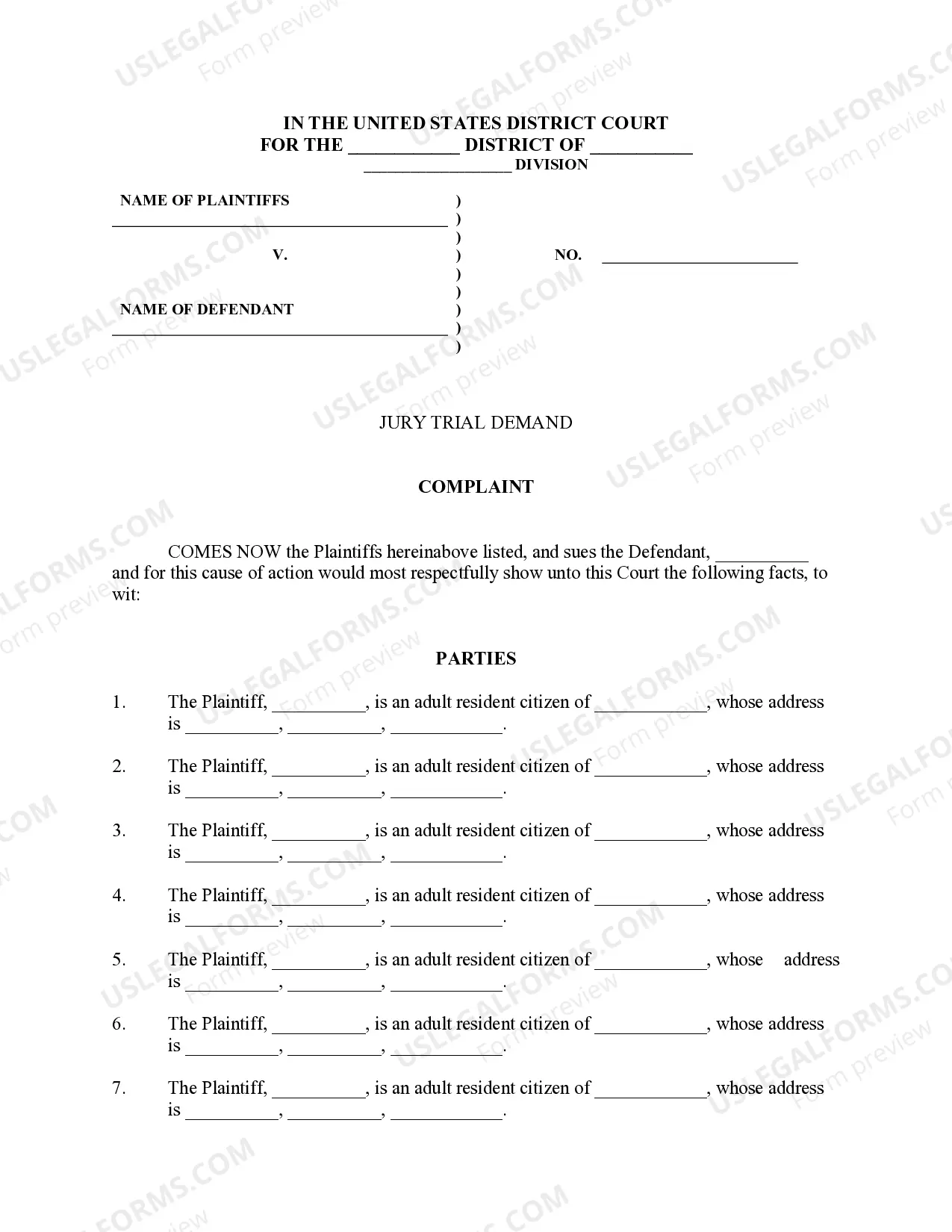
Get your form ready online
Our built-in tools help you complete, sign, share, and store your documents in one place.
Built-in online Word editor
Make edits, fill in missing information, and update formatting in US Legal Forms—just like you would in MS Word.
Export easily
Download a copy, print it, send it by email, or mail it via USPS—whatever works best for your next step.
E-sign your document
Sign and collect signatures with our SignNow integration. Send to multiple recipients, set reminders, and more. Go Premium to unlock E-Sign.
Notarize online 24/7
If this form requires notarization, complete it online through a secure video call—no need to meet a notary in person or wait for an appointment.
Store your document securely
We protect your documents and personal data by following strict security and privacy standards.

Make edits, fill in missing information, and update formatting in US Legal Forms—just like you would in MS Word.

Download a copy, print it, send it by email, or mail it via USPS—whatever works best for your next step.

Sign and collect signatures with our SignNow integration. Send to multiple recipients, set reminders, and more. Go Premium to unlock E-Sign.

If this form requires notarization, complete it online through a secure video call—no need to meet a notary in person or wait for an appointment.

We protect your documents and personal data by following strict security and privacy standards.
Looking for another form?







Form popularity
FAQ
The District Court division handles civil cases involving a claim for $25,000 or less, all family and juvenile cases, misdemeanor criminal cases, and infractions such as traffic tickets. Who are the “plaintiff” and “defendant”?
Anyone who is 18 years of age or older has the right to start a lawsuit in the North Carolina court system. If the lawsuit is for a claim of $10,000 or less (this amount can vary by county), it can be brought into Small Claims Court, which is available in every county.
Substitution of Criminal Defense Counsel Opinion rules that another member of a lawyer's firm may substitute for the lawyer in defending a criminal case if there is no prejudice to the client and the client and the court consent.
Conclusion: Going to small claims court may be worth it for $500, but it will determine how you weigh your costs versus benefits. At a minimum, it is worth it to send a demand letter.
The dollar limit varies from $5,000 to $10,000 depending on local rules. You can contact the clerk of court in your county to find out your local small claims court limit. If you are requesting more than the limit, up to $25,000, your case must be filed in district court.
It's crucial to gather Evidence supporting your claim of termination to build a case. Gather documents like employment contracts, performance reviews, emails, and statements from witnesses that show behavior retaliation actions taken against you from your employer's whistleblowing activities or other illegal actions.
– Subject to the provisions of Rule 23(c) and of any statute of this State, an action or any claim therein may be dismissed by the plaintiff without order of court (i) by filing a notice of dismissal at any time before the plaintiff rests his case, or; (ii) by filing a stipulation of dismissal signed by all parties who ...
Although employers may legally let employees go from their jobs for no reason (when employment is “at will”), it is against federal and state laws to fire someone because of their race, ethnicity, country of origin, gender or sexual orientation, age and/or disability.
If you were fired because of a protected characteristic or you were fired for not responding to harassment or requiring reasonable accommodations for a disability, these are illegal and can be the basis for a wrongful termination suit.
When you have a lawyer for a wrongful termination case the likelihood of receiving compensation is 64% and the likelihood of receiving compensation without a lawyer is 30%.