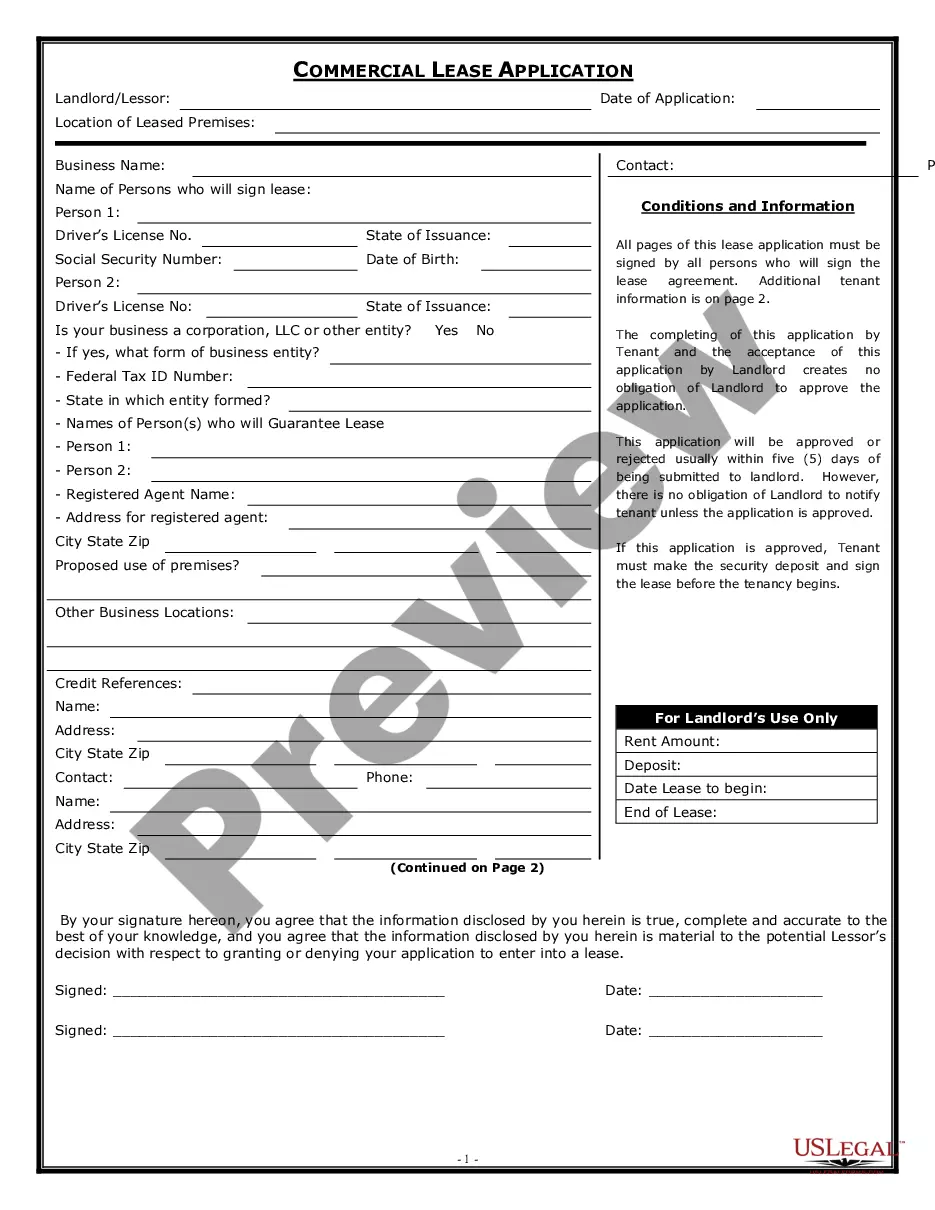
This is a multi-state form covering the subject matter of the title.
Civil Rights Under Law In Maricopa
State:
Multi-State
Category:
County:
Maricopa
Control #:
US-000291
Format:
Word;
Rich Text
99 downloads
Description
Free preview





Get your form ready online
Our built-in tools help you complete, sign, share, and store your documents in one place.
Built-in online Word editor
Make edits, fill in missing information, and update formatting in US Legal Forms—just like you would in MS Word.
Export easily
Download a copy, print it, send it by email, or mail it via USPS—whatever works best for your next step.
E-sign your document
Sign and collect signatures with our SignNow integration. Send to multiple recipients, set reminders, and more. Go Premium to unlock E-Sign.
Notarize online 24/7
If this form requires notarization, complete it online through a secure video call—no need to meet a notary in person or wait for an appointment.
Store your document securely
We protect your documents and personal data by following strict security and privacy standards.

Make edits, fill in missing information, and update formatting in US Legal Forms—just like you would in MS Word.

Download a copy, print it, send it by email, or mail it via USPS—whatever works best for your next step.

Sign and collect signatures with our SignNow integration. Send to multiple recipients, set reminders, and more. Go Premium to unlock E-Sign.

If this form requires notarization, complete it online through a secure video call—no need to meet a notary in person or wait for an appointment.

We protect your documents and personal data by following strict security and privacy standards.
Looking for another form?







Form popularity
FAQ
If you have a felony conviction, your voting rights may be restored. It depends on your state or territory laws and the details of your sentence. Contact your lawyer or court representative to confirm that you have completed your sentence and met the conditions of your release.
The ACRA protects Arizonans from unlawful discrimination in employment, housing, voting, and public accommodations. What is Unlawful Discrimination? Unlawful discrimination is unequal treatment or impact on a person or a group based on a protected class.
With respect to Federal felony convictions, the Supreme Court declared in Beecham v. United States, 511 U.S. 368 (1994), that only Federal law can nullify the effect of the conviction through expungement, pardon, or restoration of civil rights.
Civil rights are personal rights guaranteed and protected by the U.S. Constitution and federal laws enacted by Congress, such as the Civil Rights Act of 1964 and the Americans with Disabilities Act of 1990. Civil rights include protection from unlawful discrimination.
The ACRA protects Arizonans from unlawful discrimination in employment, housing, voting, and public accommodations. What is Unlawful Discrimination? Unlawful discrimination is unequal treatment or impact on a person or a group based on a protected class.
Many pre-law students major in political science, but if you're interested in civil rights law, taking courses or majoring in criminal justice, sociology, American studies, English, history, and even philosophy can be beneficial. There's no right or wrong major to make your way into the field.
Unlike human rights or natural rights, in which people acquire rights inherently—perhaps from nature—civil rights must be given and guaranteed by the power of the state.
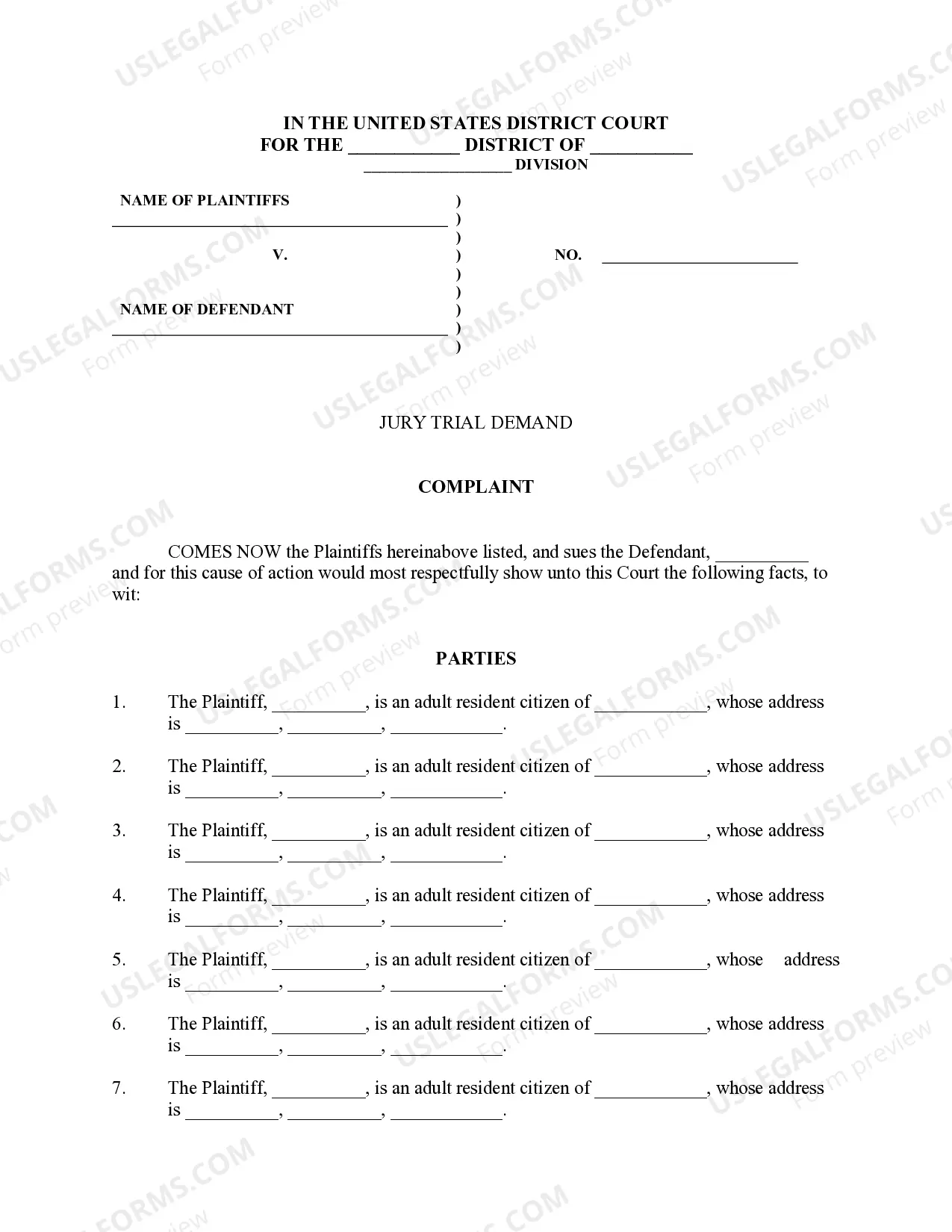
A plaintiff representing herself may obtain and fill out a prepared Complaint form from the Clerk of the Court at the courthouse or online at each county court website or by visiting . The Complaint must be filed with the Clerk of the appropriate court.
There are no general rules related to the time period to file a case. However, you almost always have at least a year to file a civil lawsuit. Depending on the type of case or civil action, it could be much longer. Different statutes of limitations apply to different types of cases and causes of action.
Arizona Civil Statute of Limitations Laws: At a Glance Injury to PersonOne year for false imprisonment (A.R.S. § 12-541) Two years for personal injury (A.R.S. § 12-542) Libel/Slander One year (A.R.S. § 12-541) Fraud Three years (A.R.S. § 12-543(3)) Injury to Personal Property Two years (A.R.S. § 12-542)6 more rows