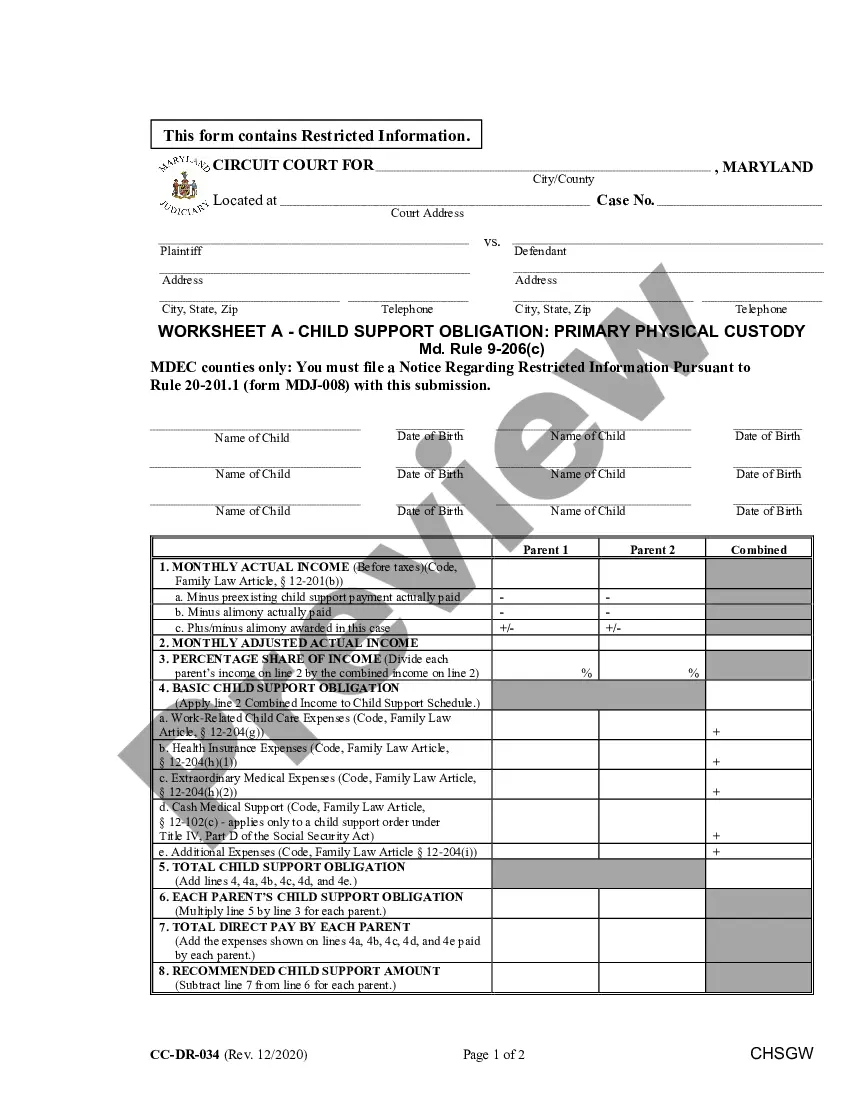
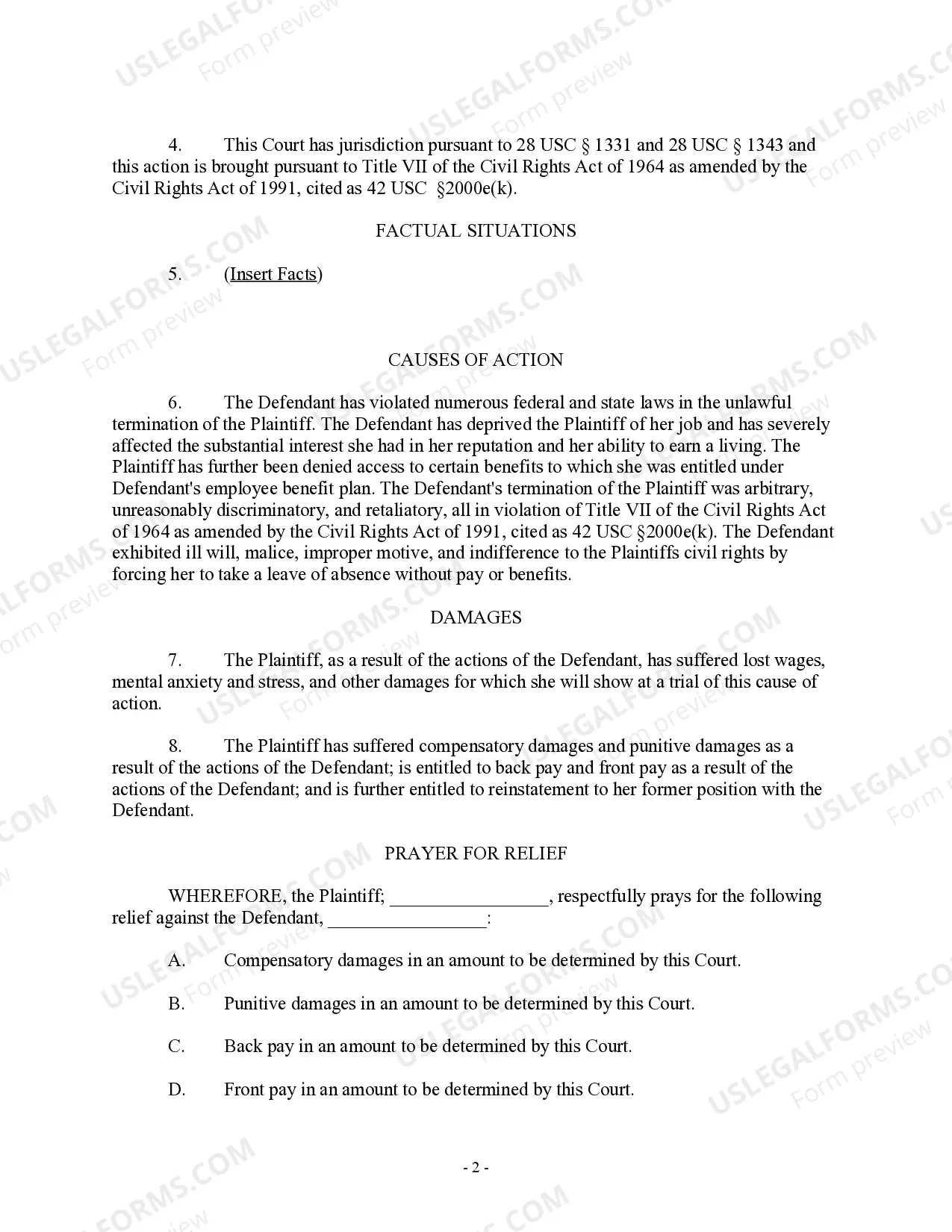
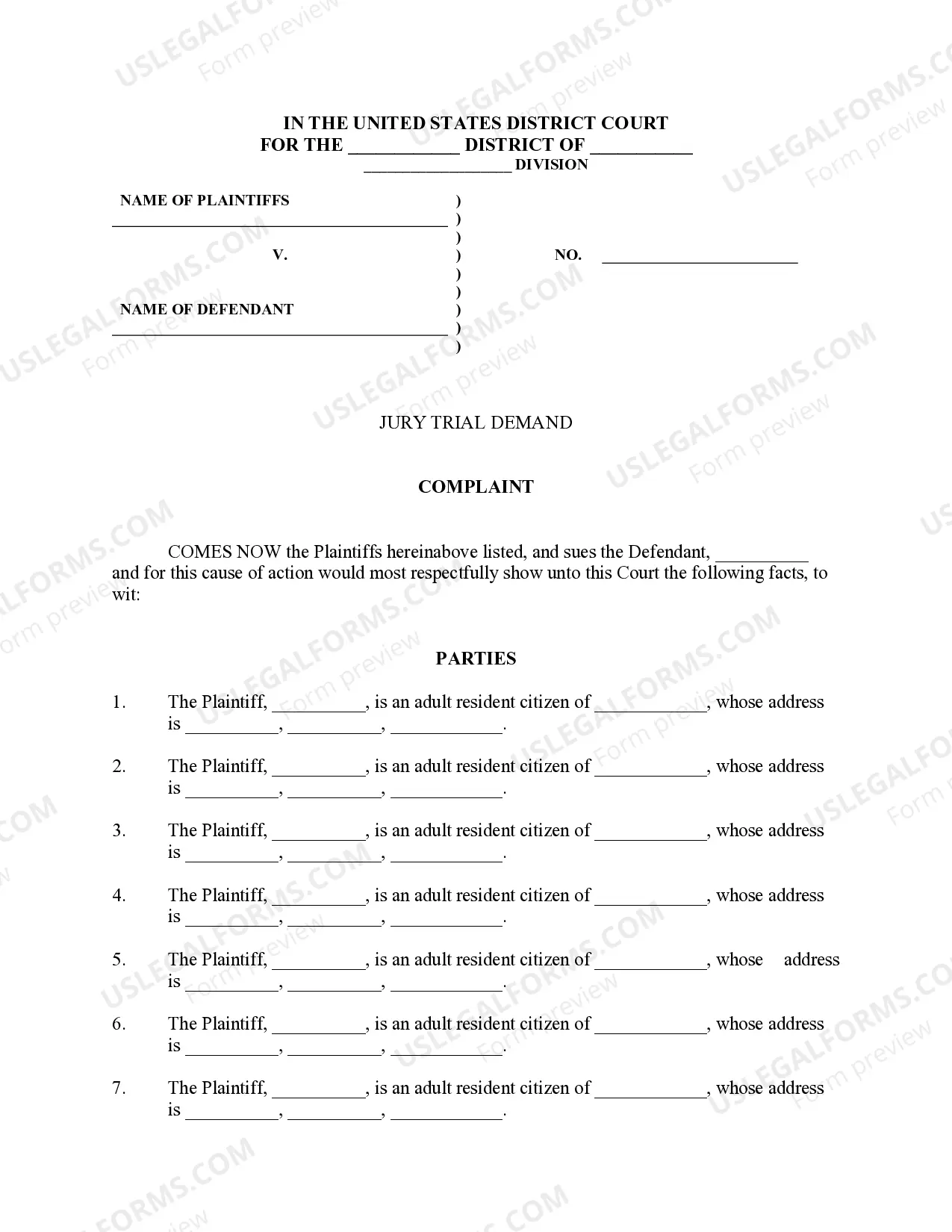
This is a multi-state form covering the subject matter of the title.
Pregnancy Discrimination In The Workplace Cases In Florida
State:
Multi-State
Category:
Control #:
US-000291
Format:
Word;
Rich Text
99 downloads
Description
Free preview





Get your form ready online
Our built-in tools help you complete, sign, share, and store your documents in one place.
Built-in online Word editor
Make edits, fill in missing information, and update formatting in US Legal Forms—just like you would in MS Word.
Export easily
Download a copy, print it, send it by email, or mail it via USPS—whatever works best for your next step.
E-sign your document
Sign and collect signatures with our SignNow integration. Send to multiple recipients, set reminders, and more. Go Premium to unlock E-Sign.
Notarize online 24/7
If this form requires notarization, complete it online through a secure video call—no need to meet a notary in person or wait for an appointment.
Store your document securely
We protect your documents and personal data by following strict security and privacy standards.

Make edits, fill in missing information, and update formatting in US Legal Forms—just like you would in MS Word.

Download a copy, print it, send it by email, or mail it via USPS—whatever works best for your next step.

Sign and collect signatures with our SignNow integration. Send to multiple recipients, set reminders, and more. Go Premium to unlock E-Sign.

If this form requires notarization, complete it online through a secure video call—no need to meet a notary in person or wait for an appointment.

We protect your documents and personal data by following strict security and privacy standards.
Looking for another form?









Form popularity
FAQ
Proving pregnancy discrimination requires more than a victim's claim. There must be evidence that the employer acted against the individual exclusively based on their pregnancy. That evidence must be clear, inarguable, and documented.
Proving pregnancy discrimination requires more than a victim's claim. There must be evidence that the employer acted against the individual exclusively based on their pregnancy. That evidence must be clear, inarguable, and documented.
The Pregnancy Discrimination Act of 1978, which amended Title VII of the Civil Rights Act of 1964, 42 U.S.C. §§ 2000e et seq., prohibits discrimination on the basis of pregnancy, childbirth, or related medical conditions.
Firing an employee in Florida because of childbirth is illegal under the Pregnancy Discrimination Act (PDA). The PDA is a federal law that prohibits discrimination against pregnant employees or job applicants based on pregnancy, childbirth, or related medical conditions.
Average Pregnancy Discrimination Settlement in California Complexity of CaseAverage California Pregnancy Discrimination Settlement Minor Approximately: $50,000 – $100,000 Moderate Approximately: $100,000 – $250,000 High Approximately: $250,000 – $1,000,000
Firing an employee in Florida because of childbirth is illegal under the Pregnancy Discrimination Act (PDA). The PDA is a federal law that prohibits discrimination against pregnant employees or job applicants based on pregnancy, childbirth, or related medical conditions.
Violations have involved a variety of fact patterns, including: refusing to hire, failing to promote, demoting, or firing pregnant workers after learning they are pregnant; discharging workers who take medical leave for pregnancy-related conditions (such as a miscarriage);
To prove this kind of discrimination, you need to demonstrate that your employer treated you differently because you are or were recently pregnant. If your pregnancy prompted a harmful employment decision, such as termination or failure to promote, compensation may be available.
To successfully win a pregnancy discrimination claim, an employee must provide evidence showing that her pregnancy was a substantial motivating reason for an adverse employment (such as a demotion, a write up and, of course, a termination) and that other employees in similar situations were treated differently.