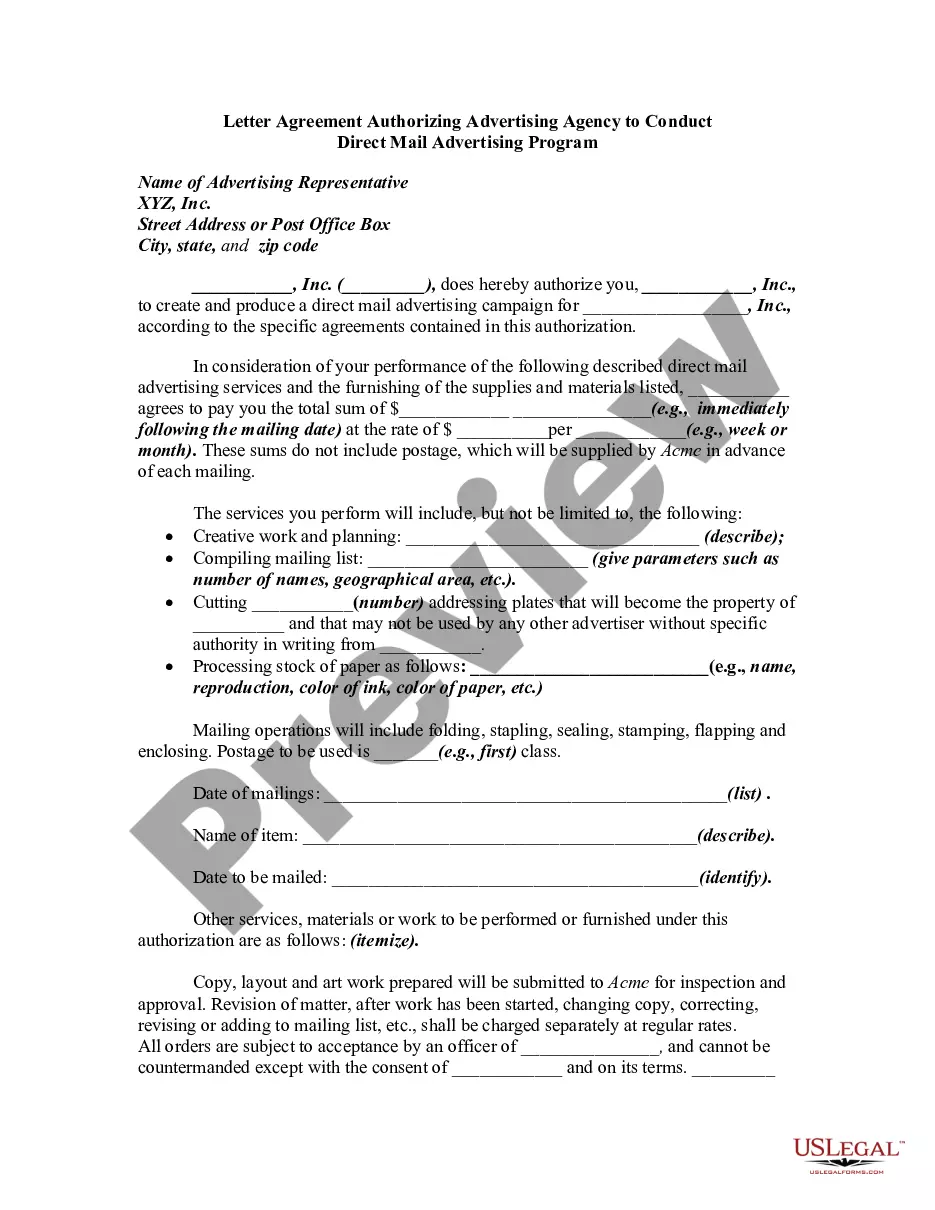
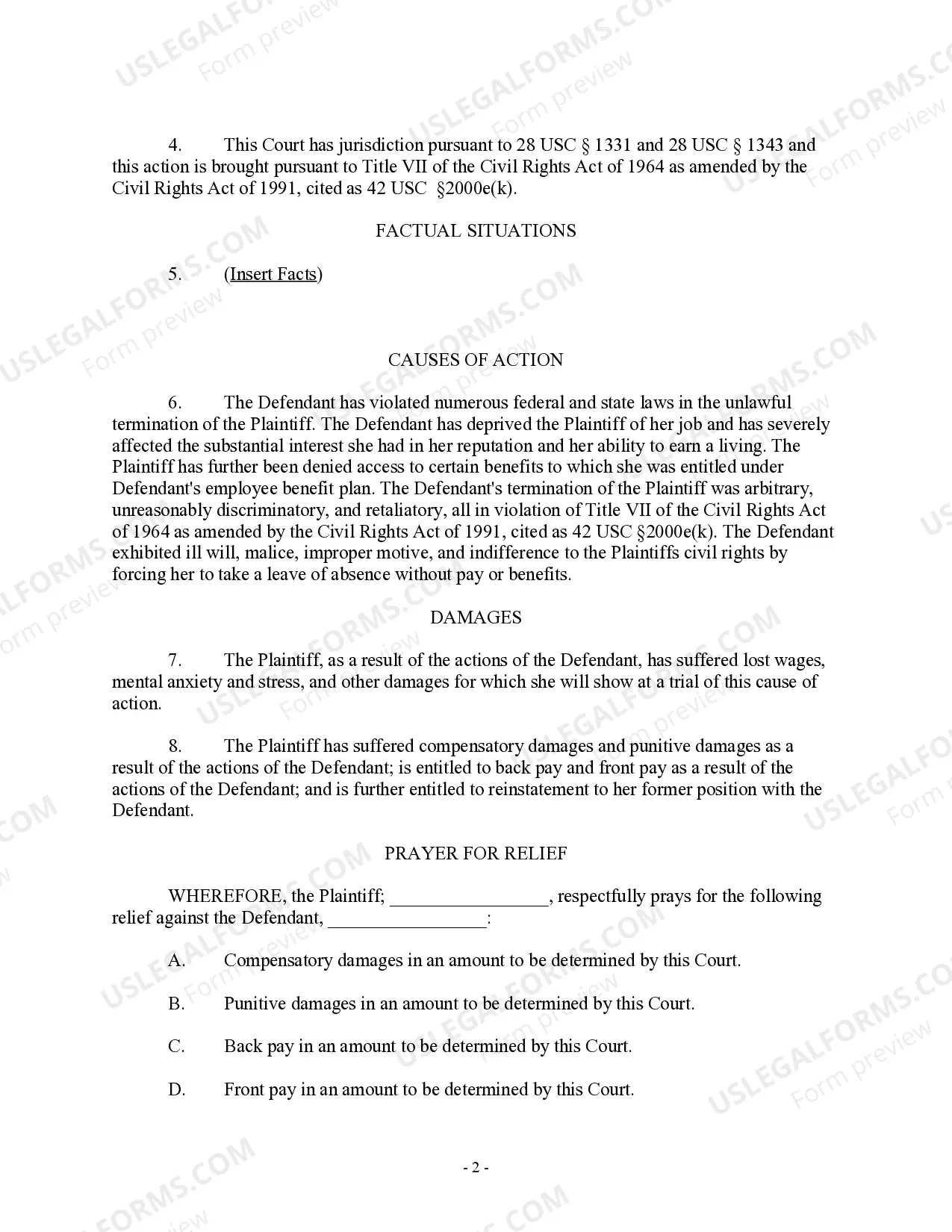
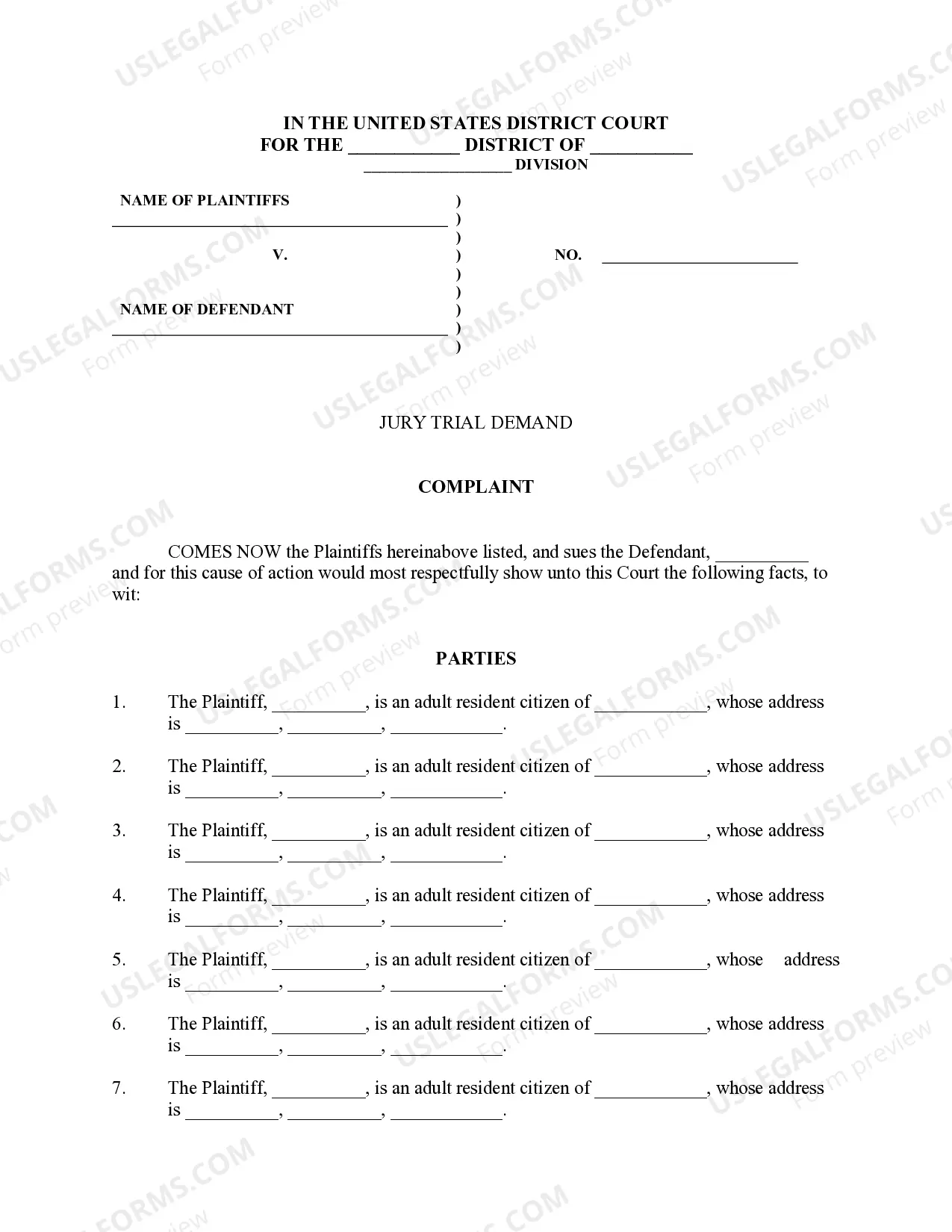
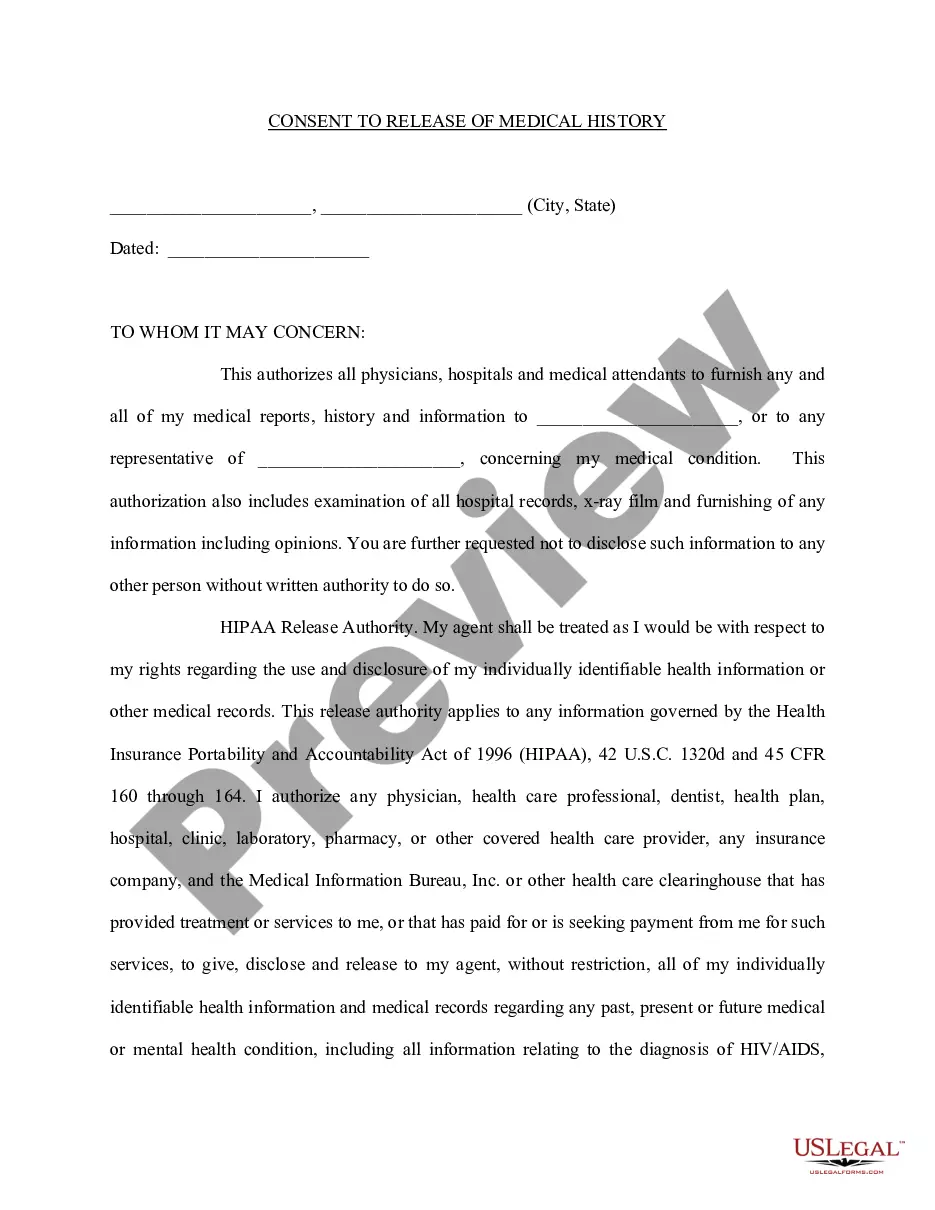
This is a multi-state form covering the subject matter of the title.
Rights Pregnancy Discrimination Without Discrimination In Cook
State:
Multi-State
Category:
County:
Cook
Control #:
US-000291
Format:
Word;
Rich Text
99 downloads
Description
Free preview





Get your form ready online
Our built-in tools help you complete, sign, share, and store your documents in one place.
Built-in online Word editor
Make edits, fill in missing information, and update formatting in US Legal Forms—just like you would in MS Word.
Export easily
Download a copy, print it, send it by email, or mail it via USPS—whatever works best for your next step.
E-sign your document
Sign and collect signatures with our SignNow integration. Send to multiple recipients, set reminders, and more. Go Premium to unlock E-Sign.
Notarize online 24/7
If this form requires notarization, complete it online through a secure video call—no need to meet a notary in person or wait for an appointment.
Store your document securely
We protect your documents and personal data by following strict security and privacy standards.

Make edits, fill in missing information, and update formatting in US Legal Forms—just like you would in MS Word.

Download a copy, print it, send it by email, or mail it via USPS—whatever works best for your next step.

Sign and collect signatures with our SignNow integration. Send to multiple recipients, set reminders, and more. Go Premium to unlock E-Sign.

If this form requires notarization, complete it online through a secure video call—no need to meet a notary in person or wait for an appointment.

We protect your documents and personal data by following strict security and privacy standards.
Looking for another form?





Form popularity
FAQ
The number of hours and even time of day when you work may also be a factor. A 2014 study of Japanese women uncovered that those who worked more than 40 hours each week were at higher risk of miscarriage and preterm labor. And the more hours worked (51–70 hours and 71+ hours), the higher the risk.
Most people can continue working during pregnancy. Being pregnant, however, might present challenges in the workplace. To stay healthy and productive on the job, you need to understand how to relieve common pregnancy discomforts — and know when a work task might jeopardize the pregnancy.
Generally, work during pregnancy up until you go into labor or your bag of water breaks is safe. Working until a planned cesarean section or induction of labor is also safe. Whether you need income or not is only something you can evaluate.
Pregnant employees should feel comfortable discussing their pregnancy, any related challenges and their needs with their managers without fear of judgment or reprisal. This requires managers to approach these conversations with empathy, active listening and a genuine willingness to accommodate their employees' needs.
“The amount of time a pregnant person can safely stand varies based on their individual health, pregnancy stage and overall physical condition,” says Gaither. “For most pregnant women, standing from 30 to 60 minutes at a time is considered manageable, but it's important for you to listen to your body's signals.”
Coping with pregnancy symptoms at work Try to use your lunch break to eat and rest. Your employer may also need to give you extra breaks. If travelling in rush hour is exhausting, ask your employer if you can work slightly different hours for a while. Don't rush home and start another job cleaning and cooking.
If there are genuine issues with a pregnant employee's performance, employers can place them on a Performance Improvement Plan. Employers should make sure that any performance concerns are not related to the employee's pregnancy – for example, morning sickness.