This is a multi-state form covering the subject matter of the title.
Human Rights Court In Strasbourg In Bexar
State:
Multi-State
Category:
County:
Bexar
Control #:
US-000291
Format:
Word;
Rich Text
93 downloads
Description
Free preview
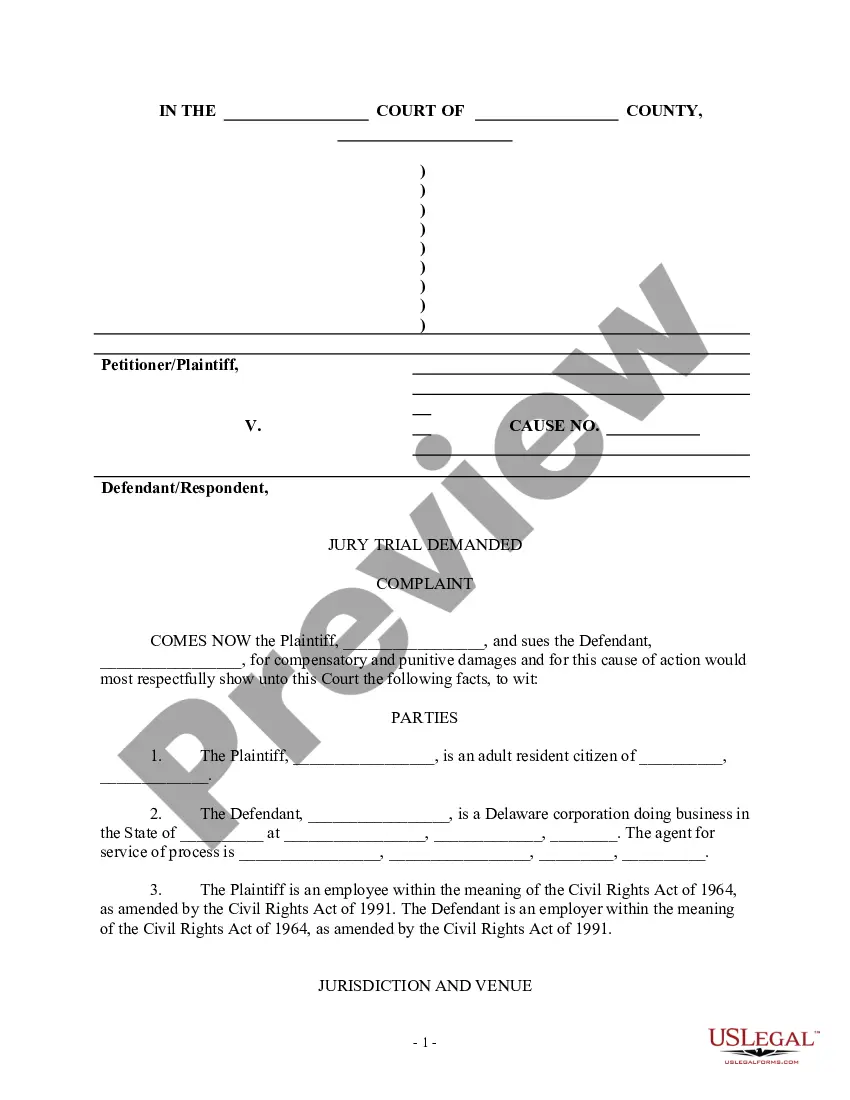
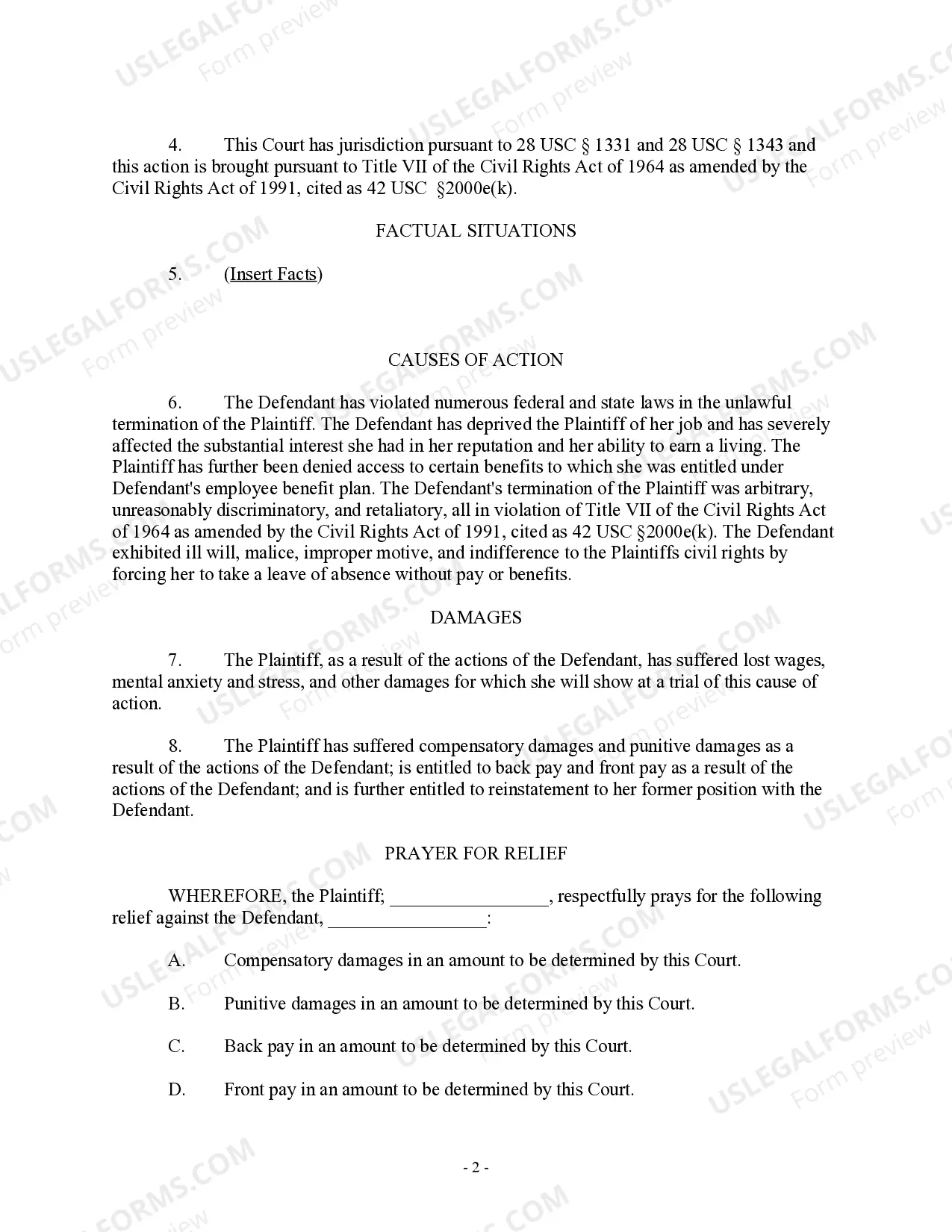

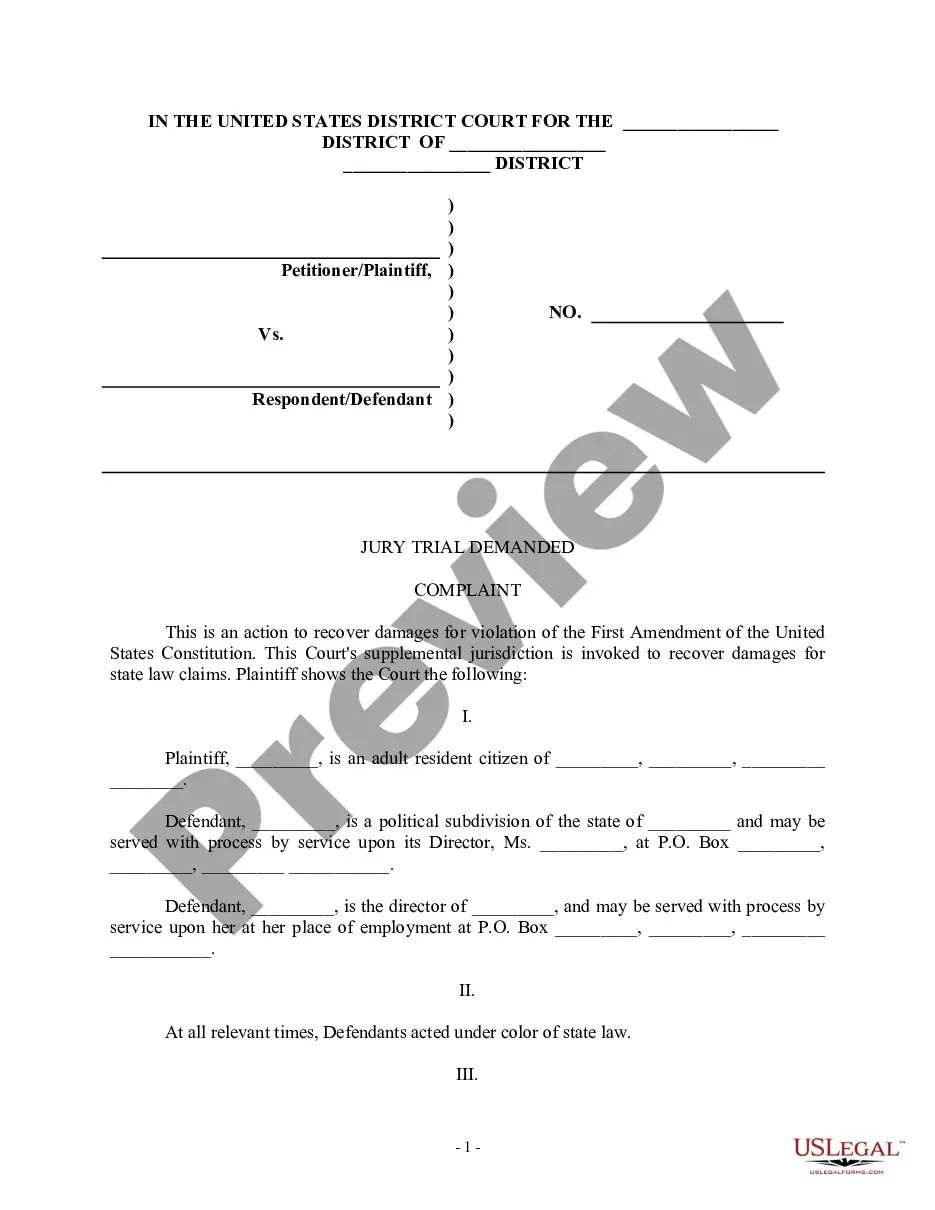
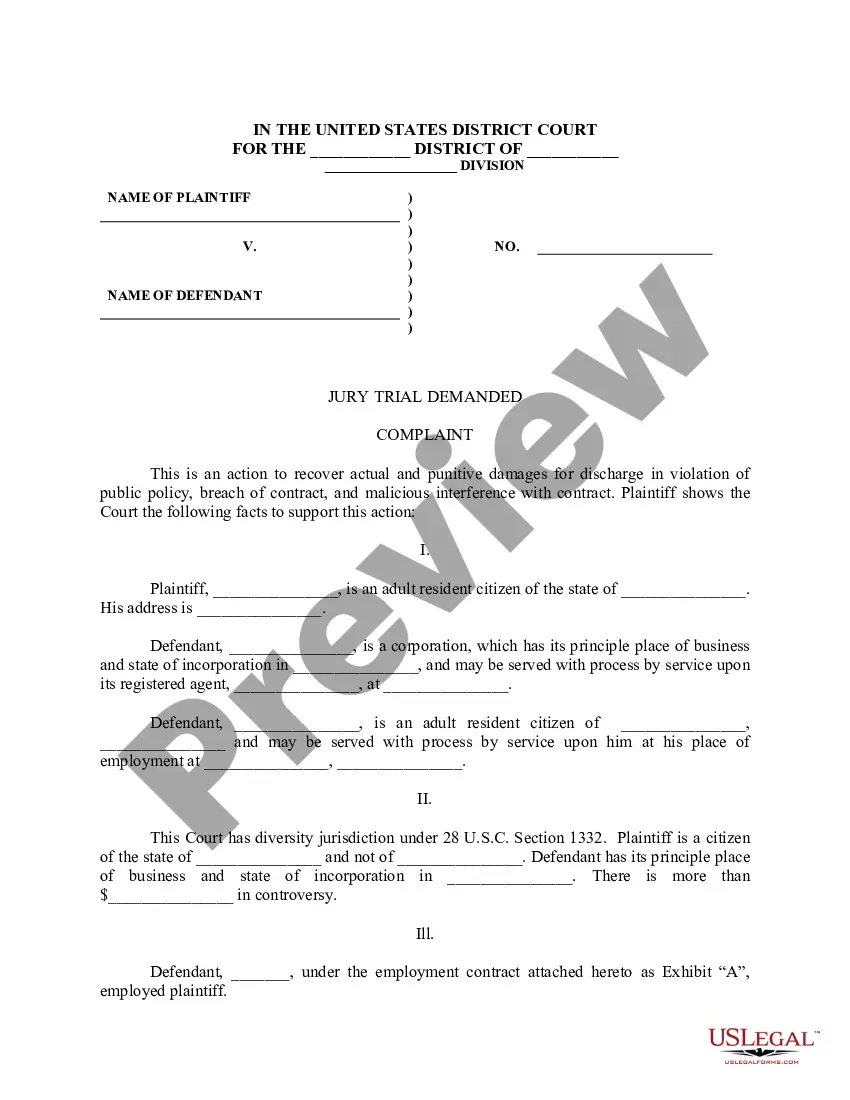
Get your form ready online
Our built-in tools help you complete, sign, share, and store your documents in one place.
Built-in online Word editor
Make edits, fill in missing information, and update formatting in US Legal Forms—just like you would in MS Word.
Export easily
Download a copy, print it, send it by email, or mail it via USPS—whatever works best for your next step.
E-sign your document
Sign and collect signatures with our SignNow integration. Send to multiple recipients, set reminders, and more. Go Premium to unlock E-Sign.
Notarize online 24/7
If this form requires notarization, complete it online through a secure video call—no need to meet a notary in person or wait for an appointment.
Store your document securely
We protect your documents and personal data by following strict security and privacy standards.

Make edits, fill in missing information, and update formatting in US Legal Forms—just like you would in MS Word.

Download a copy, print it, send it by email, or mail it via USPS—whatever works best for your next step.

Sign and collect signatures with our SignNow integration. Send to multiple recipients, set reminders, and more. Go Premium to unlock E-Sign.

If this form requires notarization, complete it online through a secure video call—no need to meet a notary in person or wait for an appointment.

We protect your documents and personal data by following strict security and privacy standards.
Looking for another form?





Form popularity
FAQ
Who can bring a case to the Court? The Convention makes a distinction between two types of application: individual applications lodged by any person, group of individuals, company or NGO having a complaint about a violation of their rights, and inter-State applications brought by one State against another.
The ECtHR was set up in 1959, it is based in Strasbourg. 2. It hears applications alleging that a contracting state has breached one or more of the human rights provisions concerning civil and political rights set out in the European Convention on Human Rights (ECHR) and its protocols.
The World Court of Human Rights shall be the main judicial organ of the United Nations holding States and certain non-State actors accountable for violations of international human rights law and providing victims of such human rights violations with the right to a remedy and reparation for the harm suffered.
2.1. 2 The Inter-American Court of Human Rights (IACtHR) The IACtHR was created in 1969 as a supervisory organ of the American Convention of Human Rights (American Convention). The court started operating in 1979, after the convention entered into force.
What does the European Court of Human Rights do? The Court applies the European Convention on Human Rights. Its task is to ensure that States respect the rights and guarantees set out in the Convention. It does this by examining complaints (known as “applications”) lodged by individuals or, sometimes, by States.
The European Court of Justice is Europe's highest court, with hundreds of cases each year from the European Union's 27 member countries.
The Court is based in Strasbourg, in the Human Rights Building designed by the British architect Lord Richard Rogers in 1994 – a building whose image is known worldwide.
The European Court of Human Rights (ECtHR), also known as the Strasbourg Court, is an international court of the Council of Europe which interprets the European Convention on Human Rights (ECHR).
2.1. 2 The Inter-American Court of Human Rights (IACtHR) The IACtHR was created in 1969 as a supervisory organ of the American Convention of Human Rights (American Convention). The court started operating in 1979, after the convention entered into force.
Article 46(1) ECHR says that: “The High Contracting Parties undertake to abide by the final judgment of the Court in any case to which they are parties.” This does not, in and of itself, require domestic courts to fall into line with Strasbourg: but it does mean that if they fail to do so, then the UK will be in breach ...