This is a multi-state form covering the subject matter of the title.
Trial Request Form Template In Arizona
State:
Multi-State
Category:
Control #:
US-000291
Format:
Word;
Rich Text
99 downloads
Description
Free preview

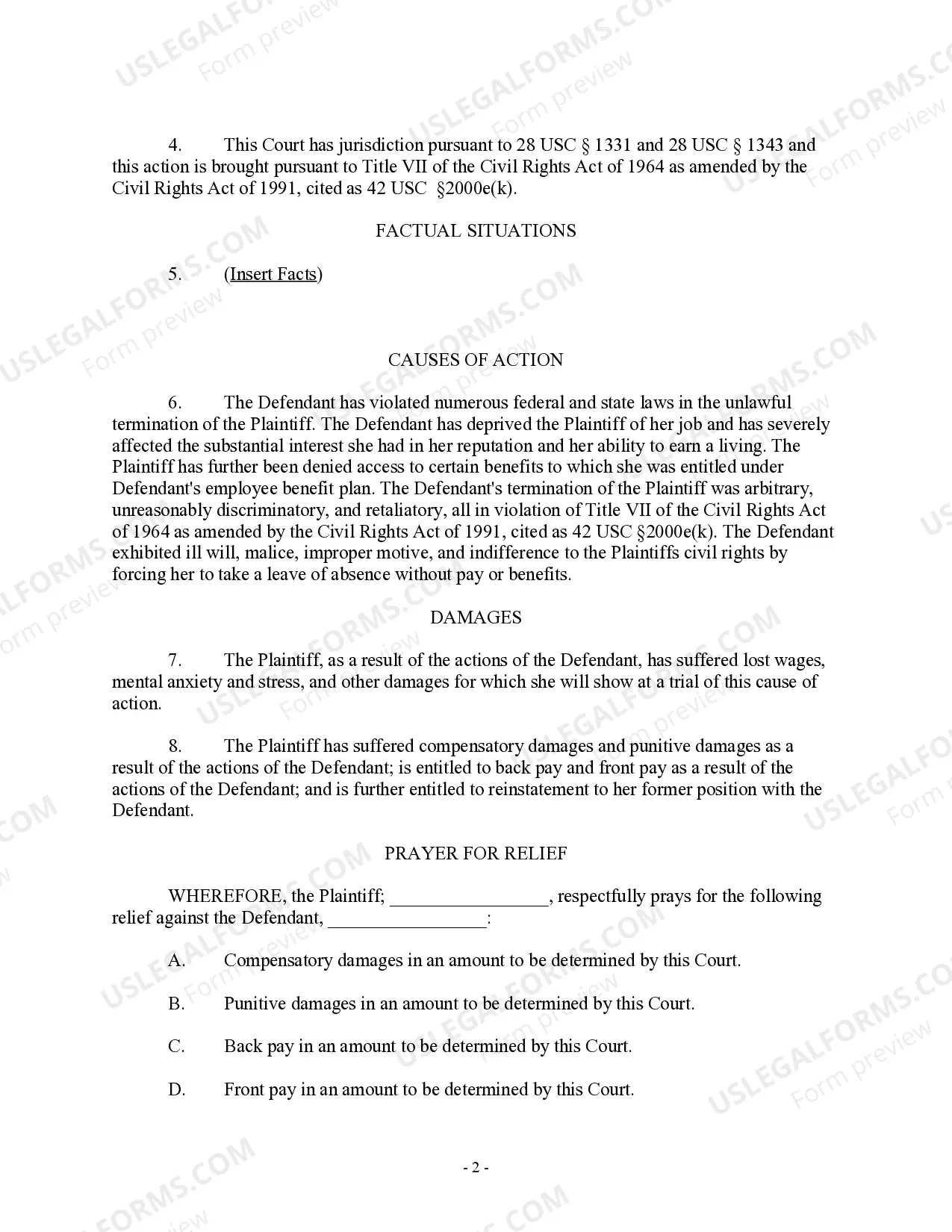




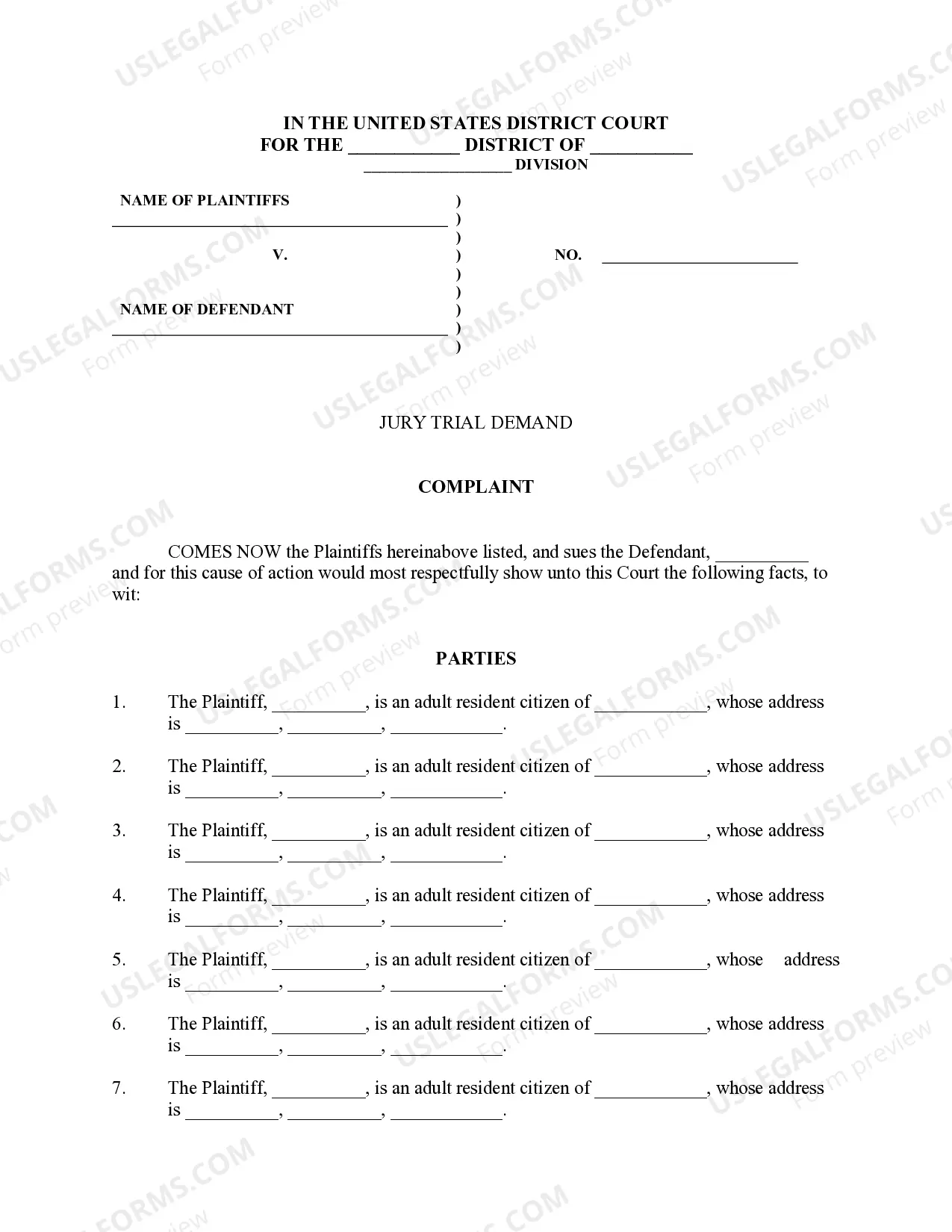
Get your form ready online
Our built-in tools help you complete, sign, share, and store your documents in one place.
Built-in online Word editor
Make edits, fill in missing information, and update formatting in US Legal Forms—just like you would in MS Word.
Export easily
Download a copy, print it, send it by email, or mail it via USPS—whatever works best for your next step.
E-sign your document
Sign and collect signatures with our SignNow integration. Send to multiple recipients, set reminders, and more. Go Premium to unlock E-Sign.
Notarize online 24/7
If this form requires notarization, complete it online through a secure video call—no need to meet a notary in person or wait for an appointment.
Store your document securely
We protect your documents and personal data by following strict security and privacy standards.

Make edits, fill in missing information, and update formatting in US Legal Forms—just like you would in MS Word.

Download a copy, print it, send it by email, or mail it via USPS—whatever works best for your next step.

Sign and collect signatures with our SignNow integration. Send to multiple recipients, set reminders, and more. Go Premium to unlock E-Sign.

If this form requires notarization, complete it online through a secure video call—no need to meet a notary in person or wait for an appointment.

We protect your documents and personal data by following strict security and privacy standards.
Looking for another form?







Form popularity
FAQ
Steps Check if the court has blank motion forms. Some courts have "check the boxes" or "fill in the blank" motion forms. Create your caption. Title your motion. Draft the introductory paragraph to the body of the motion. Request relief. Lay out the applicable facts. Make your legal argument. Insert a signature block.
Every matter submitted for determination to a judge of the superior court for decision shall be determined and a ruling made not later than sixty days from submission thereof, in ance with Section 21. Article VI of the Arizona Constitution.
You can send the court papers by giving the post office copies of the court papers in an envelope, postage prepaid, to be sent to the other party by any form of mail requiring a signed and returned receipt. This is often called Certified Mail, Restricted Delivery by the post office.
Apply, through the attorney general or through the county, city or town attorney of the county, city or town in which the act, practice or transaction is alleged to have been committed, to the superior court in that county for an injunction restraining the person from engaging in the act, practice or transaction, or ...
Anyone can write a cease and desist letter, which is not legally enforceable. Still, it's a good idea to consult an attorney to help you draft it, especially if your issue is embedded in a complex area of law, such as intellectual property or business law.
Apply, through the attorney general or through the county, city or town attorney of the county, city or town in which the act, practice or transaction is alleged to have been committed, to the superior court in that county for an injunction restraining the person from engaging in the act, practice or transaction, or ...
Cease and Desist Letters Do Not Hold Legal Power on Their Own. Cease and desist letters are used to stop someone who is violating someone else's trademark, copyright, or patent rights. While they do play a role in enforcing protection, the letters themselves do not hold any legal power or authority.
Timeline of How to File a Lawsuit Step 1: File a Complaint. Plaintiff files a complaint and summons with the local county court. Step 2: Answer Complaint. Step 3: Discovery. Step 4: Failing to Respond to Discovery. Step 5: Conclusion of Lawsuit.
A plaintiff representing herself may obtain and fill out a prepared Complaint form from the Clerk of the Court at the courthouse or online at each county court website or by visiting . The Complaint must be filed with the Clerk of the appropriate court.