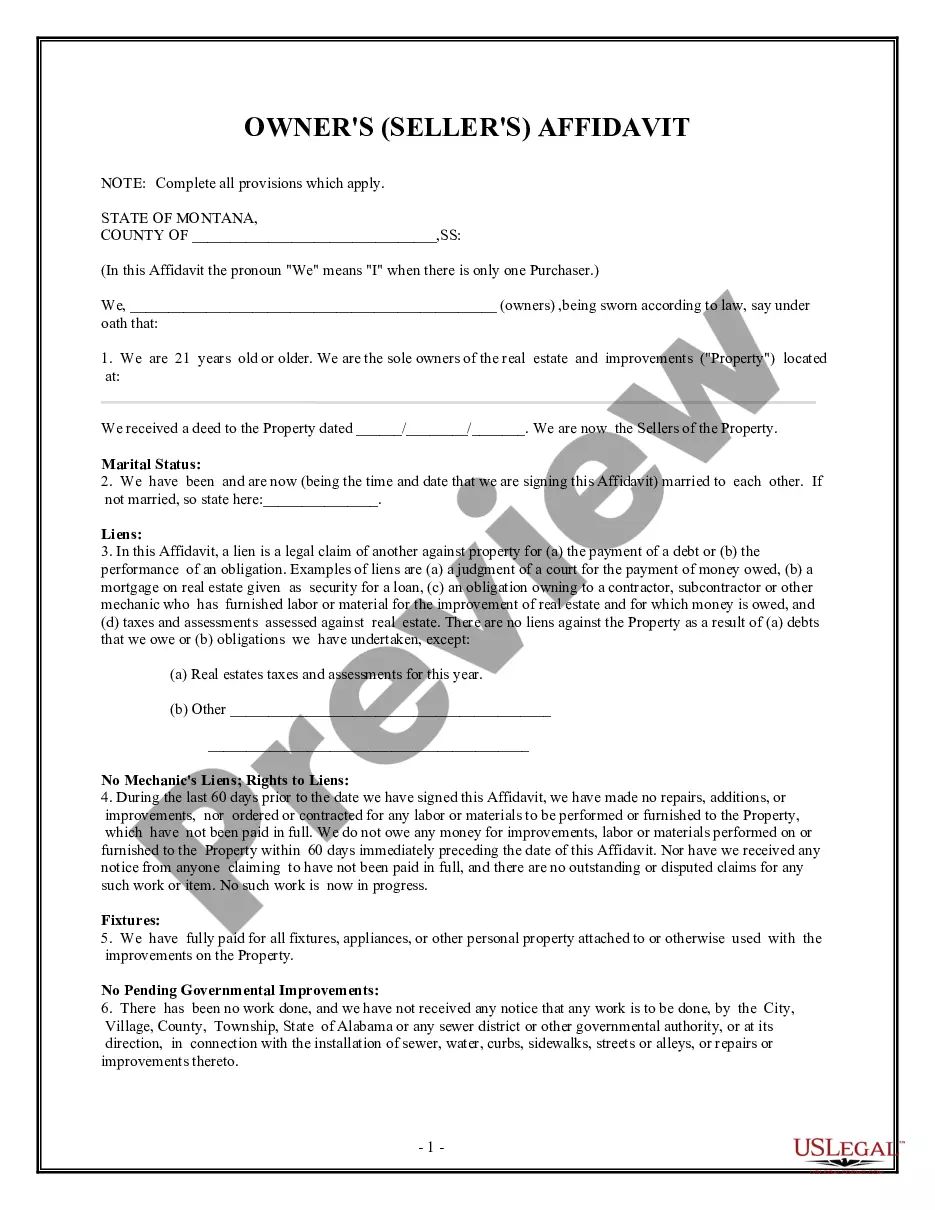
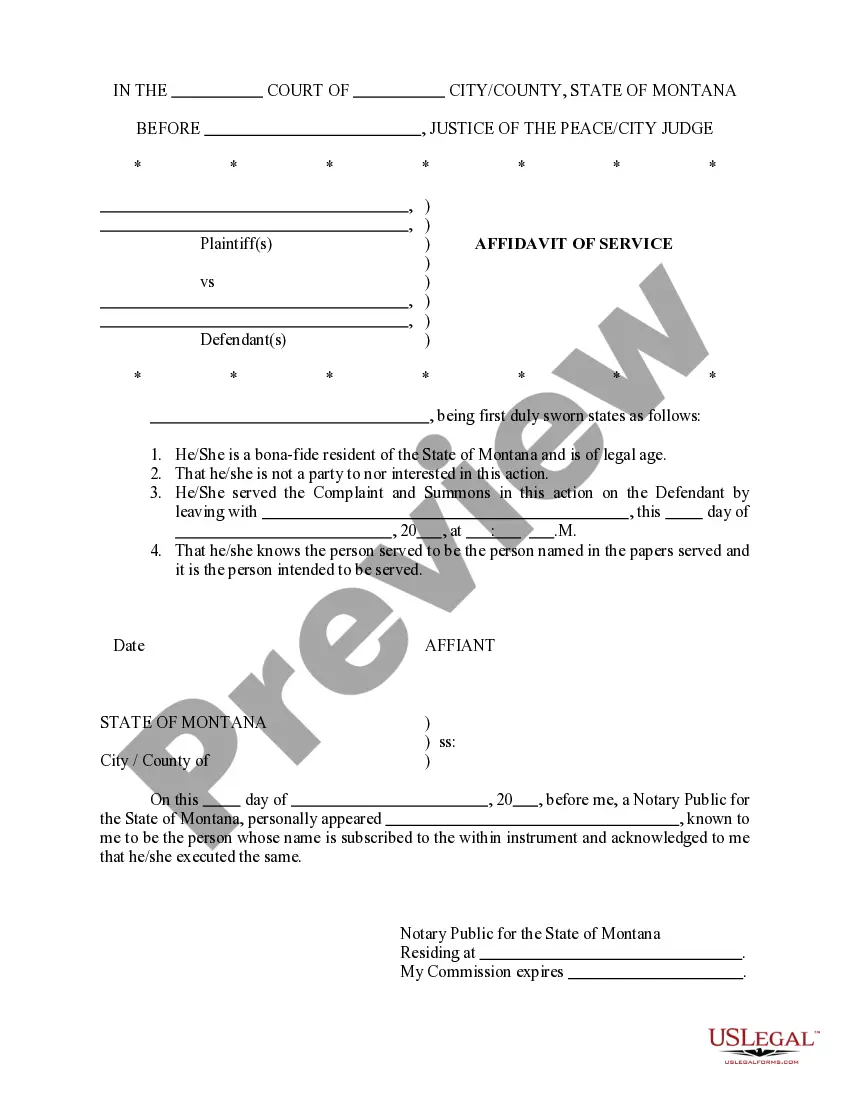
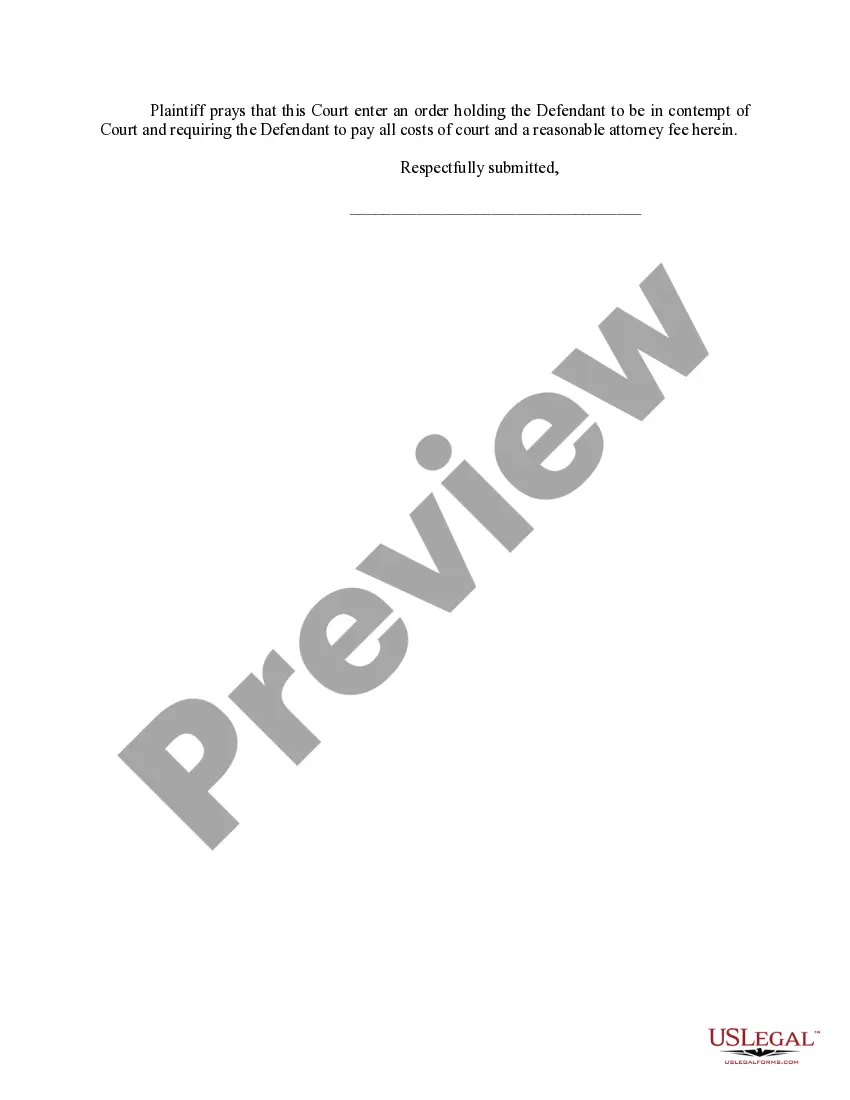
Sample Restraining Order Form With Court In New York
Description


Get your form ready online
Our built-in tools help you complete, sign, share, and store your documents in one place.
Make edits, fill in missing information, and update formatting in US Legal Forms—just like you would in MS Word.
Download a copy, print it, send it by email, or mail it via USPS—whatever works best for your next step.
Sign and collect signatures with our SignNow integration. Send to multiple recipients, set reminders, and more. Go Premium to unlock E-Sign.
If this form requires notarization, complete it online through a secure video call—no need to meet a notary in person or wait for an appointment.
We protect your documents and personal data by following strict security and privacy standards.

Make edits, fill in missing information, and update formatting in US Legal Forms—just like you would in MS Word.

Download a copy, print it, send it by email, or mail it via USPS—whatever works best for your next step.

Sign and collect signatures with our SignNow integration. Send to multiple recipients, set reminders, and more. Go Premium to unlock E-Sign.

If this form requires notarization, complete it online through a secure video call—no need to meet a notary in person or wait for an appointment.

We protect your documents and personal data by following strict security and privacy standards.
Looking for another form?







Form popularity
FAQ
Go to court You will tell the judge why you need a restraining order. You can bring witnesses and evidence to support your case. The other side can bring witnesses and evidence, too.
The order typically remains in effect for a year. In some circumstances, it can last up to five years. On the other hand, the court may determine a permanent order is unnecessary if you prove your innocence or there is a lack of evidence.
The standard test for the order can be sought is whether or not there is evidence of harassment or risk of violence (or further violence) against a victim. You can get a restraining order against someone if the person has: Abused (or threatened to abuse you) Sexually assaulted you.
Domestic Violence Restraining Order (DVRO) A Domestic Violence Restraining Order is one of the most common types of restraining orders.
A judge will hear all of the evidence and decide whether to extend your TRO beyond 180 days. If the judge believes that a final order of protection should be issued, s/he will grant you an order that can last for as long as s/he determines is necessary.
The person who requested the Order cannot change the Order or make it meaningless by allowing the Defendant to have contact. If the person who is protected by the Order wants it changed or dropped, then that request must be made to the Judge or the Assistant District Attorney.
If the judge or referee believes you have adequately established the elements of a restraining order (more on that below), it can issue a temporary restraining order. If the order is issued without notifying the other person, it's called an ex parte order.
A restraining order was issued against him after he entered a plea of "nolo contendere". This example is from Wikipedia and may be reused under a CC BY-SA license. She ultimately obtained a restraining order against him, and the situation brought attention to paparazzi-style photography.
The harasser must be personally served with a copy of your petition and the temporary restraining order, if there is one, as well as notice of the hearing where the judge will decide whether or not to grant you a final civil harassment order.