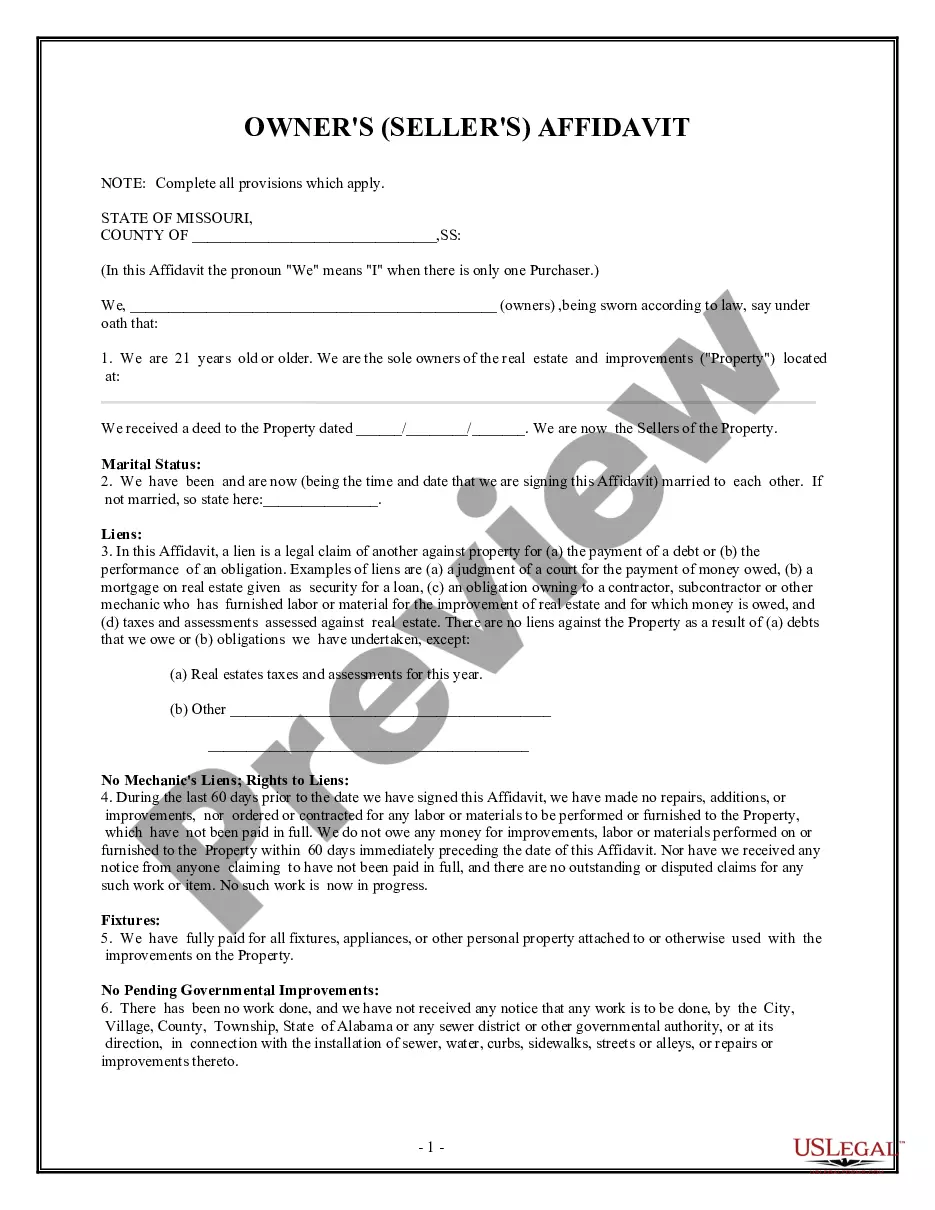
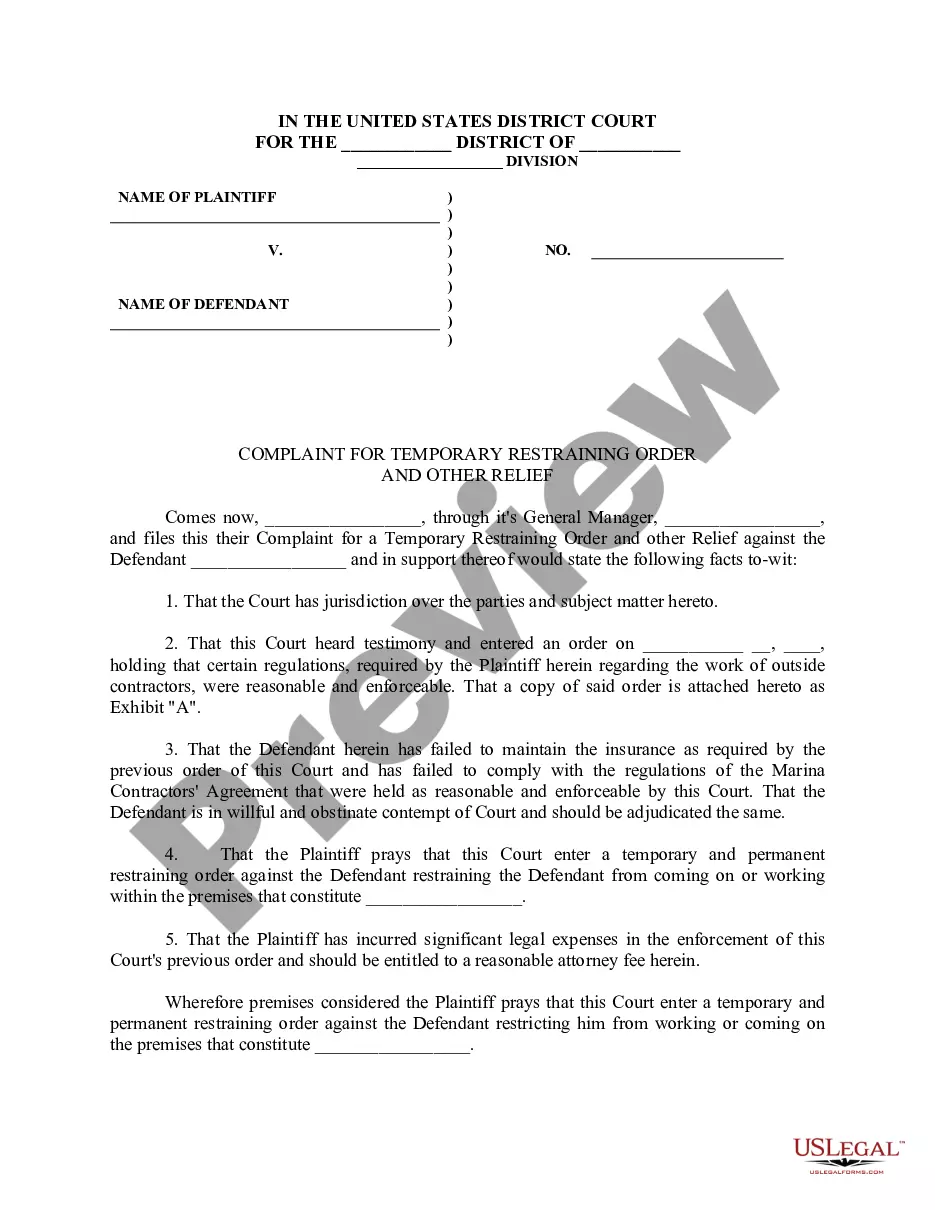
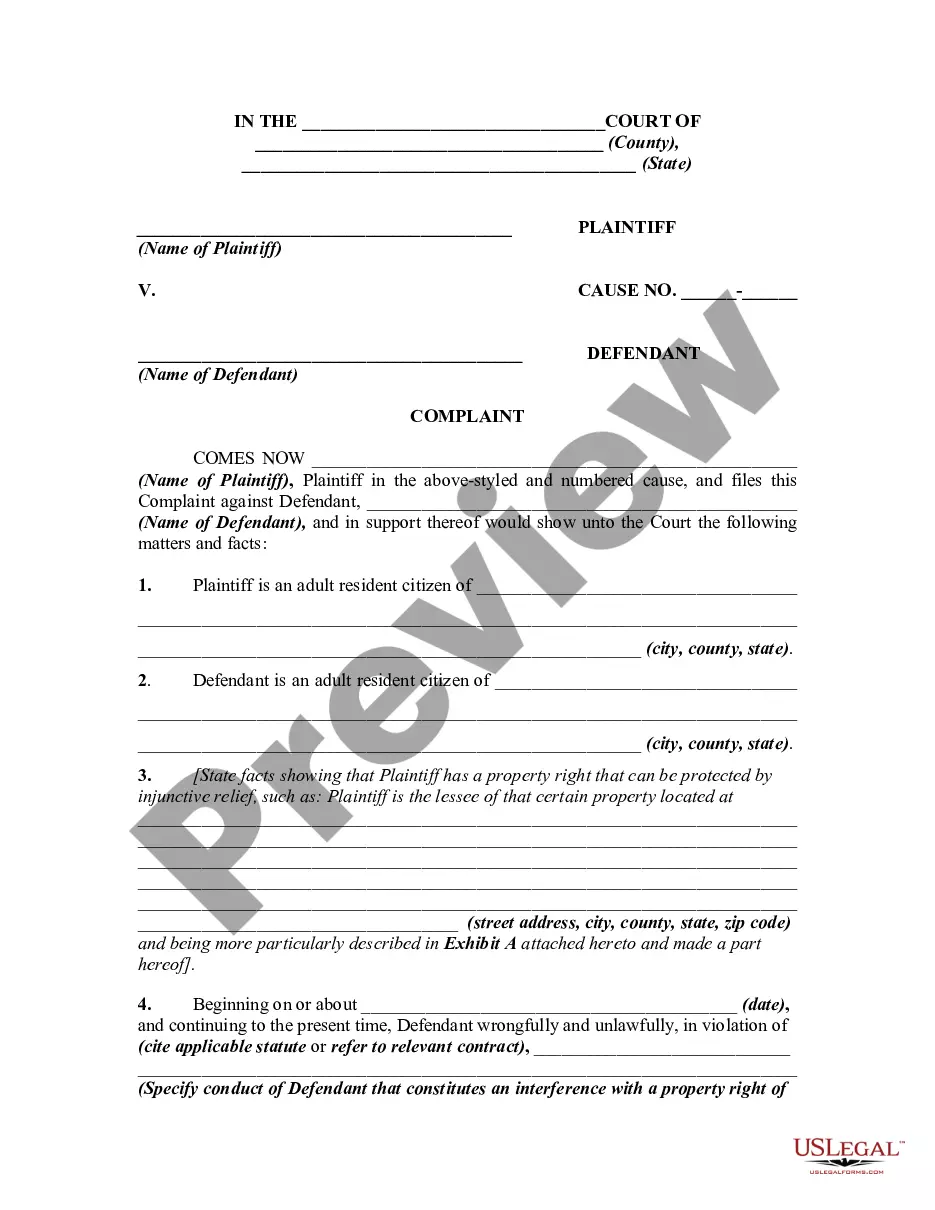
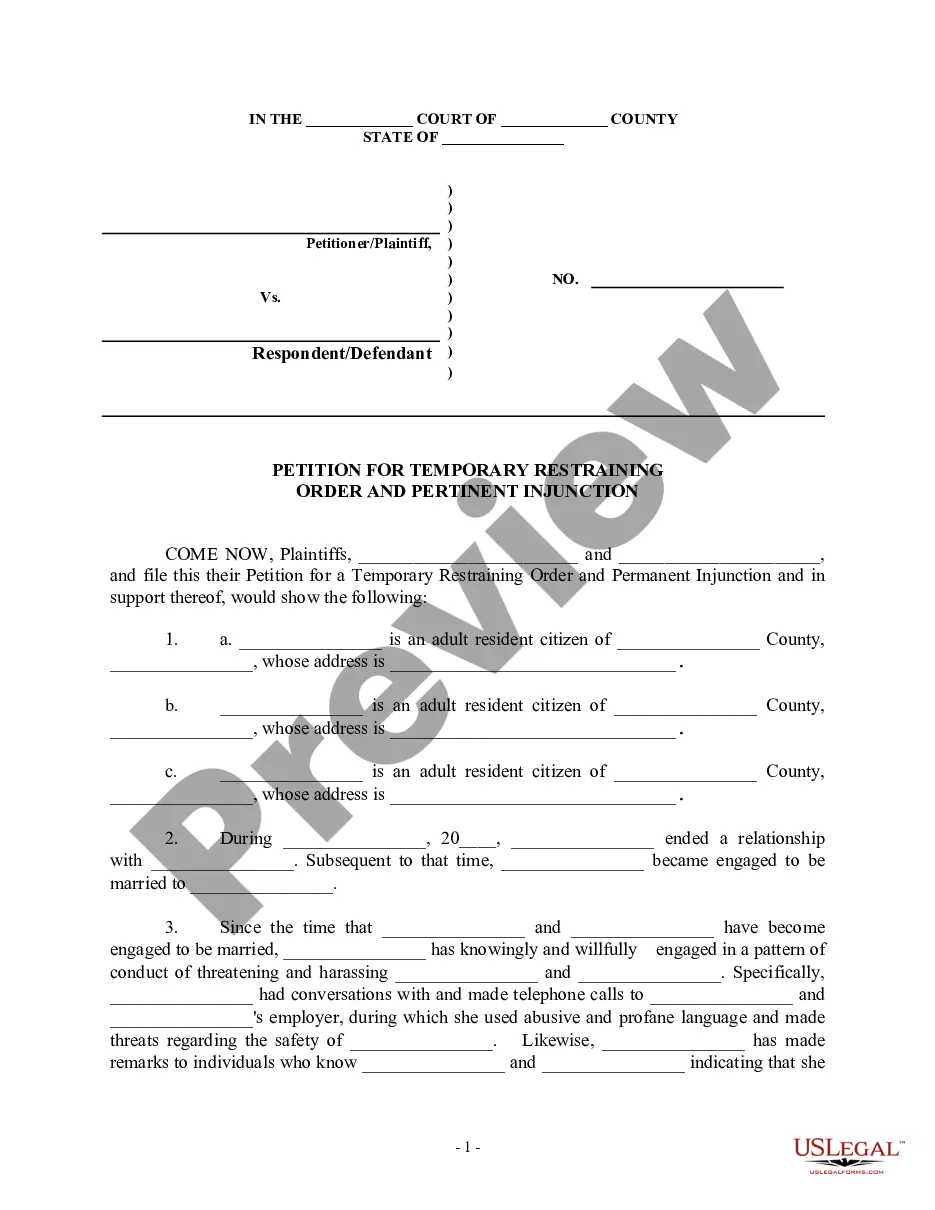
Sample Restraining Order Form For T Shirts In Nevada
Description



Get your form ready online
Our built-in tools help you complete, sign, share, and store your documents in one place.
Make edits, fill in missing information, and update formatting in US Legal Forms—just like you would in MS Word.
Download a copy, print it, send it by email, or mail it via USPS—whatever works best for your next step.
Sign and collect signatures with our SignNow integration. Send to multiple recipients, set reminders, and more. Go Premium to unlock E-Sign.
If this form requires notarization, complete it online through a secure video call—no need to meet a notary in person or wait for an appointment.
We protect your documents and personal data by following strict security and privacy standards.

Make edits, fill in missing information, and update formatting in US Legal Forms—just like you would in MS Word.

Download a copy, print it, send it by email, or mail it via USPS—whatever works best for your next step.

Sign and collect signatures with our SignNow integration. Send to multiple recipients, set reminders, and more. Go Premium to unlock E-Sign.

If this form requires notarization, complete it online through a secure video call—no need to meet a notary in person or wait for an appointment.

We protect your documents and personal data by following strict security and privacy standards.
Looking for another form?




Form popularity
FAQ
At the hearing, you must prove that the abuser has committed an act(s) of domestic violence (as defined by the law). You must also convince a judge that you need the protection and the specific things you asked for in the petition.
Temporary restraining orders may not show up on your record, but final restraining orders can be entered into a domestic violence database and may appear on a background check. If a restraining order is not violated and is allowed to expire, it may be eligible for expungement (deletion) from your record.
Domestic Violence Restraining Order (DVRO) A Domestic Violence Restraining Order is one of the most common types of restraining orders.
Step 1: File an application in court. Step 2: Fill out the petition. Step 3: A judge will consider your application. Step 4: Service of process. Step 5: The hearing for an extended order.
You must file your application in the justice court for the township where the stalking, aggravated stalking, or harassment took place. Stalking or harassment is committed "where the conduct occurred" or "where the person who was affected by the conduct was located at the time that the conduct occurred." (NRS 200.581.)
Using the facts of the incident only, keep your statement brief and to the point. Briefly describe the most recent incident of abuse and/or threats of abuse or other behaviors. Focus on the actual behavior. Do not include prior incidents, (that will be the next paragraph).