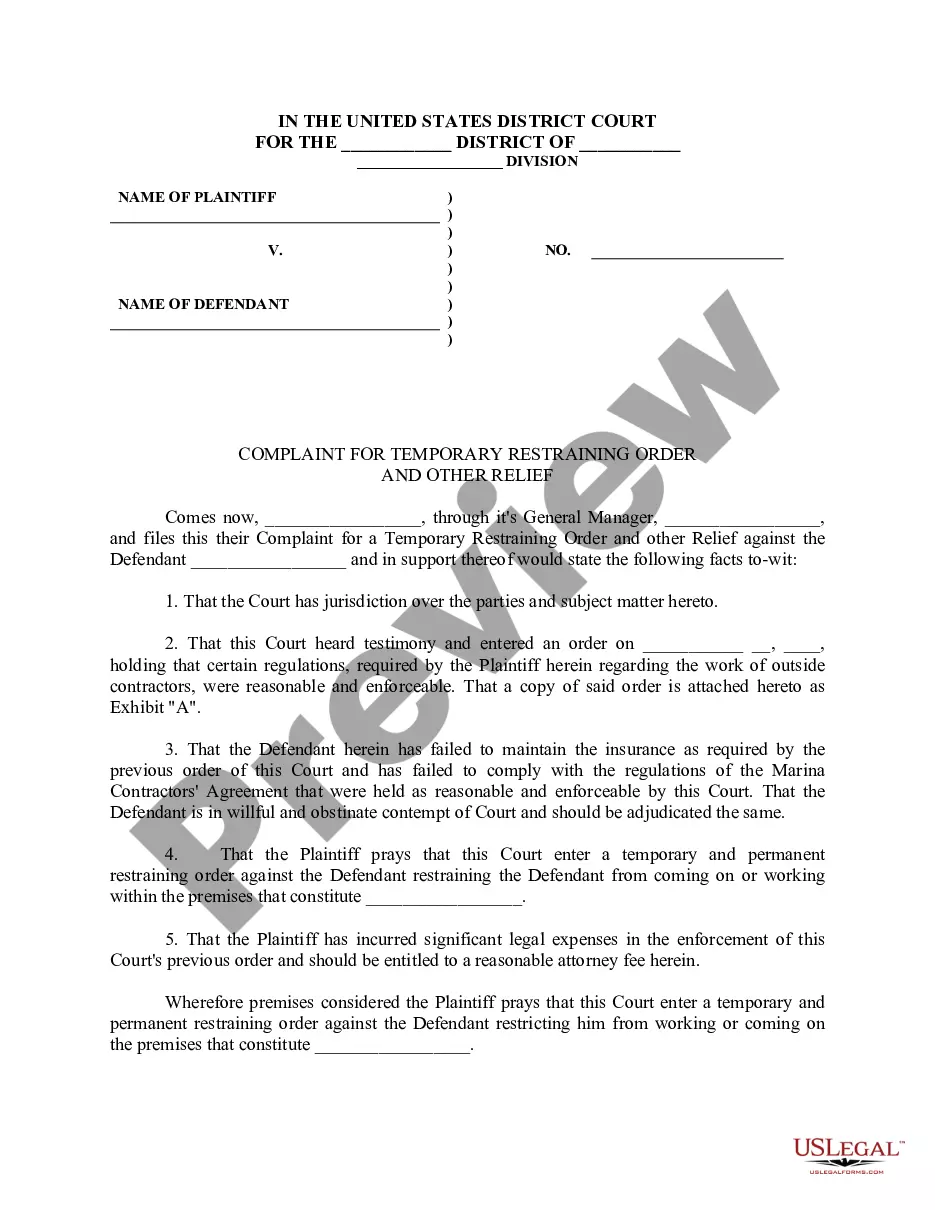
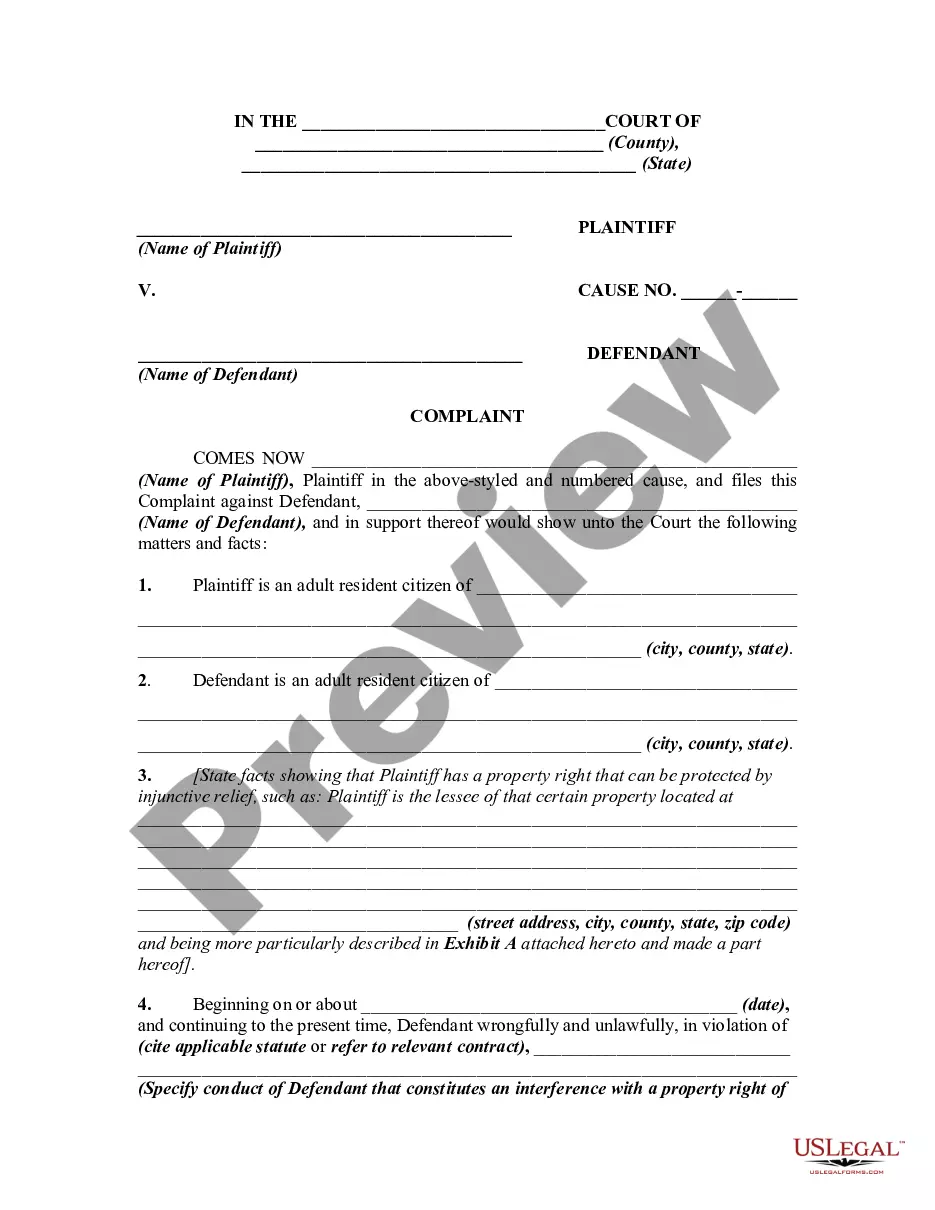
Sample Restraining Order Form With Envelope Attached In Kings
Description


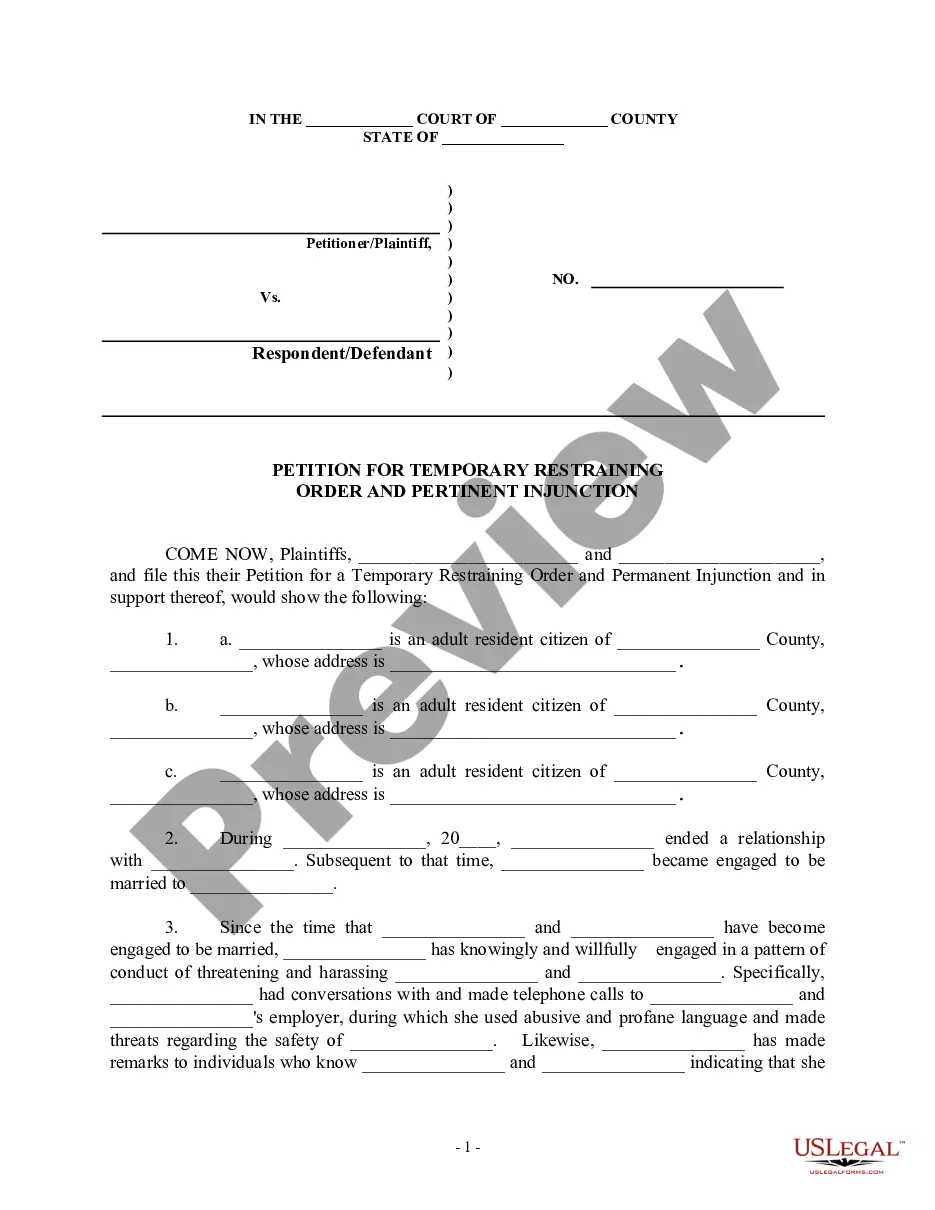

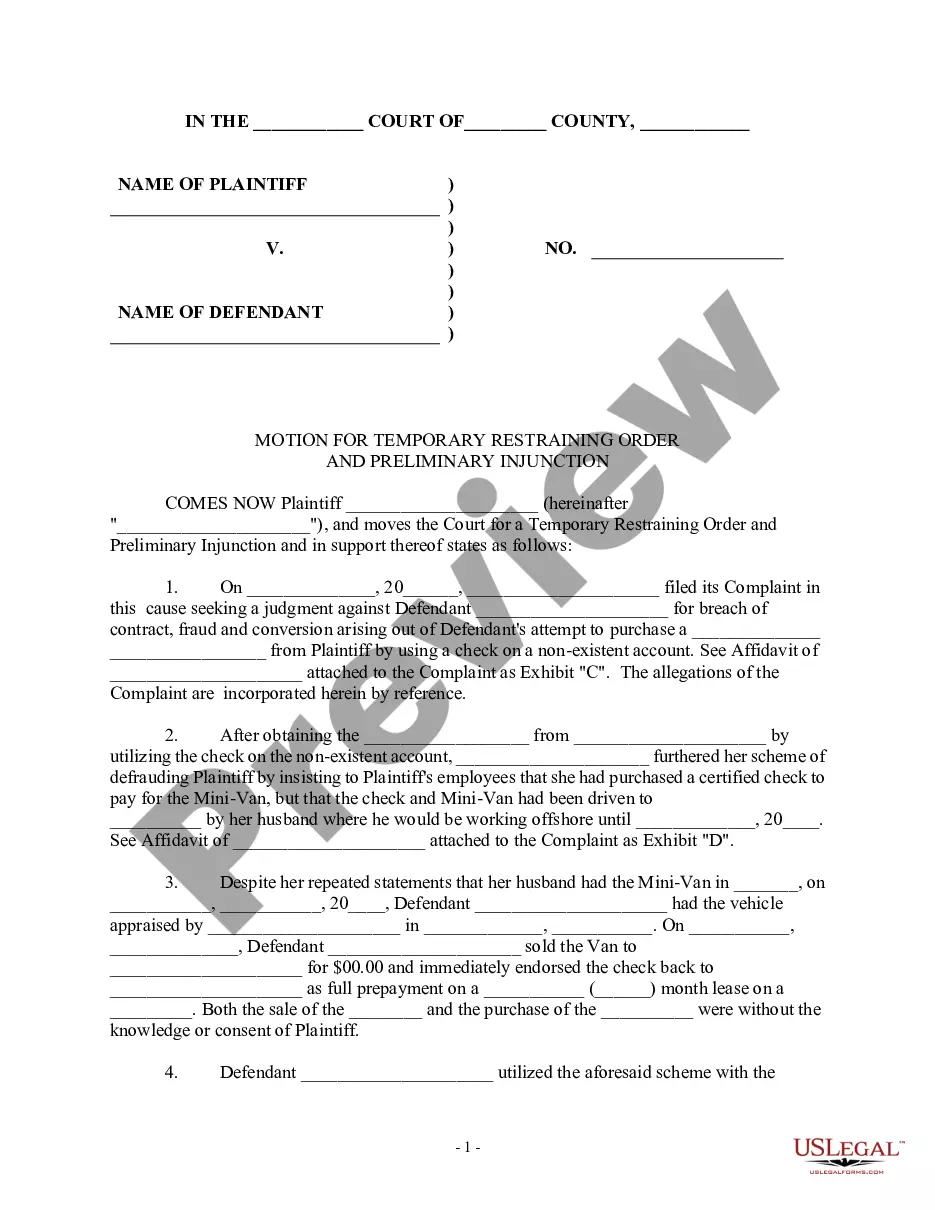
Get your form ready online
Our built-in tools help you complete, sign, share, and store your documents in one place.
Make edits, fill in missing information, and update formatting in US Legal Forms—just like you would in MS Word.
Download a copy, print it, send it by email, or mail it via USPS—whatever works best for your next step.
Sign and collect signatures with our SignNow integration. Send to multiple recipients, set reminders, and more. Go Premium to unlock E-Sign.
If this form requires notarization, complete it online through a secure video call—no need to meet a notary in person or wait for an appointment.
We protect your documents and personal data by following strict security and privacy standards.

Make edits, fill in missing information, and update formatting in US Legal Forms—just like you would in MS Word.

Download a copy, print it, send it by email, or mail it via USPS—whatever works best for your next step.

Sign and collect signatures with our SignNow integration. Send to multiple recipients, set reminders, and more. Go Premium to unlock E-Sign.

If this form requires notarization, complete it online through a secure video call—no need to meet a notary in person or wait for an appointment.

We protect your documents and personal data by following strict security and privacy standards.
Looking for another form?







Form popularity
FAQ
Examples: “I am asking the court to grant me a _____ month/year injunction.” “I want no contact in person, at home, by phone, at work, by mail or through third parties.” “I would consider any contact in the future to be a violation.” Tell the court why you would like the temporary restraining order injunction.
An order of protection can order someone not to injure, threaten or harass you, your family, or any other people listed in the order. For example, it can order someone to: have no contact with you, your family, household members, or your children, regardless of their age (see: Melanie's Law) move out of your home.
In other instances a temporary restraining order may last for 6 months, or until the case is resolved. A permanent order of protection is not actually permanent. The New York Family Court Act allows for permanent orders of protection for up to 2 years.
The applicant has the burden of proving by a preponderance of the evidence that they qualify and need a protective order and the respondent (the person whom you are seeking protection against) has the opportunity to be heard as to why the restraining order shouldn't enter.
A temporary order of protection is issued on the day you file for an order of protection before the respondent is served with the papers. It only lasts until the next time that you are in court. The court usually will extend the temporary order at each court date until the case is over.
New York Restraining Orders Disorderly conduct. Harassment (1st degree, 2nd degree) Aggravated harassment (2nd degree) Stalking (1st degree, 2nd degree, 3rd degree, 4th degree) Menacing (2nd degree, 3rd degree) Reckless endangerment (1st degree, 2nd degree) Assault (2nd degree, 3rd degree) Attempted assault.
Lack of Jurisdiction The respondent can argue that the court does not have jurisdiction to issue a restraining order. This defense can be raised, for instance, if the alleged incidents of domestic violence or harassment did not occur within the jurisdiction of the court.
You must be clear and detailed. At the same time, you need to stay on topic, because the judge does not have a lot of time to read the declaration. You should describe the abuse in detail:Describe all abuse, either toward you or another person you want protected.
Permanent protective order - These orders are issued after the court has gone through all the legal proceedings and reviewed all evidence. Permanent protective orders can be life-long standing orders that the accused person must obey.
If the judge decides that there was abuse and that there is also a credible threat to the plaintiff's safety, a final order of protection will be granted and will last for up to one year. The plaintiff will be directed to go to the clerks counter to wait for the order.