Sample Restraining Order Form For Medical Records In Franklin
Description


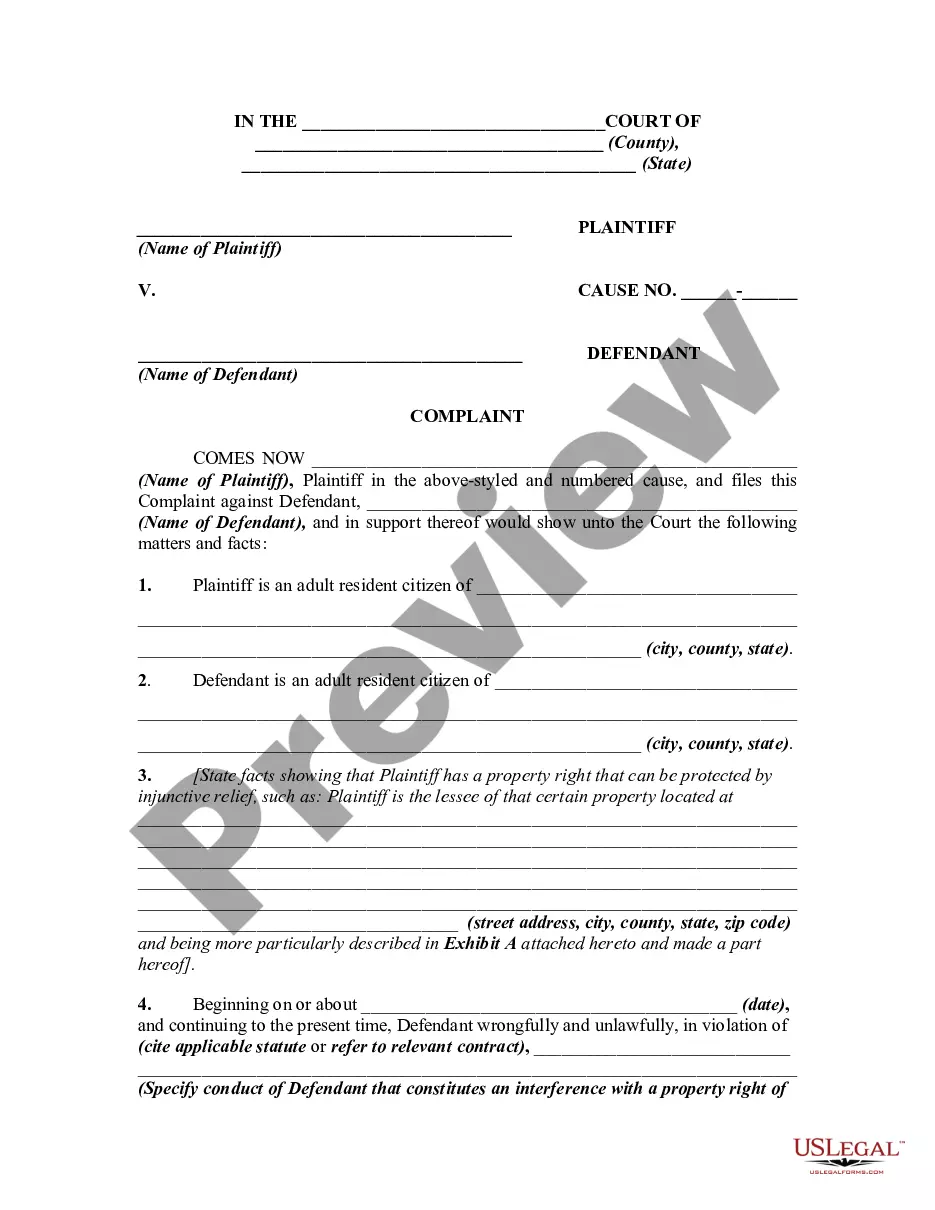
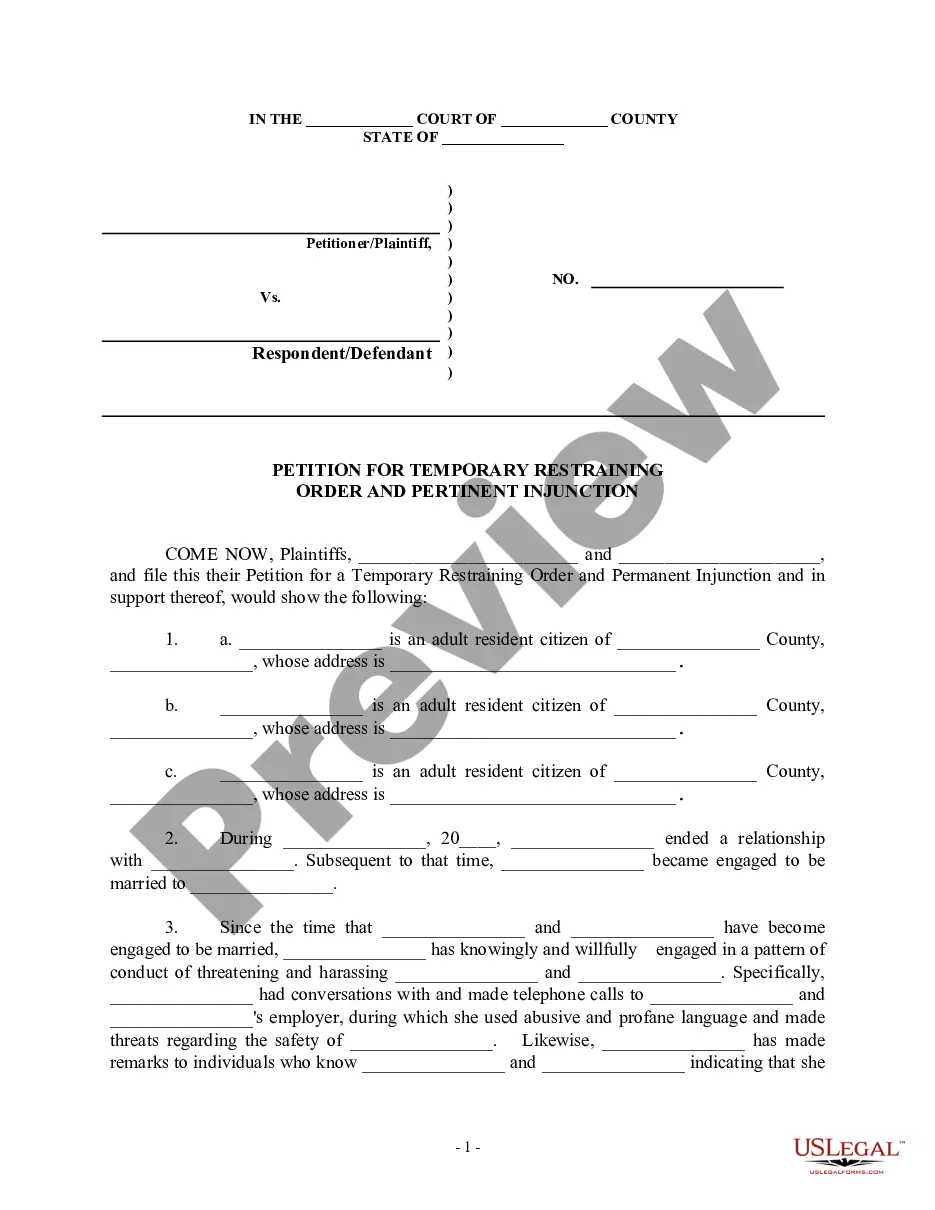

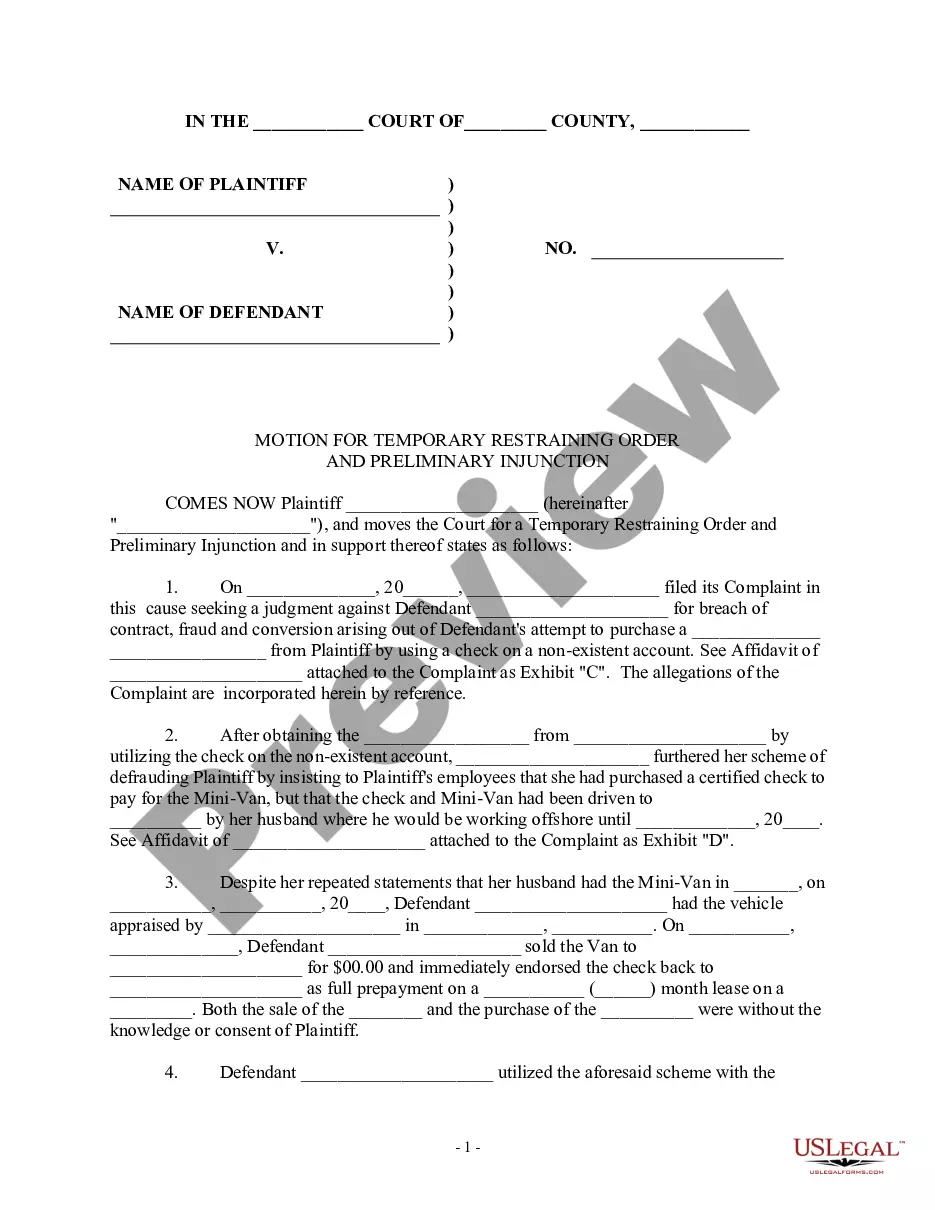
Get your form ready online
Our built-in tools help you complete, sign, share, and store your documents in one place.
Make edits, fill in missing information, and update formatting in US Legal Forms—just like you would in MS Word.
Download a copy, print it, send it by email, or mail it via USPS—whatever works best for your next step.
Sign and collect signatures with our SignNow integration. Send to multiple recipients, set reminders, and more. Go Premium to unlock E-Sign.
If this form requires notarization, complete it online through a secure video call—no need to meet a notary in person or wait for an appointment.
We protect your documents and personal data by following strict security and privacy standards.

Make edits, fill in missing information, and update formatting in US Legal Forms—just like you would in MS Word.

Download a copy, print it, send it by email, or mail it via USPS—whatever works best for your next step.

Sign and collect signatures with our SignNow integration. Send to multiple recipients, set reminders, and more. Go Premium to unlock E-Sign.

If this form requires notarization, complete it online through a secure video call—no need to meet a notary in person or wait for an appointment.

We protect your documents and personal data by following strict security and privacy standards.
Looking for another form?
Form popularity
FAQ
In New York, this type of substitute motion is called an "Order to Show Cause." An order to show cause can be heard anytime the court directs, even fewer than the usual eight days, and even as short as a few hours later, if the court is convinced there's a real emergency.
Legal Examples: A Show Cause Order is issued to a party who has allegedly violated a court order. The individual must appear in court to explain why they should not be held in contempt for failing to comply with the original order, such as not paying court-ordered child support.
In California, parents have the right to petition for an emergency custody hearing in family court under certain circumstances to protect their child from imminent harm.
In order to respond to a motion or an order to show cause, you must prepare answering papers. If you disagree with what is being asked for in the motion or order to show cause, you must prepare an affidavit in opposition (see Exhibit A).
A request for emergency relief pending the determination of an appeal or a motion for permission to appeal shall be brought on by order to show cause. The applicant shall contact the clerk's office in advance of the filing. The papers shall be filed as directed by the clerk's office.
A permanent order of protection is not really permanent. It typically is for one year, but sometimes expires after 5 years. If There Is an Order of Protection Against Me, Will I Have a Criminal Record? An order of protection alone will not cause you to have a criminal history.
An Order of Protection issued in Family Court will not show up on a criminal background check, since cases in Family Court are not criminal cases. However, an Order of Protection issued in connection with a criminal case is a public record, and can be discovered in a criminal background check.
In New York, this type of substitute motion is called an "Order to Show Cause." An order to show cause can be heard anytime the court directs, even fewer than the usual eight days, and even as short as a few hours later, if the court is convinced there's a real emergency.
These include vital records (birth and death certificates, marriage and divorce licenses), criminal records, court records, professional licenses (such as medical, law, and driver's licenses), tax and property records, reports on publicly-traded companies, and FOIA or FOIL-able documents related to the operations of ...