Deceptive Trade With Nevada In Massachusetts
Description

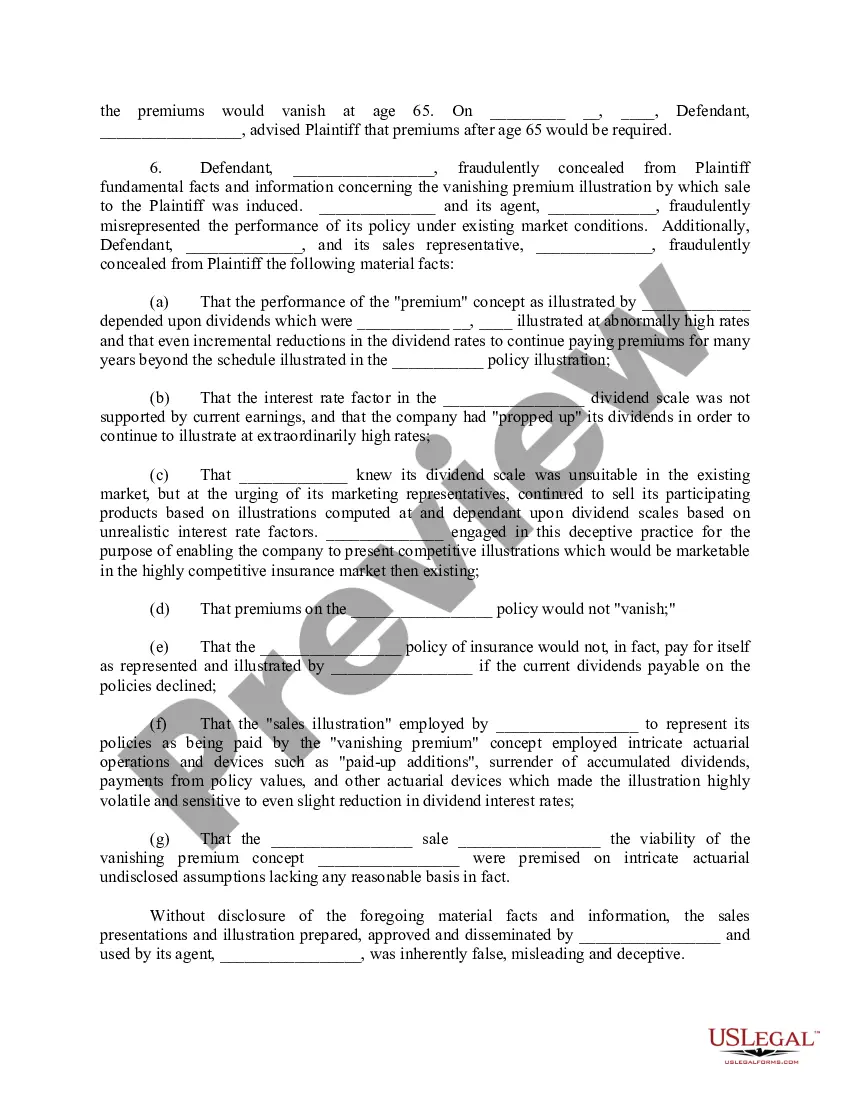
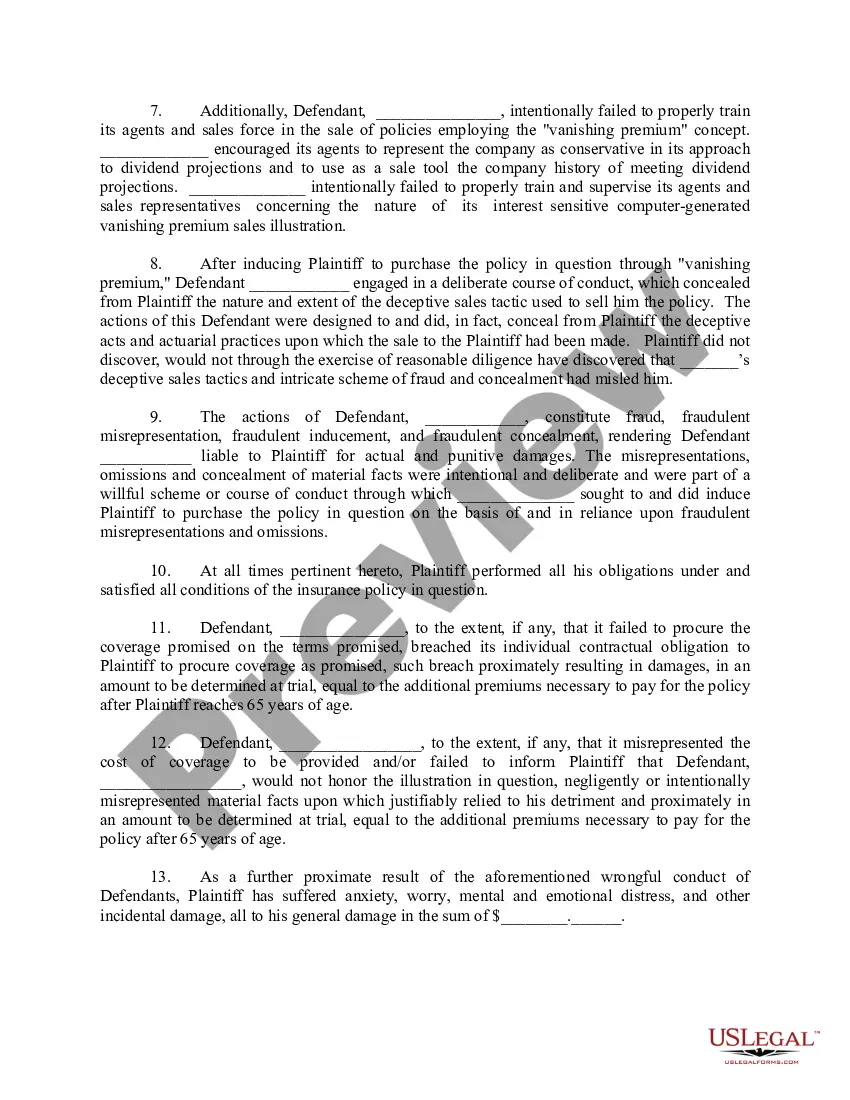
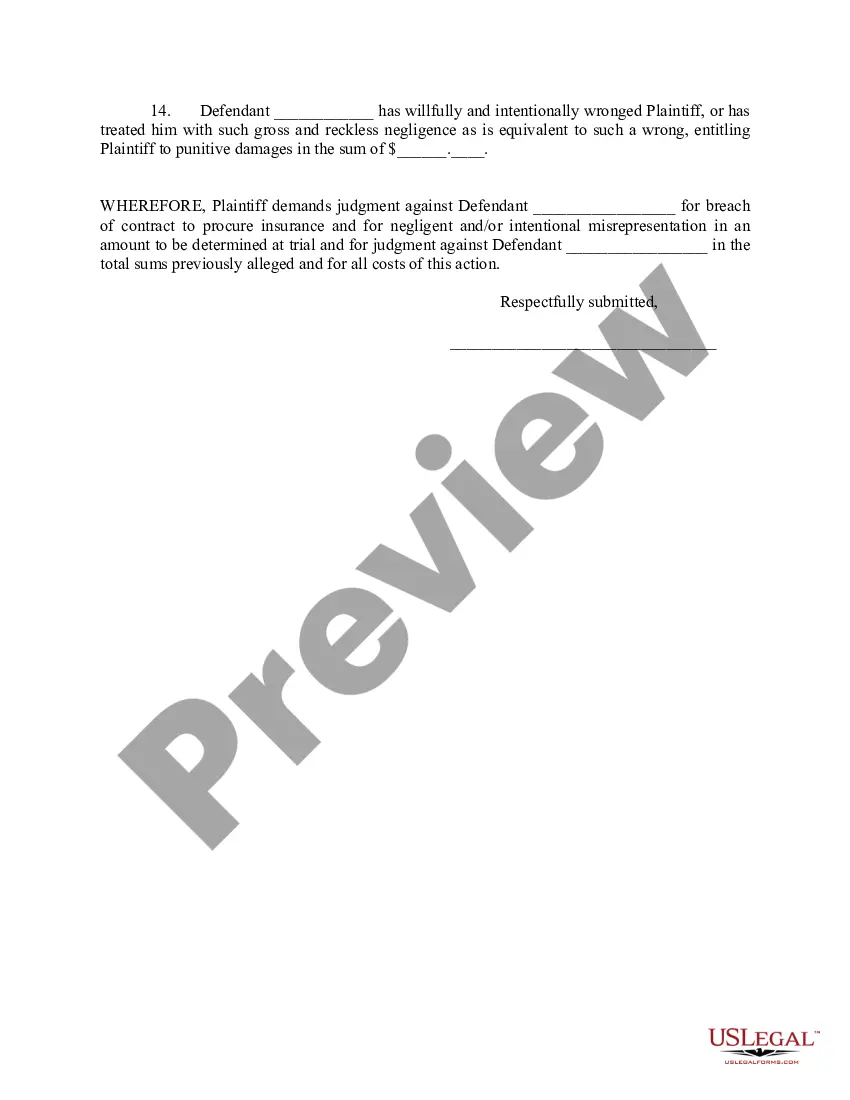



Get your form ready online
Our built-in tools help you complete, sign, share, and store your documents in one place.
Make edits, fill in missing information, and update formatting in US Legal Forms—just like you would in MS Word.
Download a copy, print it, send it by email, or mail it via USPS—whatever works best for your next step.
Sign and collect signatures with our SignNow integration. Send to multiple recipients, set reminders, and more. Go Premium to unlock E-Sign.
If this form requires notarization, complete it online through a secure video call—no need to meet a notary in person or wait for an appointment.
We protect your documents and personal data by following strict security and privacy standards.

Make edits, fill in missing information, and update formatting in US Legal Forms—just like you would in MS Word.

Download a copy, print it, send it by email, or mail it via USPS—whatever works best for your next step.

Sign and collect signatures with our SignNow integration. Send to multiple recipients, set reminders, and more. Go Premium to unlock E-Sign.

If this form requires notarization, complete it online through a secure video call—no need to meet a notary in person or wait for an appointment.

We protect your documents and personal data by following strict security and privacy standards.
Looking for another form?
Form popularity
FAQ
It is illegal in Nevada to disseminate or distribute false or misleading advertising under NRS 207.171. Being sued and/or convicted of false or misleading advertising have both civil and criminal consequences.
Nevada law requires that before you actually close on a property transfer, you give the potential buyer a lengthy disclosure statement listing defects in the property and other relevant information.
A person engages in a “deceptive trade practice” when in the course of his or her business or occupation he or she knowingly: (a) Conducts the business or occupation without all required state, county or city licenses. (b) Fails to disclose a material fact in connection with the sale or lease of goods or services.
An act or practice is unfair where it (1) causes or is likely to cause substantial injury to consumers, (2) cannot be reasonably avoided by consumers, and (3) is not outweighed by countervailing ben- efits to consumers or to competition.
Although a demand letter is not a required prerequisite to a lawsuit under California law, courts tend to have a more favorable view of parties that make good faith efforts to resolve disputes prior to formal legal action in court.
Massachusetts' civil statute of limitations laws set a three-year time limit for most cases. Examples include: Personal injury.
State law requires you to send the business a letter 30 days before filing a claim in court. The letter must outline your complaint, the harm you suffered, and how you want the problem resolved. This is called a 30 Day Demand Letter.
The demand letter must be sent at least thirty days before you file your lawsuit with the Chapter 93A claim. The demand letter must identify the person or entity making the claim of unfair or deceptive practices. The demand letter must reasonably describe the alleged unfair or deceptive practice.
An act or practice is unfair where it (1) causes or is likely to cause substantial injury to consumers, (2) cannot be reasonably avoided by consumers, and (3) is not outweighed by countervailing ben- efits to consumers or to competition.