Jury Discharged Without Verdict In Virginia
Description
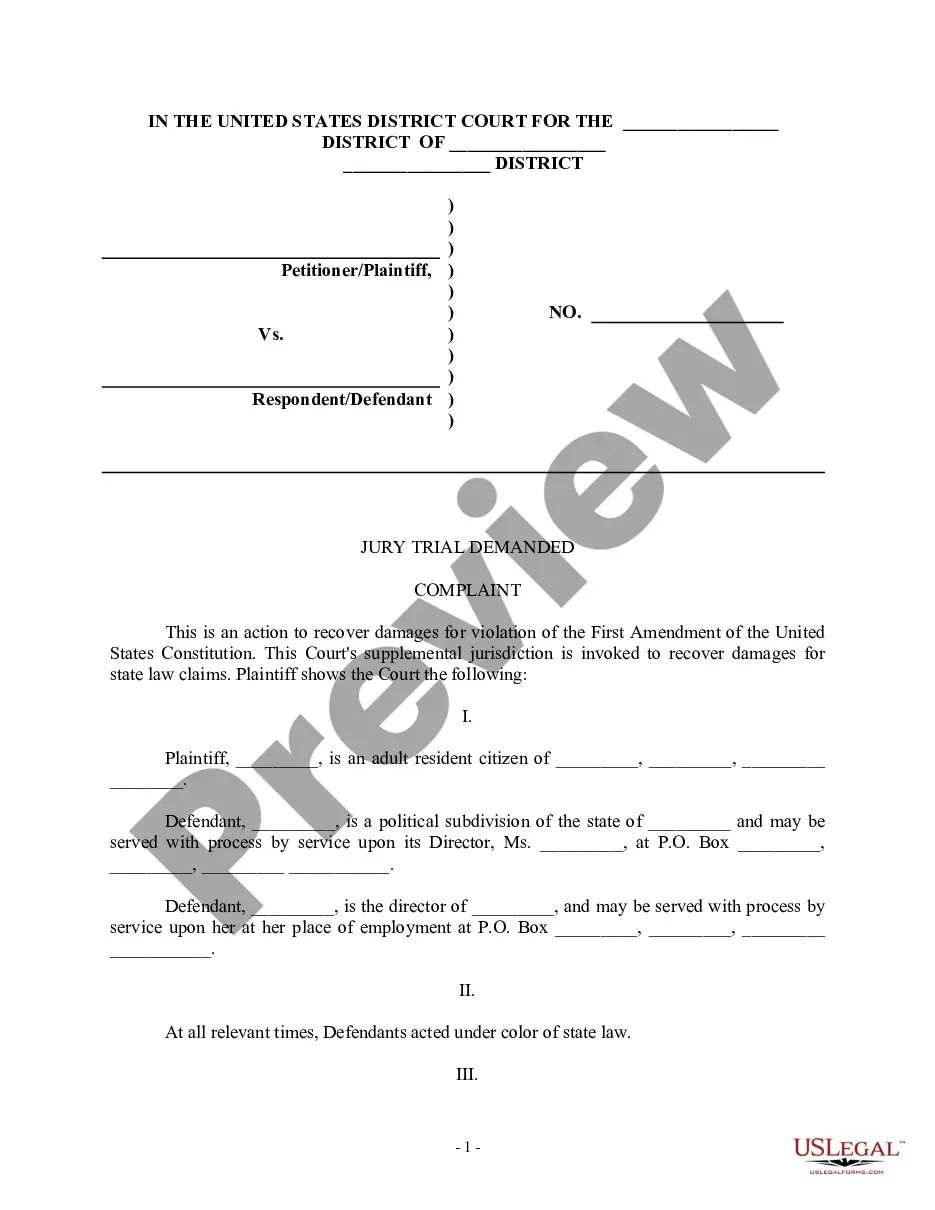
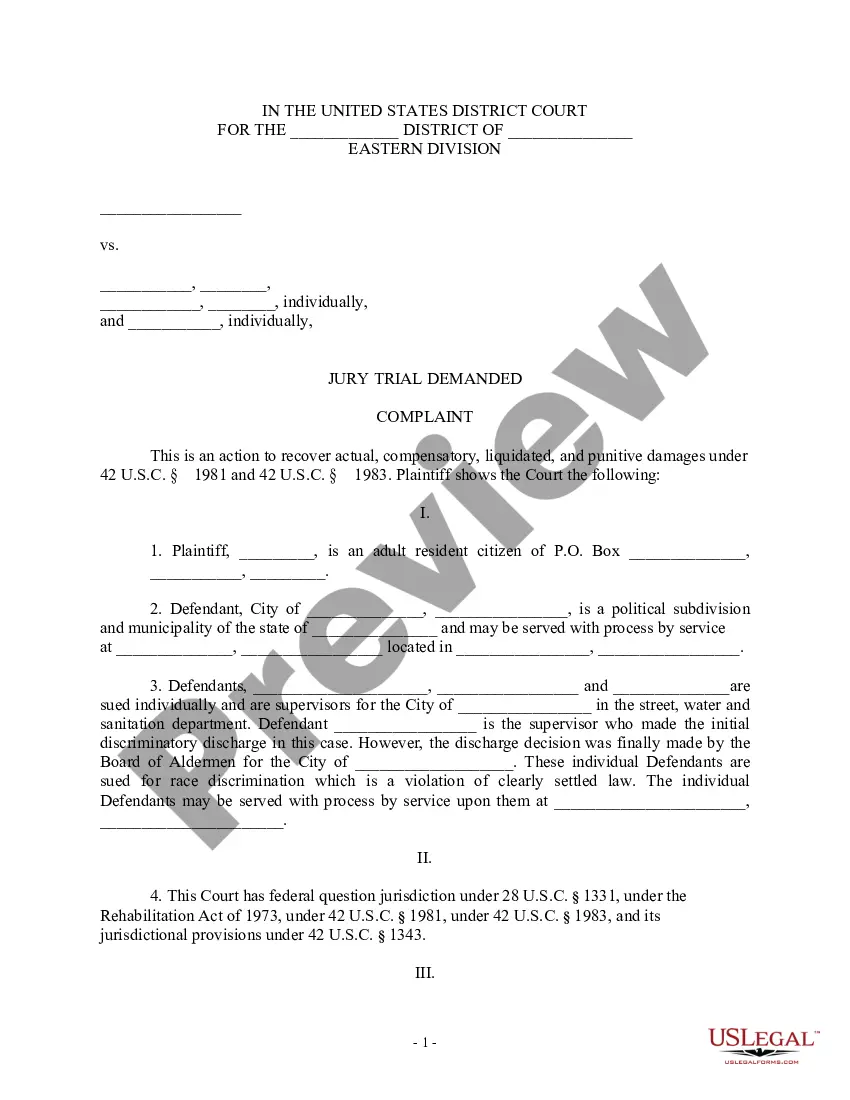
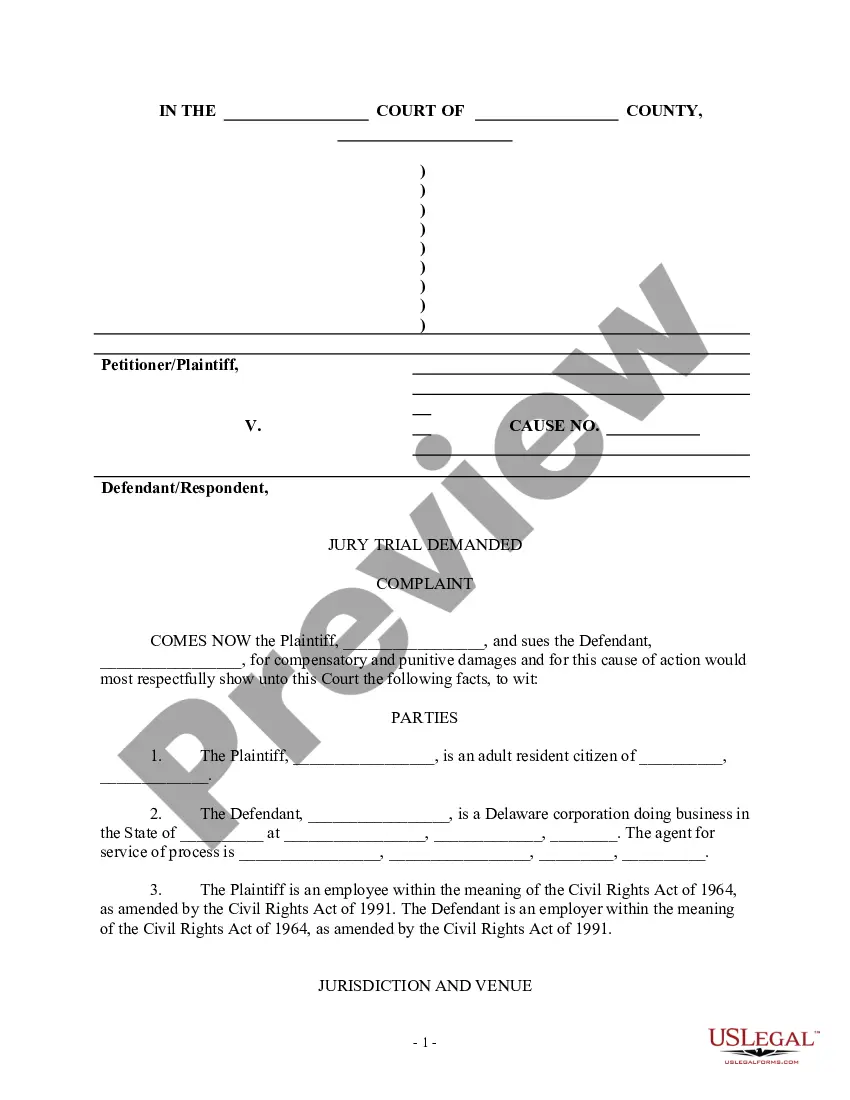
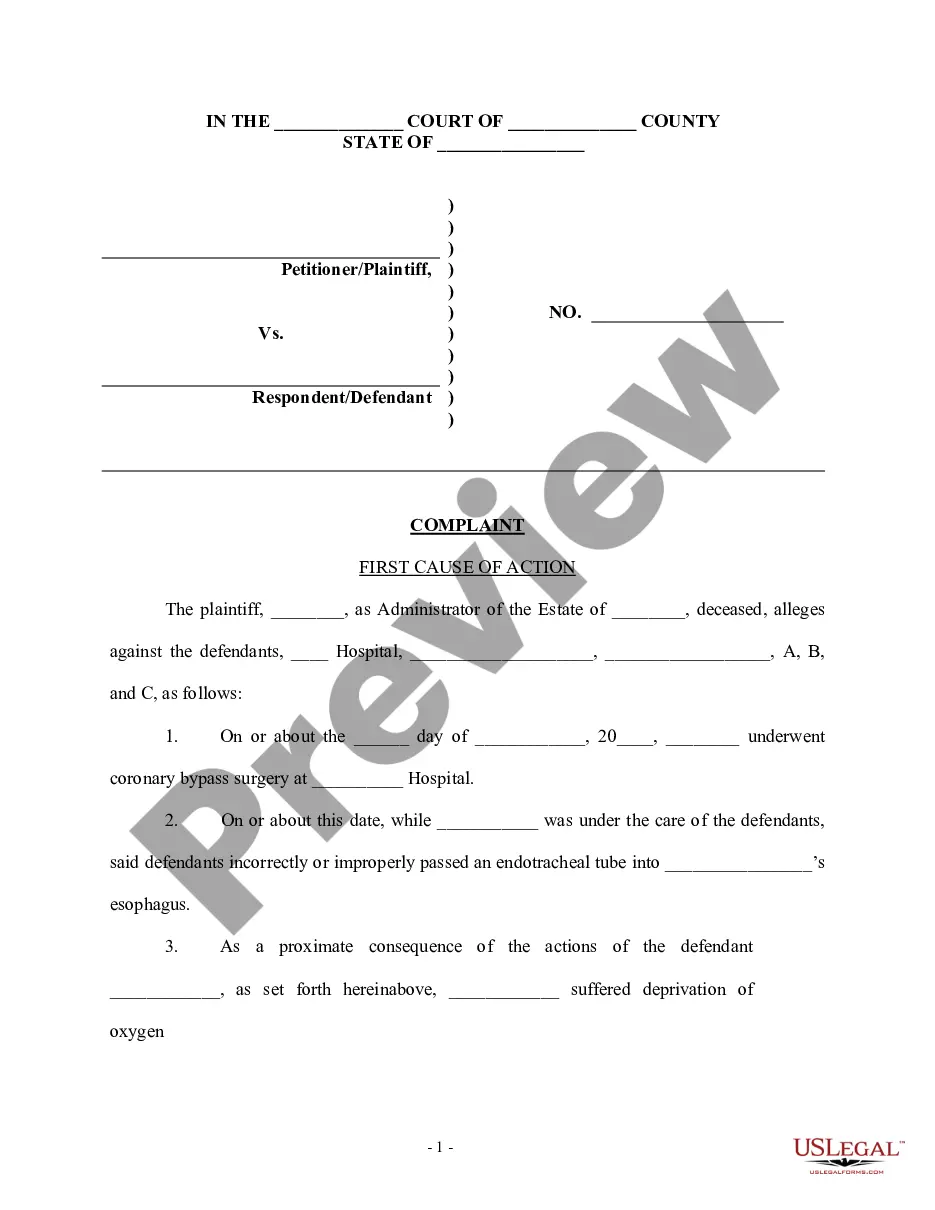
Get your form ready online
Our built-in tools help you complete, sign, share, and store your documents in one place.
Make edits, fill in missing information, and update formatting in US Legal Forms—just like you would in MS Word.
Download a copy, print it, send it by email, or mail it via USPS—whatever works best for your next step.
Sign and collect signatures with our SignNow integration. Send to multiple recipients, set reminders, and more. Go Premium to unlock E-Sign.
If this form requires notarization, complete it online through a secure video call—no need to meet a notary in person or wait for an appointment.
We protect your documents and personal data by following strict security and privacy standards.

Make edits, fill in missing information, and update formatting in US Legal Forms—just like you would in MS Word.

Download a copy, print it, send it by email, or mail it via USPS—whatever works best for your next step.

Sign and collect signatures with our SignNow integration. Send to multiple recipients, set reminders, and more. Go Premium to unlock E-Sign.

If this form requires notarization, complete it online through a secure video call—no need to meet a notary in person or wait for an appointment.

We protect your documents and personal data by following strict security and privacy standards.
Looking for another form?
Form popularity
FAQ
Essentially, with jury nullification, the jury returns a “not guilty” verdict even if jurors believe beyond a reasonable doubt that the defendant broke the law. This can occur because a not guilty verdict cannot be overturned and jurors are protected regardless of their verdicts.
Yes. Every juror must agree on the verdict. This is known as a unanimous verdict.
Far from being an unintended side-effect, jury nullification is explicitly authorized in the constitutions of 24 states. The constitutions of Maryland, Indiana, Oregon, and Georgia currently have provisions guaranteeing the right of jurors to “judge” or “determine” the law in “all criminal cases.”
A person who is necessarily and personally responsible for a person having a physical or mental impairment requiring continuous care by him during normal court hours. Any person over 70 years of age. Any person whose spouse is summoned to serve on the same jury panel.
High or inadequately low 135 for instance if a jury awards a significantly. Higher amount of damagesMoreHigh or inadequately low 135 for instance if a jury awards a significantly. Higher amount of damages. Than what the evidence supports. The judge can reduce or overturn the verdict.
For those who don't know the term: jury nullification is when a jury decides the accused is factually guilty, but still returns a "not guilty" verdict because they think the law is not fair, the punishment too harsh, or it shouldn't apply in the particular case.
Peremptory: Each side has a certain number of challenges that can be used to excuse a juror without giving a reason. The judge must excuse the juror in question if a peremptory challenge is issued. This does not mean that the juror is incompetent in any way.
It would likely result in an immediate mistrial. Judges hate spending days in trial, just to have their time wasted in having to re-do everything over again.
What are some of the best excuses people have used when they didn't want to show up for jury duty? You are not fluent in English. You are disabled, evidenced by a physician's attestation. You are hospitalized, again evidenced by a physician's attestation.
Among the more common reasons jury service is excused are: Your age. You are not a U.S. citizen. You have a medical condition that would impede your jury service. You recently served on a jury in state or federal court.