Jury Trial Demand Sample With No Experience In Pennsylvania
Description

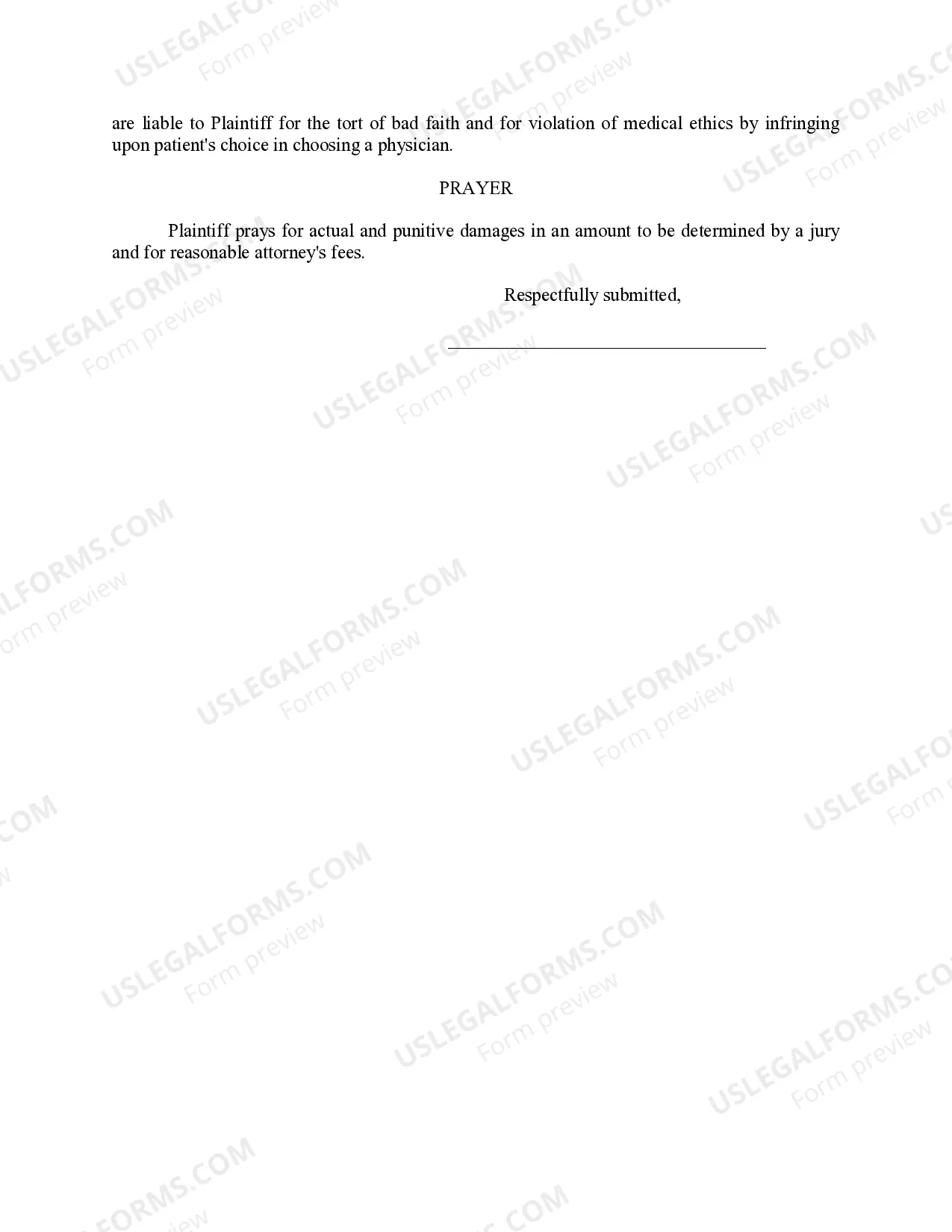




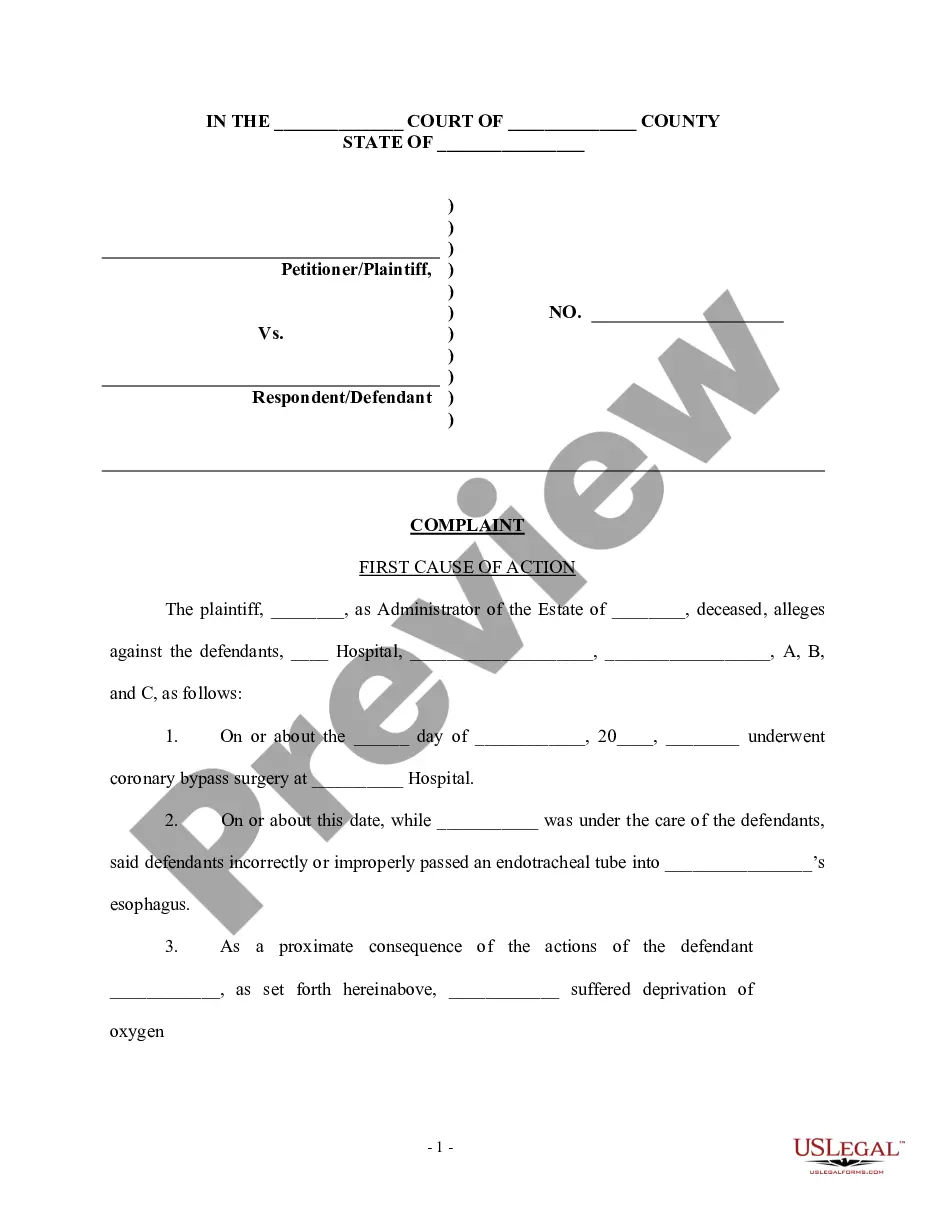
Get your form ready online
Our built-in tools help you complete, sign, share, and store your documents in one place.
Make edits, fill in missing information, and update formatting in US Legal Forms—just like you would in MS Word.
Download a copy, print it, send it by email, or mail it via USPS—whatever works best for your next step.
Sign and collect signatures with our SignNow integration. Send to multiple recipients, set reminders, and more. Go Premium to unlock E-Sign.
If this form requires notarization, complete it online through a secure video call—no need to meet a notary in person or wait for an appointment.
We protect your documents and personal data by following strict security and privacy standards.

Make edits, fill in missing information, and update formatting in US Legal Forms—just like you would in MS Word.

Download a copy, print it, send it by email, or mail it via USPS—whatever works best for your next step.

Sign and collect signatures with our SignNow integration. Send to multiple recipients, set reminders, and more. Go Premium to unlock E-Sign.

If this form requires notarization, complete it online through a secure video call—no need to meet a notary in person or wait for an appointment.

We protect your documents and personal data by following strict security and privacy standards.
Looking for another form?








Form popularity
FAQ
Bench trial - Trial without a jury in which a judge decides the facts. In a jury trial, the jury decides the facts. Defendants will occasionally waive the right to a jury trial and choose to have a bench trial.
Bench trial refers to the type of trial that does not involve a jury but is conducted by the judge alone, in which the judge both decides the facts of the case and applies the law.
This Standard Clause provides that all parties to the agreement have waived their right to a trial by jury if there is any dispute arising out of or relating to the agreement or the transaction.
See Duncan v. Louisiana, 391 U.S. 145 (1968). The Sixth Amendment guarantees the right to a jury trial for all “serious offenses.” There is no federal constitutional right to a jury trial for “petty” offenses. An offense is presumptively “petty” if it carries a maximum prison term of six months or less.
You must describe the reasons you believe you should be postponed or excused and provide as much information as possible, including supporting documentation. The request should be received by the jury department at least five (5) business days before your term of service begins.
Rule 1007.1. (a) Demand. In any action in which the right to jury trial exists, that right shall be deemed waived unless a party files and serves a written demand for a jury trial not later than twenty days after service of the last permissible pleading.
Any party may demand a trial by jury of any issue triable of right by a jury by (1) serving upon the other parties a demand therefor in writing at any time after the commencement of the action and not later than 10 days after the service of the last pleading directed to such issue, and (2) filing the demand as required ...
Bench trials are held each day of the week and all cases set on the bench trial docket may be heard the day they are set. The States Attorney Office cannot advise persons on which type of trial they should choose. Clearly, however, a bench trial can be set and heard more quickly than a jury trial. 12.
Failure to complete the questionnaire may result in court action/fines.
Don't talk about the case, or issues raised by the case with anyone, including other jurors, while the trial is going on, and don't let others talk about the case in your presence, even family members. If someone insists on talking to you or another juror about the case, please report the matter to a court employee.