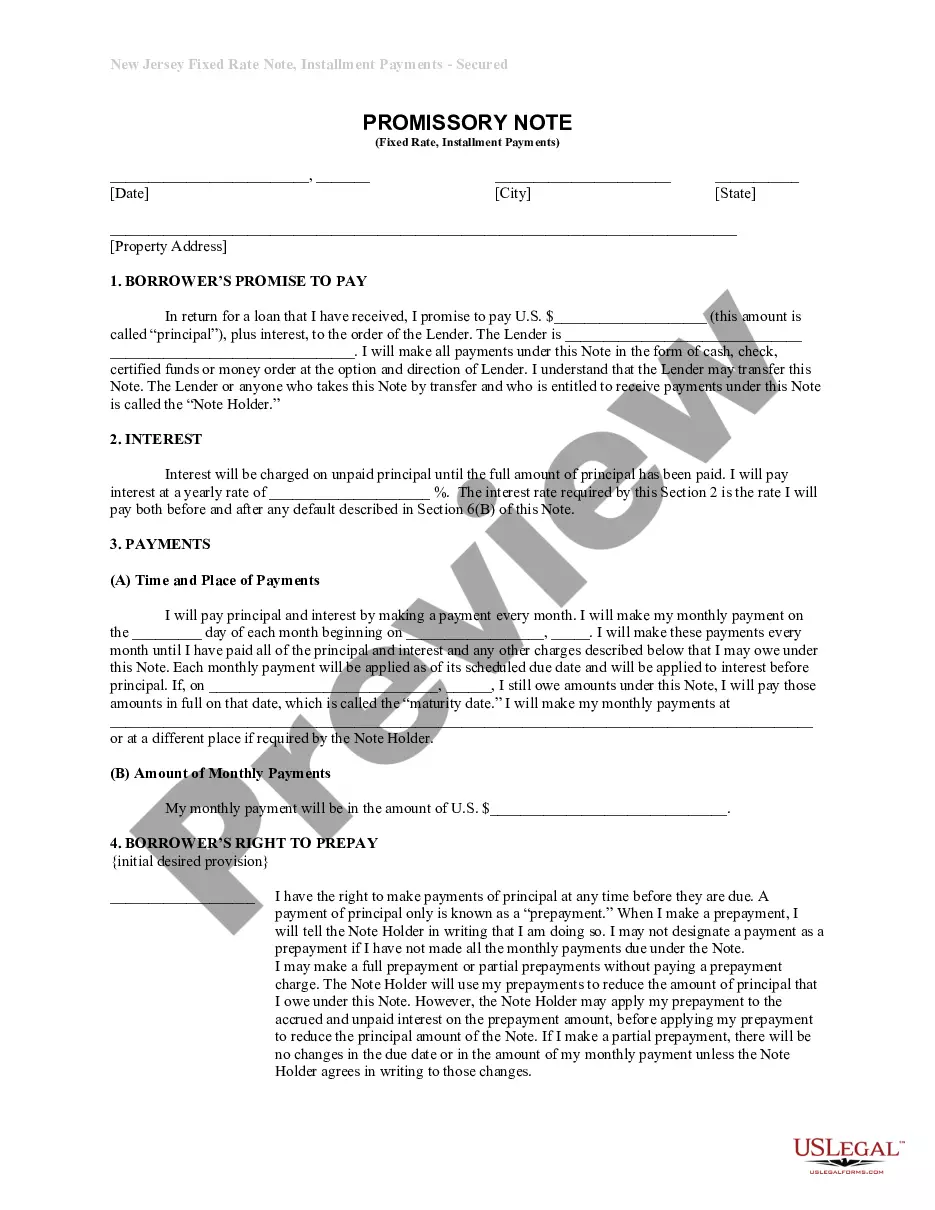
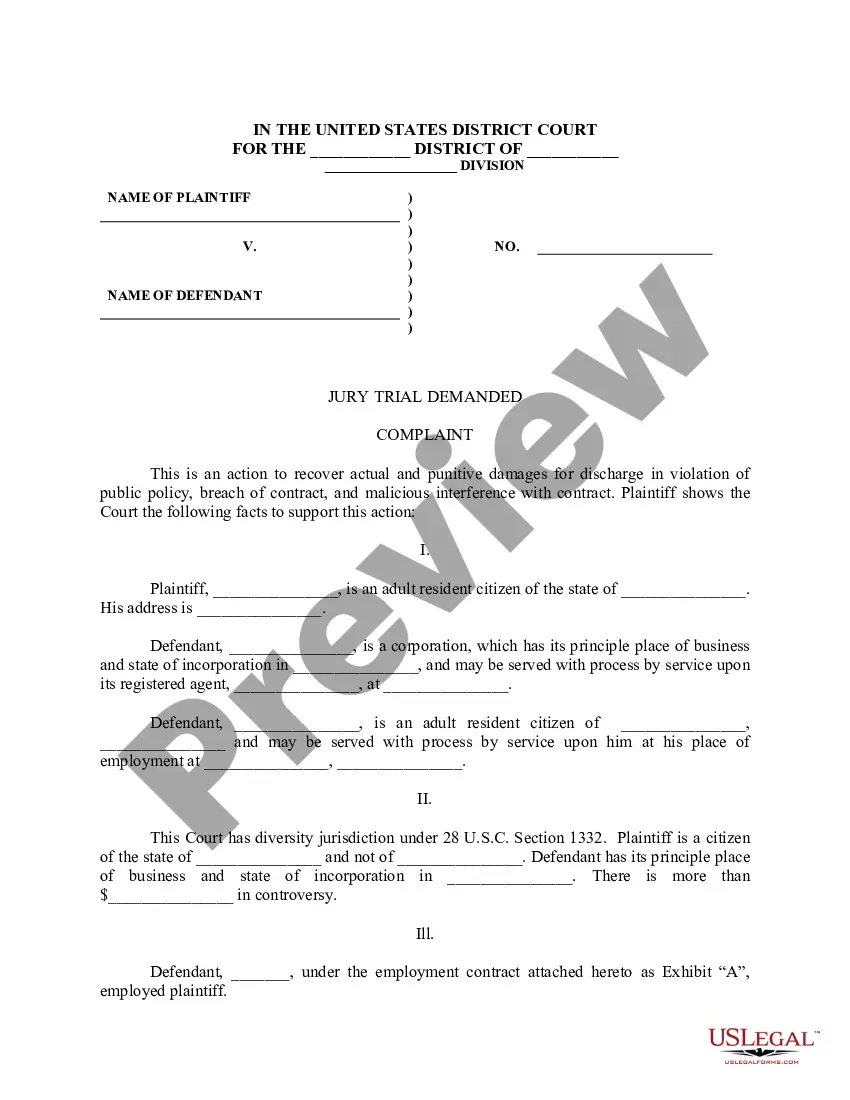
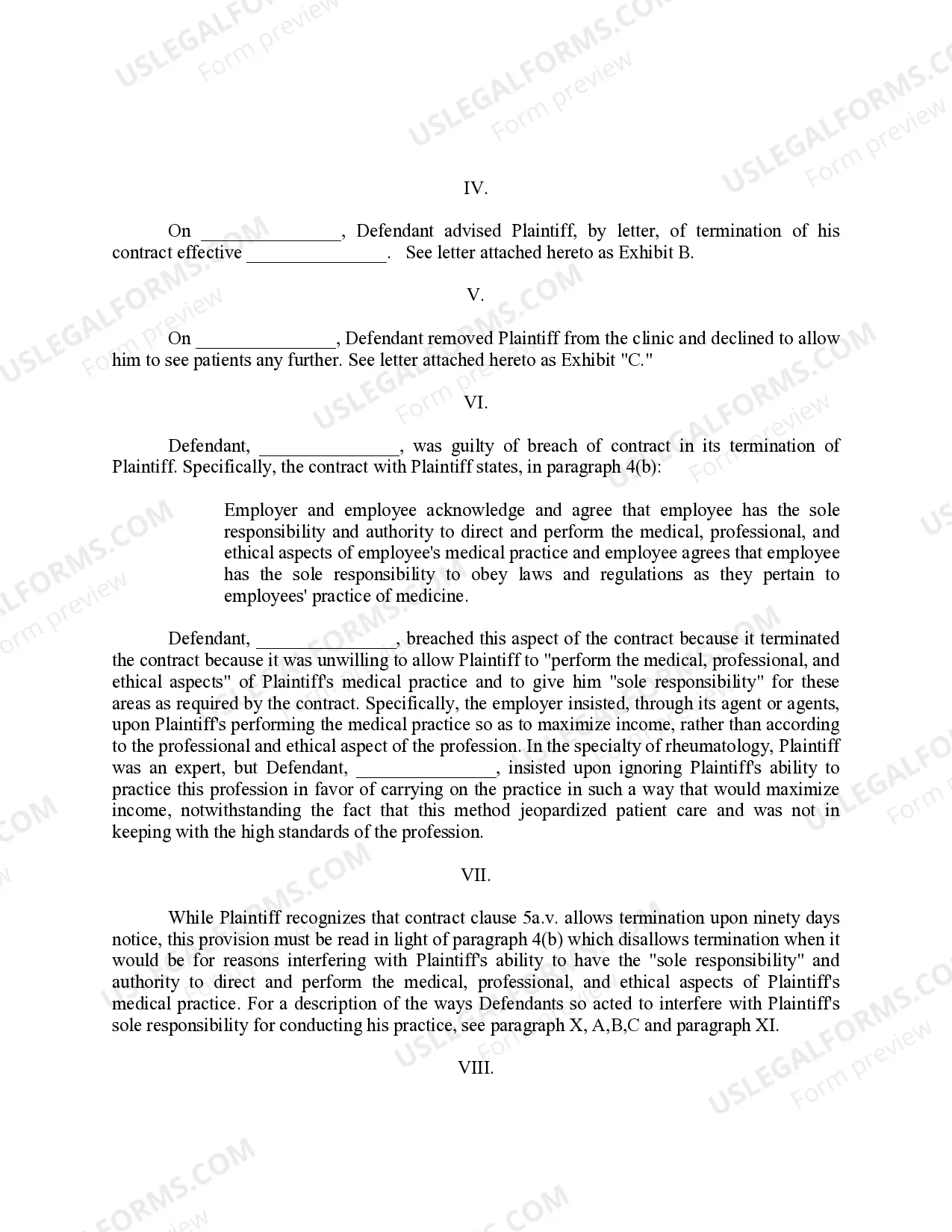
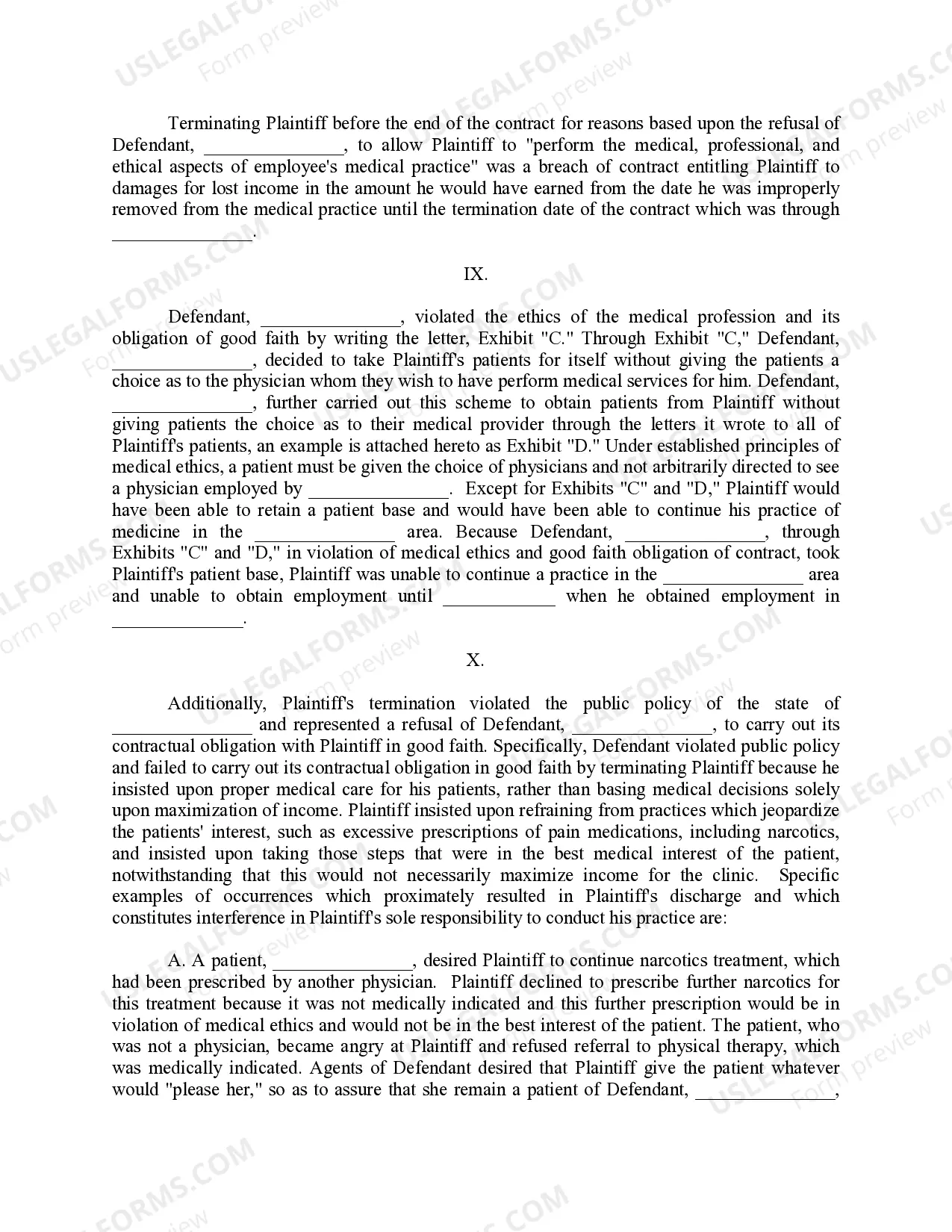
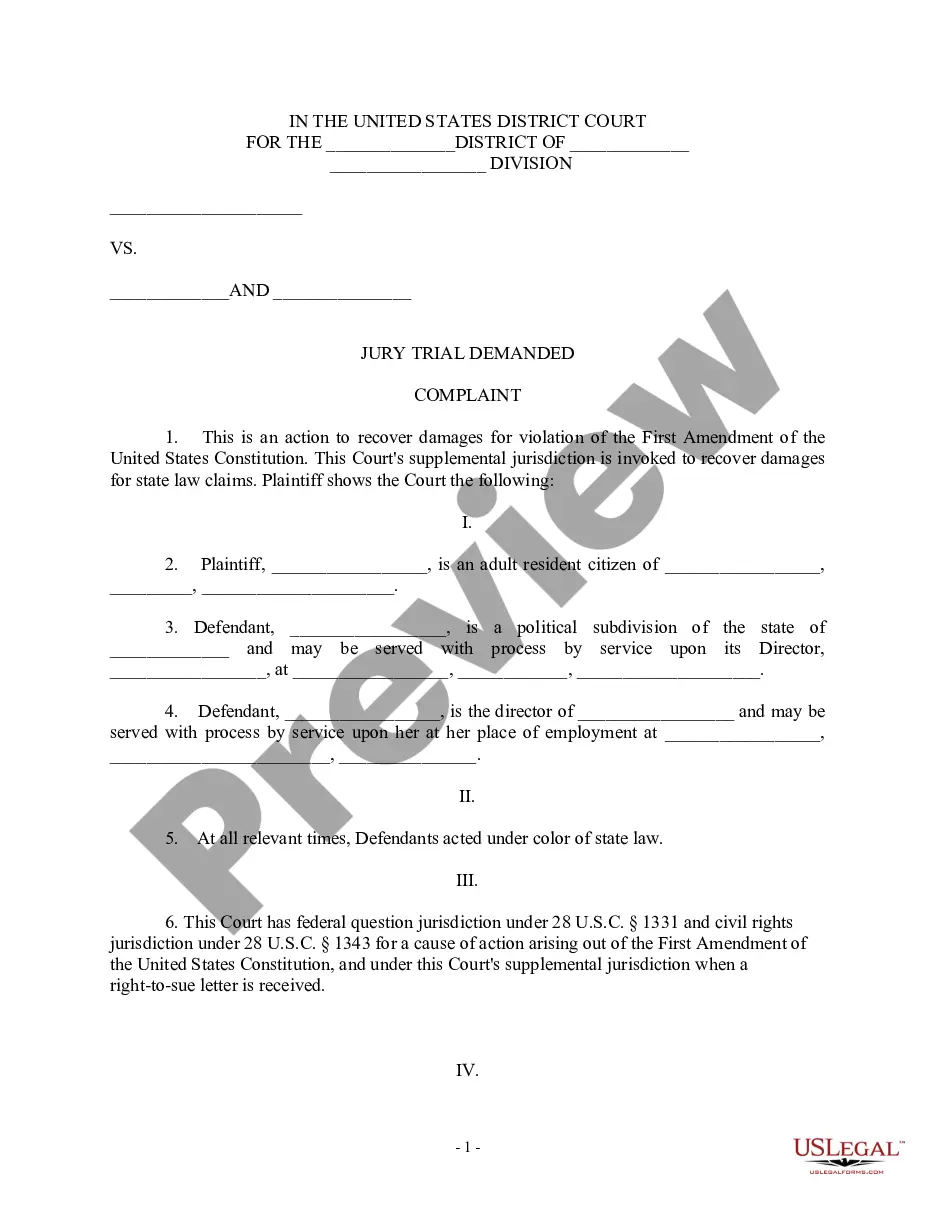
Jury Trial Form With Motion To Dismiss In Georgia
Description
Get your form ready online
Our built-in tools help you complete, sign, share, and store your documents in one place.
Make edits, fill in missing information, and update formatting in US Legal Forms—just like you would in MS Word.
Download a copy, print it, send it by email, or mail it via USPS—whatever works best for your next step.
Sign and collect signatures with our SignNow integration. Send to multiple recipients, set reminders, and more. Go Premium to unlock E-Sign.
If this form requires notarization, complete it online through a secure video call—no need to meet a notary in person or wait for an appointment.
We protect your documents and personal data by following strict security and privacy standards.

Make edits, fill in missing information, and update formatting in US Legal Forms—just like you would in MS Word.

Download a copy, print it, send it by email, or mail it via USPS—whatever works best for your next step.

Sign and collect signatures with our SignNow integration. Send to multiple recipients, set reminders, and more. Go Premium to unlock E-Sign.

If this form requires notarization, complete it online through a secure video call—no need to meet a notary in person or wait for an appointment.

We protect your documents and personal data by following strict security and privacy standards.
Looking for another form?

Form popularity
FAQ
A motion to dismiss is a motion filed on behalf of a defendant asking the court to dismiss the plaintiff's case. Alternatively, the motion could seek dismissal of one or more causes of action alleged in the complaint.
A defendant may choose to submit a motion to dismiss for one of two reasons: 1) to allege a lack of jurisdiction over the defendant; or 2) to show that the plaintiff's claim is without legal or factual merit.
A motion to dismiss is a formal request by a party to the court to dismiss a case. This pretrial motion is often filed before a criminal or civil case begins. Often, the defendant files this type of motion shortly after receiving the complaint and before engaging in further legal proceedings.
Georgia State Court — a motion to dismiss filed at or before the time of filing an answer will result in a stay of discovery for 90 days or until the court rules on the motion.
To defend against a motion to dismiss for lack of personal jurisdiction, you should be prepared to show the judge that the other party has had “contact” with the state where you have filed the case, s/he was served in the state, or there is some other reason why the court has jurisdiction.
Defendants may move to dismiss on the following grounds: Lack of subject matter jurisdiction (FRCP 12(b)(1)Opens in a new window). Lack of personal jurisdiction (FRCP 12(b)(2)Opens in a new window). Improper venue (FRCP 12(b)(3)Opens in a new window).
A Motion to Dismiss is a formal document that would be filed in an court of law, usually soon after a case is brought to court. A Motion to Dismiss is essentially a request to have a case removed from court, or thrown out.
You must also obtain court approval to properly dismiss less than all parties. This applies whether you dismiss with prejudice or seek a voluntary dismissal without prejudice. If all parties consent, a straightforward motion to dismiss example with a proposed order usually suffices.
O.C.G.A. § 9-11-41 states that an “action may be dismissed by the plaintiff, without order or permission of court… by filing a written notice of dismissal at any time before the first witness is sworn.” However, filing a “second notice of dismissal operates as an adjudication upon the merits.”