Jury Trial For Equitable Relief In Orange
Description

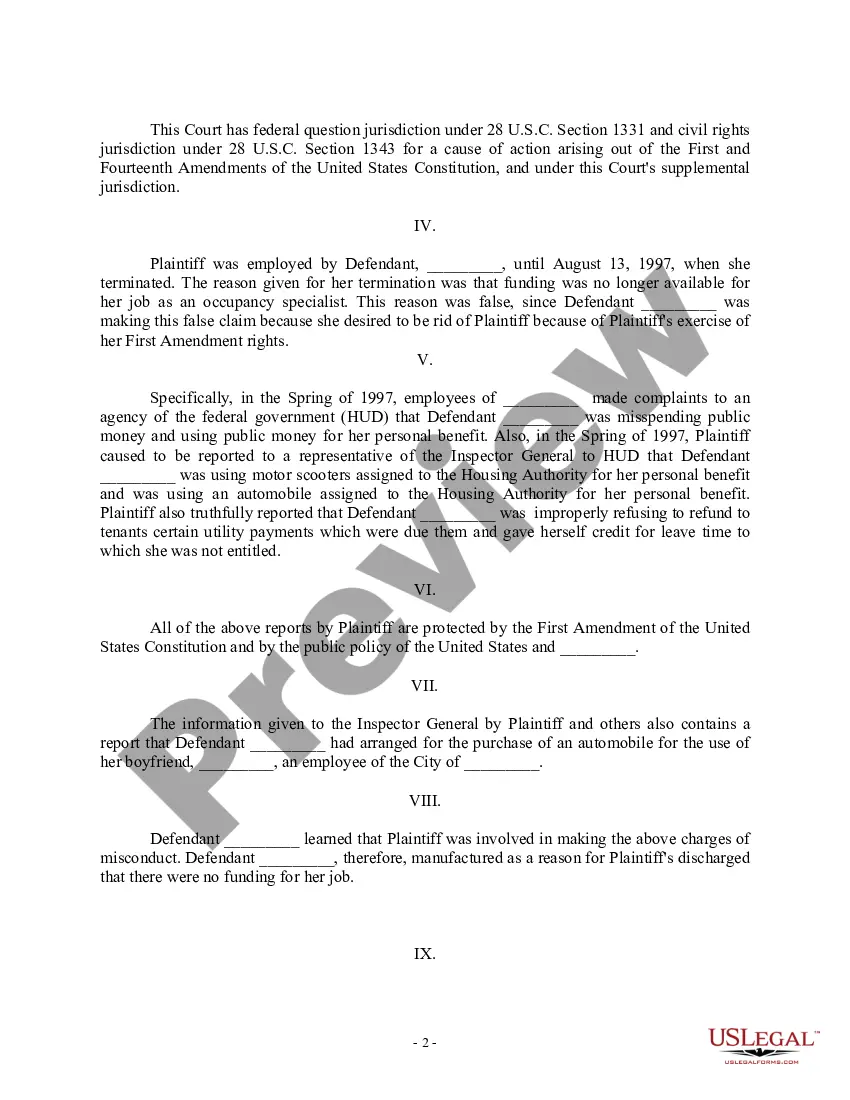
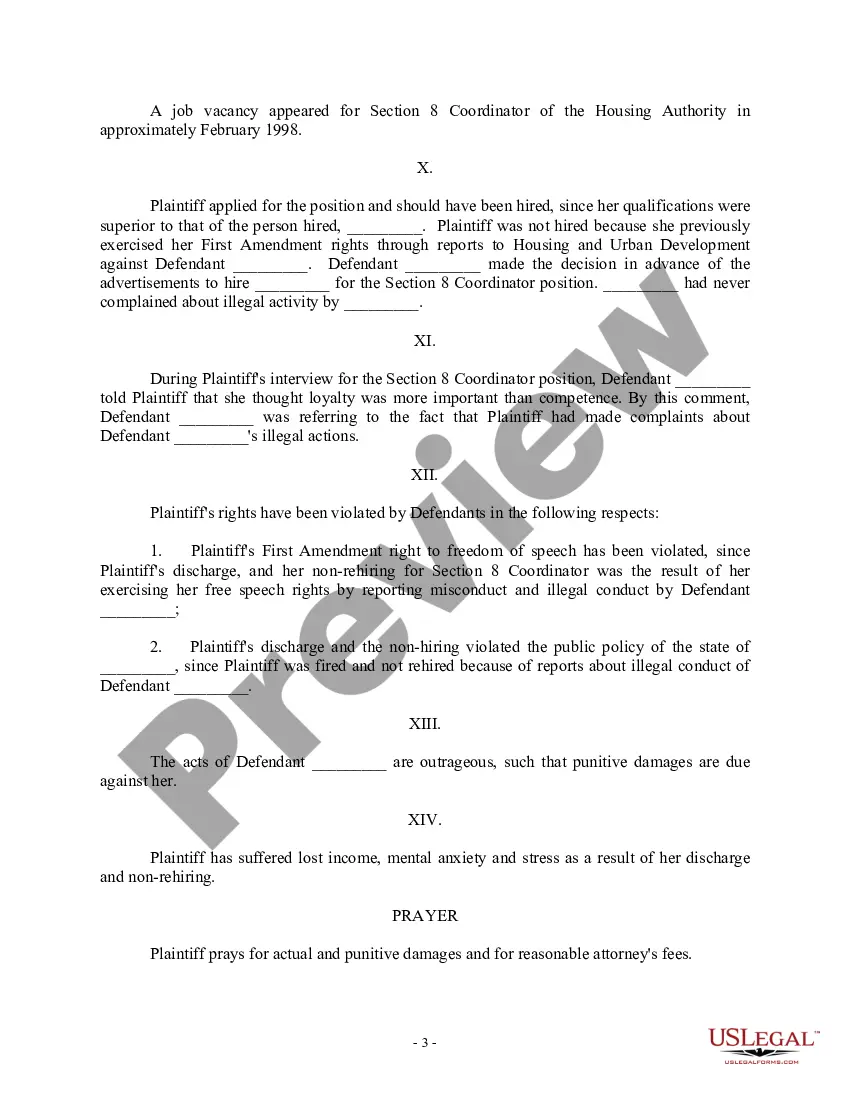




Get your form ready online
Our built-in tools help you complete, sign, share, and store your documents in one place.
Make edits, fill in missing information, and update formatting in US Legal Forms—just like you would in MS Word.
Download a copy, print it, send it by email, or mail it via USPS—whatever works best for your next step.
Sign and collect signatures with our SignNow integration. Send to multiple recipients, set reminders, and more. Go Premium to unlock E-Sign.
If this form requires notarization, complete it online through a secure video call—no need to meet a notary in person or wait for an appointment.
We protect your documents and personal data by following strict security and privacy standards.

Make edits, fill in missing information, and update formatting in US Legal Forms—just like you would in MS Word.

Download a copy, print it, send it by email, or mail it via USPS—whatever works best for your next step.

Sign and collect signatures with our SignNow integration. Send to multiple recipients, set reminders, and more. Go Premium to unlock E-Sign.

If this form requires notarization, complete it online through a secure video call—no need to meet a notary in person or wait for an appointment.

We protect your documents and personal data by following strict security and privacy standards.
Looking for another form?
Form popularity
FAQ
There are various reasons why a defendant might consider waiving their right to a jury trial. For instance, they might aim to resolve the case swiftly or keep it out of the local news. Alternatively, they might have a lengthy criminal record and wish to minimize public exposure.
Ing to the Supreme Court, the jury-trial right applies only when "serious" offenses are at hand—petty offenses don't invoke it. For purposes of this right, a serious offense is one that carries a potential sentence of more than six months' imprisonment.
The Trial of all Crimes, except in Cases of Impeachment, shall be by Jury; and such Trial shall be held in the State where the said Crimes shall have been committed; but when not committed within any State, the Trial shall be at such Place or Places as the Congress may by Law have directed. U.S. Const.
Equitable relief is typically pursued when: Monetary Damages are Insufficient: If damages cannot fully compensate the injured party—such as in cases involving unique assets or ongoing harm—equitable relief might be the better remedy.
Any party may demand a trial by jury of any issue triable of right by a jury by (1) serving upon the other parties a demand therefor in writing at any time after the commencement of the action and not later than 10 days after the service of the last pleading directed to such issue, and (2) filing the demand as required ...
In lawsuits seeking equitable relief there is no right to a jury trial; ingly, these types of cases are tried to the judge in a bench trial.
When both legal and equitable claims are raised in a single action, the legal claims are triable by a jury and the equitable claims are triable separately by the court.
The jury can award punitive damages for however much they determine the defendant should be deterred or punished. California law states punitive damages are awarded when “the defendant has been guilty of oppression, fraud, or malice.” (Code Civ.
Equitable Relief in Practice These often occur during contracts involving property because the personal value of property to a party can often extend beyond monetary compensation. A court could order the property to be sold pursuant to the terms of the original contract, or cancel the contract.
The correct order in which a jury trial is conducted is as follows: jury selection, opening statements, plaintiff's case, defendant's case, closing arguments and instructions, and verdict. This process begins with jury selection, where potential jurors are screened for impartiality to ensure a fair trial.