Jury Trial For Traffic Ticket In Michigan
Description
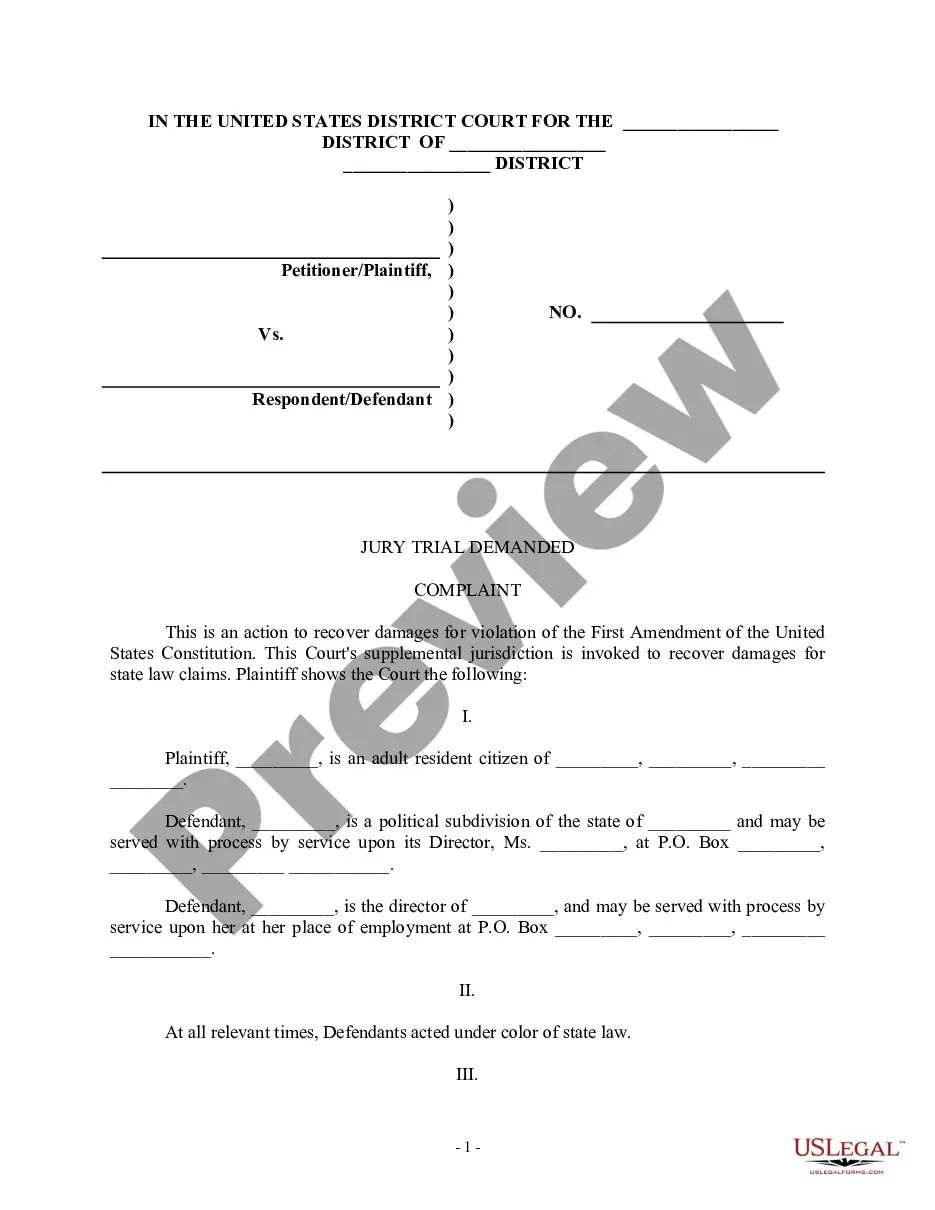
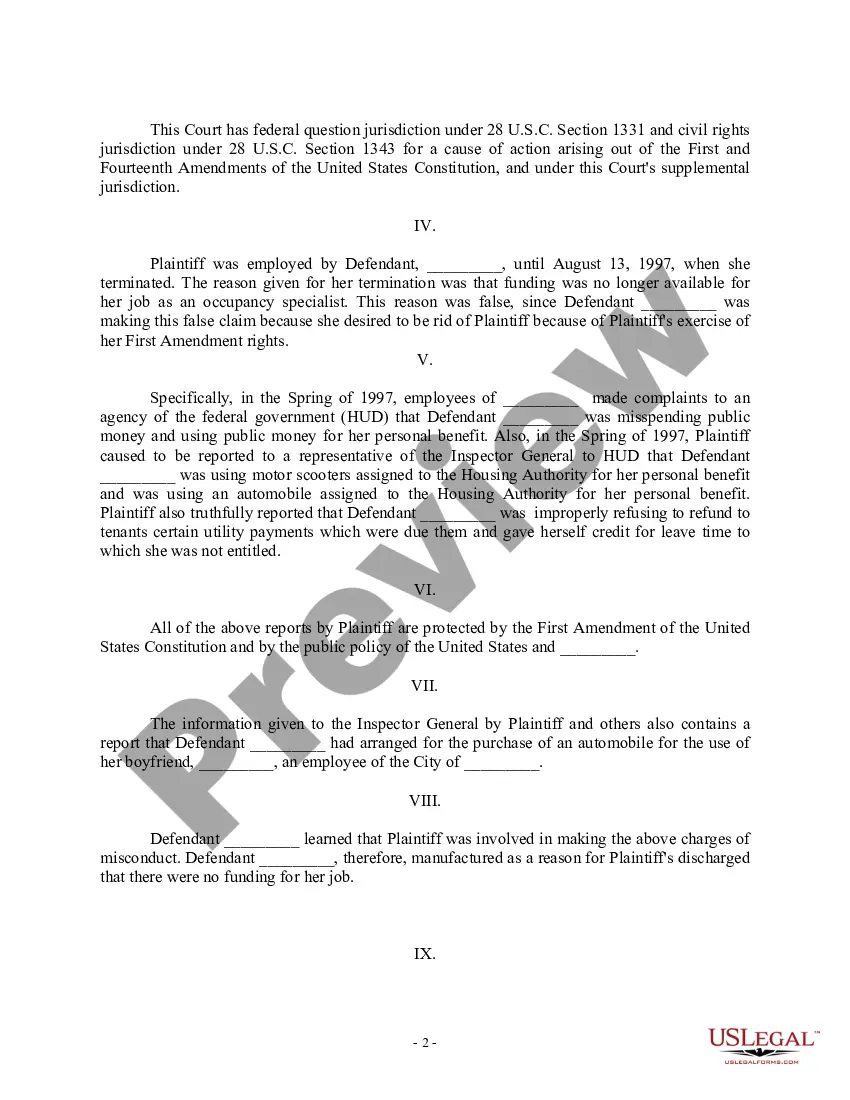
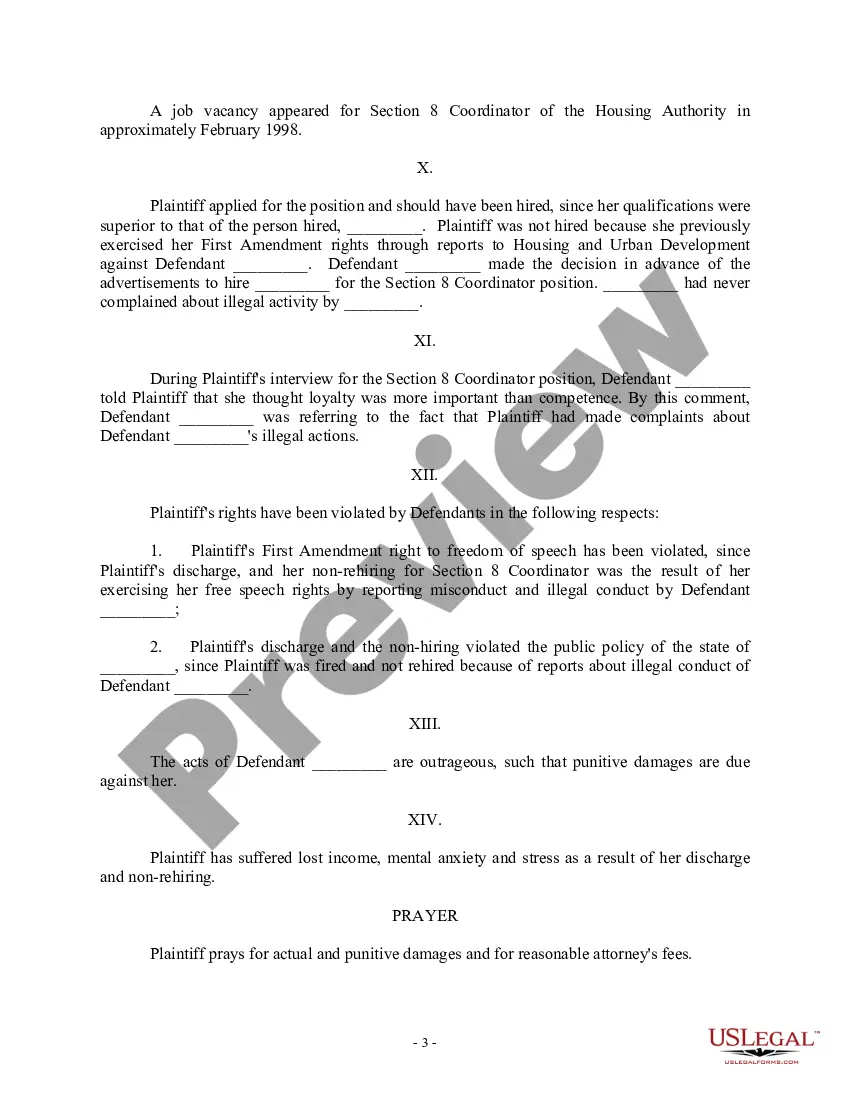
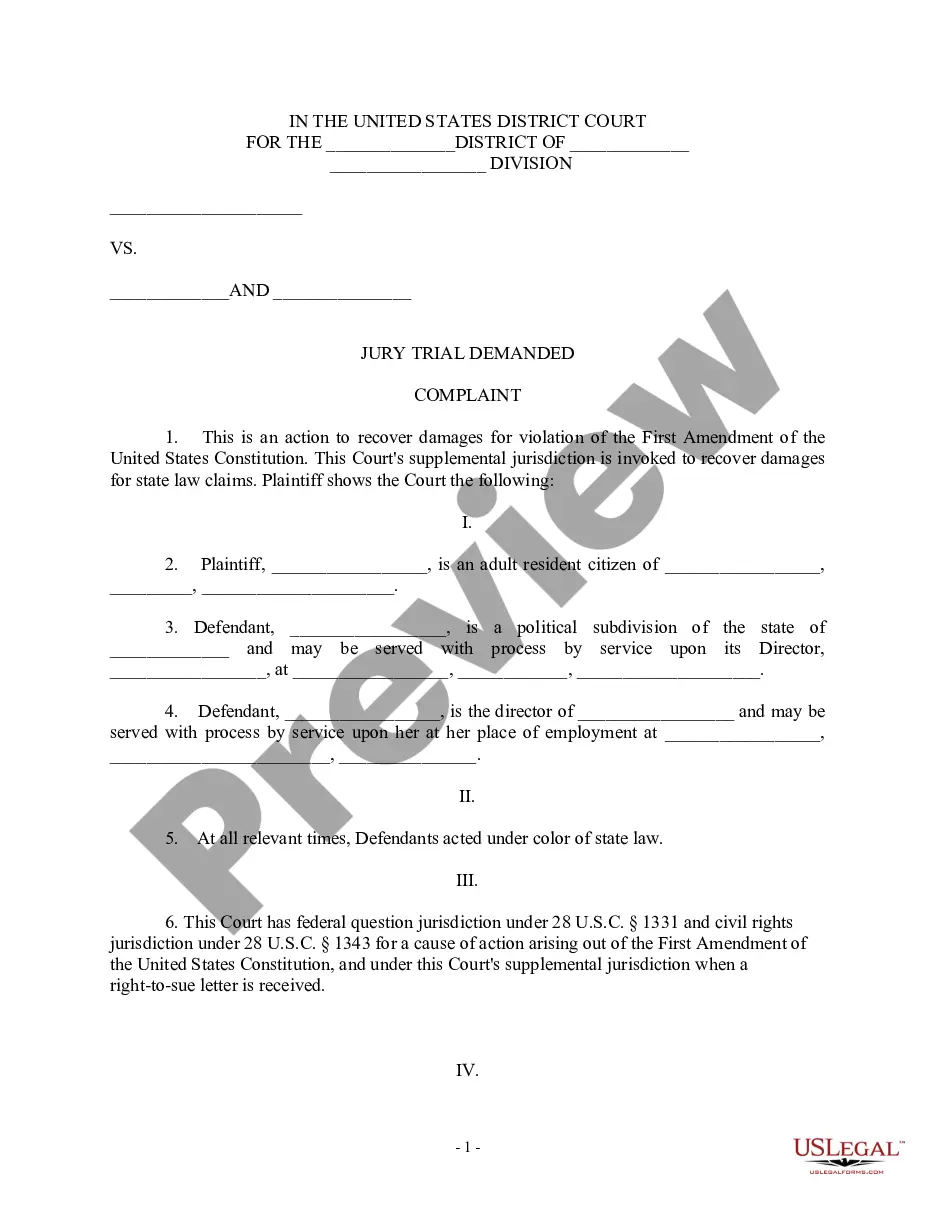
Get your form ready online
Our built-in tools help you complete, sign, share, and store your documents in one place.
Make edits, fill in missing information, and update formatting in US Legal Forms—just like you would in MS Word.
Download a copy, print it, send it by email, or mail it via USPS—whatever works best for your next step.
Sign and collect signatures with our SignNow integration. Send to multiple recipients, set reminders, and more. Go Premium to unlock E-Sign.
If this form requires notarization, complete it online through a secure video call—no need to meet a notary in person or wait for an appointment.
We protect your documents and personal data by following strict security and privacy standards.

Make edits, fill in missing information, and update formatting in US Legal Forms—just like you would in MS Word.

Download a copy, print it, send it by email, or mail it via USPS—whatever works best for your next step.

Sign and collect signatures with our SignNow integration. Send to multiple recipients, set reminders, and more. Go Premium to unlock E-Sign.

If this form requires notarization, complete it online through a secure video call—no need to meet a notary in person or wait for an appointment.

We protect your documents and personal data by following strict security and privacy standards.
Looking for another form?

Form popularity
FAQ
To begin, the Secretary of State sends a random list of licensed drivers and people with state IDs to the jury board. Potential jurors receive a questionnaire and jury summons by mail. Those who qualify become part of the jury pool. On the date they are assigned to serve, members of the jury pool go to court.
Each court randomly selects qualified citizens from counties within the district for possible jury service. All courts use the respective state voter lists as a source of prospective jurors.
Last year, almost 64,000 people were selected for federal jury service in the U.S. — that's only 0.03 percent of the adult population. If you want to understand the probability of getting selected, you have to use the adult population as your baseline because you have to be at least 18 to serve on a U.S. jury.
Ing to the Supreme Court, the jury-trial right applies only when "serious" offenses are at hand—petty offenses don't invoke it. For purposes of this right, a serious offense is one that carries a potential sentence of more than six months' imprisonment.
Who gets called? U.S. citizens at least 18 years old who are residents of the court district to which they are summoned. The jury pool for each court comes from a list of licensed drivers and state ID card holders in the court's district. Those who have been convicted of felony crimes are not eligible for jury service.
This process requires you to plead “not guilty” and present your case in person or through an attorney you hire to represent you. If you win, your ticket will be dismissed and your driving record will remain clear of points. But if you lose, you could face additional fines and court fees, as well as attorney's fees.
Be physically and mentally able to carry out the functions of a juror. Temporary inability shall not be considered a disqualification. Not have served as a petit or grand juror in a court of record during the preceding 12 months. Not have been convicted of a felony.
Traffic court trials generally last 1-3 hours depending on evidence, witnesses, and arguments presented before the ruling.
Traffic court trials generally last 1-3 hours depending on evidence, witnesses, and arguments presented before the ruling.