Jury Trial In Civil Cases Amendment
Description
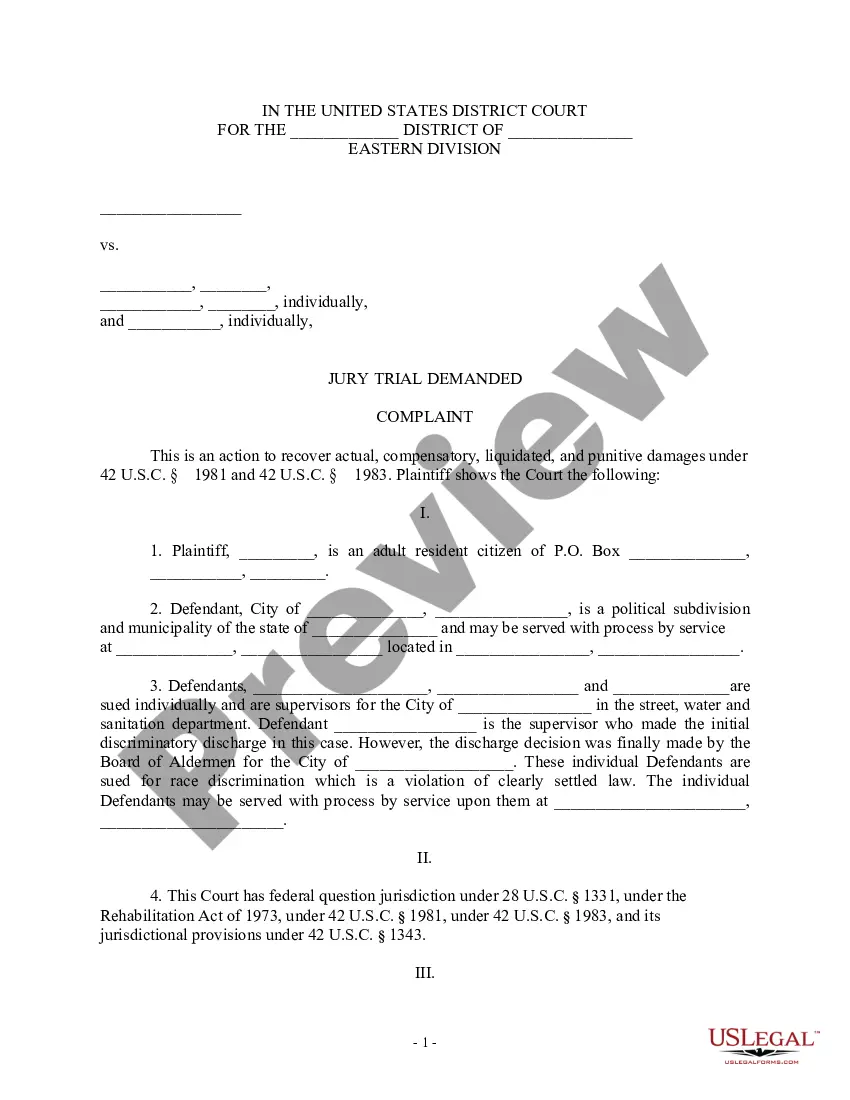
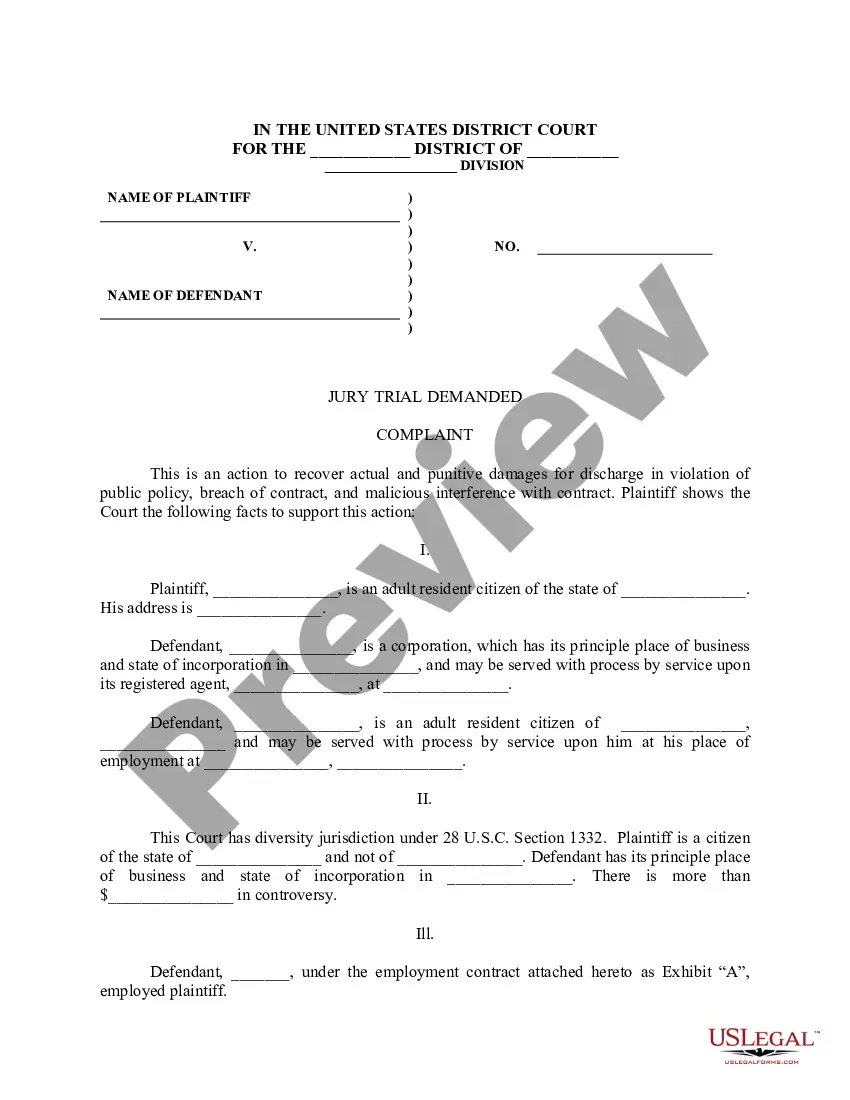
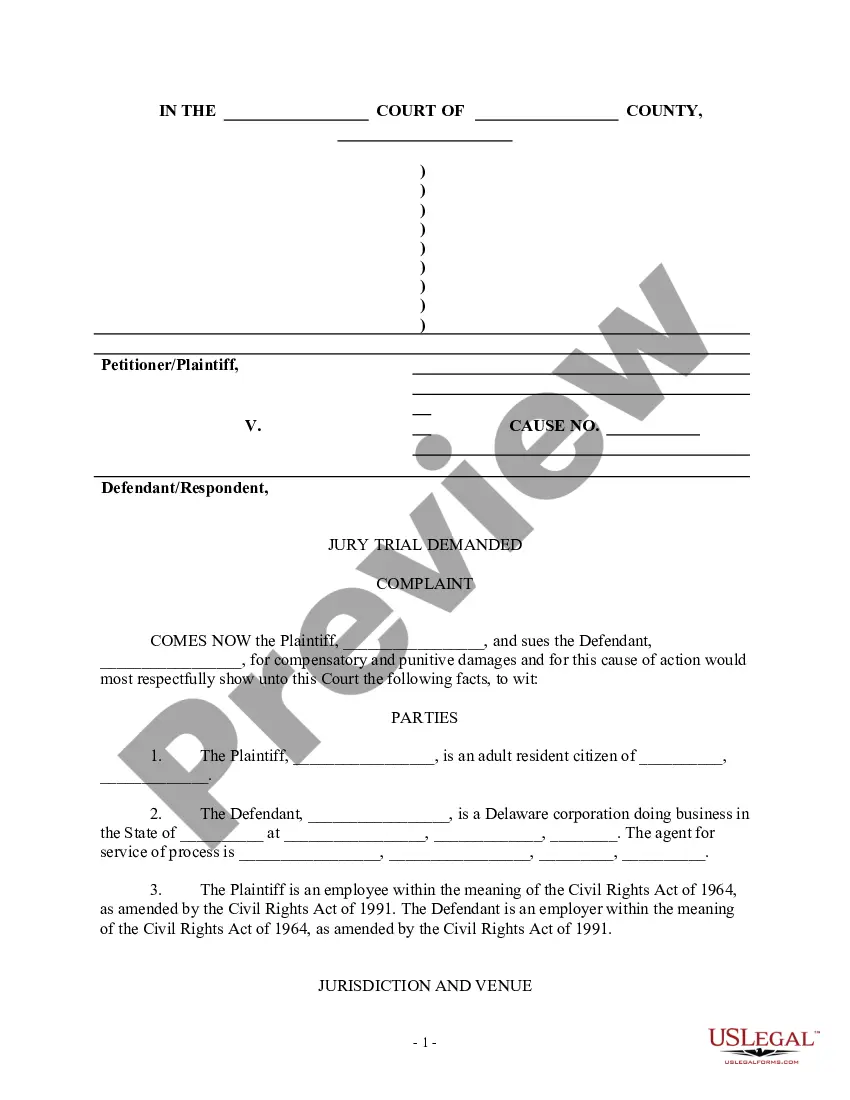
Get your form ready online
Our built-in tools help you complete, sign, share, and store your documents in one place.
Make edits, fill in missing information, and update formatting in US Legal Forms—just like you would in MS Word.
Download a copy, print it, send it by email, or mail it via USPS—whatever works best for your next step.
Sign and collect signatures with our SignNow integration. Send to multiple recipients, set reminders, and more. Go Premium to unlock E-Sign.
If this form requires notarization, complete it online through a secure video call—no need to meet a notary in person or wait for an appointment.
We protect your documents and personal data by following strict security and privacy standards.
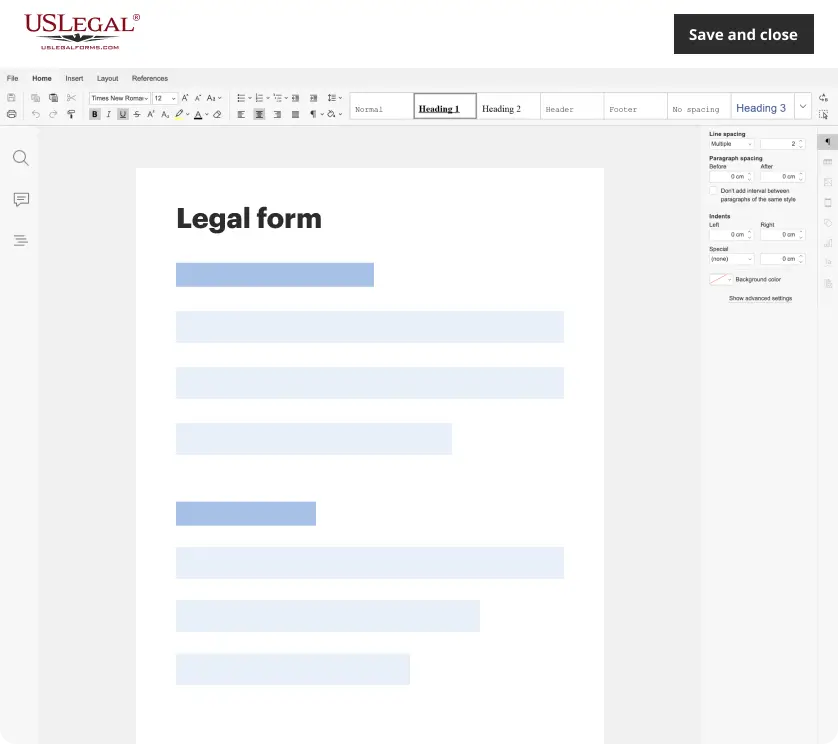
Make edits, fill in missing information, and update formatting in US Legal Forms—just like you would in MS Word.
Download a copy, print it, send it by email, or mail it via USPS—whatever works best for your next step.
Sign and collect signatures with our SignNow integration. Send to multiple recipients, set reminders, and more. Go Premium to unlock E-Sign.

If this form requires notarization, complete it online through a secure video call—no need to meet a notary in person or wait for an appointment.

We protect your documents and personal data by following strict security and privacy standards.
Looking for another form?
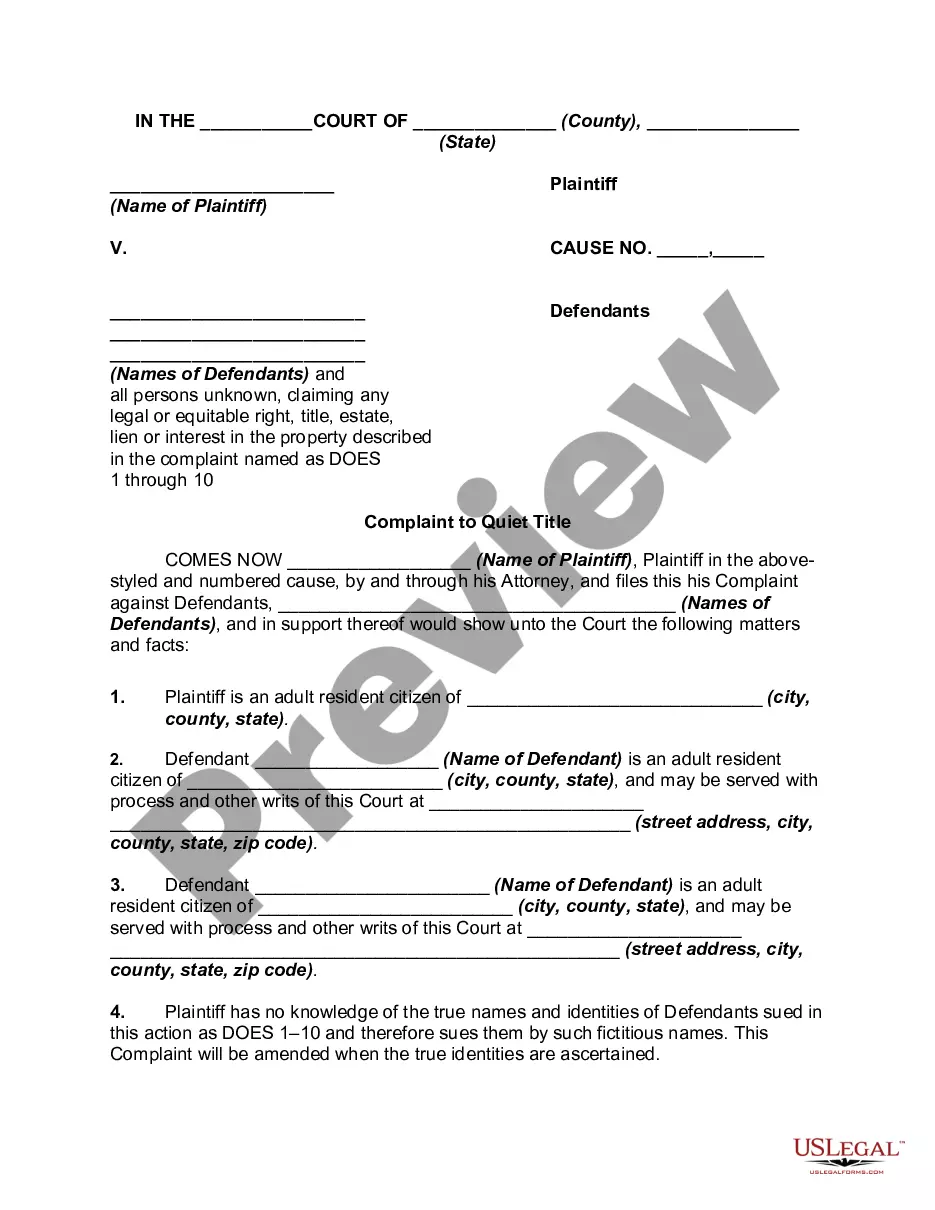
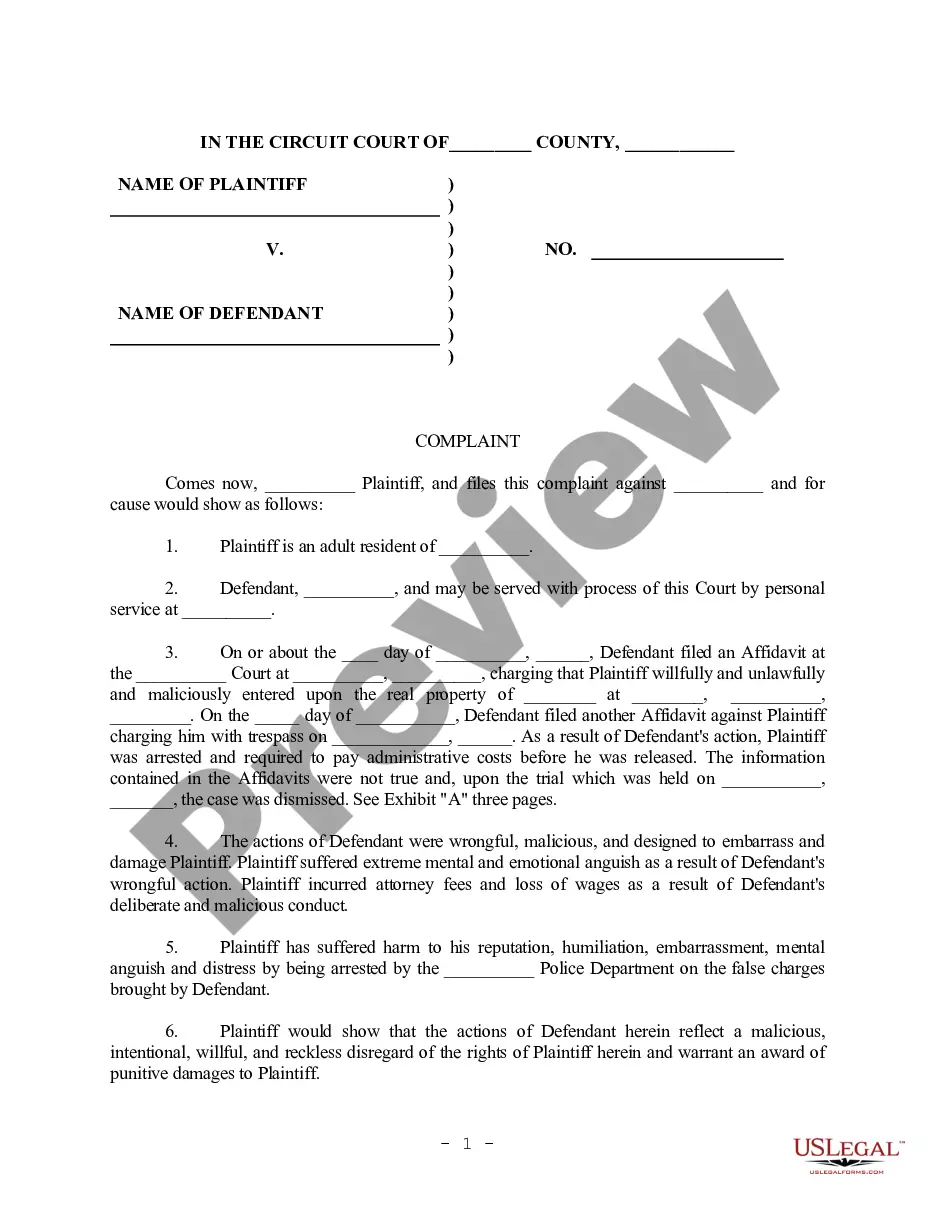

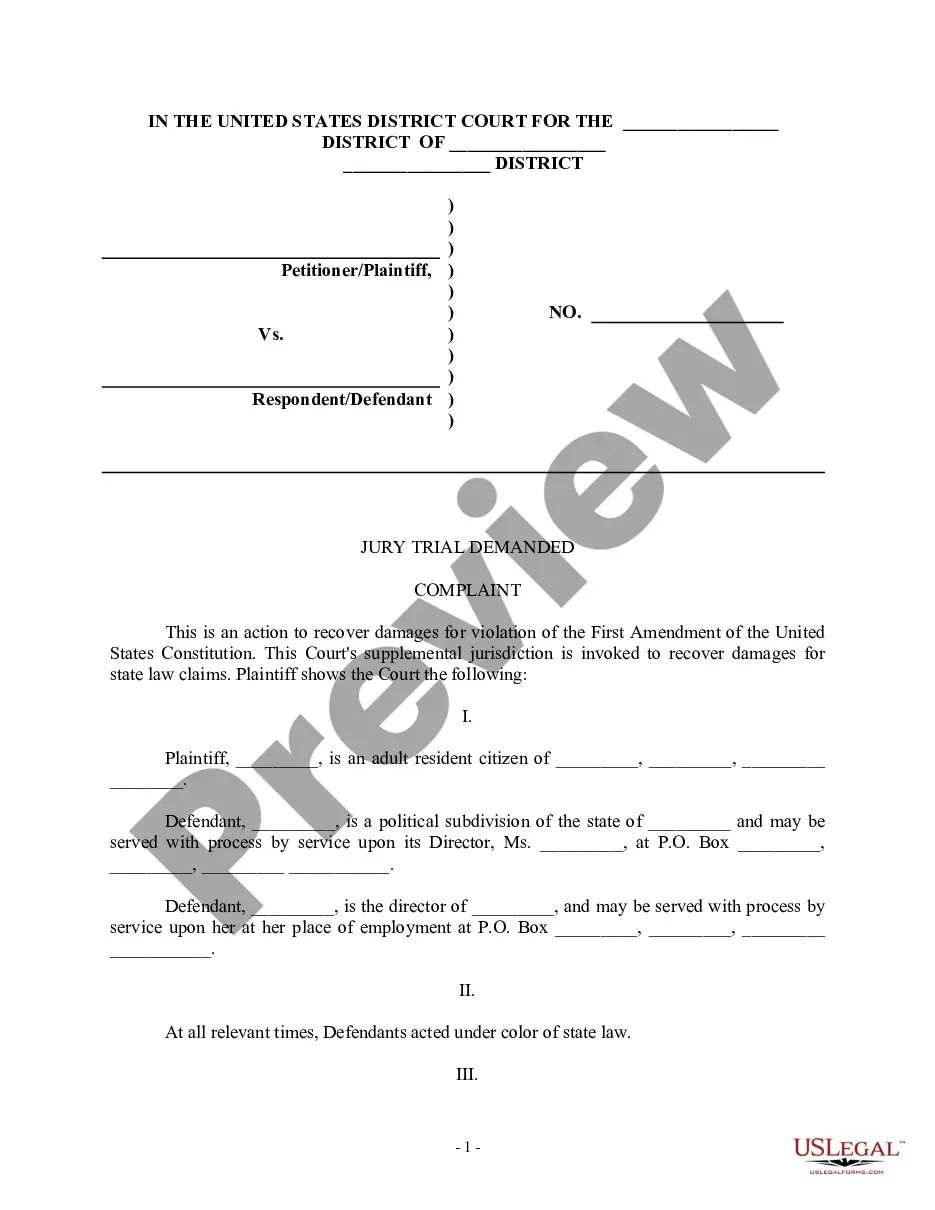
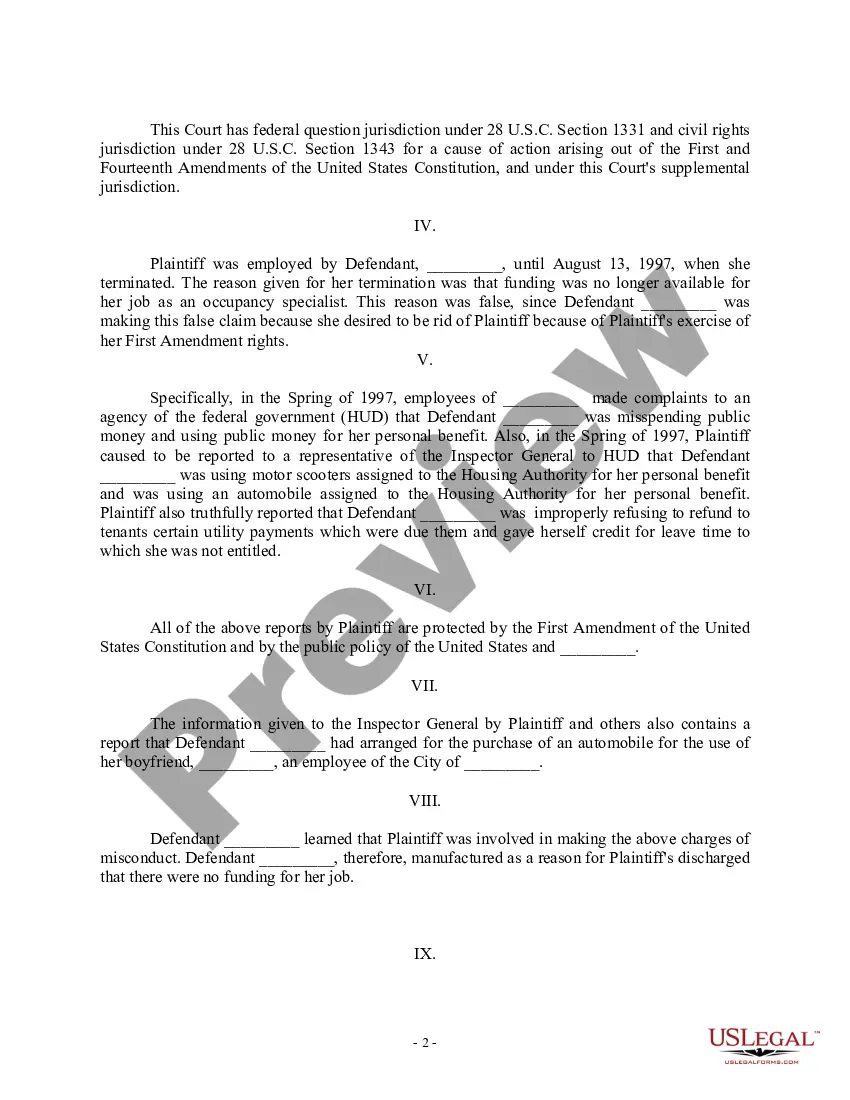
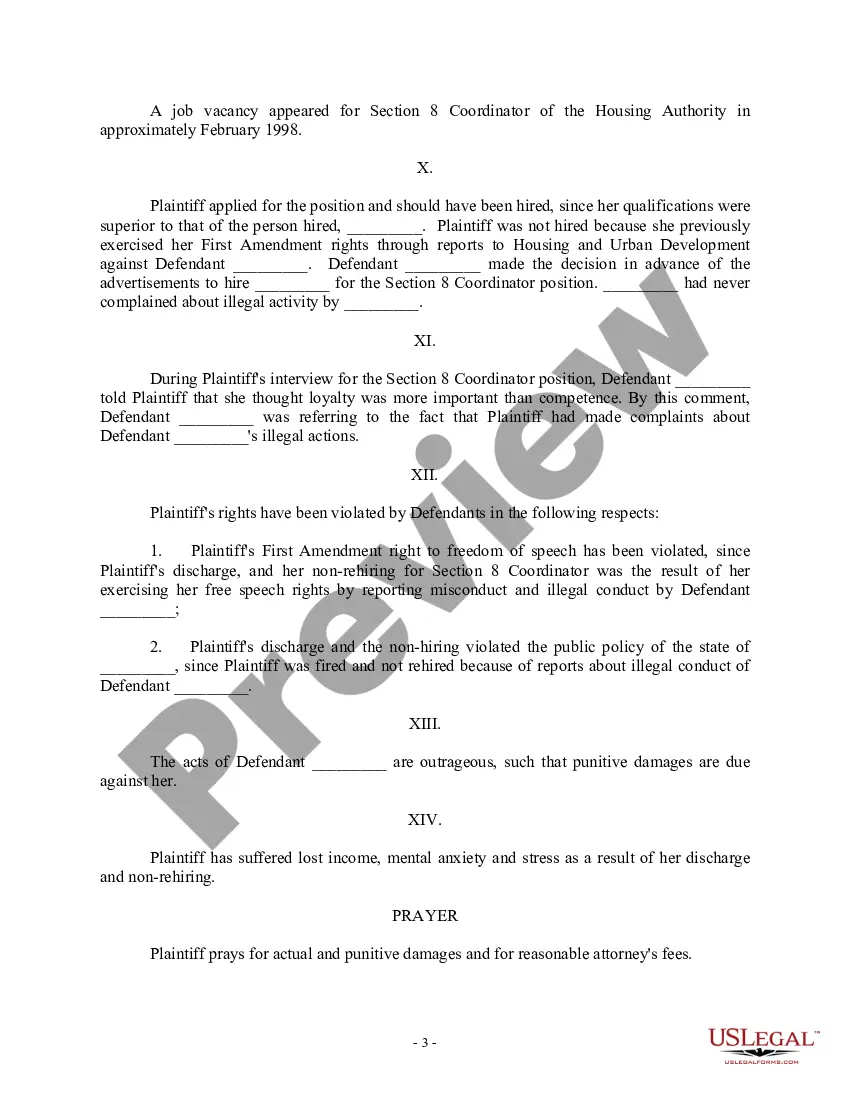
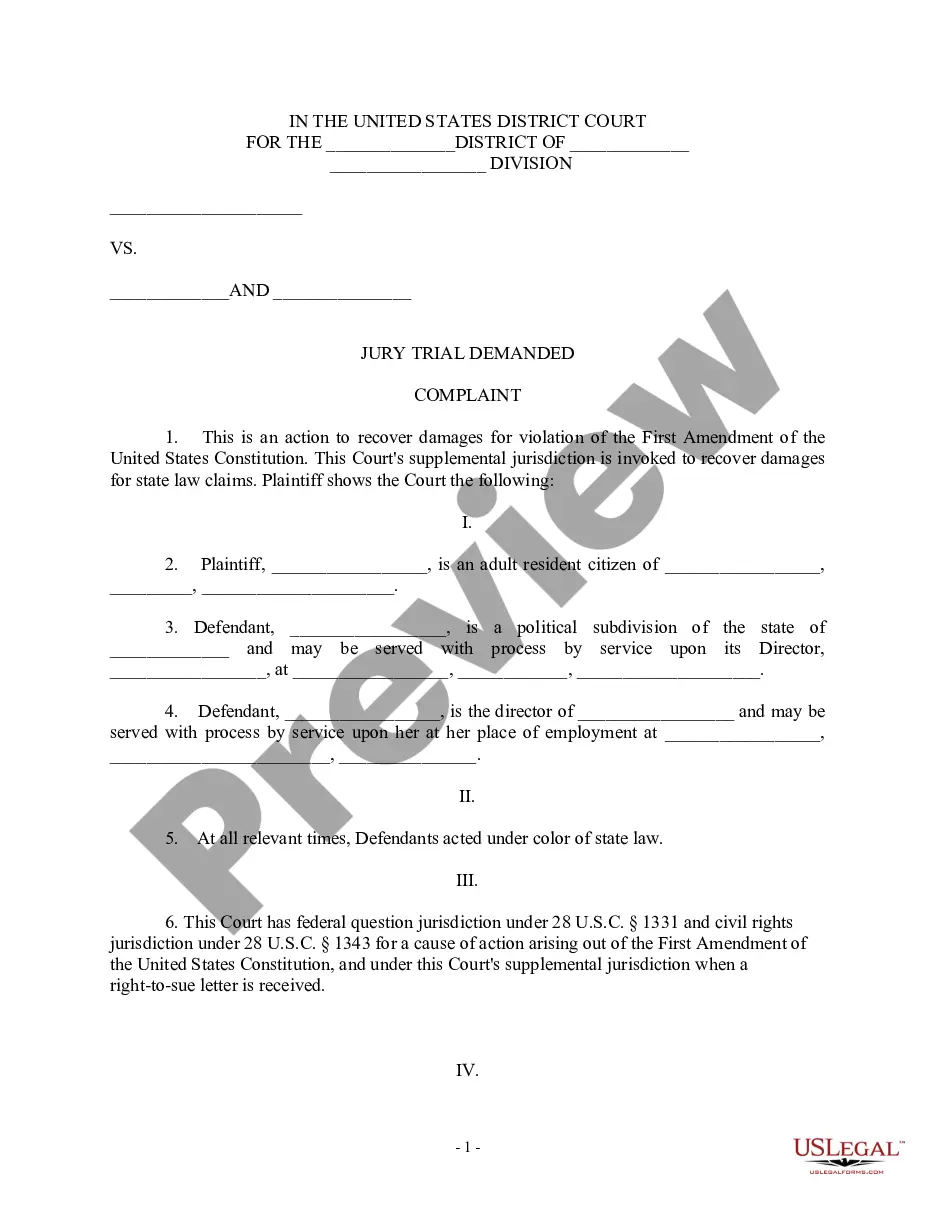
How to fill out Complaint For Violation Of Civil Rights And For Wrongful Discharge And Failure To Rehire - 1st, 14th Amendments, US Constitution - Jury Trial Demand?
It’s clear that you cannot become a legal expert instantly, nor can you rapidly master how to draft the Jury Trial In Civil Cases Amendment without possessing a specialized skill set.
Drafting legal documents is an extensive process that demands specific training and skills.
So why not entrust the composition of the Jury Trial In Civil Cases Amendment to the experts.
Select Buy now. Once the purchase is finalized, you can download the Jury Trial In Civil Cases Amendment, complete it, print it, and send or mail it to the required individuals or organizations.
You can access your forms again from the My documents tab at any time. If you are a current customer, simply Log In to locate and download the template from the same tab.
- Utilize our website to get the form you require within minutes.
- Locate the form you seek using the search bar positioned at the top of the page.
- View it (if this option is available) and examine the descriptive details to ascertain if the Jury Trial In Civil Cases Amendment is what you need.
- If you need an alternative template, restart your search.
- Create a free account and choose a subscription plan to acquire the form.
Form popularity
FAQ
The right to a trial by jury in civil cases is protected by the 7th Amendment of the U.S. Constitution. This amendment provides that in suits at common law, where the value in controversy exceeds twenty dollars, the right to a jury shall be preserved. Understanding the jury trial in civil cases amendment is crucial for your legal rights. To find more information about this right, check out the resources available on the US Legal Forms platform.
Trial by jury is addressed in both the 6th and 7th Amendments of the U.S. Constitution. The 6th Amendment guarantees the right to a jury trial in criminal cases, while the 7th Amendment ensures this right in civil cases. Therefore, when discussing the jury trial in civil cases amendment, one must refer to the 7th Amendment. For more details about your rights in civil trials, consider exploring resources on the US Legal Forms platform.
Despite its origin, the $20 amount specified in the 7th Amendment has not been adjusted for inflation and is considered outdated. It reflects the minimum threshold for jury trials in civil cases but does not represent current values or conditions. Understanding this historical context can help clarify the role of the jury trial in civil cases amendment in today's legal landscape.
The right to sue someone in civil court is primarily governed by the 7th Amendment, which grants the right to a jury trial in civil cases under certain conditions. This amendment ensures that individuals can seek legal relief and resolve disputes through the judicial system. It plays a critical role in protecting your rights as a citizen when pursuing legal action.
You can have a jury trial in a civil case when the dispute involves a legal issue that the jury can decide, and the case meets the monetary threshold of the 7th Amendment. Typically, jury trials are appropriate for cases involving damages, breach of contract, or personal injury claims. Understanding when to request a jury trial is crucial, and platforms like US Legal Forms can help you navigate this process seamlessly.
The 14th Amendment addresses citizenship rights and equal protection under the law, and it indirectly influences jury trials. While it does not explicitly mention jury rights, it ensures that individuals have equal access to legal processes, which includes the potential for jury trials. This amendment supports the principle of justice and reinforces the jury trial in civil cases amendment by promoting fairness.
The 7th Amendment establishes the right to a jury trial in civil cases where the amount in controversy exceeds twenty dollars. This means that if you are involved in a civil dispute that meets this threshold, the jury trial in civil cases amendment allows you to have your case heard by a jury. Essentially, this amendment aims to protect individuals' rights and promote fairness in civil litigation.
The 6th Amendment guarantees the right to a speedy and public trial by an impartial jury in criminal prosecutions. While it primarily focuses on criminal cases, it sets a framework that emphasizes the importance of jury trials, thereby influencing the jury trial in civil cases amendment. This amendment ensures that defendants have the opportunity to present their case before a jury, reflecting the community's values.
The jury trial in civil cases is protected by the 7th Amendment of the United States Constitution. This amendment specifically outlines the right to a jury trial in civil matters, distinguishing it from criminal cases. By incorporating this right, the 7th Amendment plays a vital role in maintaining public confidence in the justice system. For those navigating civil disputes, understanding this amendment can provide clarity and peace of mind.
The 7th and 8th Amendments are vital components of the Bill of Rights. The 7th Amendment, as previously mentioned, focuses on the right to a jury trial in civil cases. The 8th Amendment addresses protections against excessive bail and cruel and unusual punishment. Together, these amendments uphold the rights and liberties of individuals facing legal proceedings, ensuring a fair and just legal framework.