Jury Trial In Civil Cases In Houston
Description
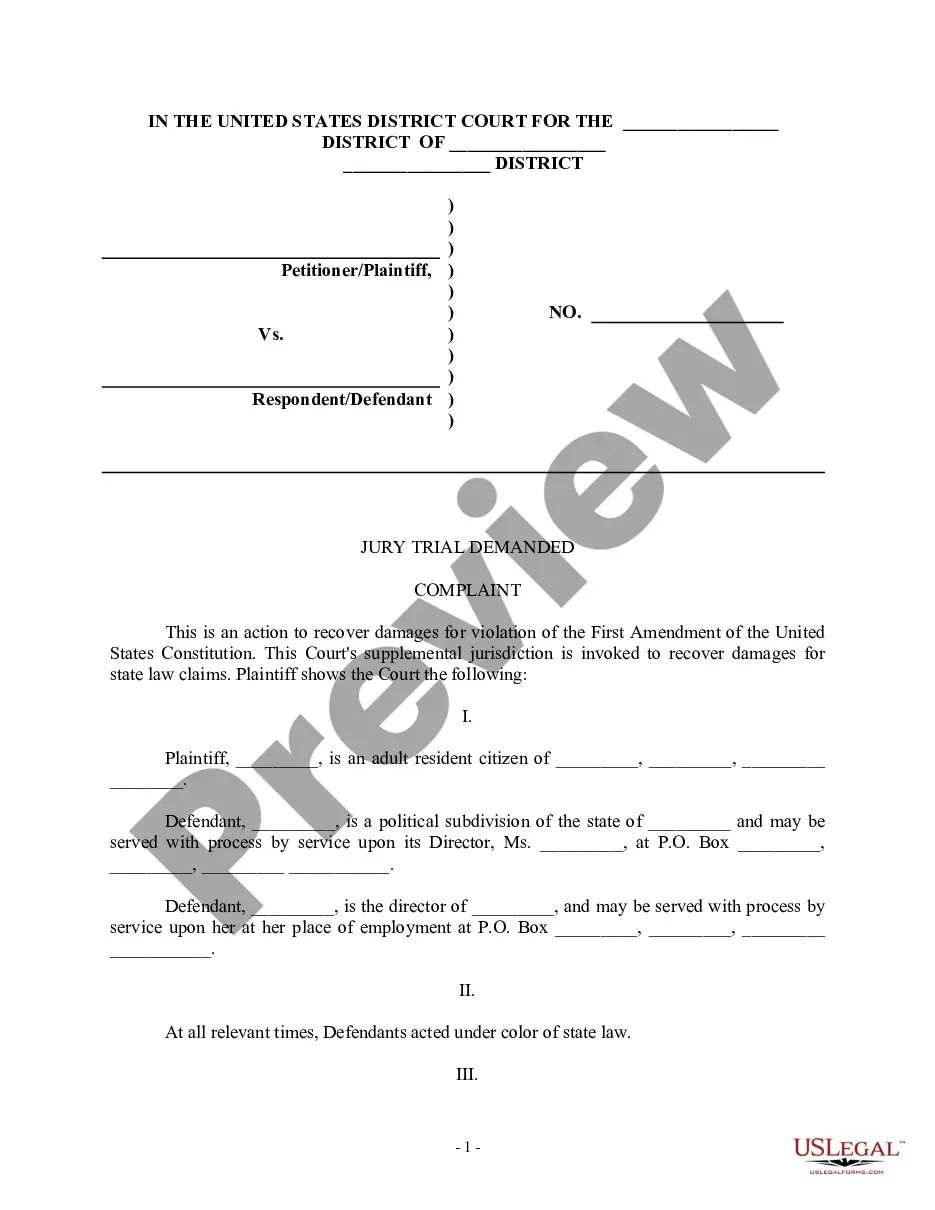
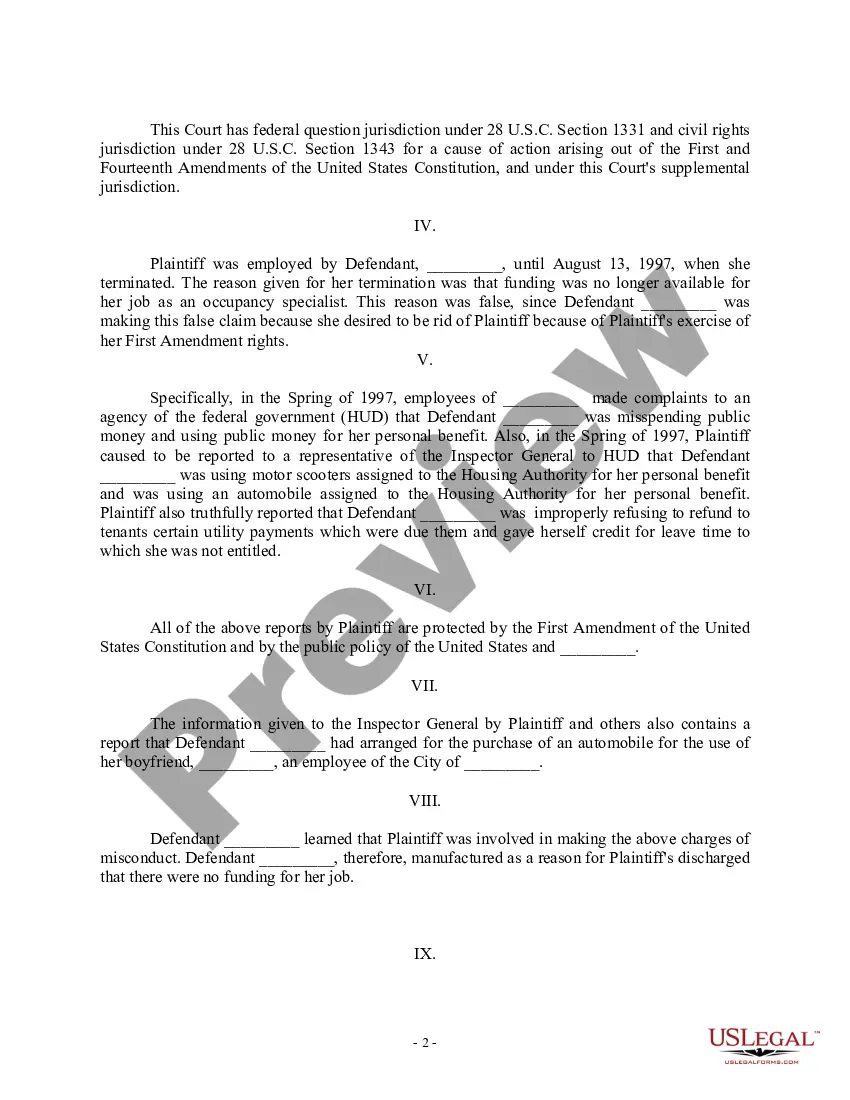
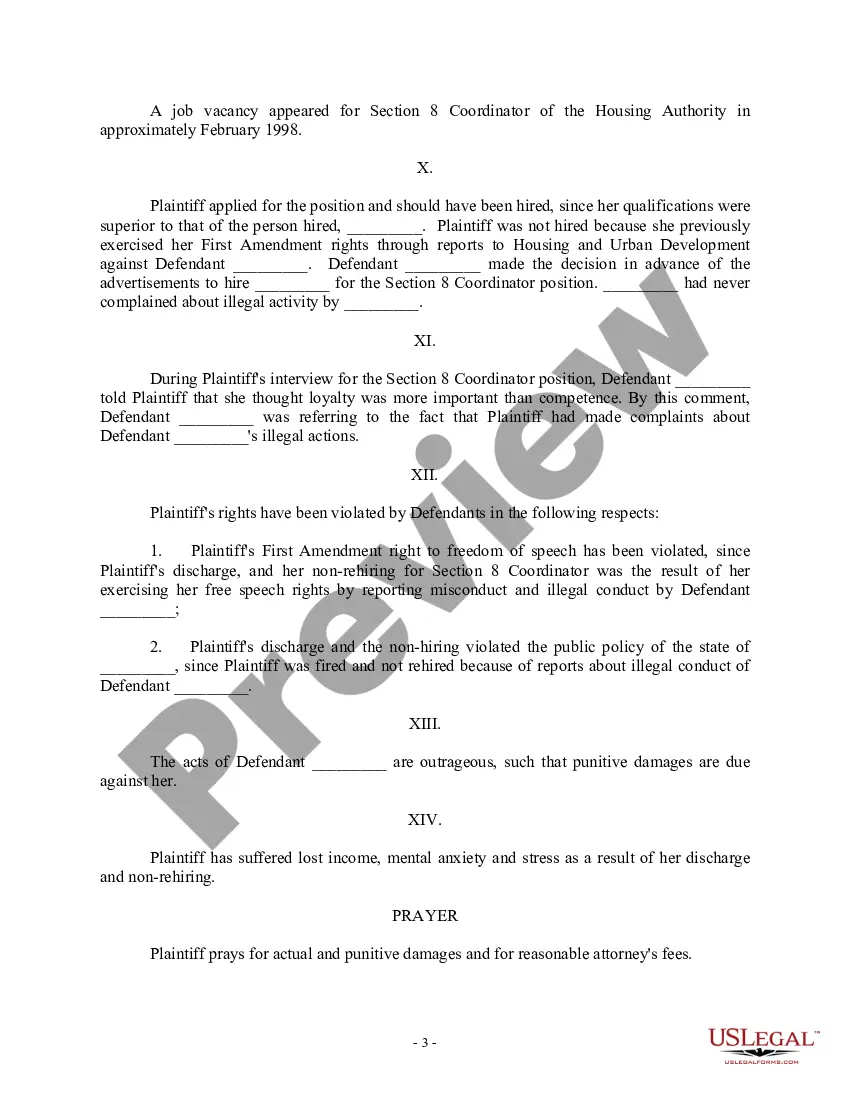
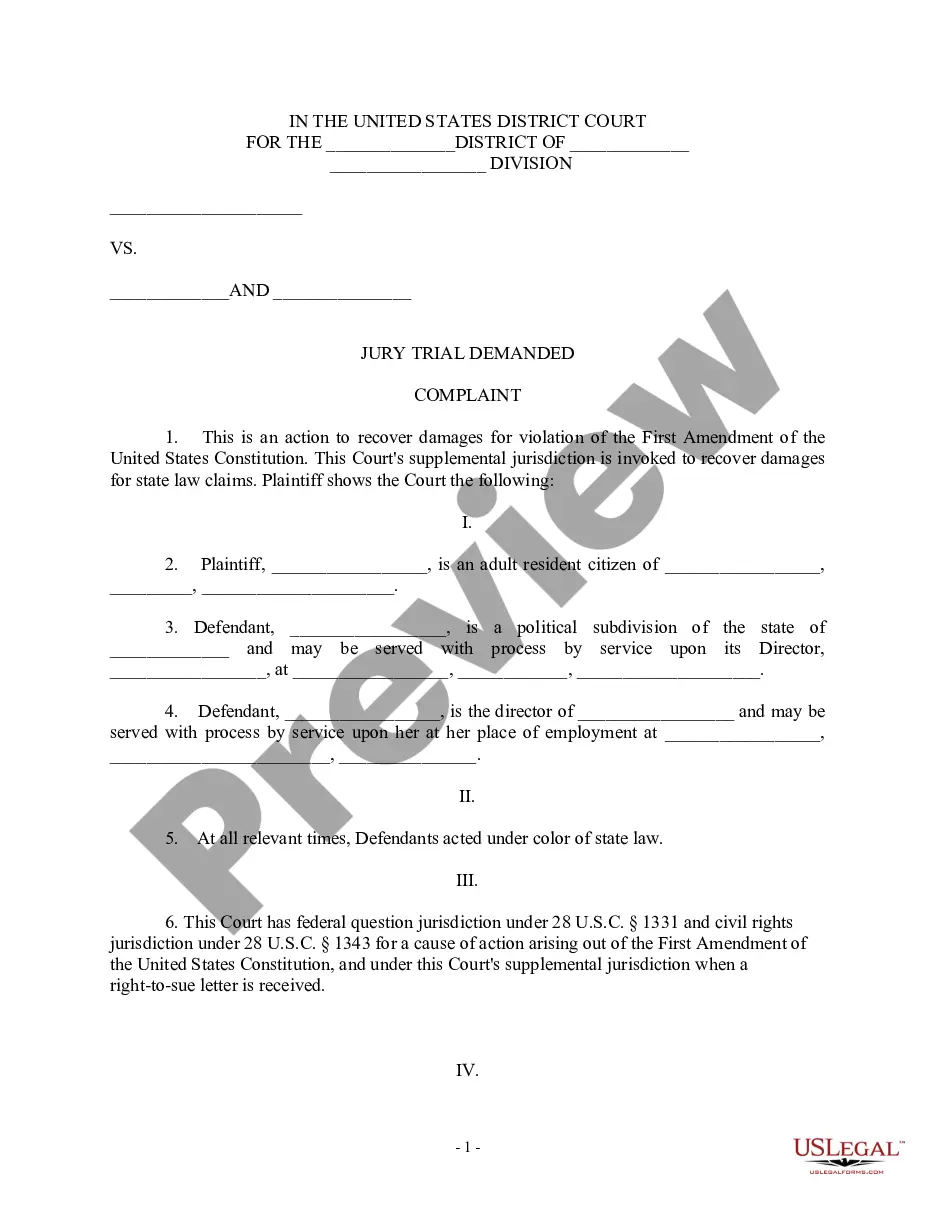
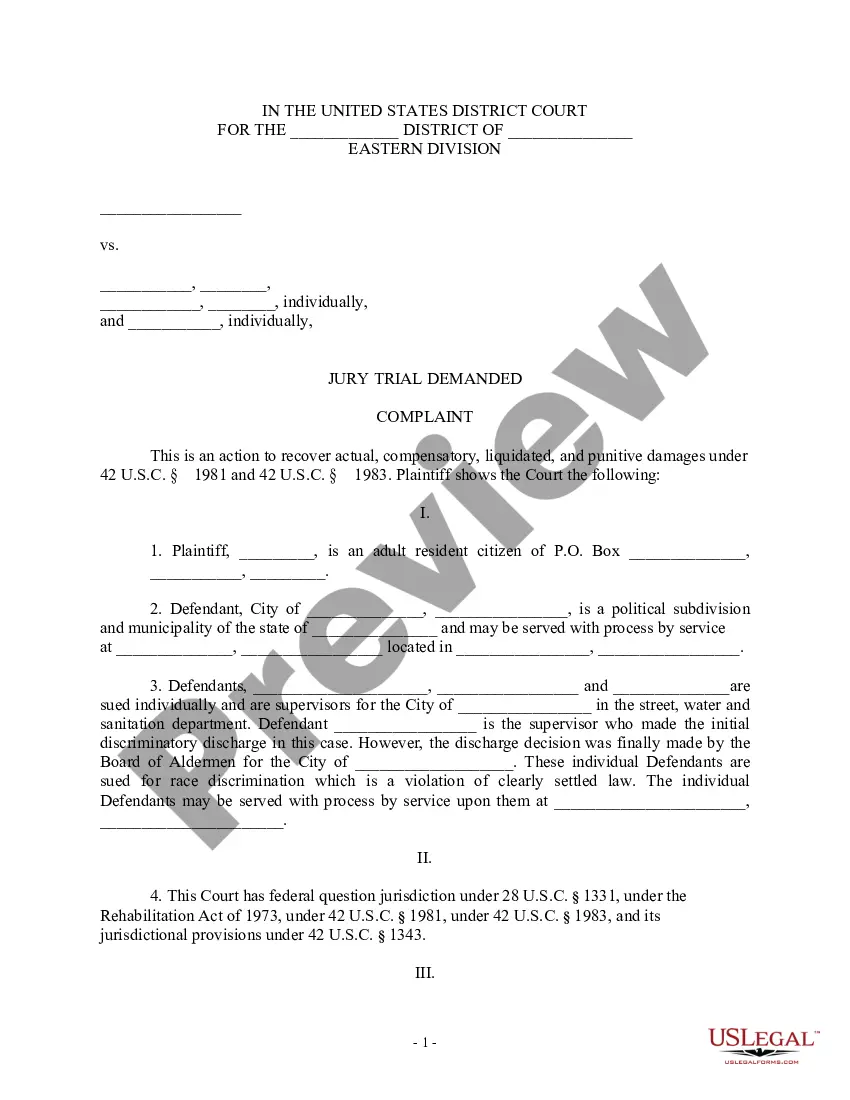
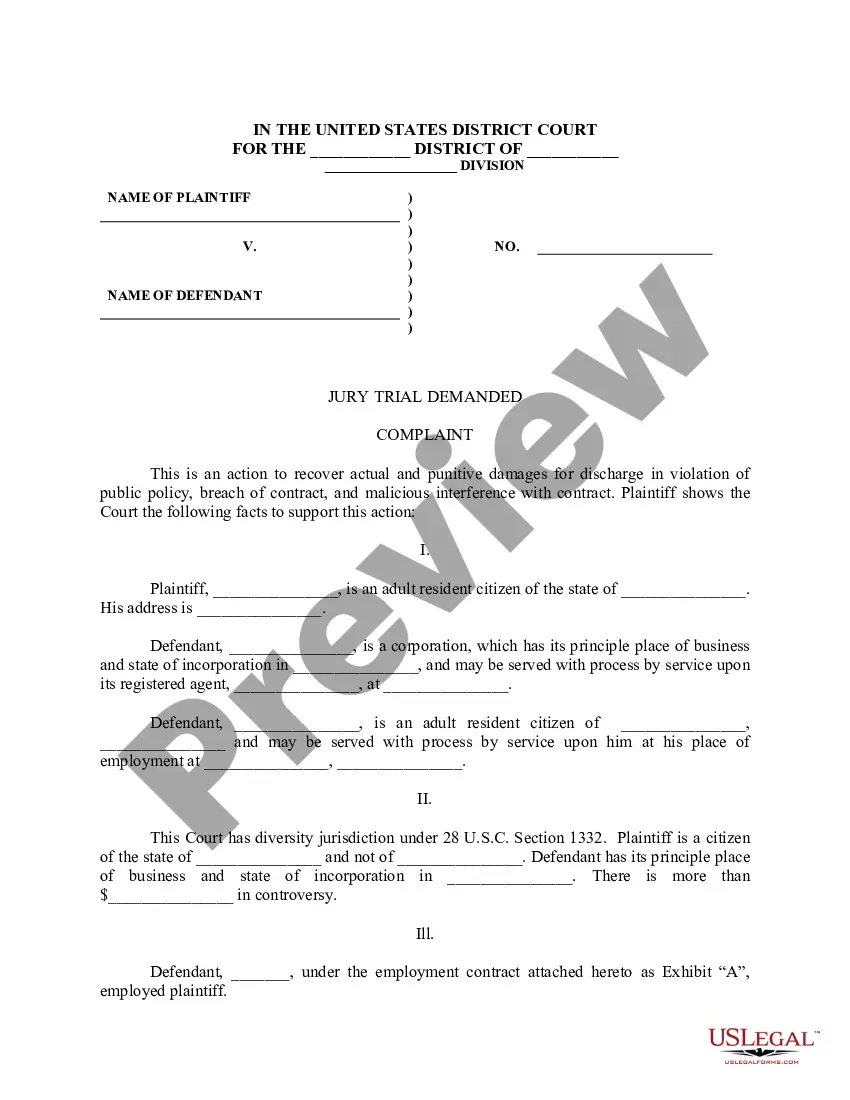
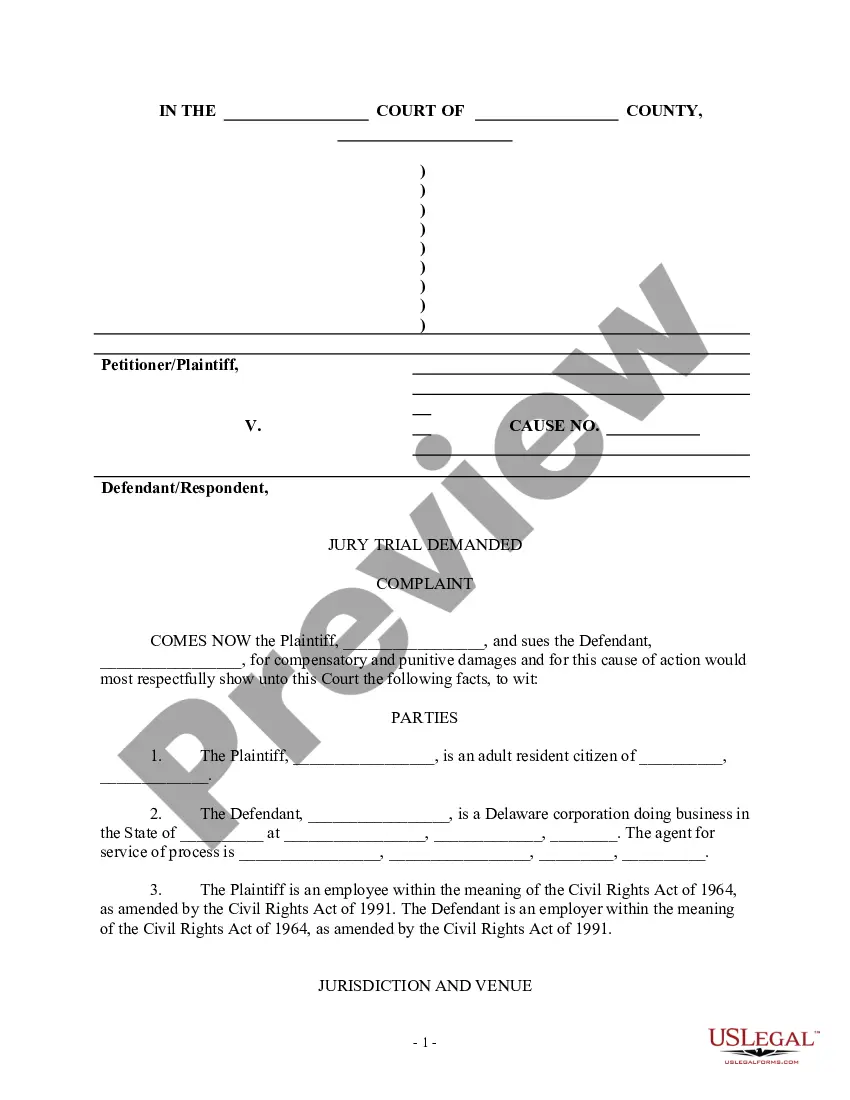
Get your form ready online
Our built-in tools help you complete, sign, share, and store your documents in one place.
Make edits, fill in missing information, and update formatting in US Legal Forms—just like you would in MS Word.
Download a copy, print it, send it by email, or mail it via USPS—whatever works best for your next step.
Sign and collect signatures with our SignNow integration. Send to multiple recipients, set reminders, and more. Go Premium to unlock E-Sign.
If this form requires notarization, complete it online through a secure video call—no need to meet a notary in person or wait for an appointment.
We protect your documents and personal data by following strict security and privacy standards.

Make edits, fill in missing information, and update formatting in US Legal Forms—just like you would in MS Word.

Download a copy, print it, send it by email, or mail it via USPS—whatever works best for your next step.

Sign and collect signatures with our SignNow integration. Send to multiple recipients, set reminders, and more. Go Premium to unlock E-Sign.

If this form requires notarization, complete it online through a secure video call—no need to meet a notary in person or wait for an appointment.

We protect your documents and personal data by following strict security and privacy standards.
Looking for another form?
Form popularity
FAQ
Most civil lawsuits can be divided broadly into these stages: Pre-filing stage. During this stage, the dispute arises and the parties gather information, try to negotiate a resolution, and prepare for the possibility of a court case. Pleading stage. Discovery stage. Pre-trial stage. Trial Stage. Post-trial stage.
In civil cases, about 1% of cases ever get to the point where they actually start a trial and hear even one witness. Many of those settle in the middle of the trial.
In a wide variety of civil cases, either side is entitled under the Constitution to request a jury trial. If the parties waive their right to a jury, then a judge without a jury will hear the case.
T.R.C.P. 504.1: JURY TRIAL DEMANDED FOR CIVIL Any party may file a written demand for a trial by jury which must be filed no later than 14 days before the date a case is set for trial. If the demand is not timely, the right to a jury is waived unless the late filing is excused by the judge for good cause.
In a civil case, the jury not only decides on a verdict for one side or the other, but also awards damages.
A civil case for which a jury is involved is generally a dispute between two or more parties that does not involve a criminal matter and is not a dispute between family members regarding divorce or child custody. In family matters, a judge handles the case without a jury.
Why do so many civil cases settle out of court and never go to trial? Because trials can be expensive and take a long time. No side is guaranteed to win( in most cases) and by settling both parties have a say in the outcome.
As a general rule, a suit in Justice Court must be brought in the county and in the Justice of the Peace precinct in which the defendant resides; in the county and Justice of the Peace precinct where the incident that gave rise to the claim occurred; the county and Justice of the Peace precinct where the contract, if ...
Any party is entitled to a trial by jury. A written demand for a jury must be filed no later than 14 days before the date a case is set for trial. If the demand is not timely, the right to a jury is waived unless the late filing is excused by the judge for good cause.