Jury Trial In Civil Cases Amendment In Harris
Description
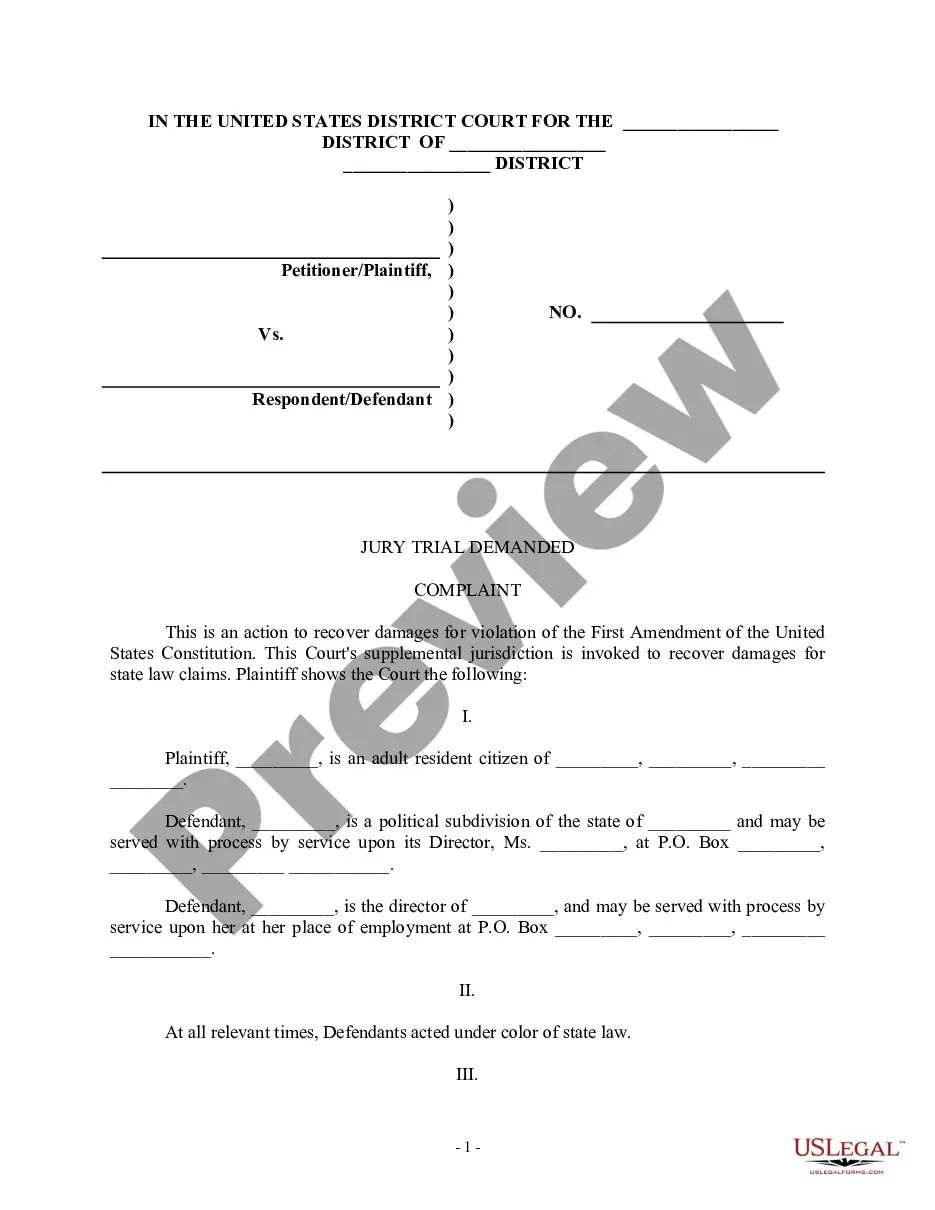
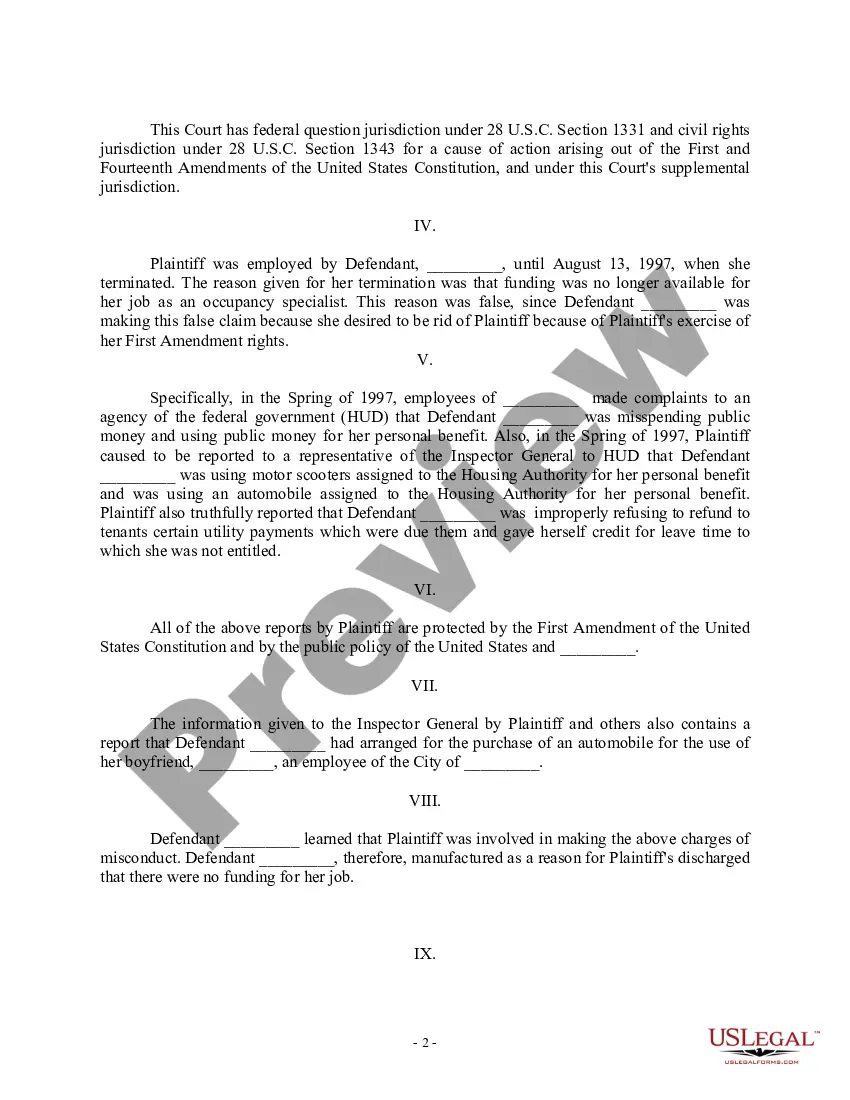
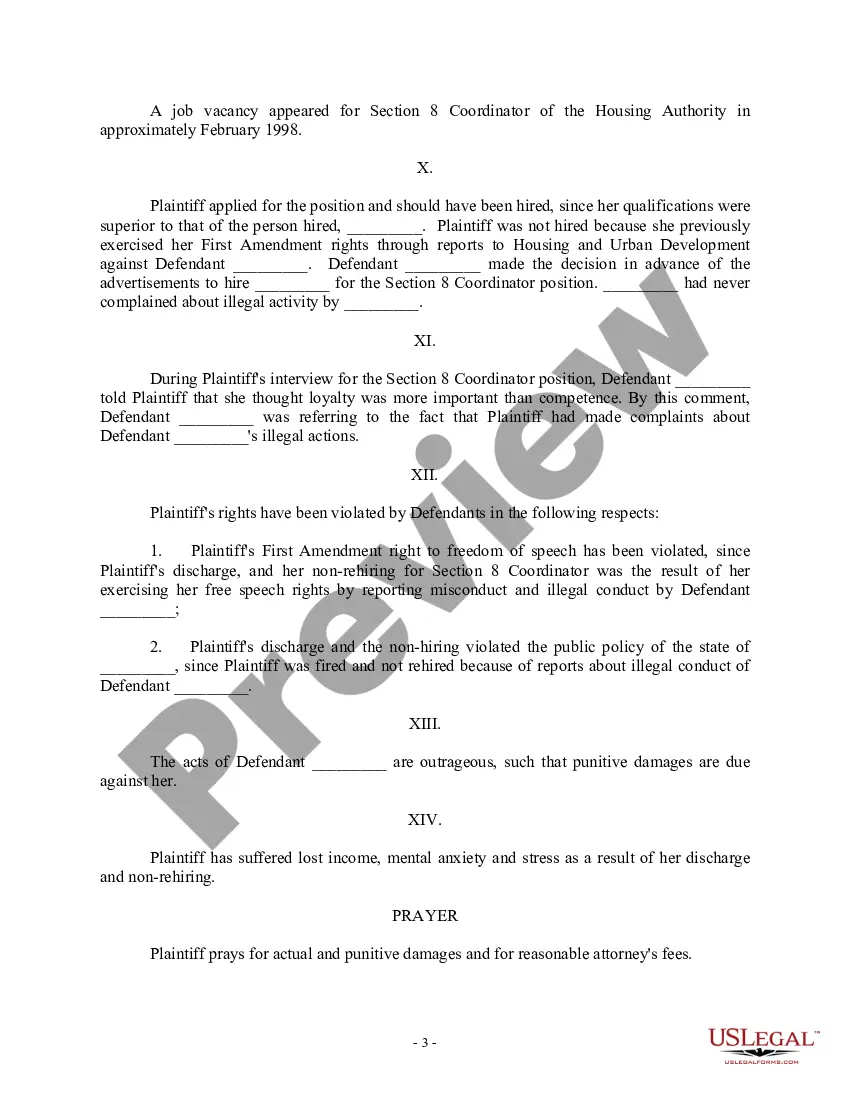
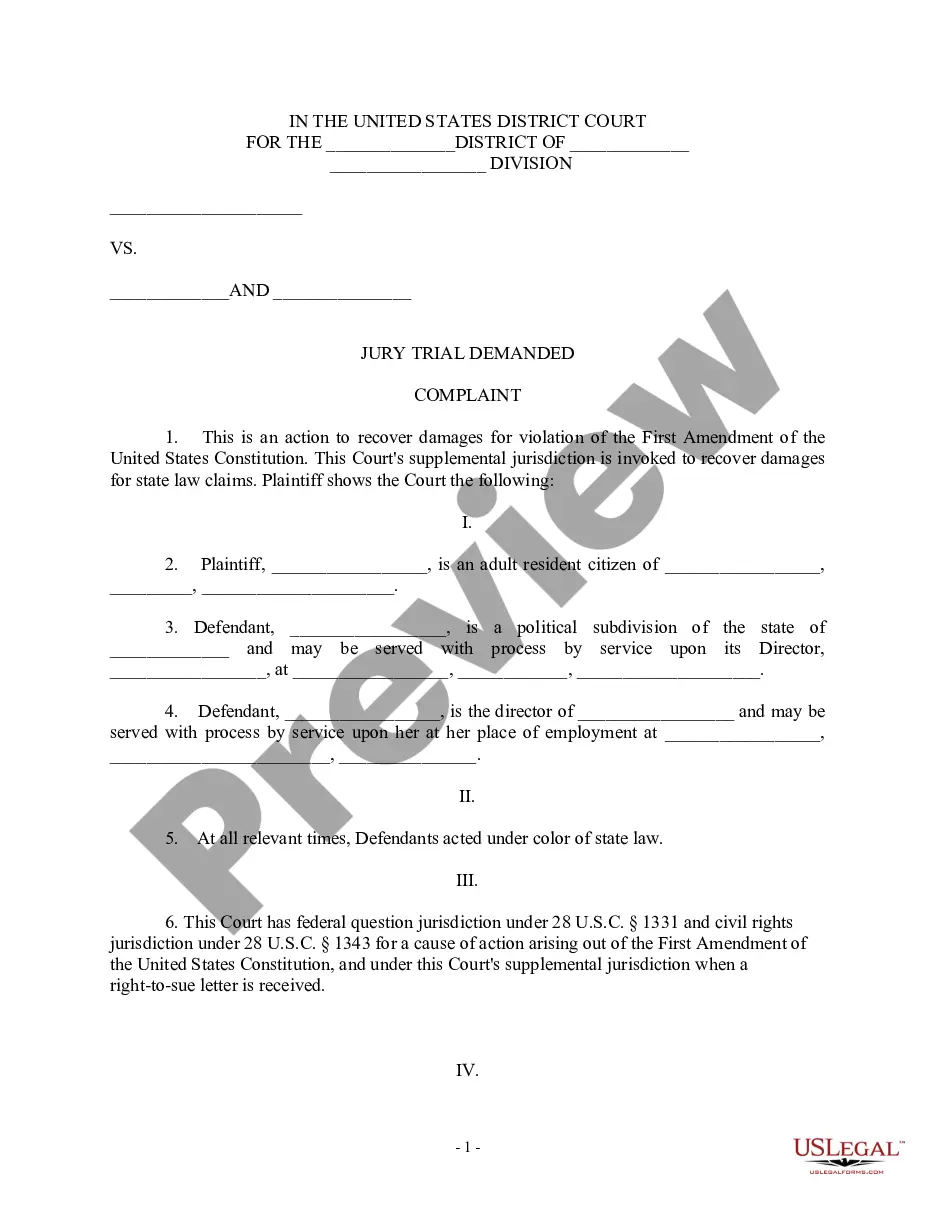
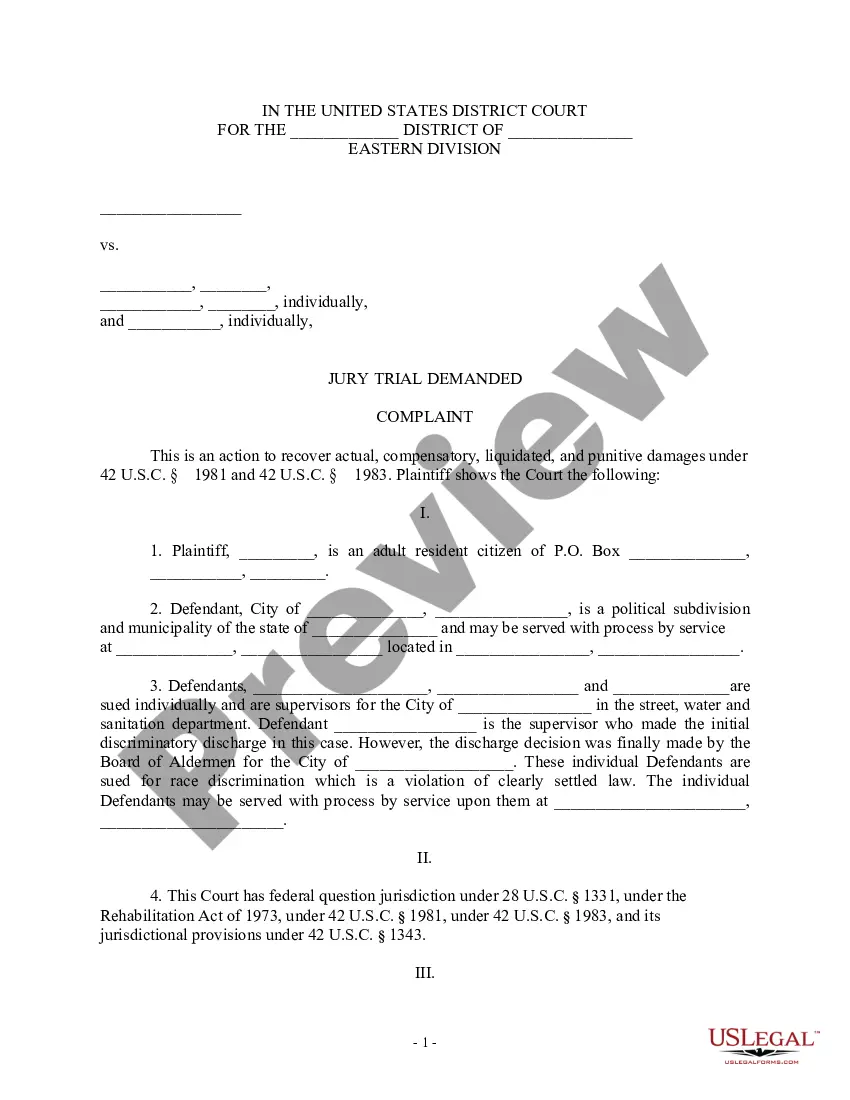
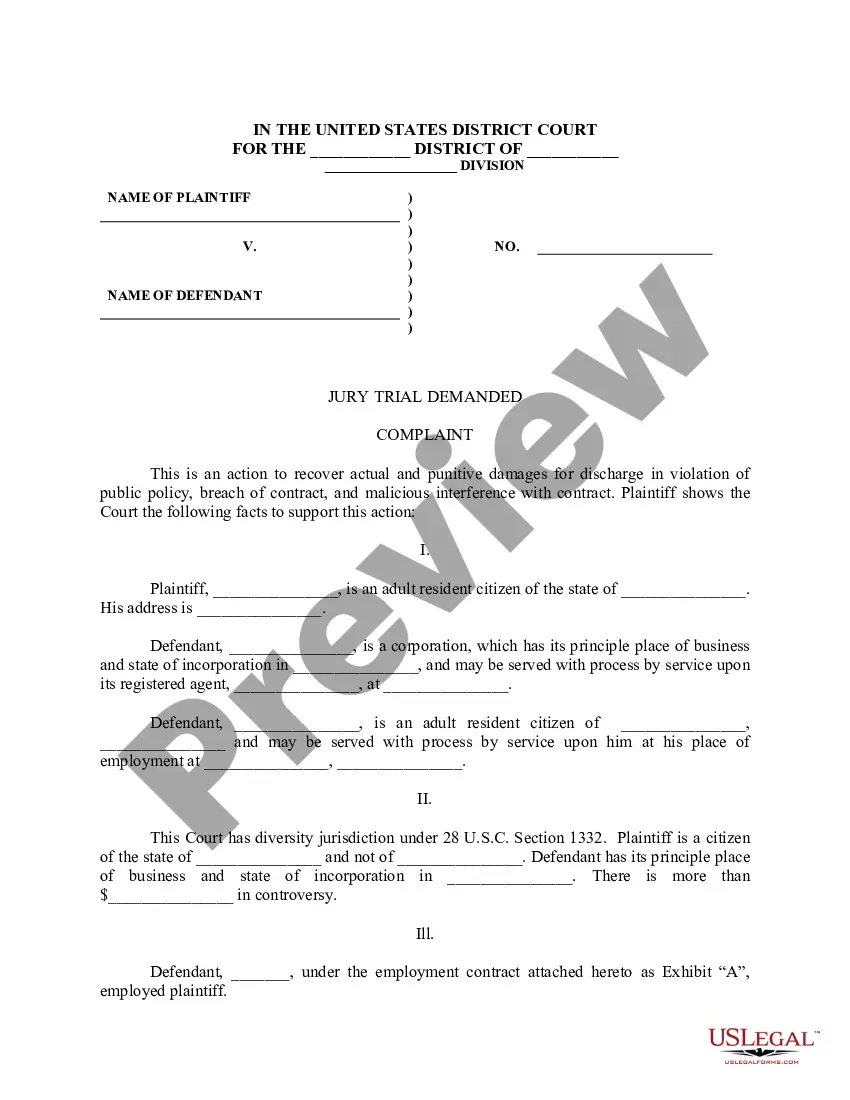
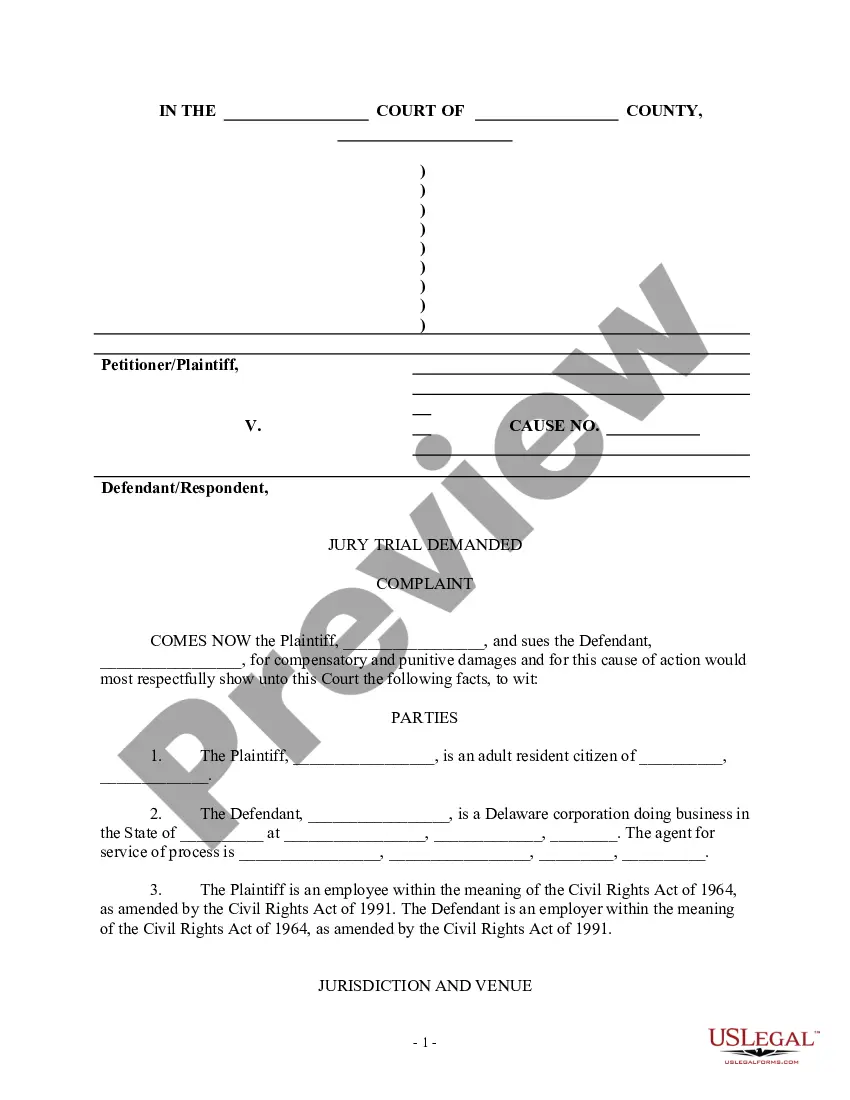
Get your form ready online
Our built-in tools help you complete, sign, share, and store your documents in one place.
Make edits, fill in missing information, and update formatting in US Legal Forms—just like you would in MS Word.
Download a copy, print it, send it by email, or mail it via USPS—whatever works best for your next step.
Sign and collect signatures with our SignNow integration. Send to multiple recipients, set reminders, and more. Go Premium to unlock E-Sign.
If this form requires notarization, complete it online through a secure video call—no need to meet a notary in person or wait for an appointment.
We protect your documents and personal data by following strict security and privacy standards.

Make edits, fill in missing information, and update formatting in US Legal Forms—just like you would in MS Word.

Download a copy, print it, send it by email, or mail it via USPS—whatever works best for your next step.

Sign and collect signatures with our SignNow integration. Send to multiple recipients, set reminders, and more. Go Premium to unlock E-Sign.

If this form requires notarization, complete it online through a secure video call—no need to meet a notary in person or wait for an appointment.

We protect your documents and personal data by following strict security and privacy standards.
Looking for another form?

Form popularity
FAQ
and therefore require that a criminal defendant should be tried by a jury composed of not less than twelve persons.” ); see also Ballew, 435 U.S. at 230 n.
The Seventh Amendment continues a practice from English common law of distinguishing civil claims which must be tried before a jury (absent waiver by the parties) from claims and issues that may be heard by a judge alone.
Crim. Proc. 23(b) advisory committee's note to 1944 adoption (explaining that the rule restated the existing practice of providing for twelve-member jury, absent stipulation by the parties for a smaller jury).
Amendment Seven to the Constitution was ratified on December 15, 1791. It protects the right for citizens to have a jury trial in federal courts with civil cases where the claim exceeds a certain dollar value. It also prohibits judges in these trials from overruling facts revealed by the jury.
Amendment 7 In Suits at common law, where the value in controversy shall exceed twenty dollars, the right of trial by jury shall be preserved, and no fact tried by a jury, shall be otherwise re-examined in any Court of the United States, than ing to the rules of the common law.
The Seventh Amendment extends the right to a jury trial to federal civil cases such as car accidents, disputes between corporations for breach of contract, or most discrimination or employment disputes.
The Sixth and Fourteenth Amendments to the United States Constitution guarantee the right to jury trial in non-petty criminal cases. The Seventh Amendment guarantees that right in federal civil cases. As historically understood this guarantee required a jury “composed of not less than twelve persons.” Thompson v.
The amendment's twenty-dollar threshold has not been the subject of much scholarly or judicial writing and still remains applicable despite the inflation that has occurred since the late 18th century ($20 in 1791 is equivalent to $480 in 2023; $20 in 1800 was convertible to a Troy ounce of gold).