Jury Trial For Divorce In Kings
Description

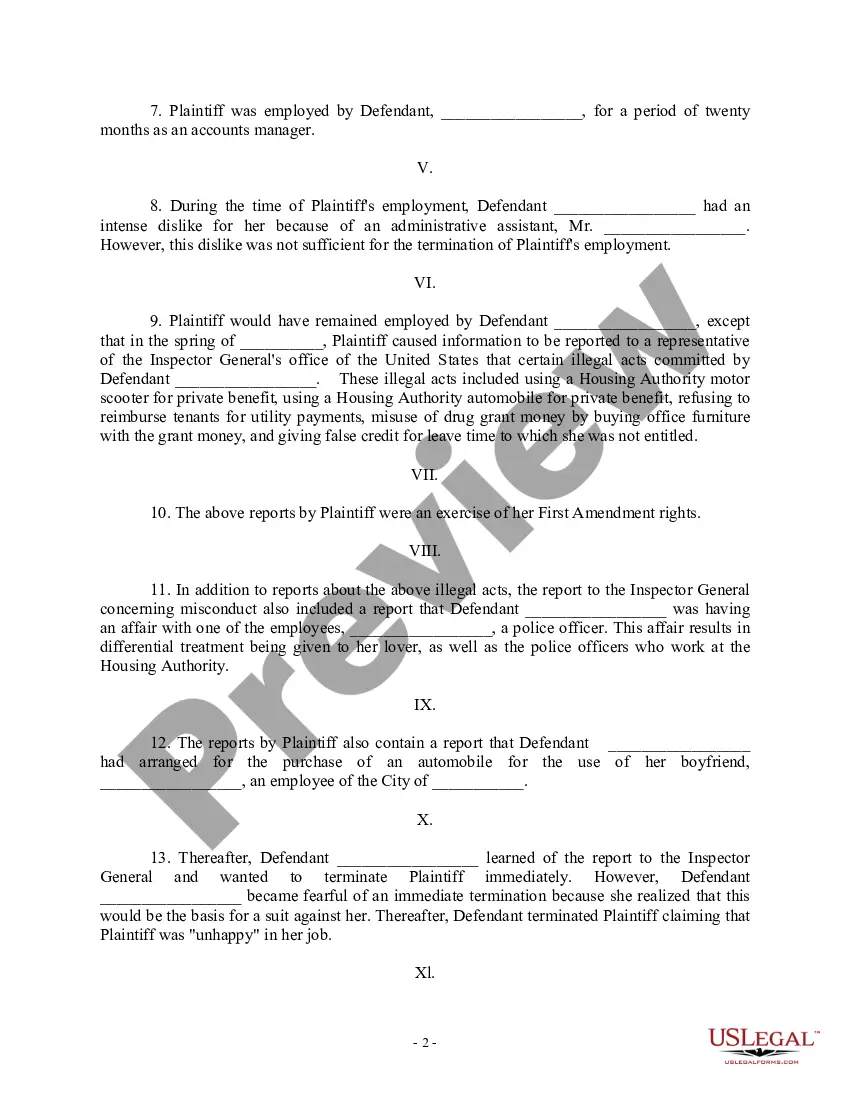
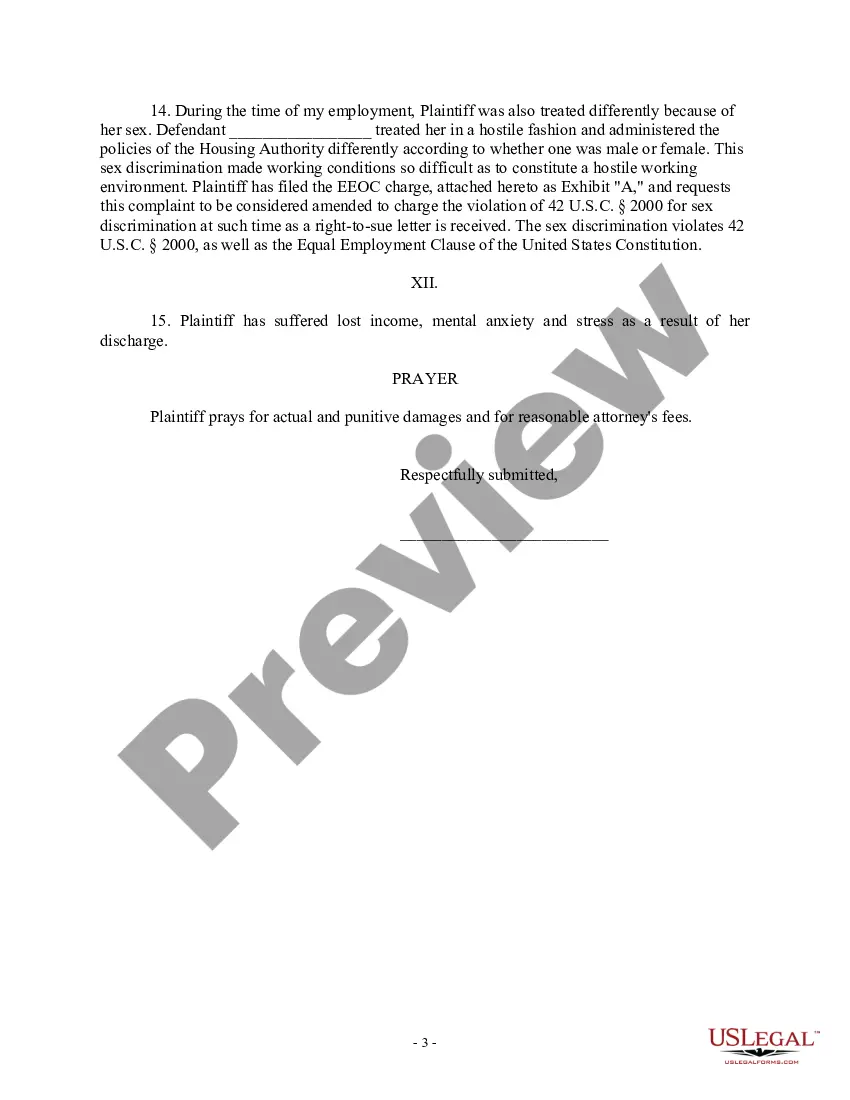




Get your form ready online
Our built-in tools help you complete, sign, share, and store your documents in one place.
Make edits, fill in missing information, and update formatting in US Legal Forms—just like you would in MS Word.
Download a copy, print it, send it by email, or mail it via USPS—whatever works best for your next step.
Sign and collect signatures with our SignNow integration. Send to multiple recipients, set reminders, and more. Go Premium to unlock E-Sign.
If this form requires notarization, complete it online through a secure video call—no need to meet a notary in person or wait for an appointment.
We protect your documents and personal data by following strict security and privacy standards.

Make edits, fill in missing information, and update formatting in US Legal Forms—just like you would in MS Word.

Download a copy, print it, send it by email, or mail it via USPS—whatever works best for your next step.

Sign and collect signatures with our SignNow integration. Send to multiple recipients, set reminders, and more. Go Premium to unlock E-Sign.

If this form requires notarization, complete it online through a secure video call—no need to meet a notary in person or wait for an appointment.

We protect your documents and personal data by following strict security and privacy standards.
Looking for another form?
Form popularity
FAQ
In the US you generally don't need consent to get a divorce. If one person refuses to cooperate, the judge will order them to. If they still refuse, the judge could find them in contempt, or they could order the divorce granted based on the information provided by the plaintiff.
Ing to a 2019 survey conducted by Martindale-Nolo Research, contested divorces take at least 18 months to finalize in California.
There's no Federal constitutional right to a jury trial in family law cases. The jury trial guarantees in the Bill of Rights apply only to civil ``actions at law''; at the time of the Bill of Rights, divorces were ``actions in equity'', and do not fall within the right to jury trial.
In general, an uncontested divorce can be finalized in six weeks to three months. The timeline will largely depend on how quickly divorce documents can be signed and notarized, how quickly the spouses can coordinate and work together, and how long it takes to get the documents before a judge.
But ultimately - if your spouse won't sign your divorce papers or won't participate in your divorce - you will need a judge to divorce you. What's important to remember is that if you and your spouse can't agree on your divorce terms a judge will decide your divorce issues for you. You WILL get divorced.
More than 90 percent of divorce cases settle prior to trial—either by one spouse offering a settlement that the other accepts, or at mediation.
Typically the Judge will dismiss the case if neither party shows up. However, the Judge may have also continued the case, so your case may still be active. Most likely your case is still active because the initial court appearance is a 30 day status conference.
There's no Federal constitutional right to a jury trial in family law cases. The jury trial guarantees in the Bill of Rights apply only to civil ``actions at law''; at the time of the Bill of Rights, divorces were ``actions in equity'', and do not fall within the right to jury trial.
The summary jury trial usually involves a summarized presentation of a civil case to an advisory jury to show the parties how a jury reacts to the evidence. The procedure is nonbinding. Summary jury trials, however, generally foster dispute settlement.
The rules of evidence are relaxed and the jury decision is recommended, not binding in nature. The process gives the parties an opportunity to experience an official court hearing and to see how a jury of their peers would view the case. A summary jury trial is usually finished in a day or less.