Defect Products For Sale In Virginia
Description
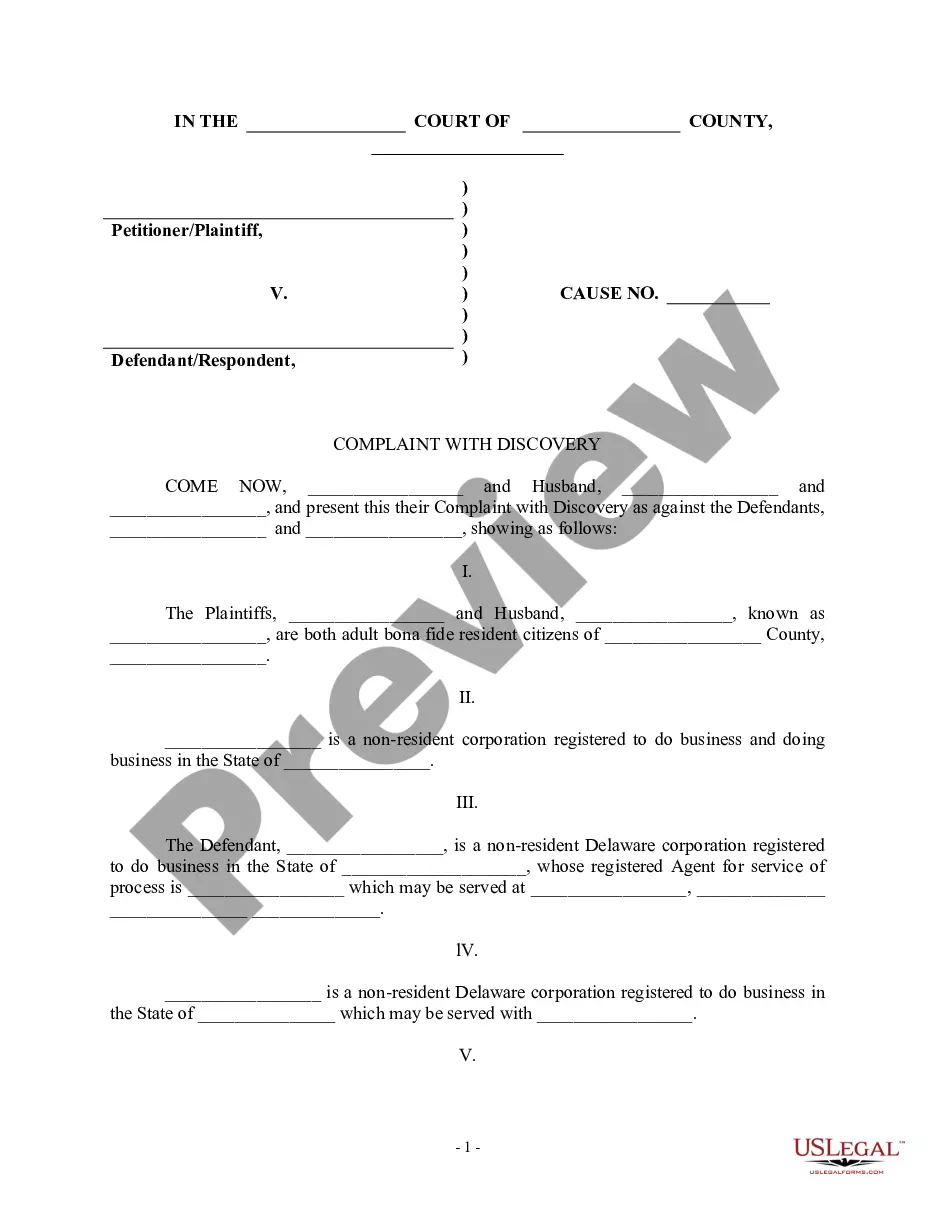
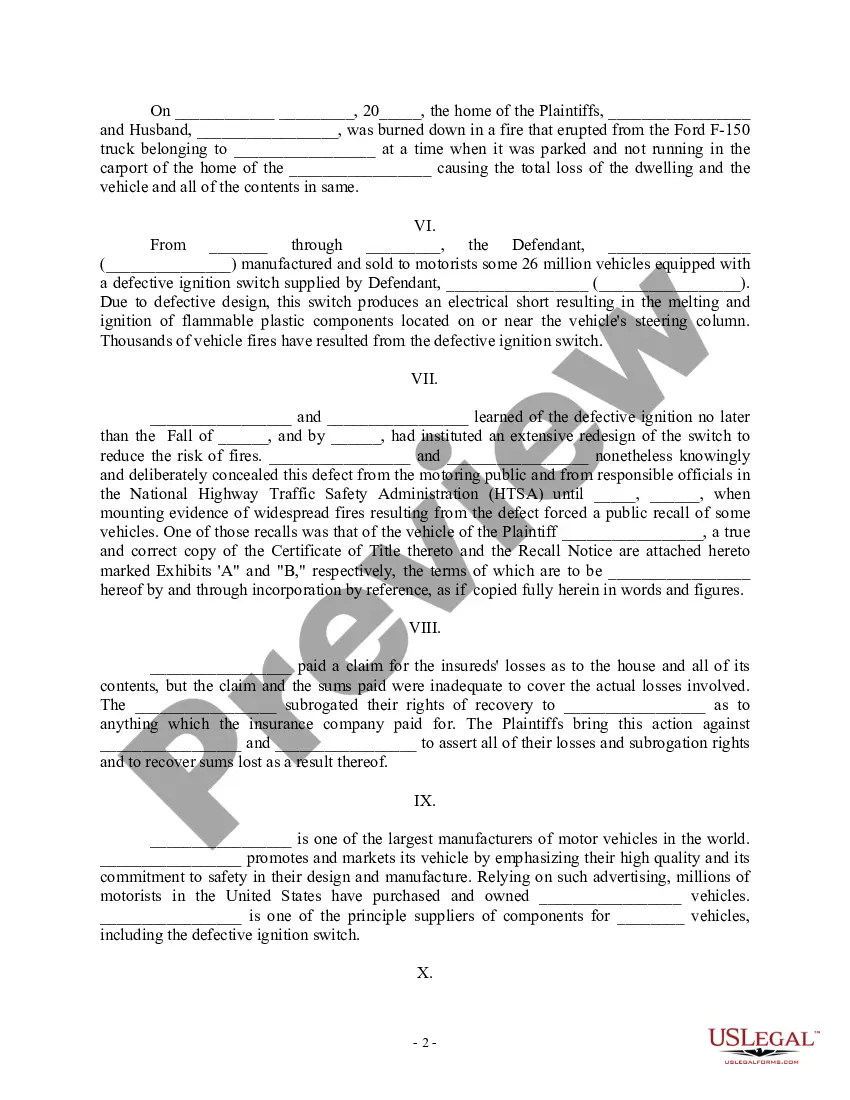
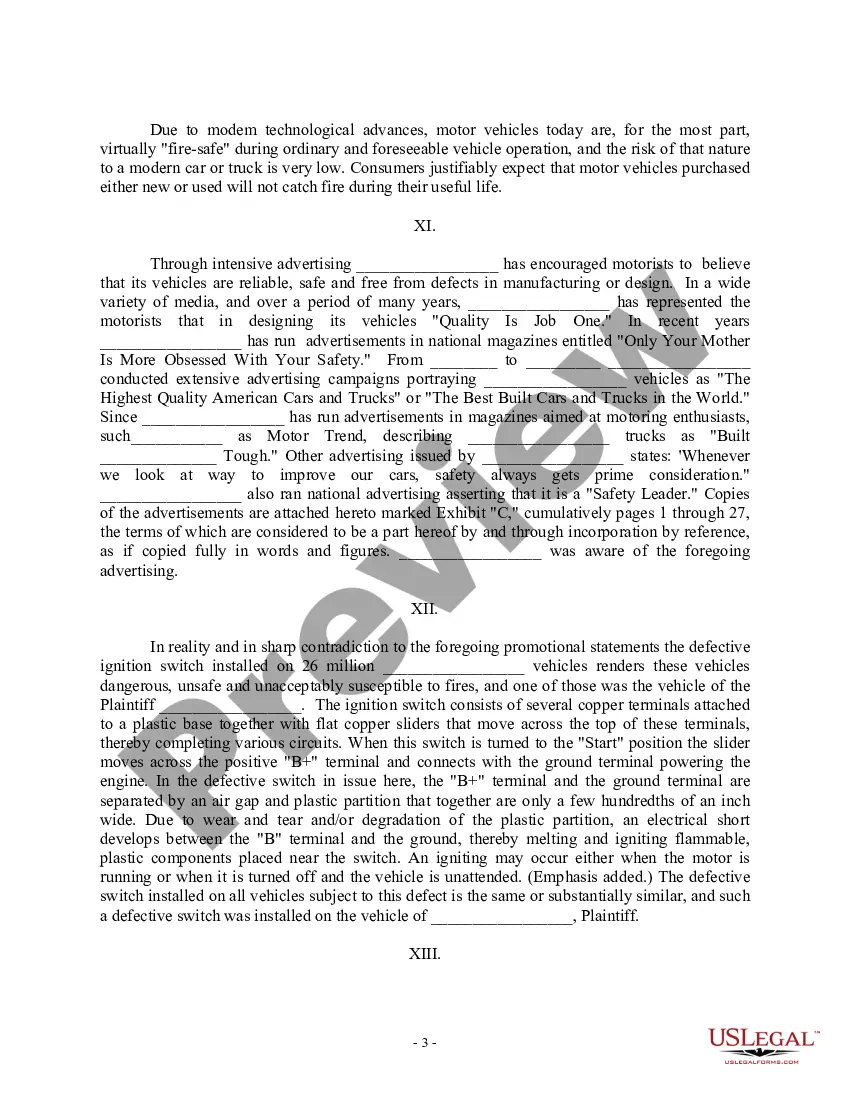
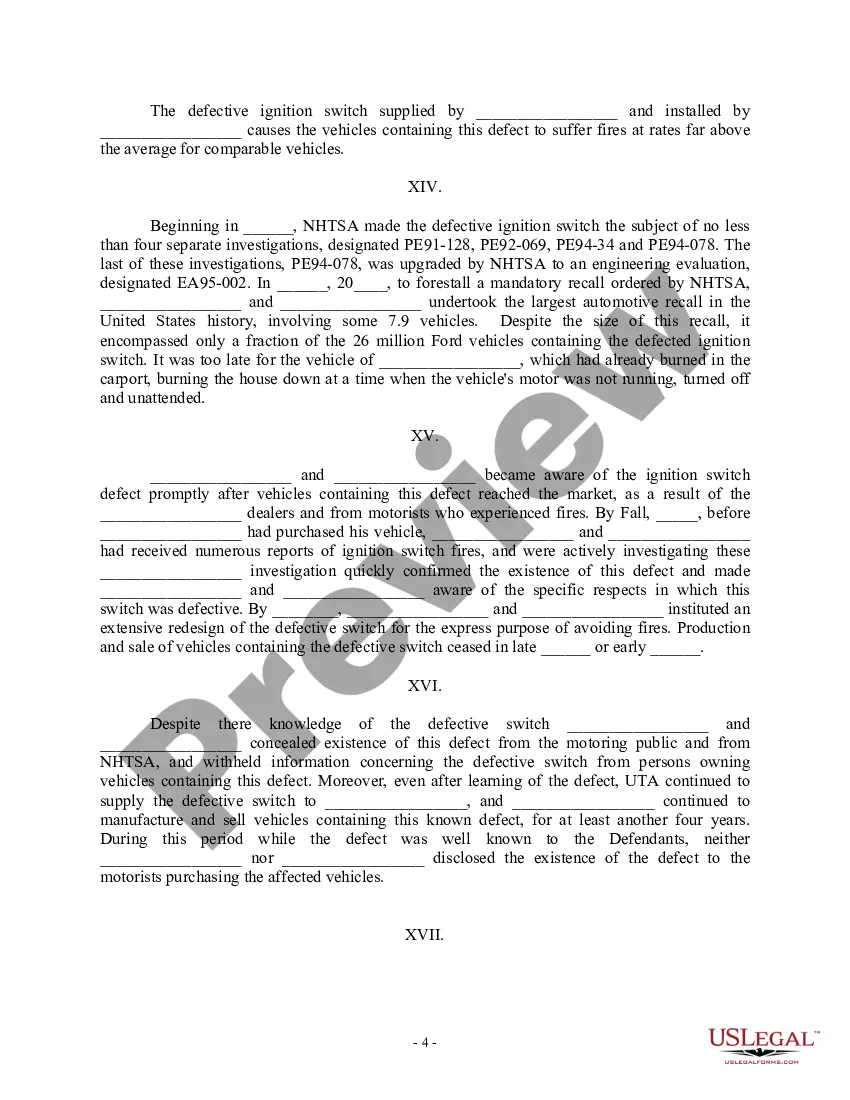

Get your form ready online
Our built-in tools help you complete, sign, share, and store your documents in one place.
Make edits, fill in missing information, and update formatting in US Legal Forms—just like you would in MS Word.
Download a copy, print it, send it by email, or mail it via USPS—whatever works best for your next step.
Sign and collect signatures with our SignNow integration. Send to multiple recipients, set reminders, and more. Go Premium to unlock E-Sign.
If this form requires notarization, complete it online through a secure video call—no need to meet a notary in person or wait for an appointment.
We protect your documents and personal data by following strict security and privacy standards.

Make edits, fill in missing information, and update formatting in US Legal Forms—just like you would in MS Word.

Download a copy, print it, send it by email, or mail it via USPS—whatever works best for your next step.

Sign and collect signatures with our SignNow integration. Send to multiple recipients, set reminders, and more. Go Premium to unlock E-Sign.

If this form requires notarization, complete it online through a secure video call—no need to meet a notary in person or wait for an appointment.

We protect your documents and personal data by following strict security and privacy standards.
Looking for another form?


Form popularity
FAQ
Defective products can result from design flaws, manufacturing errors, or inadequate warnings. Common examples include faulty electronics that overheat, dangerous toys with small parts, and defective automotive components that cause accidents.
However, Virginia is one of only five states that does not recognize the legal theory of “strict liability.” Commercial statutes in Virginia contain warranty rules that also impact your case. Negligence involves duty, breach, causation and damages.
Defective products can result from design flaws, manufacturing errors, or inadequate warnings. Common examples include faulty electronics that overheat, dangerous toys with small parts, and defective automotive components that cause accidents.
Product liability law includes automobiles, workplace machinery, and more. Under Virginia law, a product must be reasonably safe for its intended purposes and for its reasonably foreseeable uses. However, products are not required to be designed or produced with features representing the ultimate in safety.
Examples of defective or inappropriate equipment in the workplace could include: Machines which do not have guards to prevent fingers and hands getting caught. Inappropriate or temporary repairs to equipment which makes that equipment categorically unsafe. Equipment which is broken.
For example, a car design that makes the vehicle prone to rolling over, a toy designed with small parts that can cause choking, or a piece of furniture that is unstable and likely to tip over can all have design defects.
When a product is defective, it means that the product has some kind of flaw or problem that makes it unreasonably dangerous to use. A product may be defective because of poor design, manufacturing errors, or a failure to warn consumers about potential dangers.
If a conscientious company has discovered a defect with one of its products, it may issue a product recall. Through the recall, they accept the financial burden of replacing, fixing, or reimbursing consumers for the defective goods.
With regard to products liability, a defendant is liable when the plaintiff proves that the product is defective, regardless of the defendant's intent. It is irrelevant whether the manufacturer or supplier exercised great care; if there is a defect in the product that causes harm, he or she will be liable for it.
If a product you purchased is defective, you can get a refund and/or a buy-back from the manufacturer. You have rights as a consumer to file a complaint in consumer court to solve the problem. You can do this by sending a legal notice to the seller or service provider.