Defect Product In In North Carolina
Description
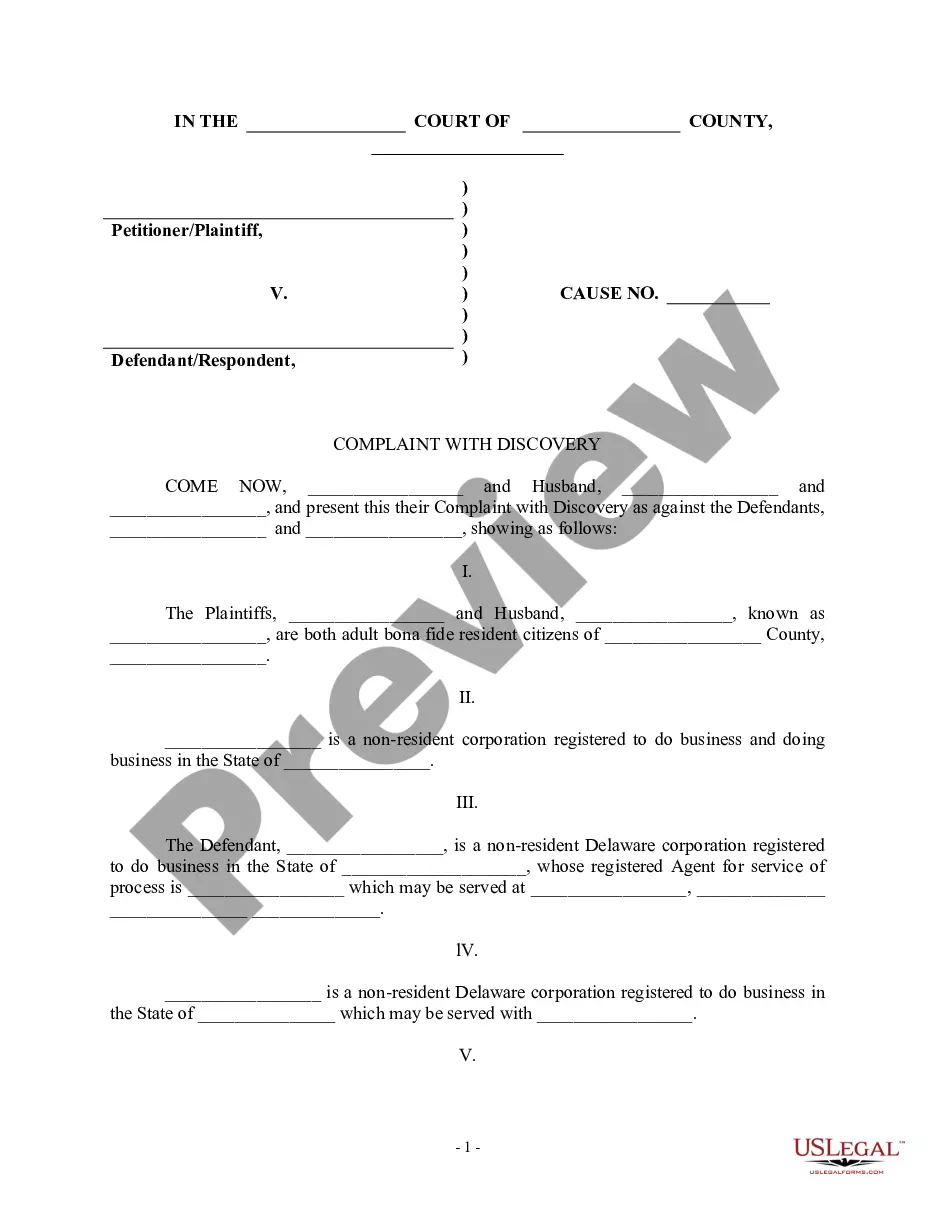
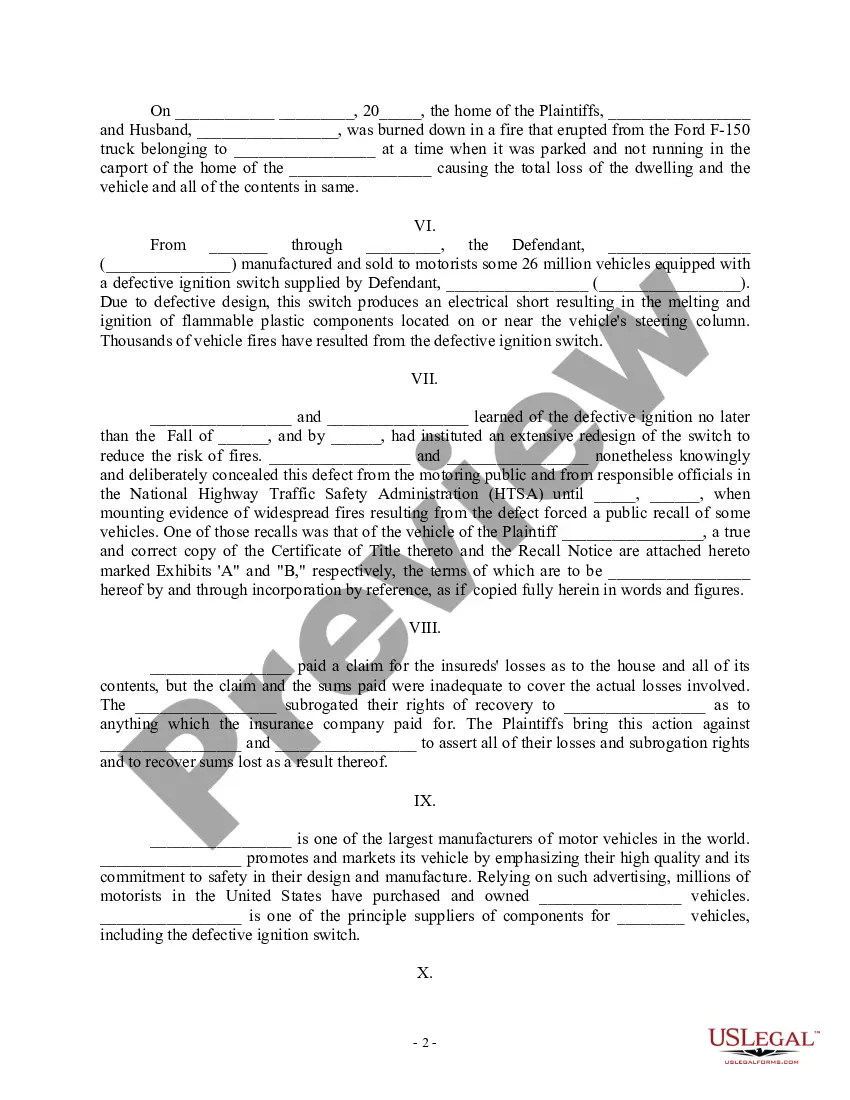
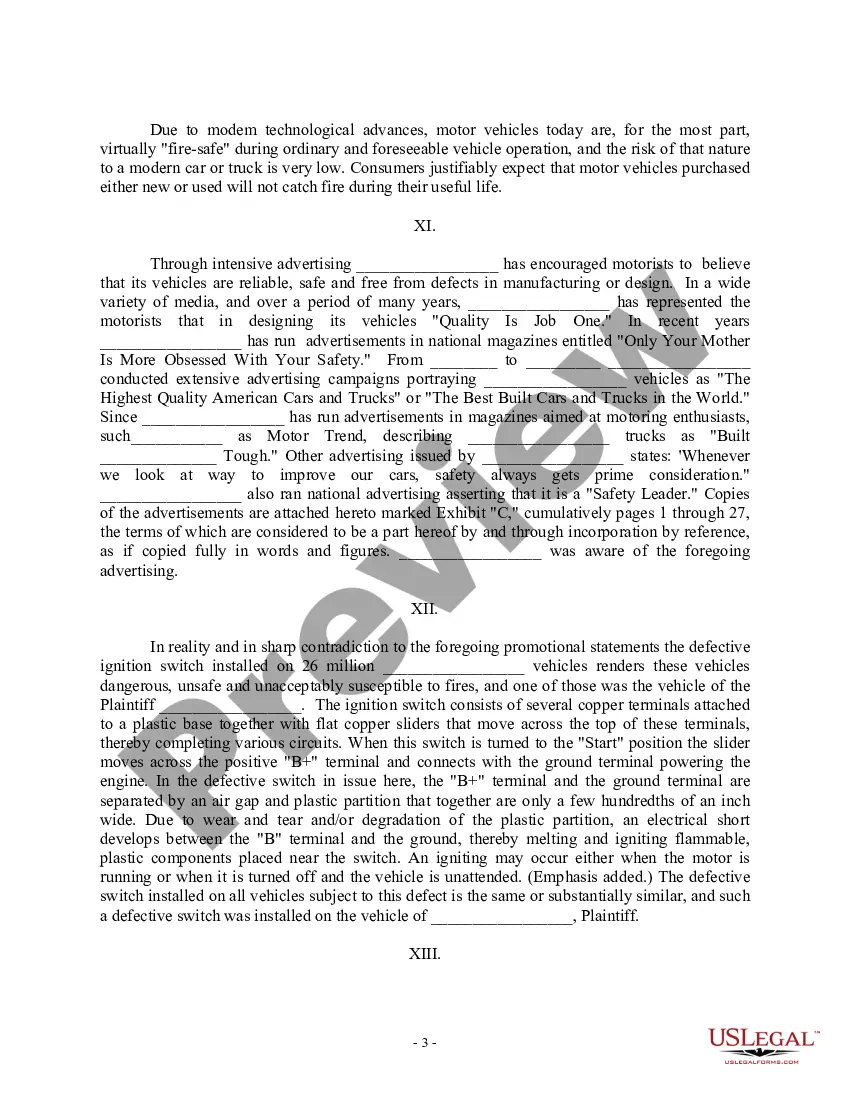
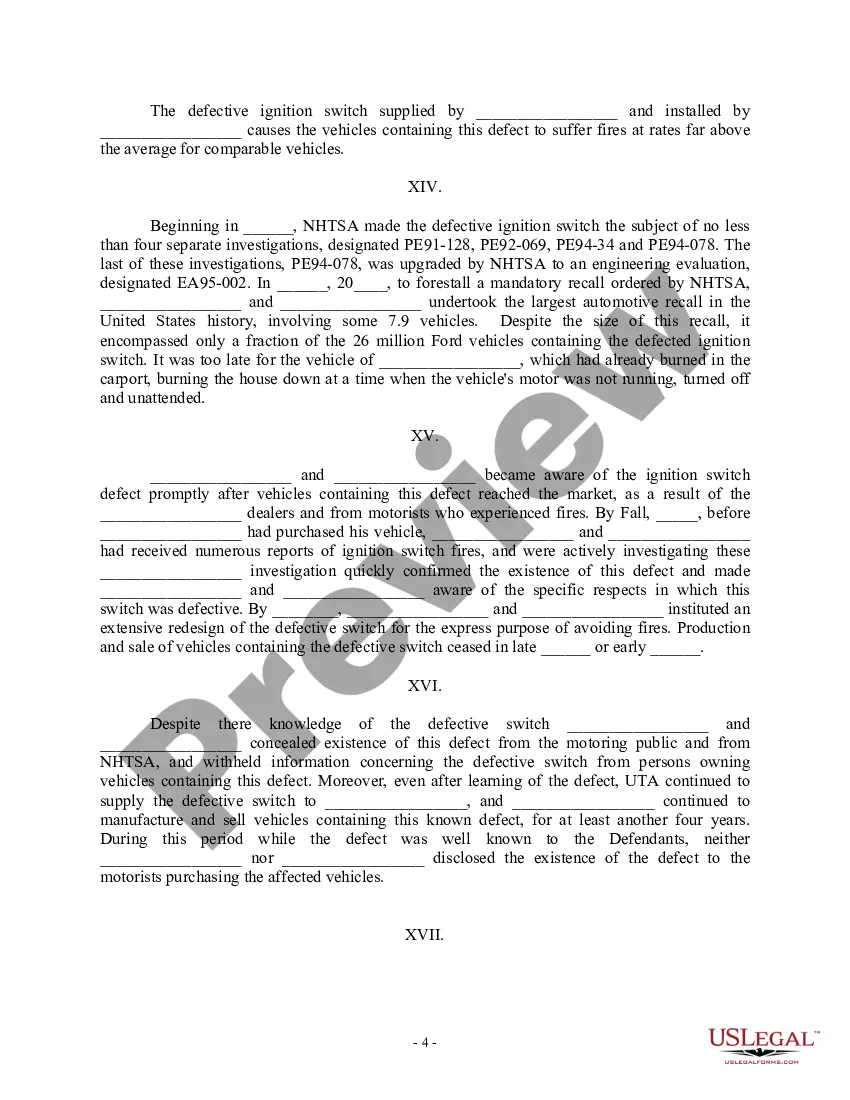
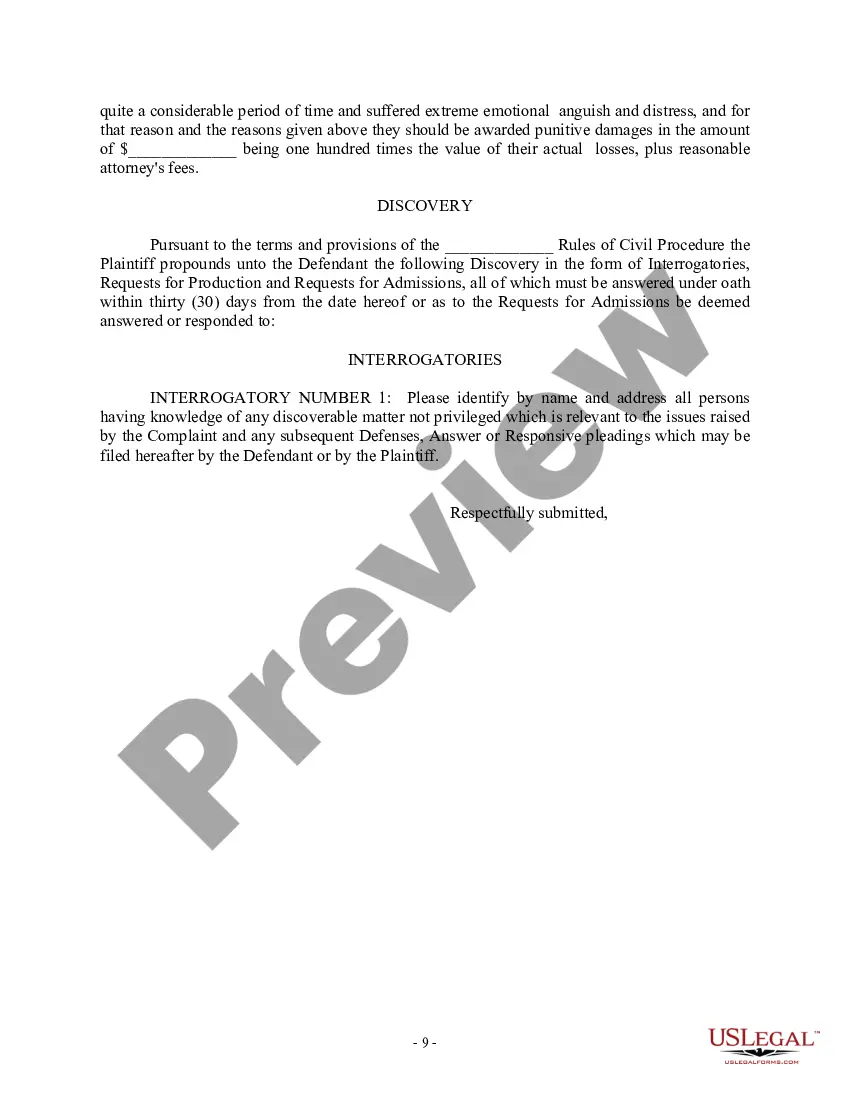
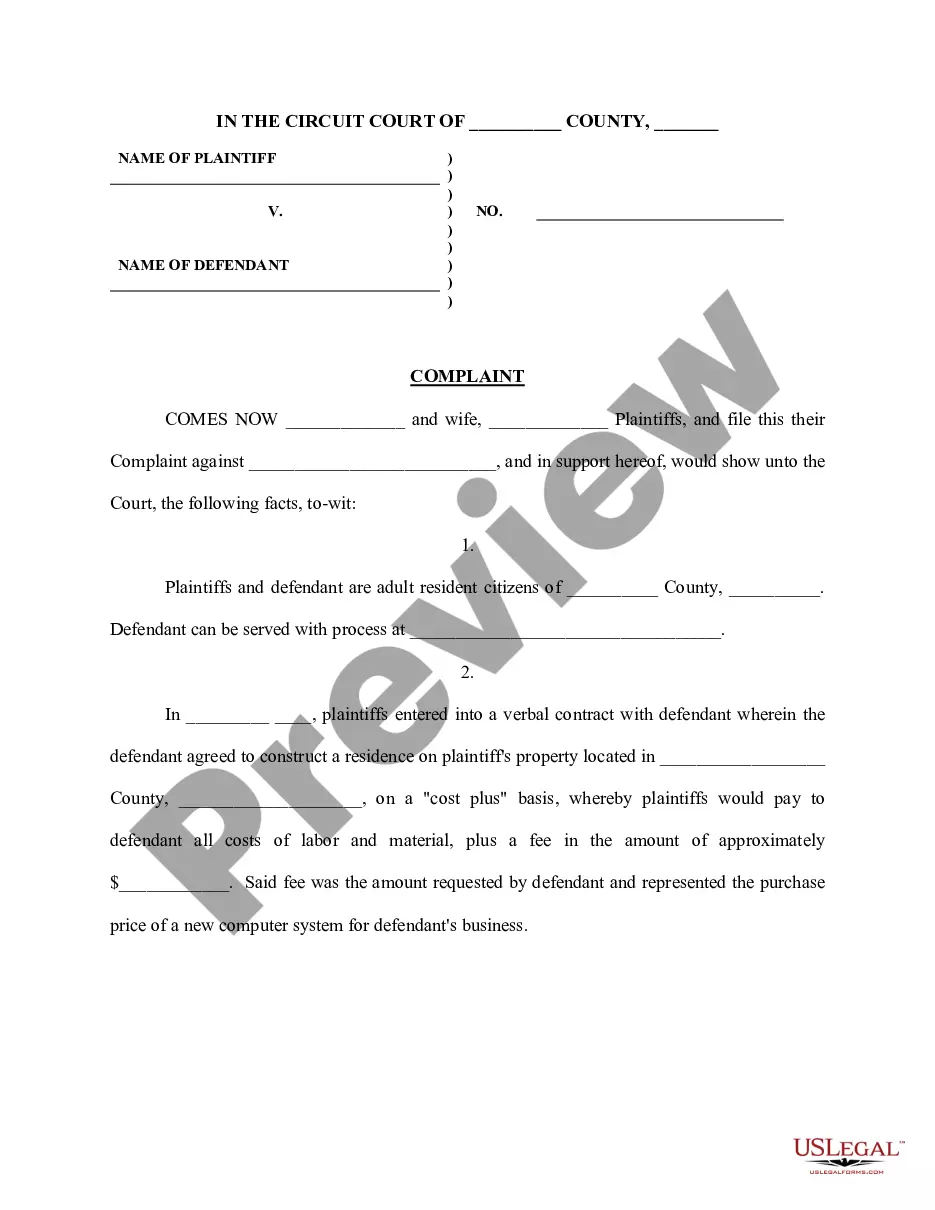
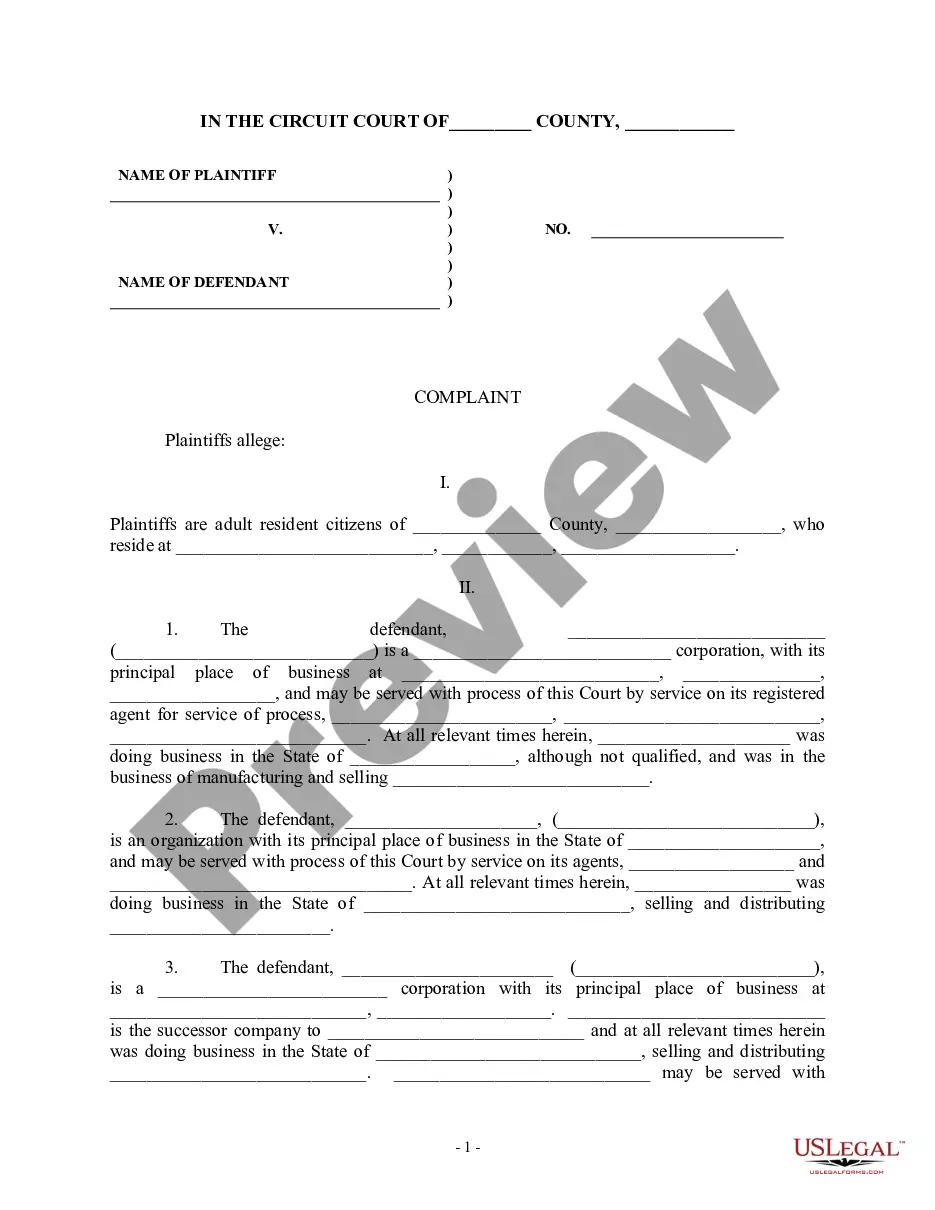


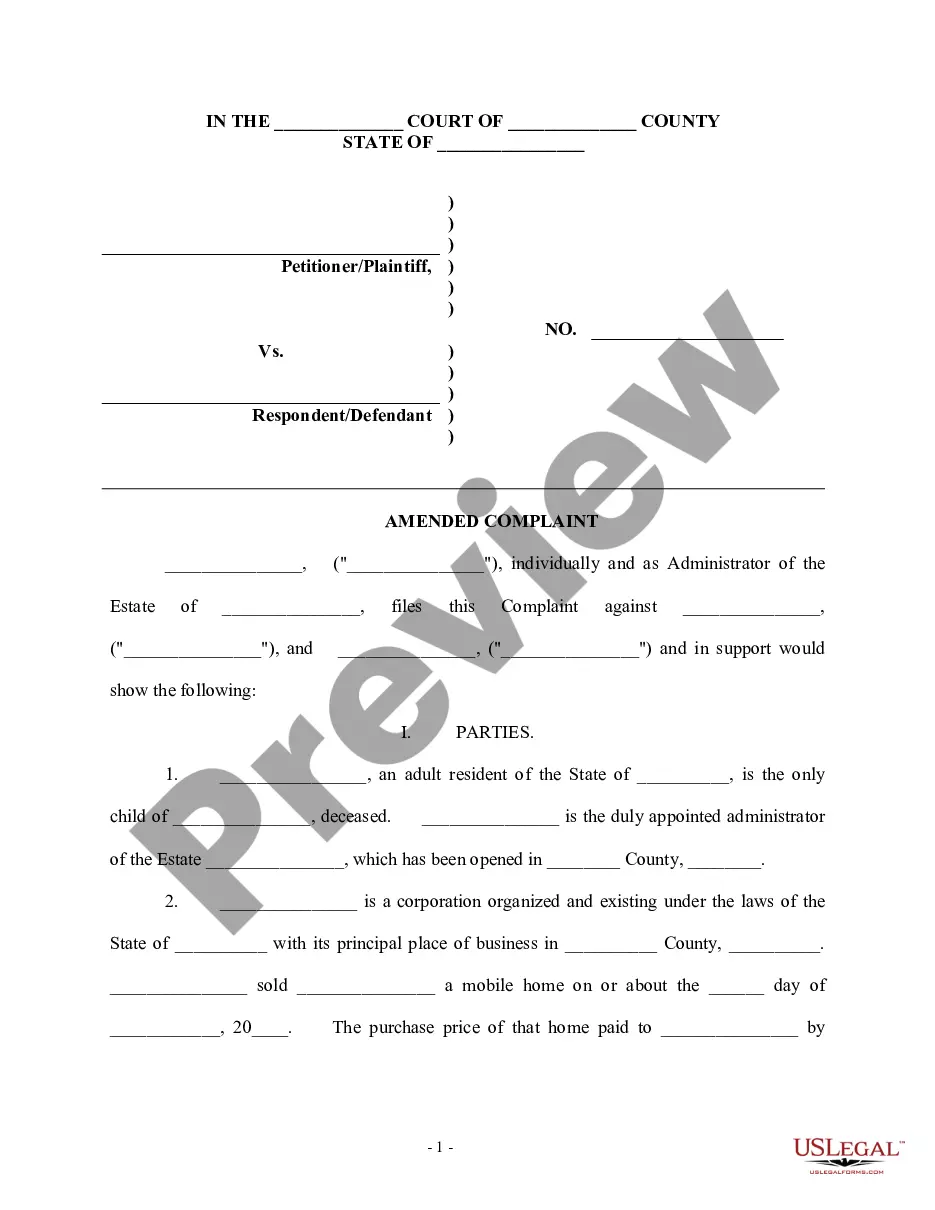
Get your form ready online
Our built-in tools help you complete, sign, share, and store your documents in one place.
Make edits, fill in missing information, and update formatting in US Legal Forms—just like you would in MS Word.
Download a copy, print it, send it by email, or mail it via USPS—whatever works best for your next step.
Sign and collect signatures with our SignNow integration. Send to multiple recipients, set reminders, and more. Go Premium to unlock E-Sign.
If this form requires notarization, complete it online through a secure video call—no need to meet a notary in person or wait for an appointment.
We protect your documents and personal data by following strict security and privacy standards.

Make edits, fill in missing information, and update formatting in US Legal Forms—just like you would in MS Word.

Download a copy, print it, send it by email, or mail it via USPS—whatever works best for your next step.

Sign and collect signatures with our SignNow integration. Send to multiple recipients, set reminders, and more. Go Premium to unlock E-Sign.

If this form requires notarization, complete it online through a secure video call—no need to meet a notary in person or wait for an appointment.

We protect your documents and personal data by following strict security and privacy standards.
Looking for another form?







Form popularity
FAQ
Products are considered to be defective when they have design, manufacturing, or marketing defects. When these flaws make the product unreasonably dangerous, victims have the right to pursue a product liability claim for compensation with the help of an injury attorney in San Diego.
A product is defective if errors occur during its design, manufacture, or marketing. If a defective product injured you or your loved one, the party responsible for the error may be legally liable for damages from the injury.
A product defect is any characteristic of a product which hinders its usability for the purpose for which it was designed and manufactured. Product defects arise most prominently in legal contexts regarding product safety, where the term is applied to "anything that renders the product not reasonably safe".
Generally, to prove product liability you must prove that an inherent defect or misinformation within the product caused the damages claimed. In other words, the plaintiff must prove that the product was inherently defective and that the defect in the product has caused injury or damage.
The product has an obvious and observable defect. the product is not reasonably fit for its ordinary and intended use.
There are two main ways to prove a product liability case: 1- the Consumer-Expectation Test and 2- the Risk Utility Test. Under both tests, the plaintiff has the burden to prove that the product that caused injury was defective and unreasonably dangerous.
When a product is defective, it means that the product has some kind of flaw or problem that makes it unreasonably dangerous to use. A product may be defective because of poor design, manufacturing errors, or a failure to warn consumers about potential dangers.
Broken or damaged - this is known as not of satisfactory quality. unusable - this is known as not fit for purpose. not what was advertised or doesn't match the seller's description.
When a product is defective, it means that the product has some kind of flaw or problem that makes it unreasonably dangerous to use. A product may be defective because of poor design, manufacturing errors, or a failure to warn consumers about potential dangers.
With regard to products liability, a defendant is liable when the plaintiff proves that the product is defective, regardless of the defendant's intent. It is irrelevant whether the manufacturer or supplier exercised great care; if there is a defect in the product that causes harm, he or she will be liable for it.