Product Defect Examples In New York
Description
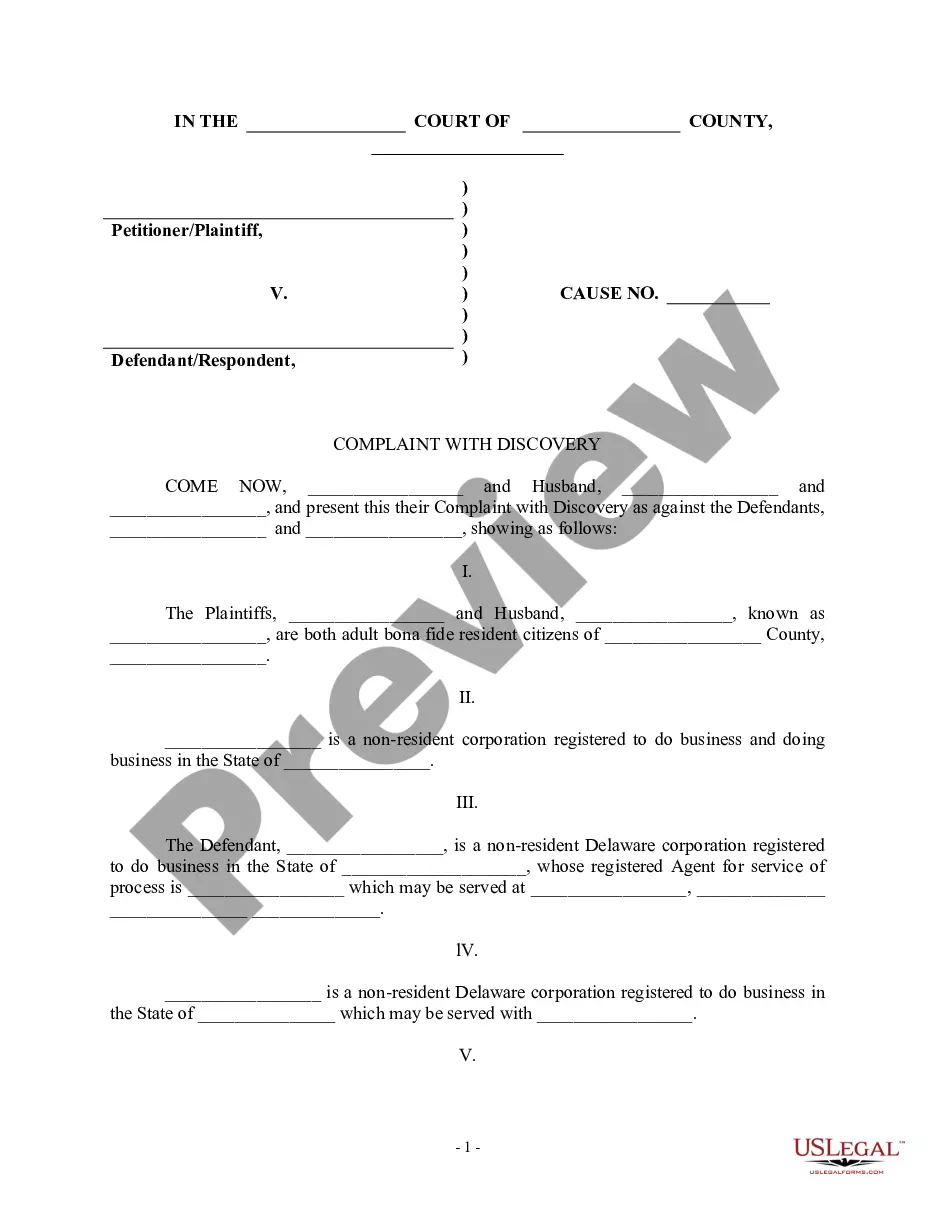
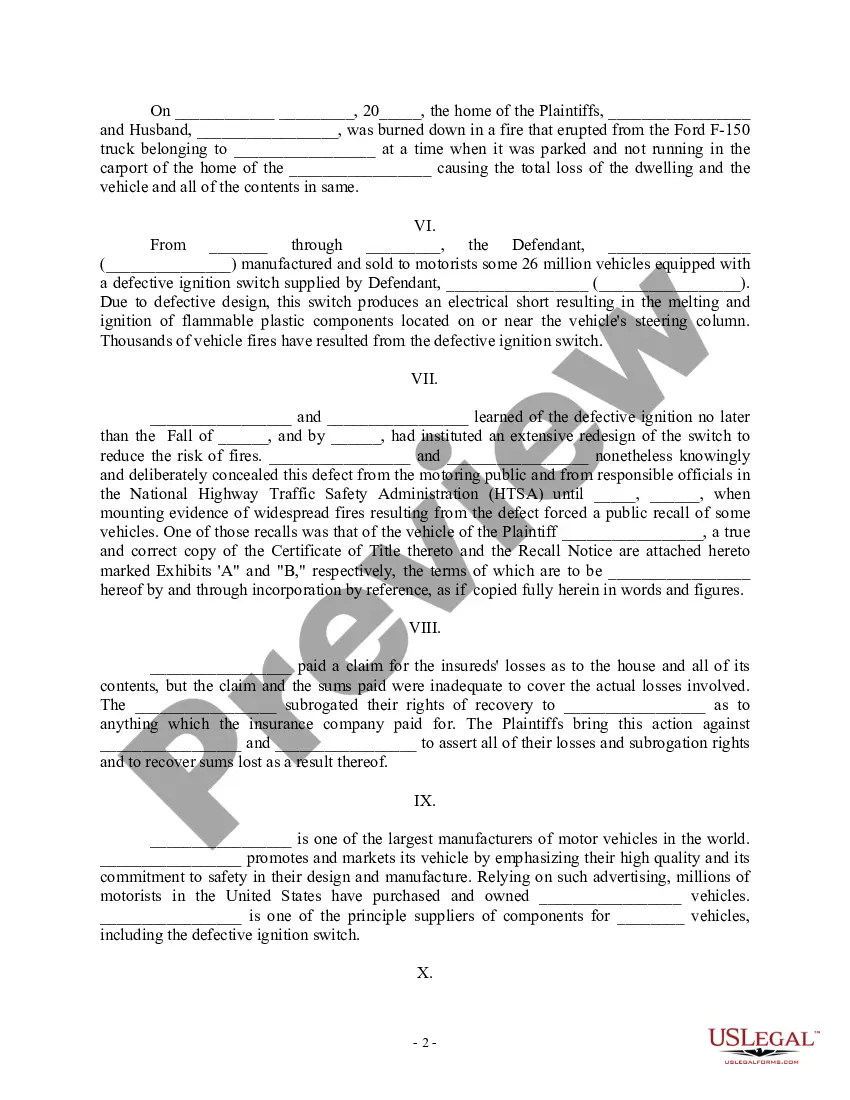
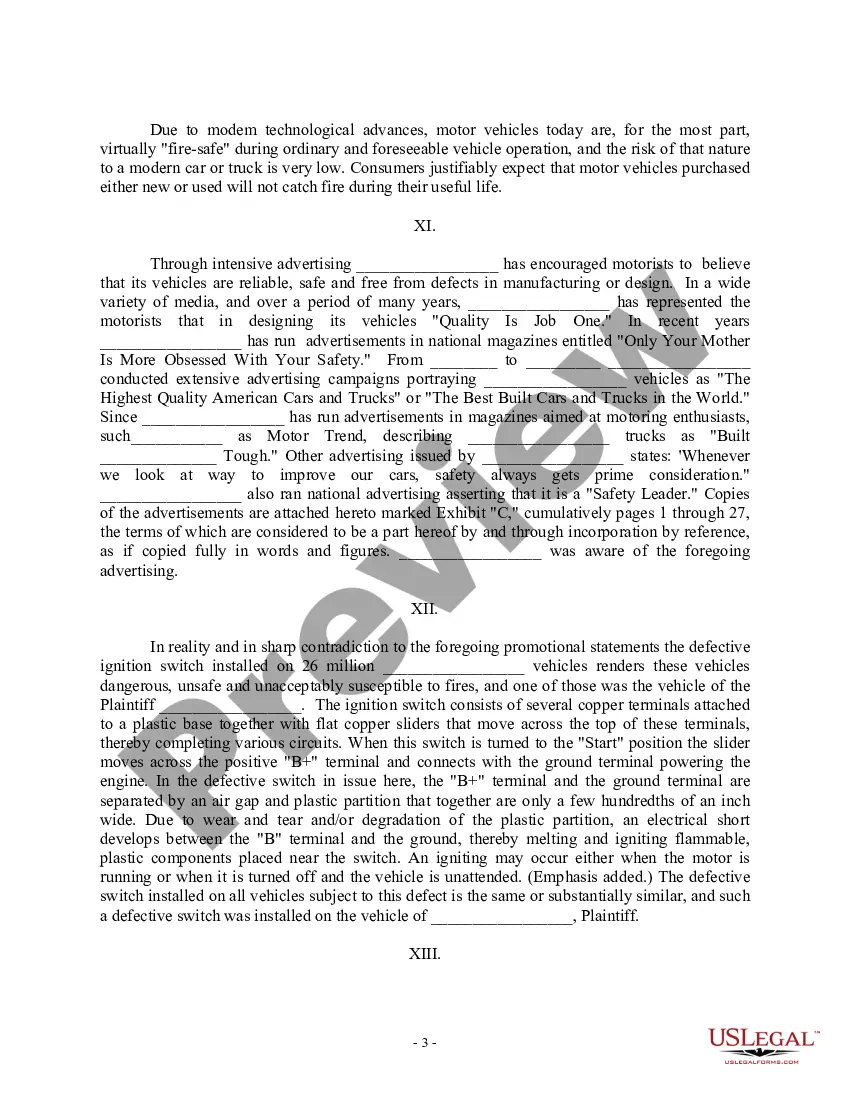
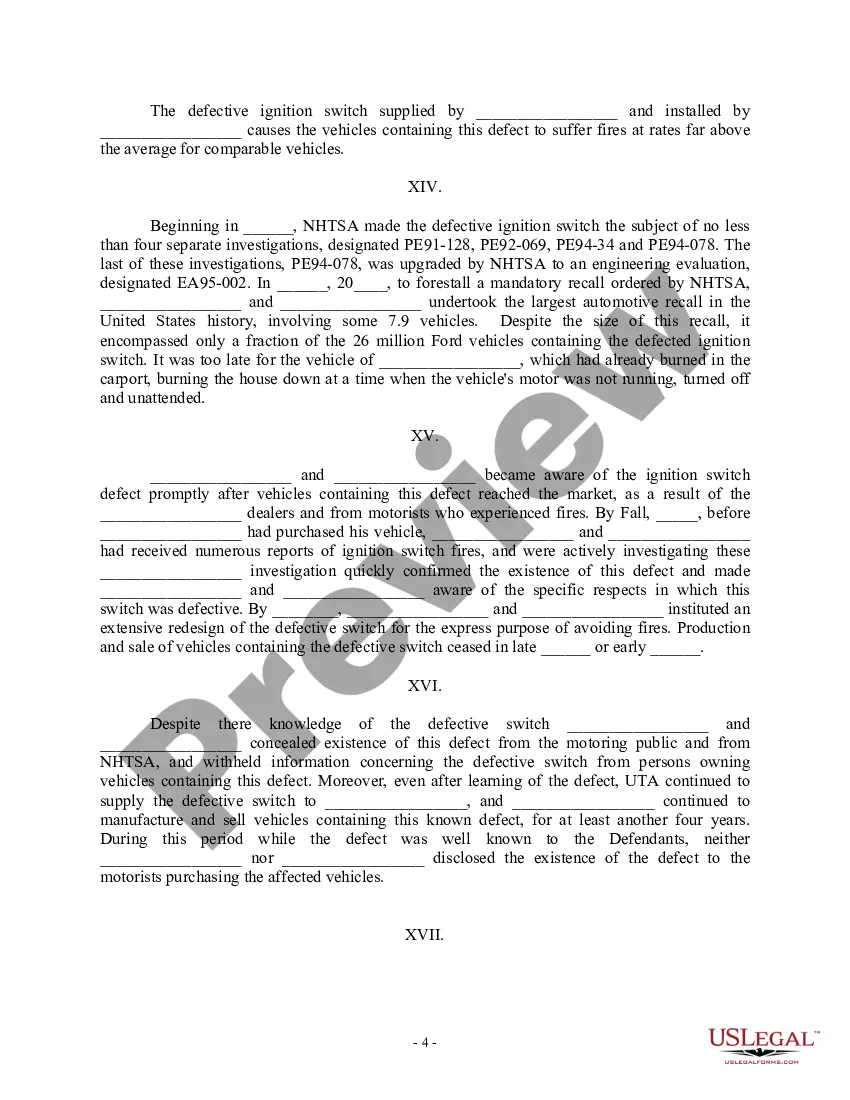
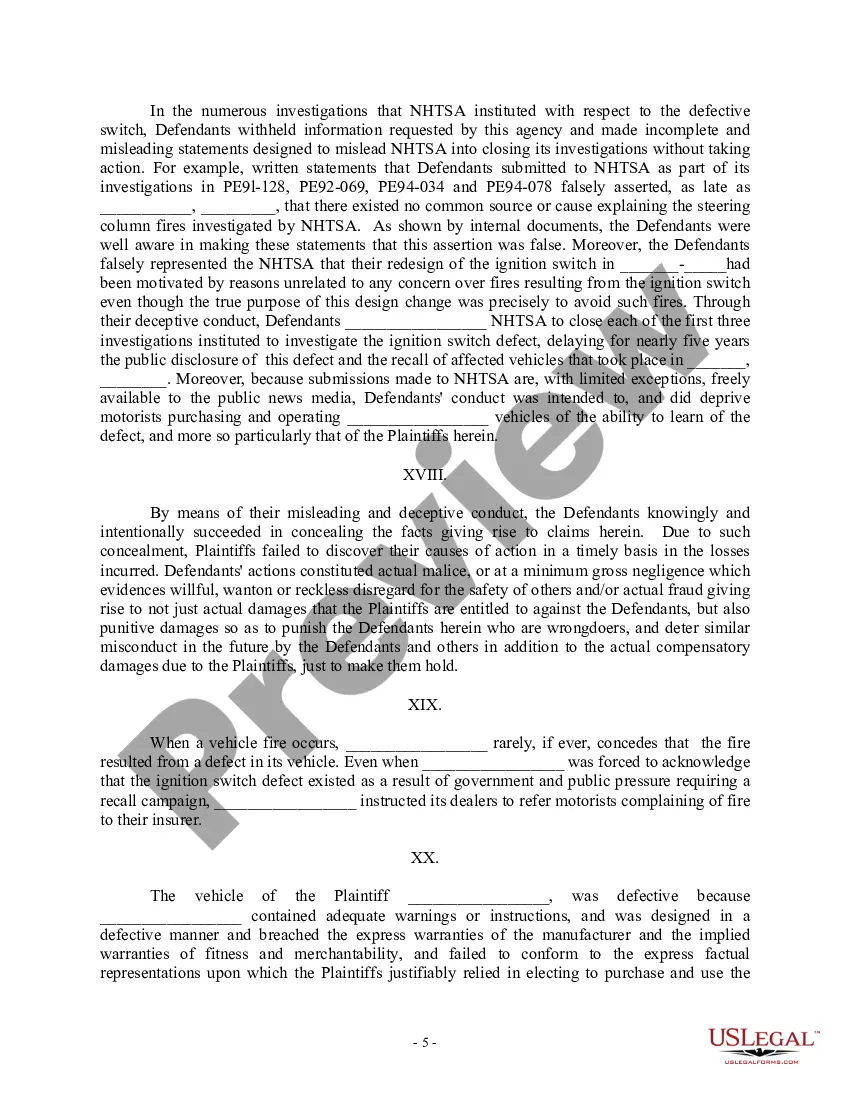
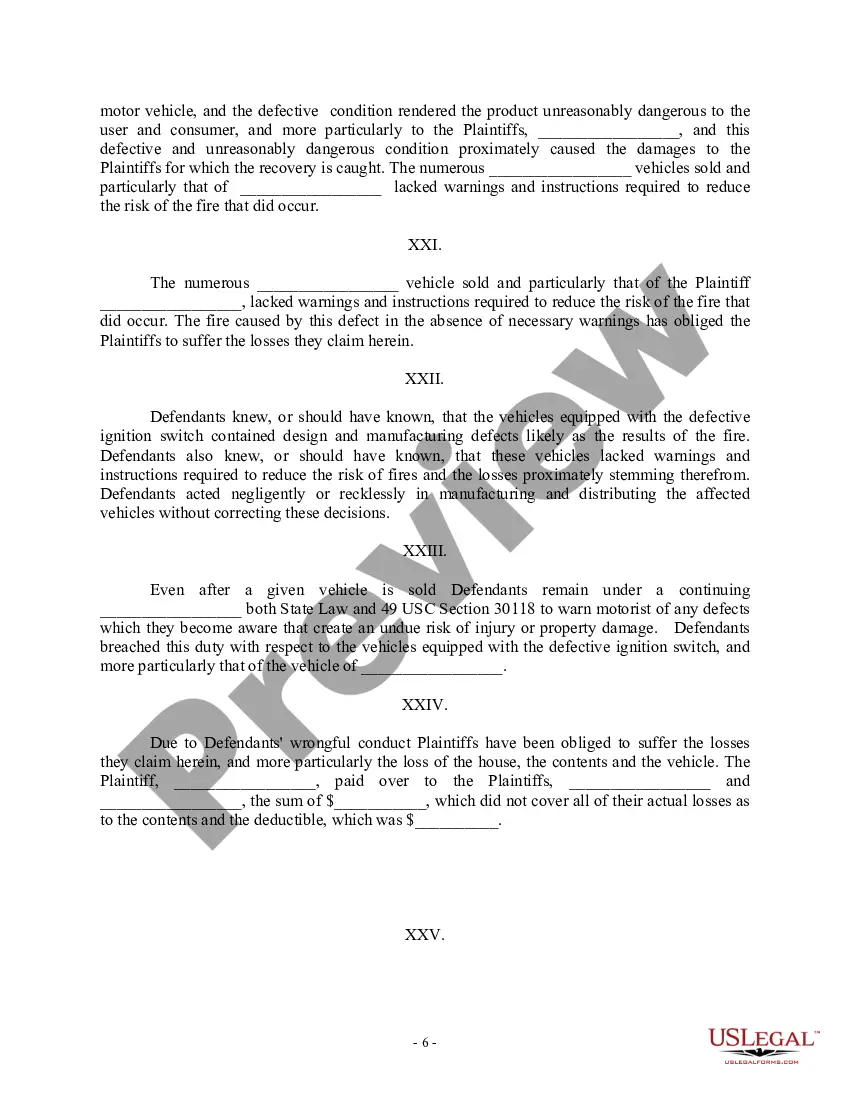
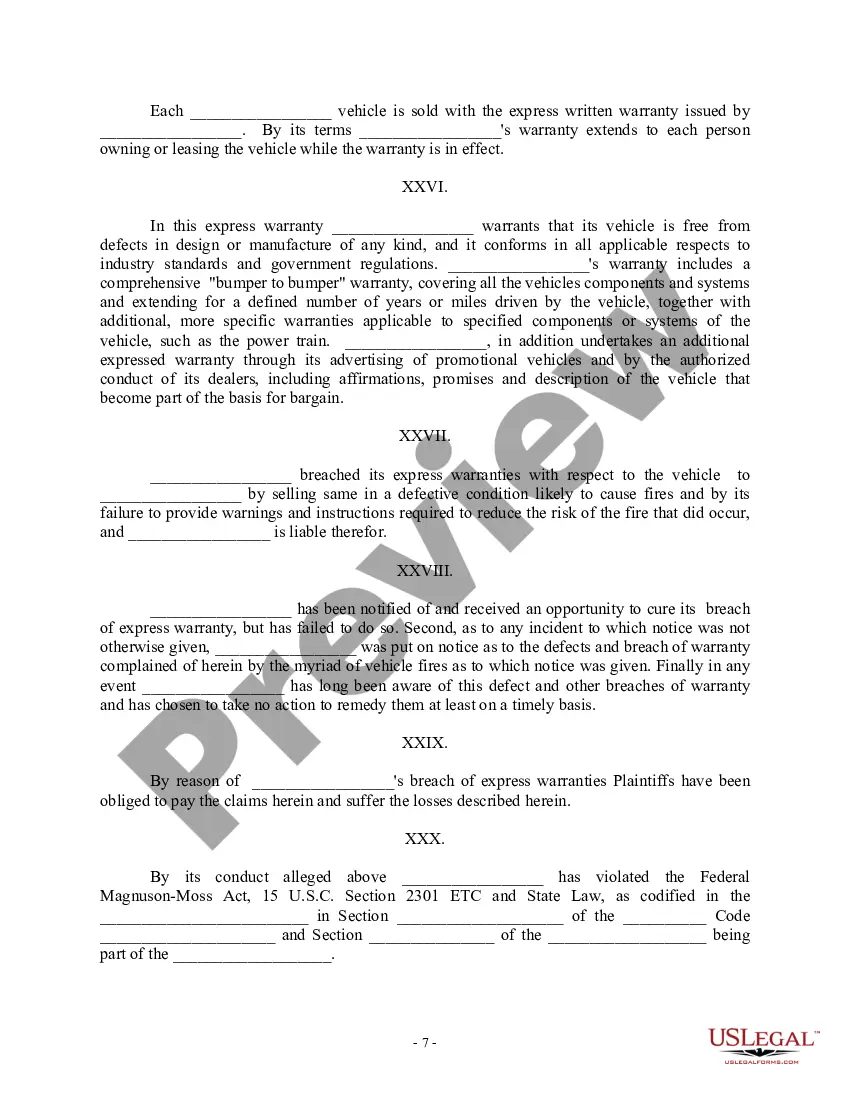
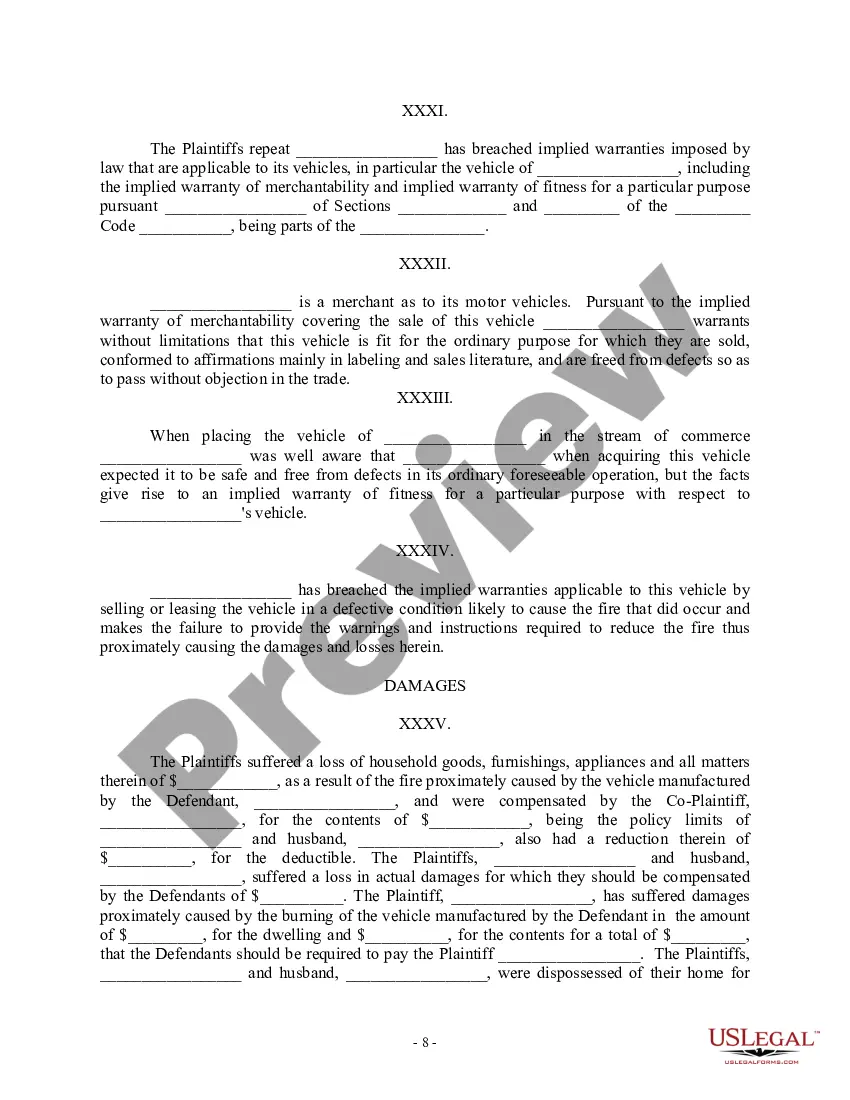


Get your form ready online
Our built-in tools help you complete, sign, share, and store your documents in one place.
Make edits, fill in missing information, and update formatting in US Legal Forms—just like you would in MS Word.
Download a copy, print it, send it by email, or mail it via USPS—whatever works best for your next step.
Sign and collect signatures with our SignNow integration. Send to multiple recipients, set reminders, and more. Go Premium to unlock E-Sign.
If this form requires notarization, complete it online through a secure video call—no need to meet a notary in person or wait for an appointment.
We protect your documents and personal data by following strict security and privacy standards.

Make edits, fill in missing information, and update formatting in US Legal Forms—just like you would in MS Word.

Download a copy, print it, send it by email, or mail it via USPS—whatever works best for your next step.

Sign and collect signatures with our SignNow integration. Send to multiple recipients, set reminders, and more. Go Premium to unlock E-Sign.

If this form requires notarization, complete it online through a secure video call—no need to meet a notary in person or wait for an appointment.

We protect your documents and personal data by following strict security and privacy standards.
Looking for another form?







Form popularity
FAQ
To successfully sue for a defective product, you need to prove that: The defendant designed, manufactured, distributed or sold a defective product to the consumer. The consumer used reasonable care when using the product. The consumer was injured due to the defect in the product.
To successfully sue for a defective product, you need to prove that: The defendant designed, manufactured, distributed or sold a defective product to the consumer. The consumer used reasonable care when using the product. The consumer was injured due to the defect in the product.
The law on strict products liability in New York is that a manufacturer, wholesaler, distributor, or retailer who sells a product in a defective condition is liable for injury which results from the use of the product.
Your lawyer must establish a direct link between the breach of duty (defective product) and the injuries that you sustained. The attorney must show that the defect was a substantial factor in causing the harm, connecting the defendant's actions or omissions to the resulting injuries.
There are three types of product defects: design defects, manufacturing defects, and warning/instruction defects. All three types of defects have to do with a product being faulty or inadequate in some way.
Your lawyer must establish a direct link between the breach of duty (defective product) and the injuries that you sustained. The attorney must show that the defect was a substantial factor in causing the harm, connecting the defendant's actions or omissions to the resulting injuries.
The Top 5 Common Warning Signs of a Defective Product There are unusual or unexpected malfunctions. Recalls or safety alerts have been released. There is an increased risk of injuries or illnesses. A lack of clear instructions or warnings exists on the labeling. Unexpected or severe adverse effects occur after use.
There are two main ways to prove a product liability case: 1- the Consumer-Expectation Test and 2- the Risk Utility Test. Under both tests, the plaintiff has the burden to prove that the product that caused injury was defective and unreasonably dangerous.
A toy box was defectively manufactured – the hinges were not installed properly on the lid. If a child is playing with the box and the lid closes too quickly because of the defective hinges, it can cause serious injuries to the child.
The statute of limitations for product liability cases varies by state but is generally from two to six years. Unavoidably unsafe products – comment k of Section 402A of the Restatement (Second) of Torts covers products that are incapable of being made safe for their intended and ordinary use.