Product Defect Meaning In Franklin
Description
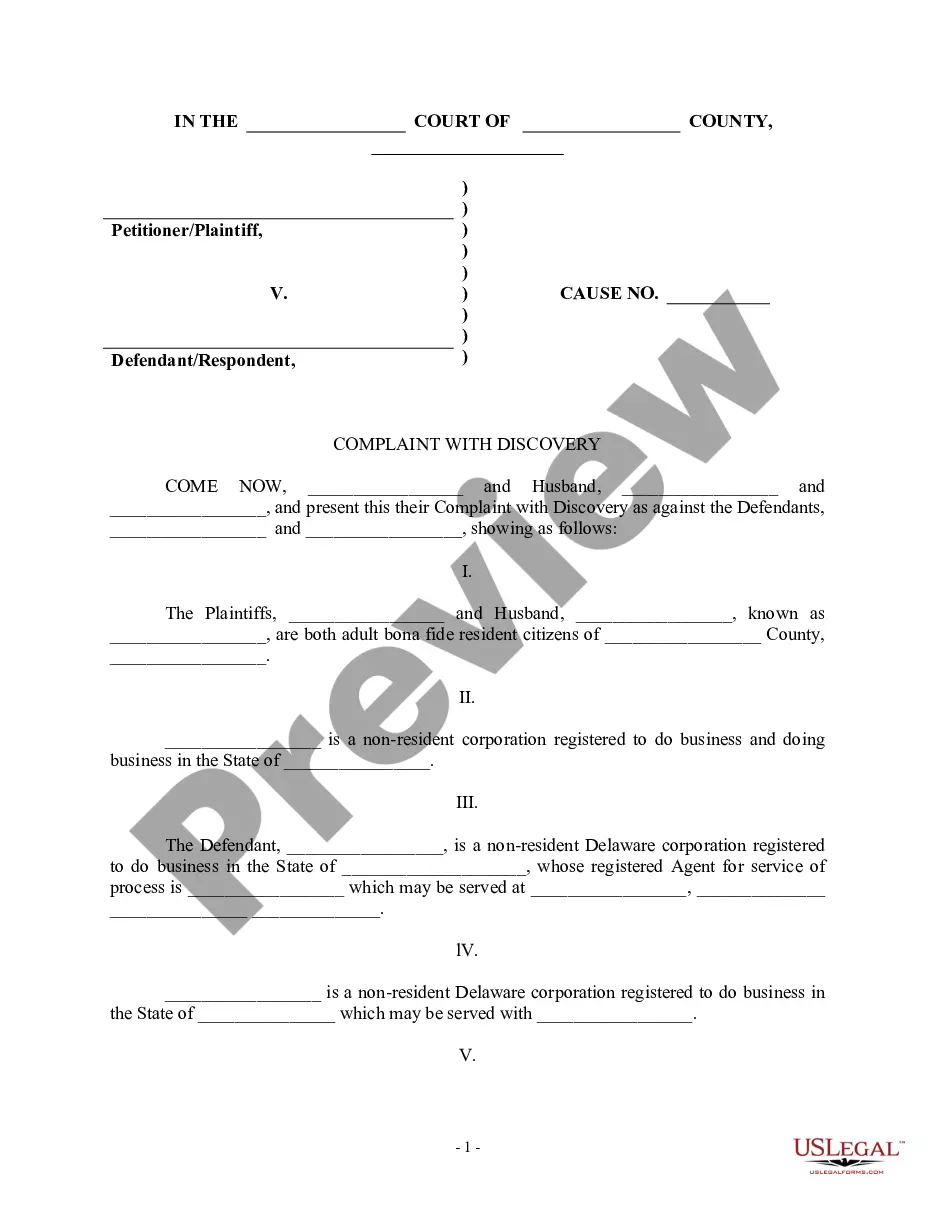
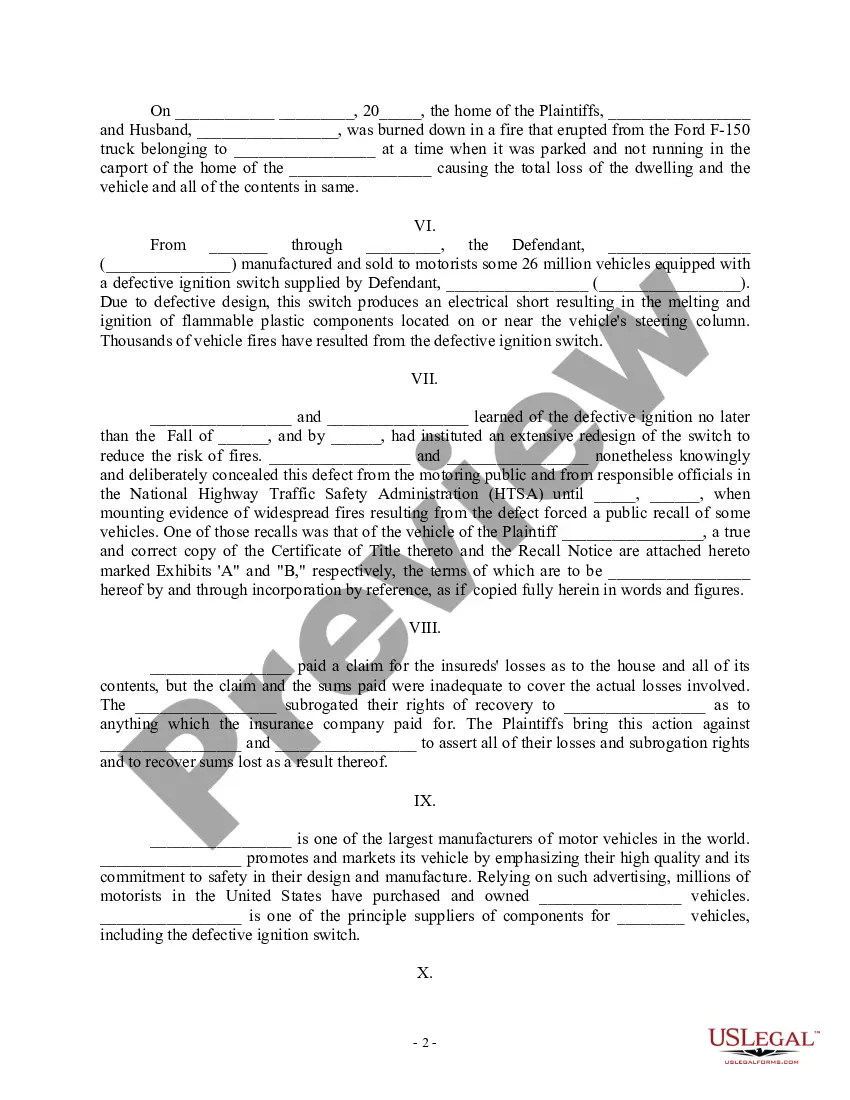
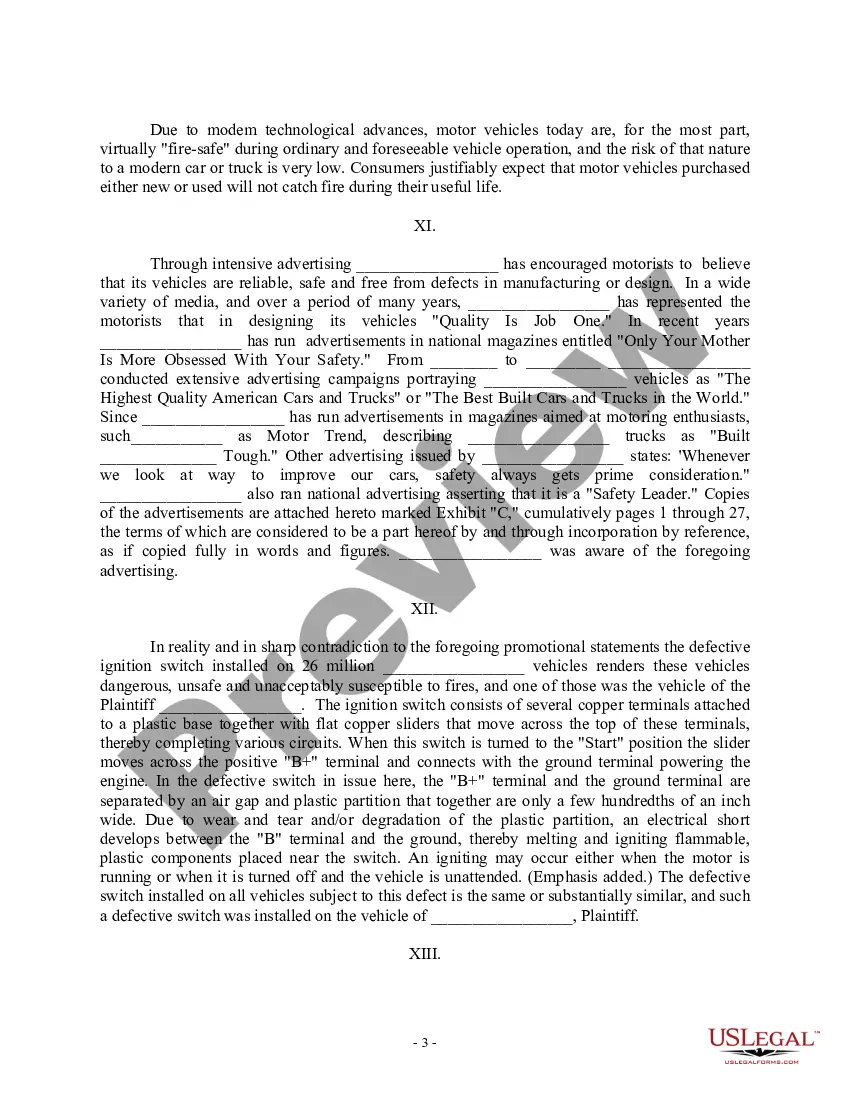
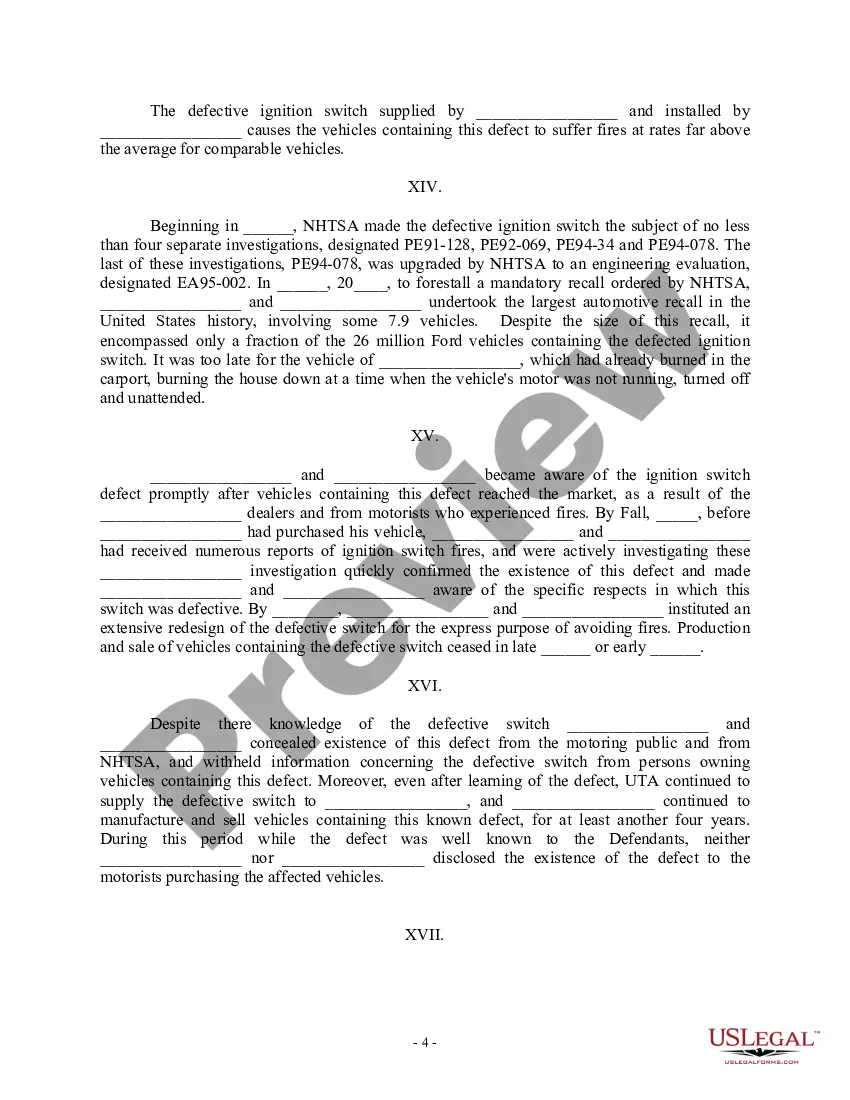


Get your form ready online
Our built-in tools help you complete, sign, share, and store your documents in one place.
Make edits, fill in missing information, and update formatting in US Legal Forms—just like you would in MS Word.
Download a copy, print it, send it by email, or mail it via USPS—whatever works best for your next step.
Sign and collect signatures with our SignNow integration. Send to multiple recipients, set reminders, and more. Go Premium to unlock E-Sign.
If this form requires notarization, complete it online through a secure video call—no need to meet a notary in person or wait for an appointment.
We protect your documents and personal data by following strict security and privacy standards.

Make edits, fill in missing information, and update formatting in US Legal Forms—just like you would in MS Word.

Download a copy, print it, send it by email, or mail it via USPS—whatever works best for your next step.

Sign and collect signatures with our SignNow integration. Send to multiple recipients, set reminders, and more. Go Premium to unlock E-Sign.

If this form requires notarization, complete it online through a secure video call—no need to meet a notary in person or wait for an appointment.

We protect your documents and personal data by following strict security and privacy standards.
Looking for another form?








Form popularity
FAQ
Manufacturing defects, design defects, and inadequate warnings. To successfully assert a design defect, a plaintiff has to show that: A reasonable alternative design was available. The defendant's failure to adopt the alternative design rendered the product not reasonably safe.
What is defect rate? Defect rate is a measurement of how many units of production are defective, or unusable, out of a specific number of units. Companies use this measurement to determine product quality and effects on profitability.
There are three types of product defects: design defects, manufacturing defects, and warning/instruction defects.
There are three types of product defects: design defects, manufacturing defects, and warning/instruction defects. All three types of defects have to do with a product being faulty or inadequate in some way.
Adjective. If something is defective, there is something wrong with it and it does not work properly.
A product defect is any characteristic of a product which hinders its usability for the purpose for which it was designed and manufactured. Product defects arise most prominently in legal contexts regarding product safety, where the term is applied to "anything that renders the product not reasonably safe".
Minor Defects. In most cases, the minor defects will be the insignificant and small issues that don't affect the form or function of any item. Major Defects. The major defects are much more serious than the minor defects. Critical Defects. Critical Defect.
The three types of product defects are outlined below. Design Defects. A design defect occurs when the actual design of the product is faulty. Manufacturing Defects. In contrast to design defects, manufacturing defects only affect certain units or batches of a product, rather than all products in a line. Labeling Defects.
When a product is defective, it means that the product has some kind of flaw or problem that makes it unreasonably dangerous to use. A product may be defective because of poor design, manufacturing errors, or a failure to warn consumers about potential dangers.
Calculating Defect Density The formula is as follows: Identify the total number of defects in the product. Determine the size of the product (in KLOC or FP) Divide the total number of defects by the product size.