Defect Products For Sale In California
Description
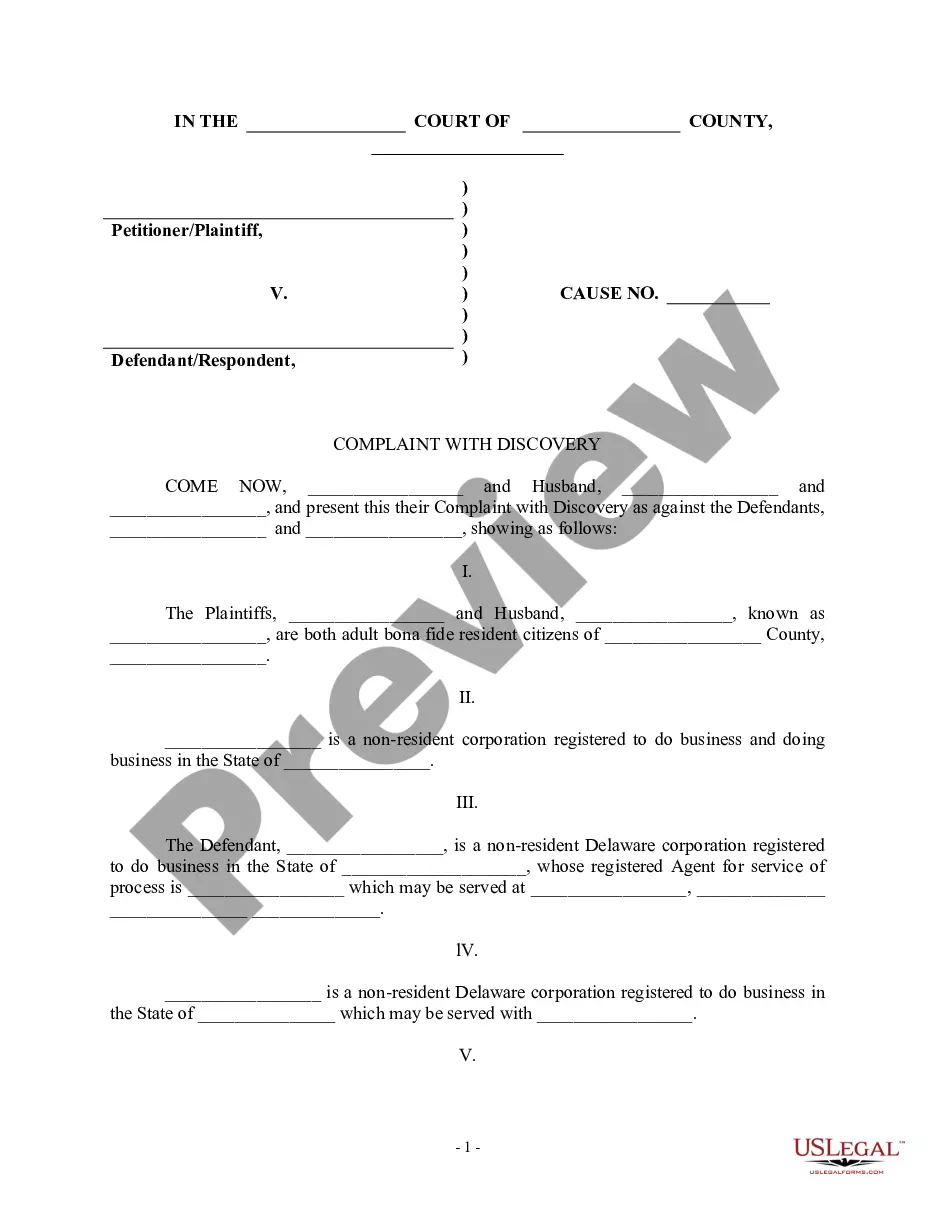
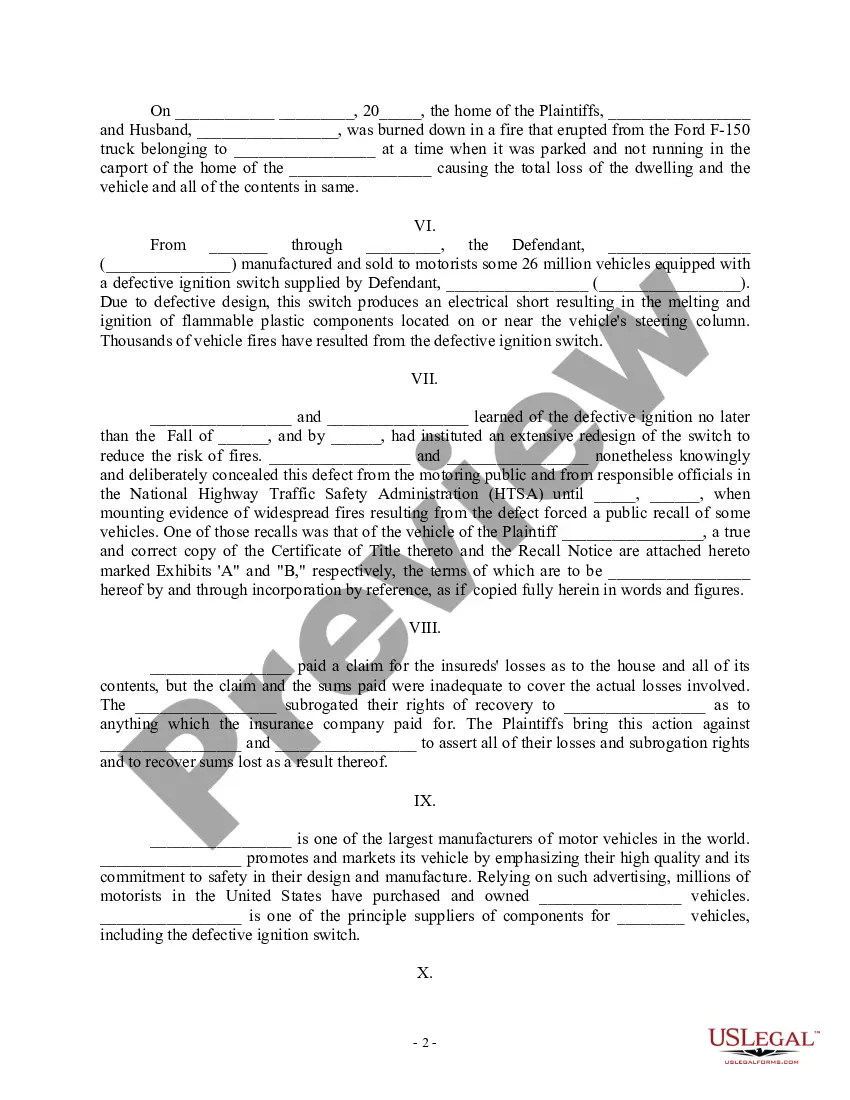
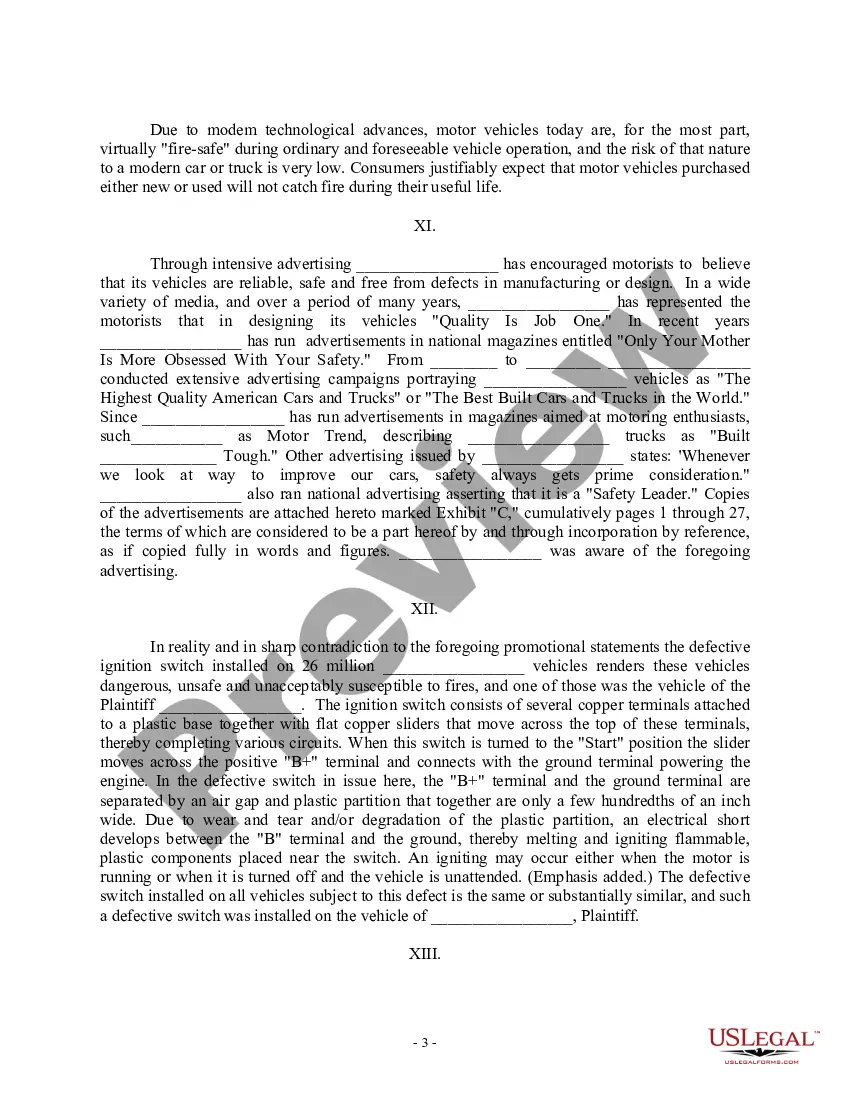
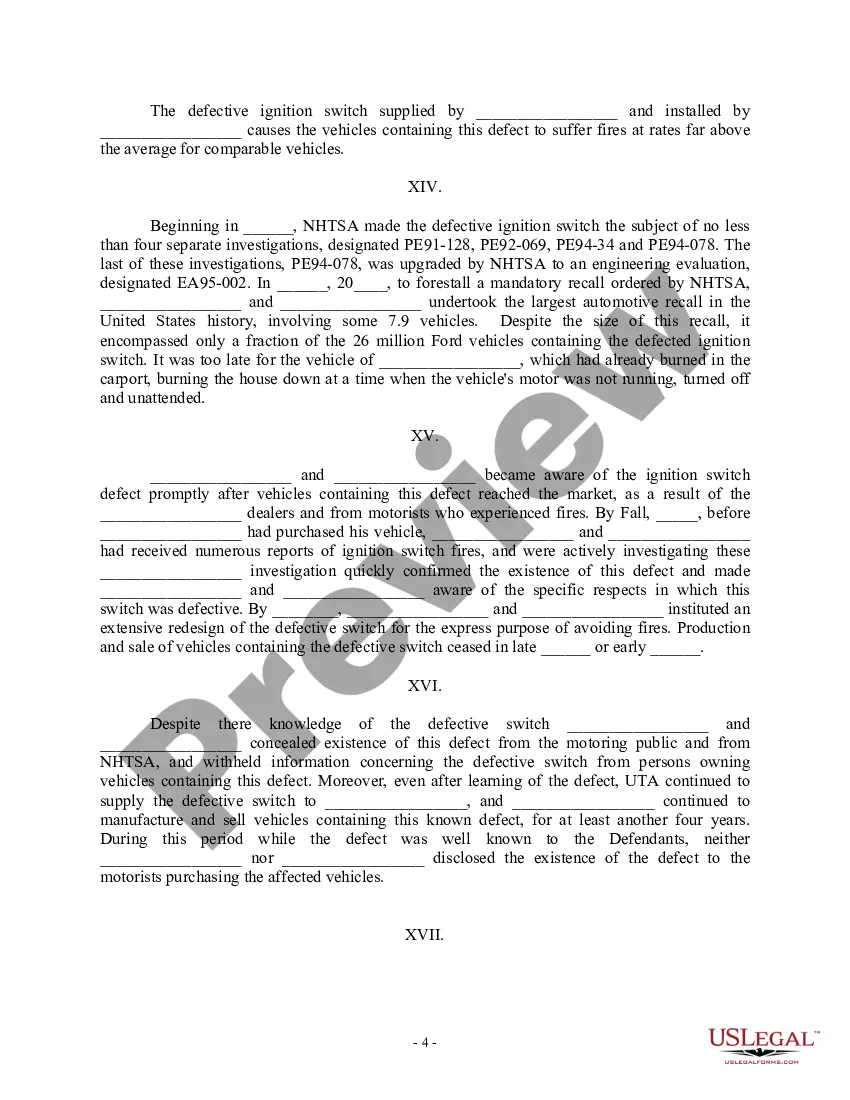
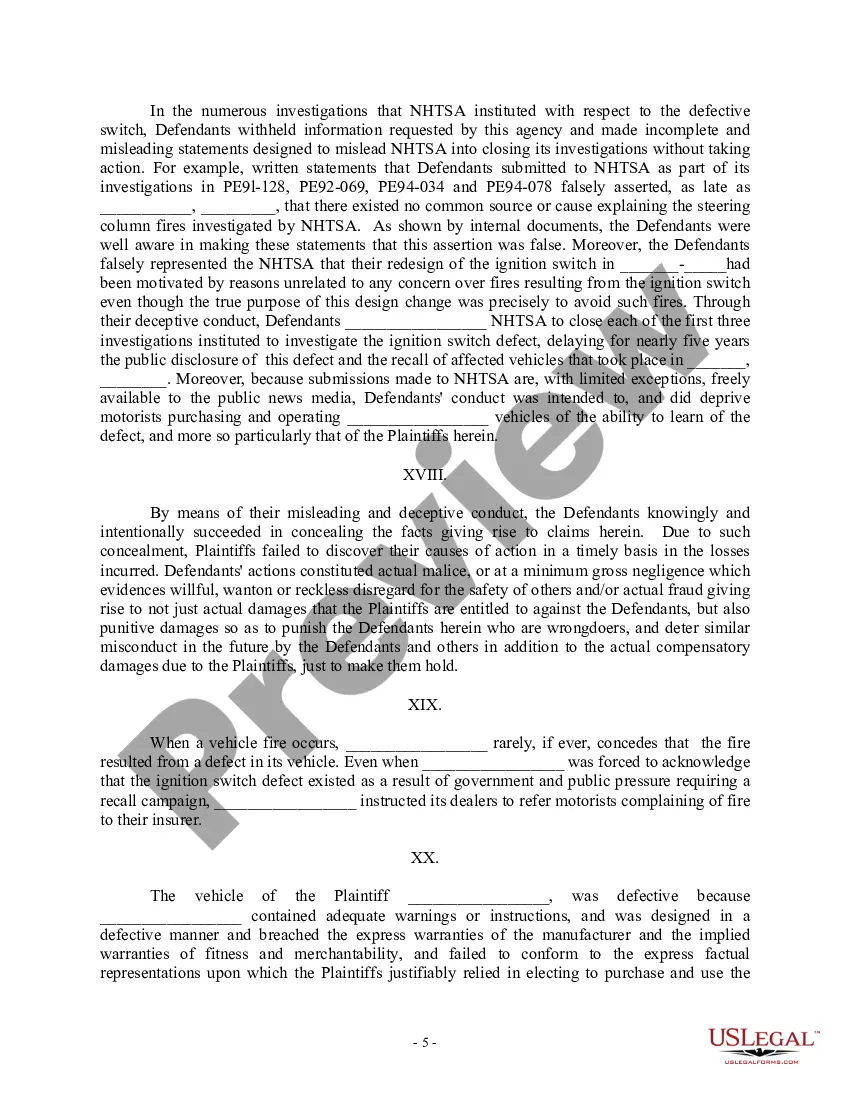
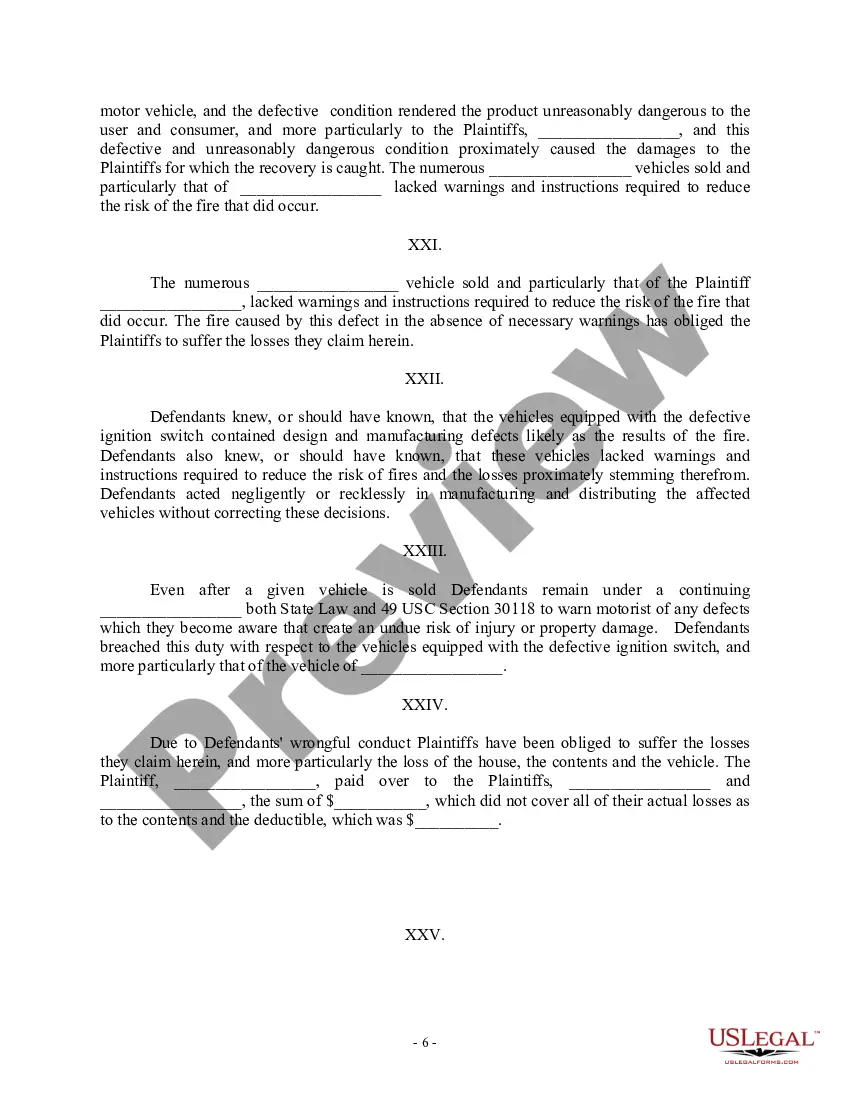
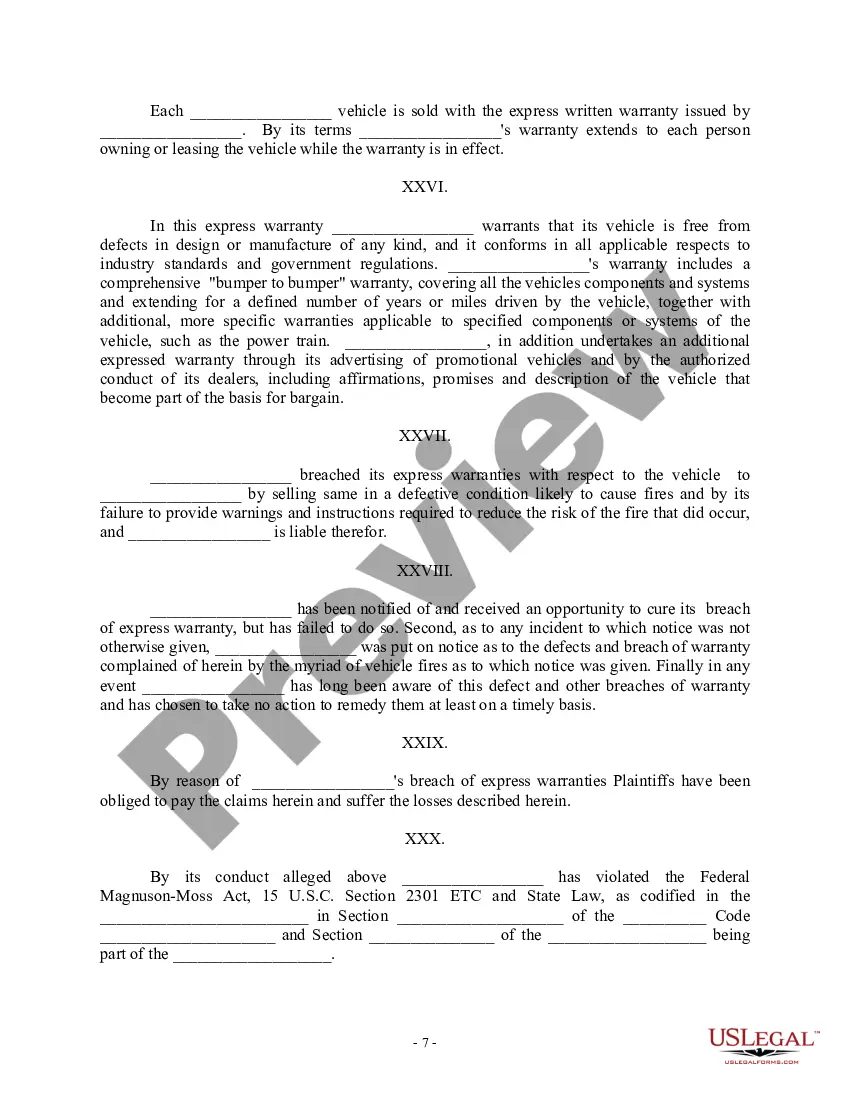
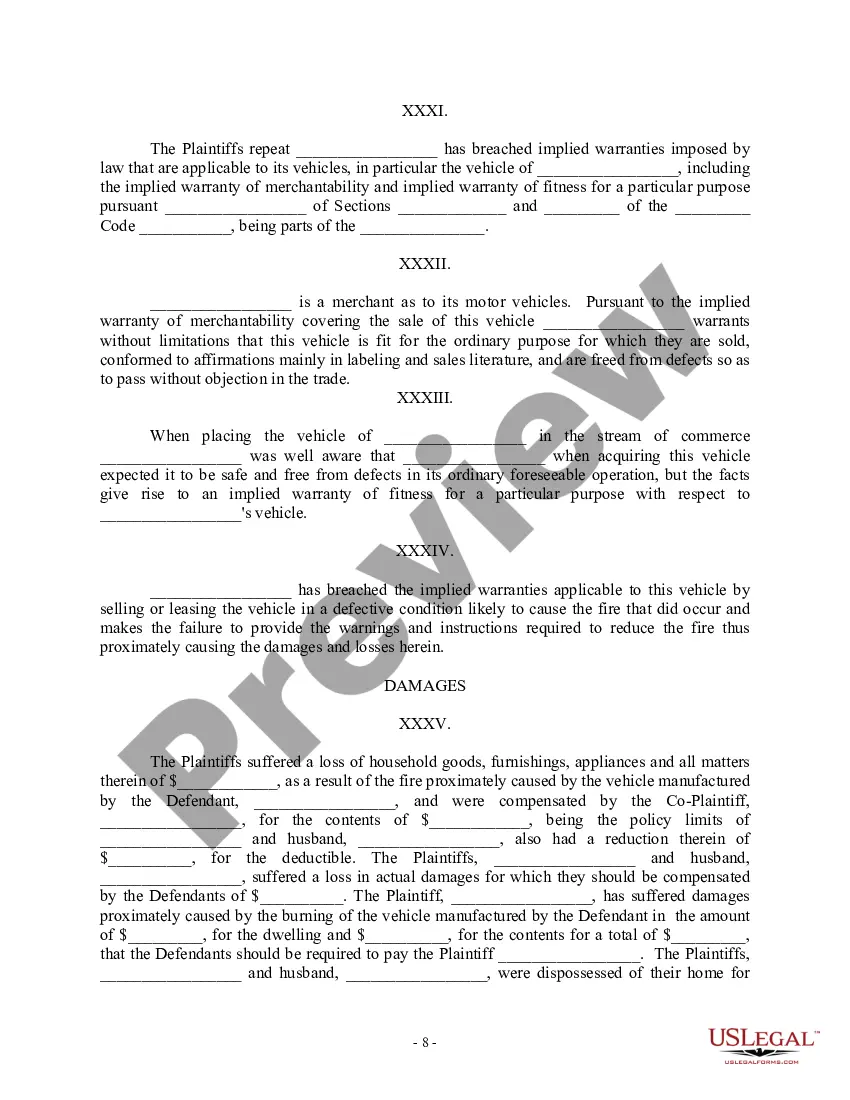


Get your form ready online
Our built-in tools help you complete, sign, share, and store your documents in one place.
Make edits, fill in missing information, and update formatting in US Legal Forms—just like you would in MS Word.
Download a copy, print it, send it by email, or mail it via USPS—whatever works best for your next step.
Sign and collect signatures with our SignNow integration. Send to multiple recipients, set reminders, and more. Go Premium to unlock E-Sign.
If this form requires notarization, complete it online through a secure video call—no need to meet a notary in person or wait for an appointment.
We protect your documents and personal data by following strict security and privacy standards.

Make edits, fill in missing information, and update formatting in US Legal Forms—just like you would in MS Word.

Download a copy, print it, send it by email, or mail it via USPS—whatever works best for your next step.

Sign and collect signatures with our SignNow integration. Send to multiple recipients, set reminders, and more. Go Premium to unlock E-Sign.

If this form requires notarization, complete it online through a secure video call—no need to meet a notary in person or wait for an appointment.

We protect your documents and personal data by following strict security and privacy standards.
Looking for another form?
Form popularity
FAQ
Talk to the Seller. It may seem obvious, but the first thing to do is talk to the seller. Use Professional Organizations. If talking directly to the personnel in the store accomplished nothing, you may have outside methods to apply pressure. Take Them to Court. You Do Not Have To Be Powerless.
The FTC has issued a Notice that it has determined that certain acts or practices involving the sale of merchandise which is damaged or defective or different from that ordered are unfair or deceptive, and violate the FTC Act.
If a conscientious company has discovered a defect with one of its products, it may issue a product recall. Through the recall, they accept the financial burden of replacing, fixing, or reimbursing consumers for the defective goods.
Product liability is one part of tort law that holds companies accountable for a defective product when it causes harm to another person. The defect is often the result of negligence when designing, making, and selling a product. Successful product liability claims rest on showing that: The company acted negligently.
With regard to products liability, a defendant is liable when the plaintiff proves that the product is defective, regardless of the defendant's intent. It is irrelevant whether the manufacturer or supplier exercised great care; if there is a defect in the product that causes harm, he or she will be liable for it.
The FTC has issued a Notice that it has determined that certain acts or practices involving the sale of merchandise which is damaged or defective or different from that ordered are unfair or deceptive, and violate the FTC Act.
Items that are considered to be “defective” may be first sold back to the manufacturers and if it can't be sold back then it is discarded or recycled.
Recall or Replacement In cases where the defect poses a risk to consumers or violates safety standards, companies initiate product recalls. In less severe cases, they may offer replacements or repairs.
If it is damaged or defective, it goes back to the manufacturer. Sometimes, the manufacturer will give the retailer an defective allowance. It probably doesn't cover the actual loss. Sometimes it is tossed out and a loss is taken.