False Us For Whatsapp In Salt Lake
Description






Get your form ready online
Our built-in tools help you complete, sign, share, and store your documents in one place.
Make edits, fill in missing information, and update formatting in US Legal Forms—just like you would in MS Word.
Download a copy, print it, send it by email, or mail it via USPS—whatever works best for your next step.
Sign and collect signatures with our SignNow integration. Send to multiple recipients, set reminders, and more. Go Premium to unlock E-Sign.
If this form requires notarization, complete it online through a secure video call—no need to meet a notary in person or wait for an appointment.
We protect your documents and personal data by following strict security and privacy standards.

Make edits, fill in missing information, and update formatting in US Legal Forms—just like you would in MS Word.

Download a copy, print it, send it by email, or mail it via USPS—whatever works best for your next step.

Sign and collect signatures with our SignNow integration. Send to multiple recipients, set reminders, and more. Go Premium to unlock E-Sign.

If this form requires notarization, complete it online through a secure video call—no need to meet a notary in person or wait for an appointment.

We protect your documents and personal data by following strict security and privacy standards.
Looking for another form?



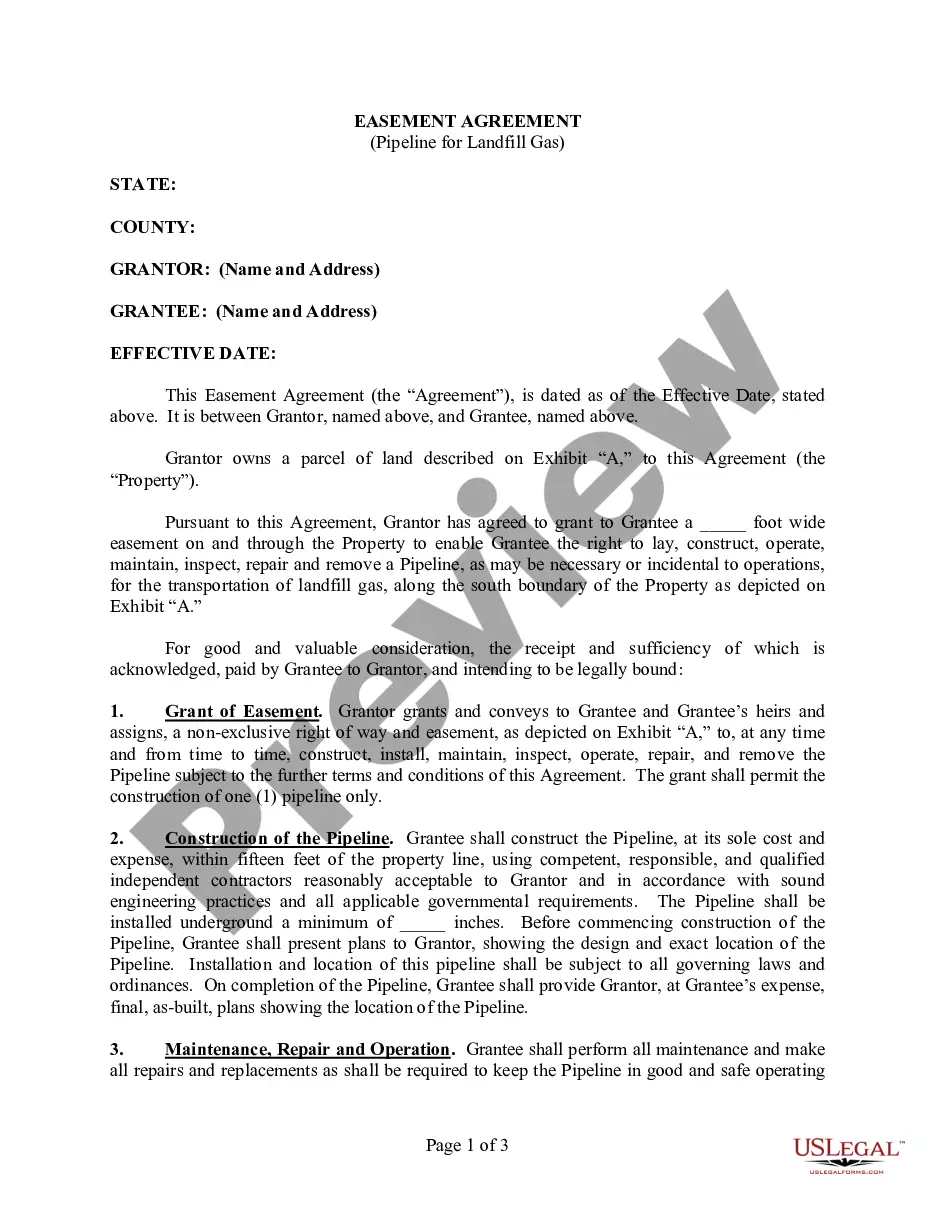
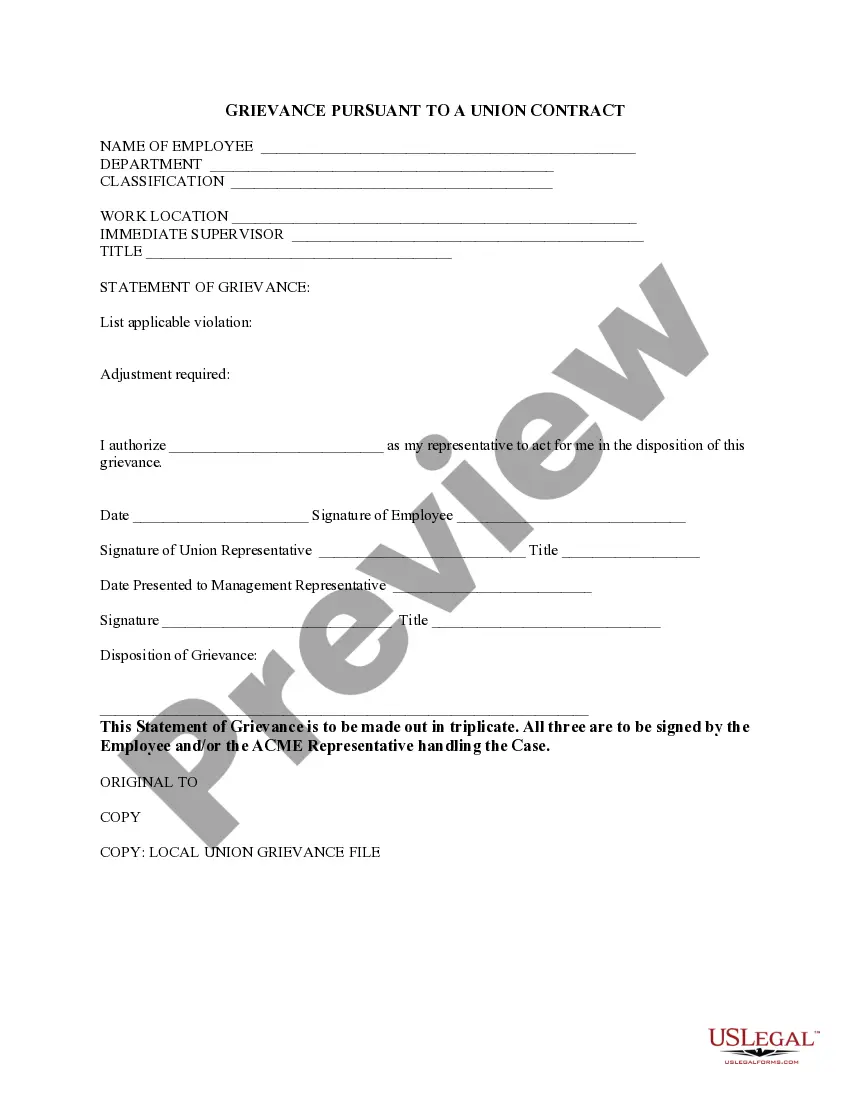



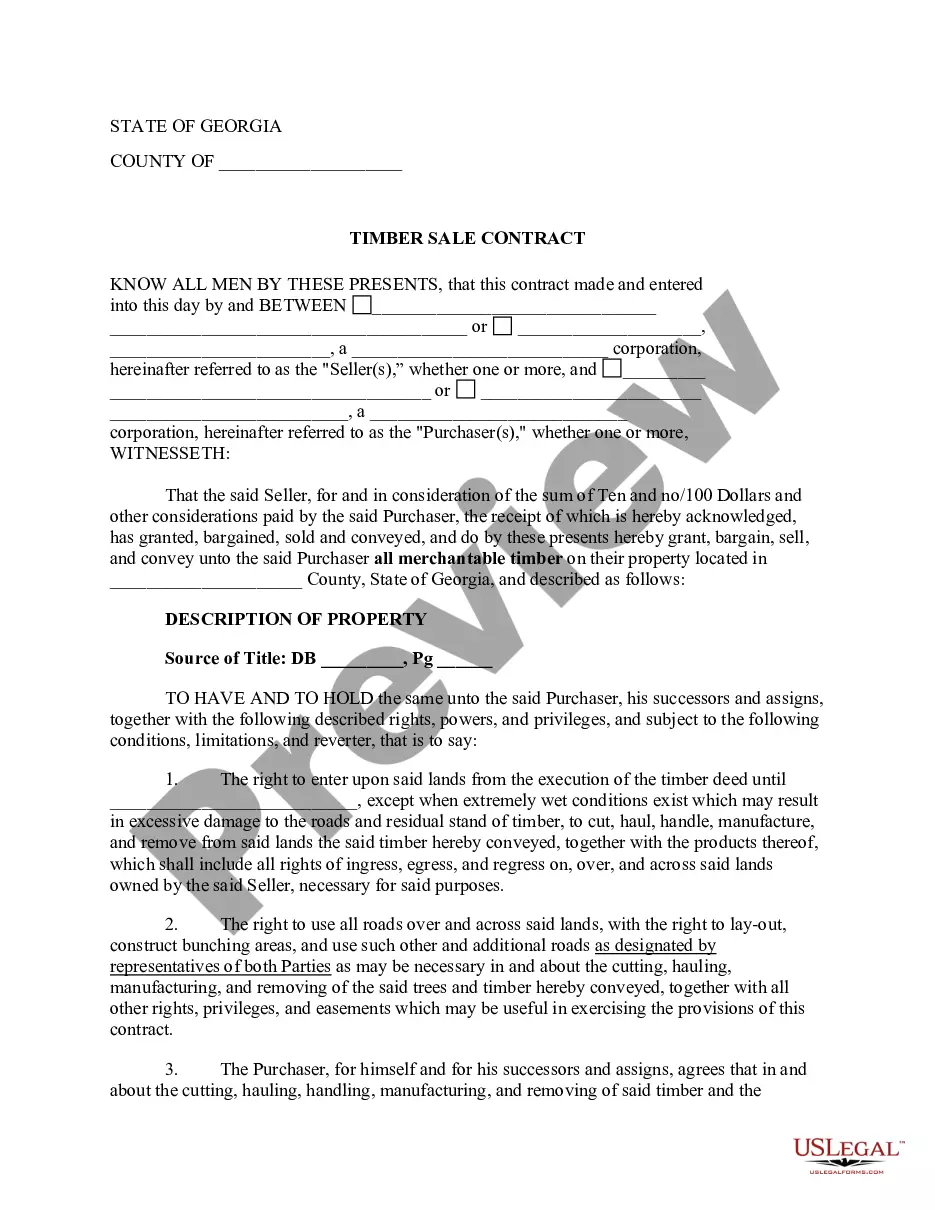

Form popularity
FAQ
"Libel" means a malicious defamation, expressed either by printing or by signs or pictures or the like, tending to blacken the memory of one who is dead, or to impeach the honesty, integrity, virtue or reputation, or publish the natural defects of one who is alive, and thereby to expose him to public hatred, contempt ...
Send a Cease and Desist Letter: Often, a formal letter from a lawyer indicating the defamatory nature of the statements and demanding their cessation can resolve the issue. File a Lawsuit for Damages: If the defamation has caused significant harm, a lawsuit may be the appropriate step to claim damages.
In general, pursuing a defamation lawsuit may be worthwhile if: The defamatory statement(s) are demonstrably false and have caused significant harm to your reputation or career. You have strong evidence to support your claim. The potential damages are substantial enough to justify the costs and risks of litigation.
To prove prima facie defamation, a plaintiff must show four things: 1) a false statement purporting to be fact; 2) publication or communication of that statement to a third person; 3) fault amounting to at least negligence; and 4) damages, or some harm caused to the reputation of the person or entity who is the subject ...
Spoken defamation is called "slander." Defamation that's written, published, or posted online is called "libel." To start a defamation lawsuit: (1) decide if you have a claim, (2) calculate your damages, (3) gather evidence, (4) speak to a lawyer, and (5) file your case.
How to Respond to Defamation Lawsuits Take the Threat Seriously. Any communication threatening legal action should not be ignored. Evaluate the Allegations. Consult with a Lawyer. Start Collecting Evidence. Consider the Defense of Truth or Opinion. Evaluate the Context. Respond to the Demand. Consider Settlement.
Whether the damages need to proven will be up to the court. Step 1 – Gather the False Statements. Collect any and all evidence of the false statements made. Step 2 – Show the Statement is Inaccurate. Step 3 – Write the Cease and Desist Letter. Step 4 – Claiming Damages. Step 5 – Prepare and File the Lawsuit.
Slander is a legal term used to describe defamation, or harming the reputation of a person or a business by telling one or more others something both untrue and damaging about them.
Open the WhatsApp chat with the suspicious contact or group. Tap on the contact or group name at the top of the chat. Scroll down and tap on "Report Contact" or "Report Group." You'll be presented with the option to report the contact or group for various issues, such as spam, fraud, or harassment.
WhatsApp doesn't delete accounts based solely on reports. They review for policy violations. Multiple reports may not lead to deletion if no violations are found.
