Constitution For 4th Grade In Philadelphia
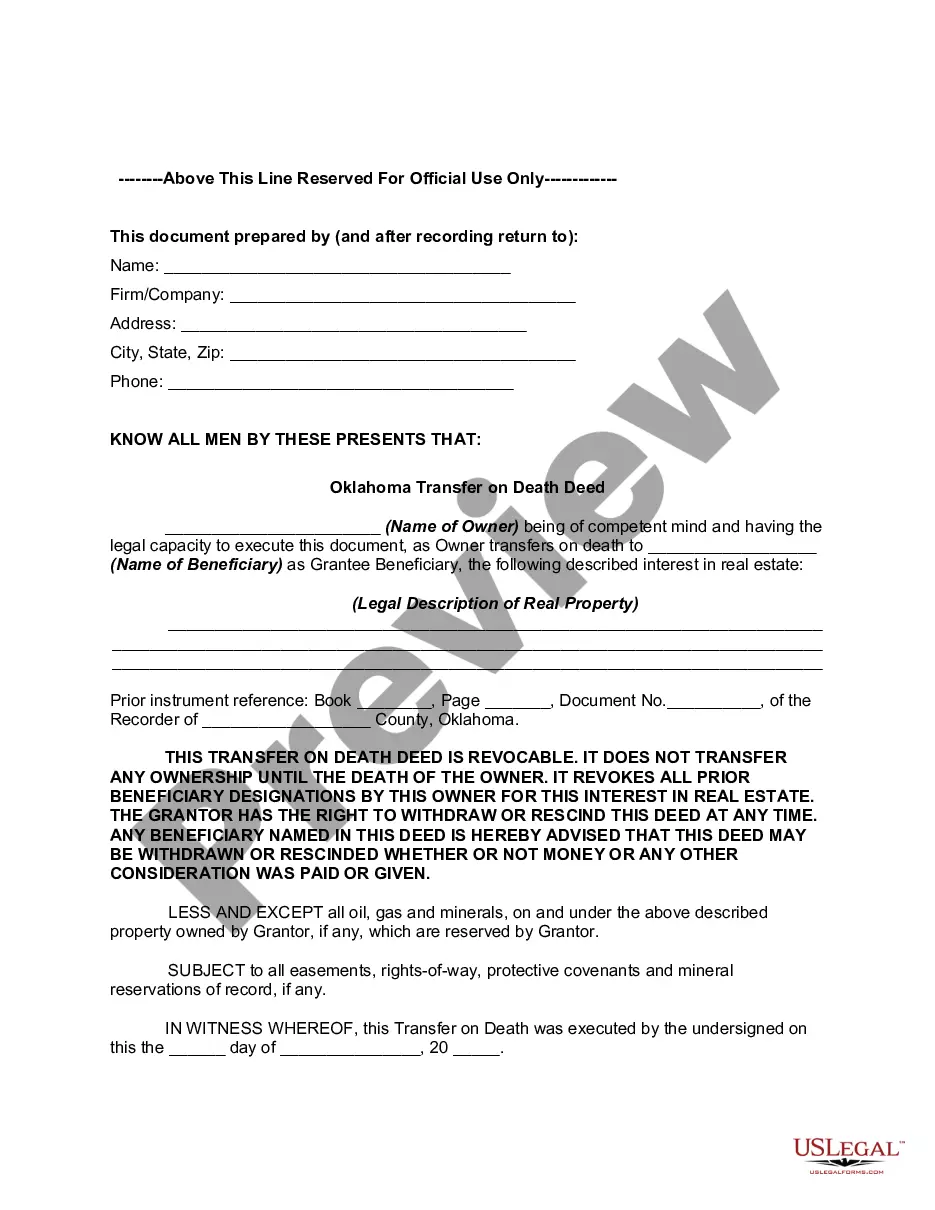
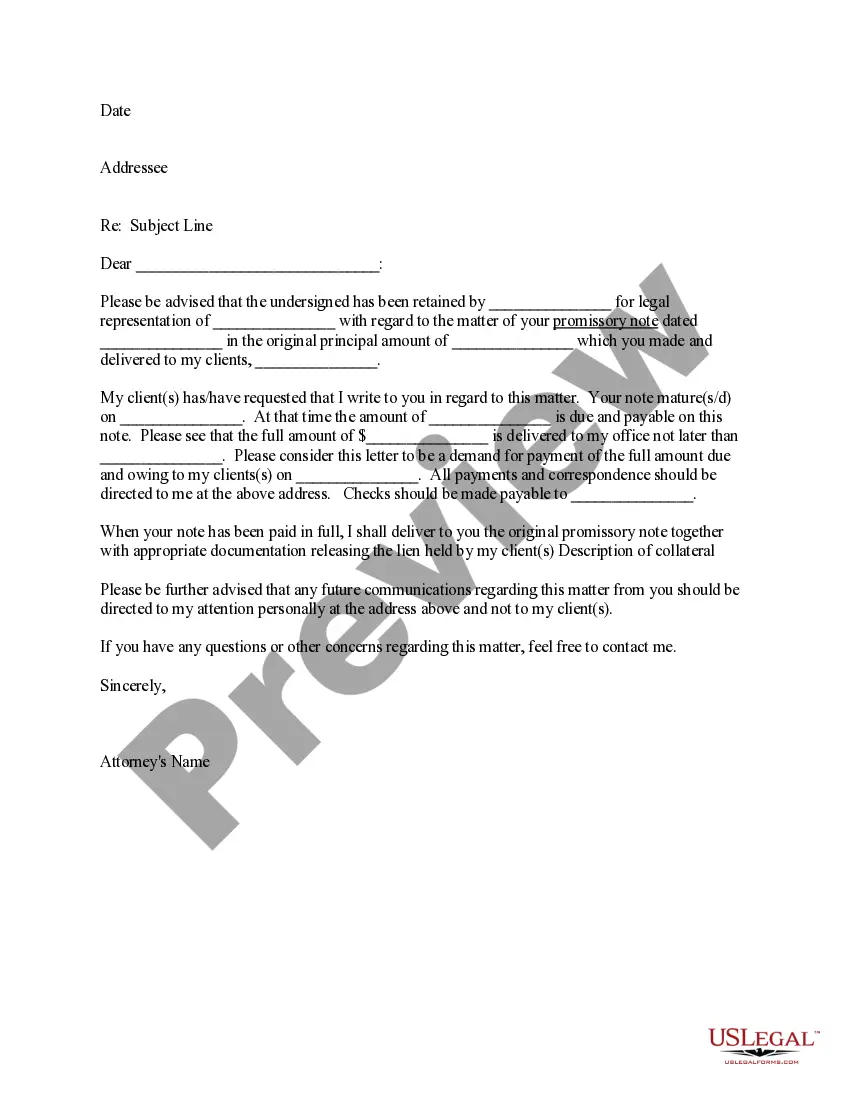
Description






Get your form ready online
Our built-in tools help you complete, sign, share, and store your documents in one place.
Make edits, fill in missing information, and update formatting in US Legal Forms—just like you would in MS Word.
Download a copy, print it, send it by email, or mail it via USPS—whatever works best for your next step.
Sign and collect signatures with our SignNow integration. Send to multiple recipients, set reminders, and more. Go Premium to unlock E-Sign.
If this form requires notarization, complete it online through a secure video call—no need to meet a notary in person or wait for an appointment.
We protect your documents and personal data by following strict security and privacy standards.

Make edits, fill in missing information, and update formatting in US Legal Forms—just like you would in MS Word.

Download a copy, print it, send it by email, or mail it via USPS—whatever works best for your next step.

Sign and collect signatures with our SignNow integration. Send to multiple recipients, set reminders, and more. Go Premium to unlock E-Sign.

If this form requires notarization, complete it online through a secure video call—no need to meet a notary in person or wait for an appointment.

We protect your documents and personal data by following strict security and privacy standards.
Looking for another form?








Form popularity
FAQ
Officially called Constitution Day and Citizenship Day, it is also a time to reflect on what it means to be a U.S. citizen. The holiday is held on September 17, in honor of the day that the Founding Fathers signed the Constitution in 1787.
For an amendment to be made to the U.S. Constitution, two-thirds of the members of each house of Congress must approve it, and then three-fourths of the states must ratify it. Congress decides whether the ratification will be by state legislatures or by popularly elected conventions in the states.
Congress must call a convention for proposing amendments upon application of the legislatures of two-thirds of the states (i.e., 34 of 50 states). Amendments proposed by Congress or convention become valid only when ratified by the legislatures of, or conventions in, three-fourths of the states (i.e., 38 of 50 states).
Amendment Ten. A. Anything that the Constitution doesn't say that Congress can do, is left up to the states and to the people.
The Constitution unites the American people and the 50 states. It describes the rights of citizens and establishes a federal government with three branches. As colonies we fought a war for Independence and then worked hard to write our Constitution.
It should state the reasons for, and intent of, the group and the Constitution. Article I - Name. Section 1. Article II - Purpose. Article III - Membership. Article IV - Meetings and Procedures. Article IV - Officers. Article VI - Electing, Appointing and Removing Officers. Article VII - Committees. Article VIII - By-Laws.
Step 1: Propose an amendment and two-thirds of Congress must agree to pass the proposal. Step 2: Ratify the proposal by either three-fourths of the state legislatures agreeing, or setting up a special state meeting called a convention. At this meeting, three-fourths of the individuals must agree with the proposal.
Passing an amendment to the U.S. Constitution is a two-step process. The first step is for two-thirds of the members of the Senate and two-thirds of the members of the House of Representatives to vote for the amendment. An amendment can also be introduced if two-thirds of the states call for it.
The National Constitution Center houses this rare, original copy of the first public printing of the Constitution, published in The Pennsylvania Packet and Daily Advertiser, on September 19, 1787, by John Dunlap and David Claypoole.
Our Constitution: The Bill of Rights (Grades 4–6) | Gilder Lehrman Institute of American History.
