False Complaint Punishment In India In Massachusetts
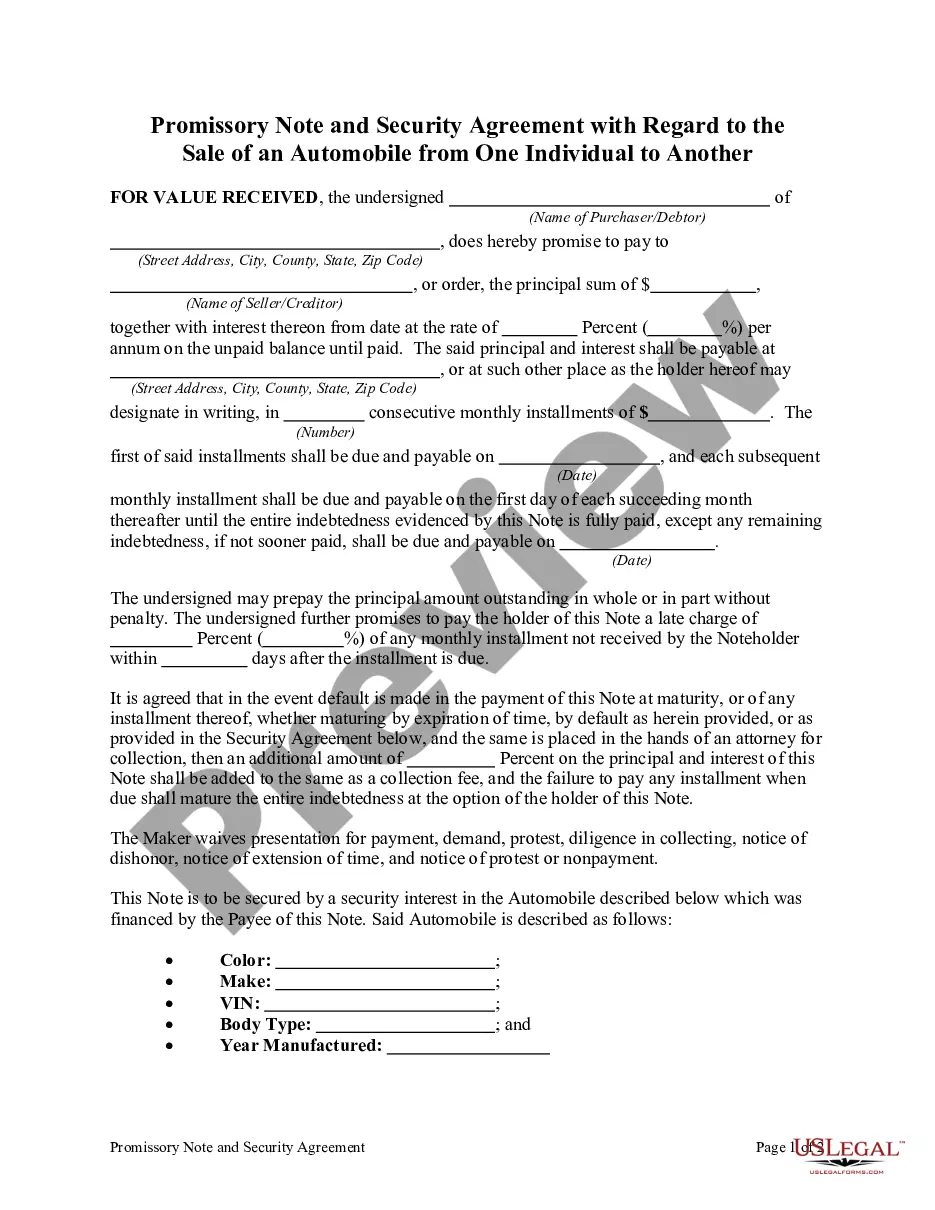
Description






Get your form ready online
Our built-in tools help you complete, sign, share, and store your documents in one place.
Make edits, fill in missing information, and update formatting in US Legal Forms—just like you would in MS Word.
Download a copy, print it, send it by email, or mail it via USPS—whatever works best for your next step.
Sign and collect signatures with our SignNow integration. Send to multiple recipients, set reminders, and more. Go Premium to unlock E-Sign.
If this form requires notarization, complete it online through a secure video call—no need to meet a notary in person or wait for an appointment.
We protect your documents and personal data by following strict security and privacy standards.

Make edits, fill in missing information, and update formatting in US Legal Forms—just like you would in MS Word.

Download a copy, print it, send it by email, or mail it via USPS—whatever works best for your next step.

Sign and collect signatures with our SignNow integration. Send to multiple recipients, set reminders, and more. Go Premium to unlock E-Sign.

If this form requires notarization, complete it online through a secure video call—no need to meet a notary in person or wait for an appointment.

We protect your documents and personal data by following strict security and privacy standards.
Looking for another form?









Form popularity
FAQ
69% of the $75 billion recovered since 1986 has come from qui tam lawsuits filed by whistleblowers under the False Claims Act. Relators have been awarded over $8.6 billion in so-called relator's share awards under the False Claims Act.
The Massachusetts False Claims Act is a powerful law enforcement statute that authorizes triple damages and civil penalties of up to $11,000 per false claim (adjusted by the Federal Civil Penalties Inflation Adjustment Act of 1990), as well as the AG's attorneys' costs and fees.
The False Claims Act sets penalties at $5,000 to $10,000 per violation. However, subsequent federal law periodically adjusts the amounts for inflation. As of February 12, 2024, FCA penalties range from $13,946 to $27,894 per violation.
Pressing Charges When Someone Makes False Accusations You sue by initiating the civil court proceedings yourself. But, you cannot initiate criminal proceedings–a government official must do that. Pressing charges against someone for making false accusations is done separately from suing them.
Whoever fraudulently or dishonestly, or with intent to injure or annoy any person, makes in a Court of Justice any claim which he knows to be false, shall be punished with imprisonment of either description for a term which may extend to two years, and shall also be liable to fine.
If convicted, penalties for false accusations could result in fines of up to $1,000, up to six months in county jail, or both. Additionally, individuals may face civil lawsuits for defamation or malicious prosecution if the false accusations harm another person's reputation or lead to wrongful legal actions.
Punishment: Imprisonment (either simple or rigorous) up to 3 years and can also be fined.
