Constitution Amendment In Hindi In Maryland
Description






Get your form ready online
Our built-in tools help you complete, sign, share, and store your documents in one place.
Make edits, fill in missing information, and update formatting in US Legal Forms—just like you would in MS Word.
Download a copy, print it, send it by email, or mail it via USPS—whatever works best for your next step.
Sign and collect signatures with our SignNow integration. Send to multiple recipients, set reminders, and more. Go Premium to unlock E-Sign.
If this form requires notarization, complete it online through a secure video call—no need to meet a notary in person or wait for an appointment.
We protect your documents and personal data by following strict security and privacy standards.

Make edits, fill in missing information, and update formatting in US Legal Forms—just like you would in MS Word.

Download a copy, print it, send it by email, or mail it via USPS—whatever works best for your next step.

Sign and collect signatures with our SignNow integration. Send to multiple recipients, set reminders, and more. Go Premium to unlock E-Sign.

If this form requires notarization, complete it online through a secure video call—no need to meet a notary in person or wait for an appointment.

We protect your documents and personal data by following strict security and privacy standards.
Looking for another form?




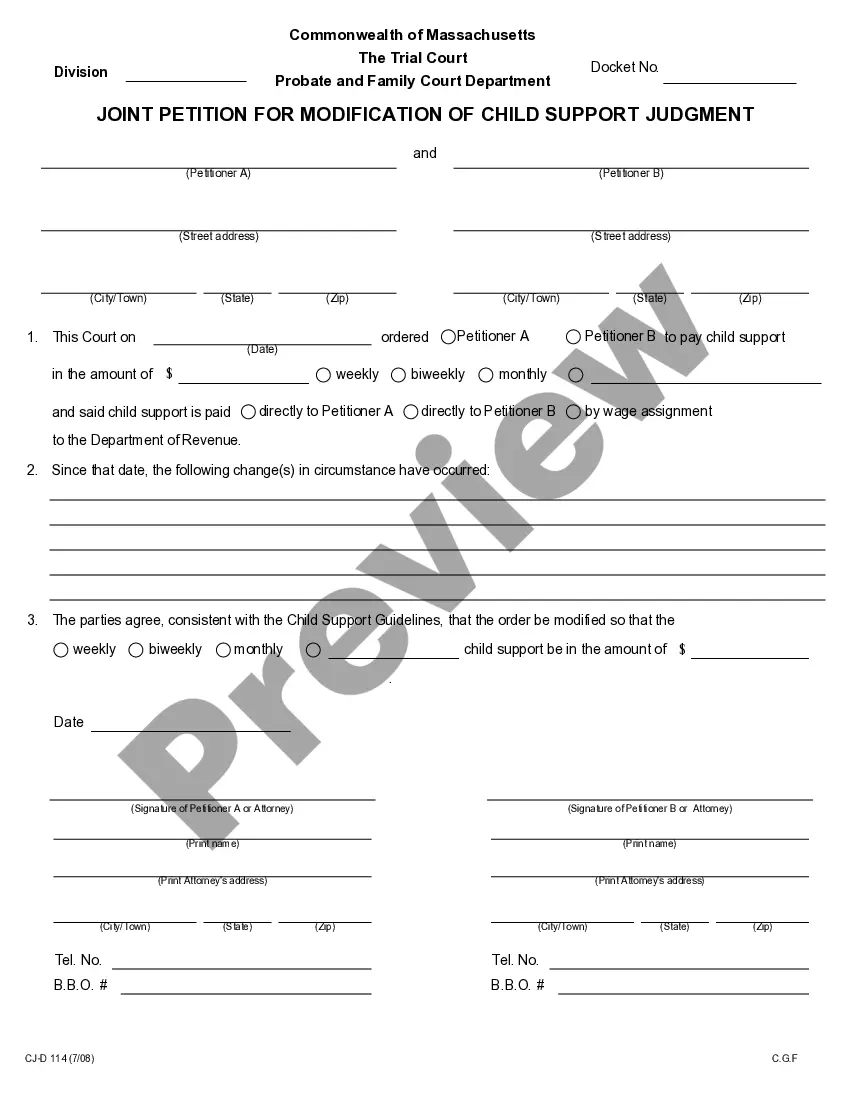

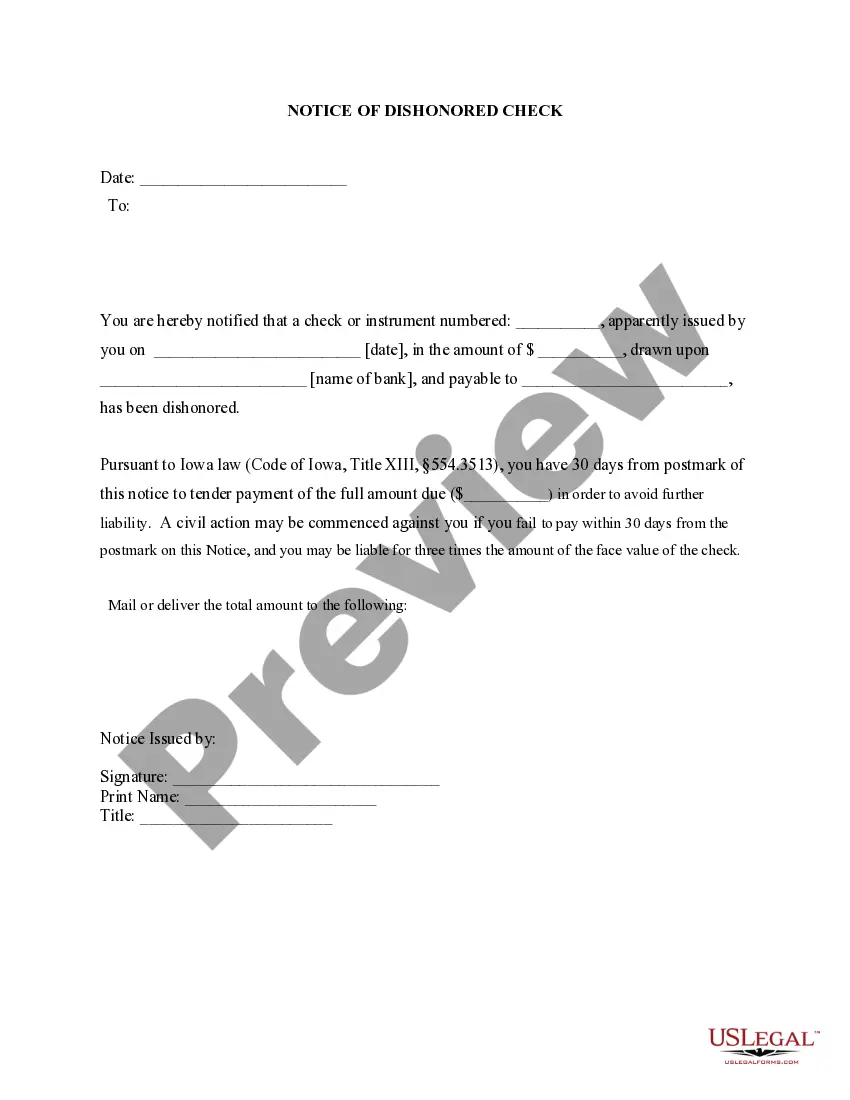

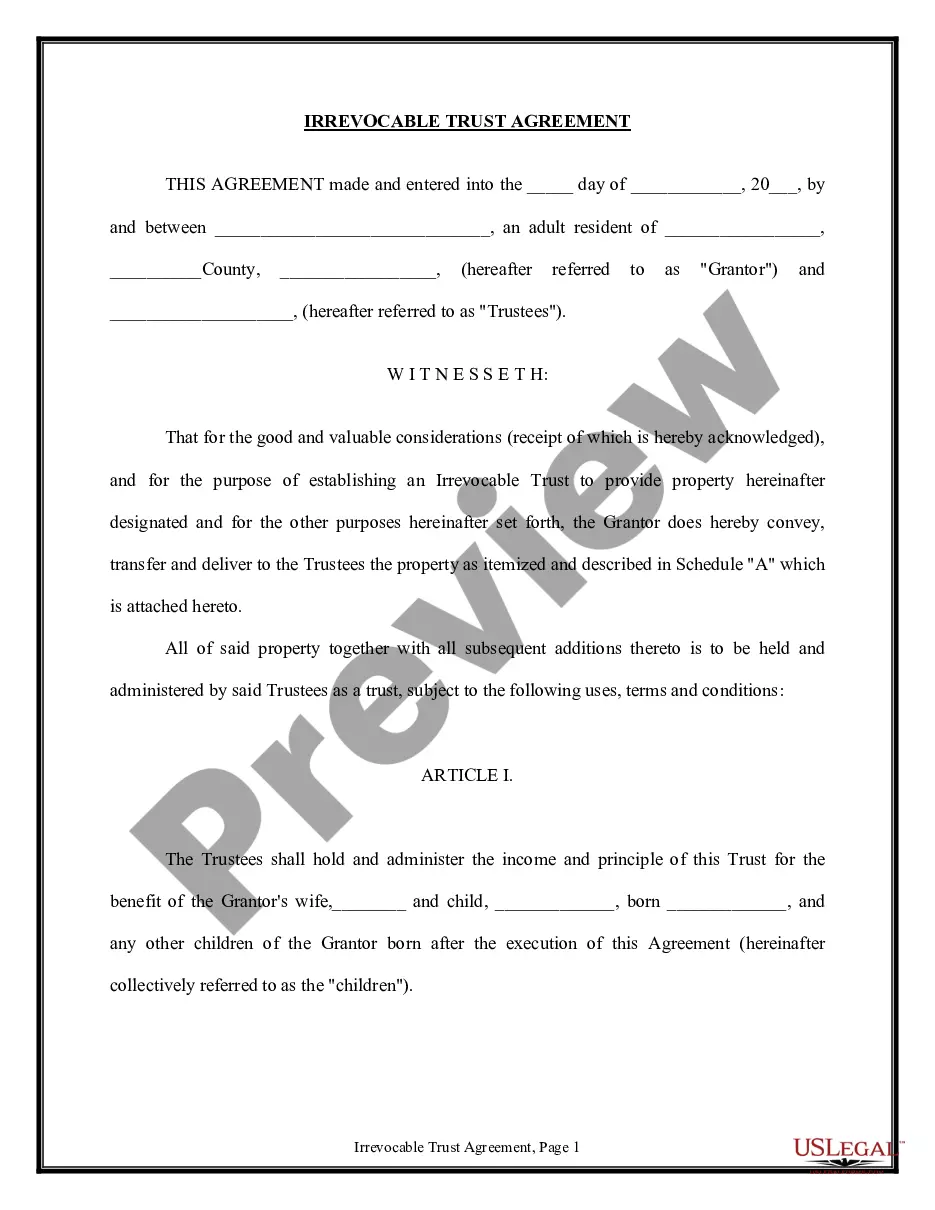

Form popularity
FAQ
Amendments must first be approved by three-fifths of all the members elected to each of the two houses of the General Assembly, then published in newspapers around the state and approved by a majority of Maryland voters.
The 1st, 2nd, and 26th amendments are examples of formal changes in the constitution. These amendments were proposed by Congress, agreed upon by two-thirds of its members. They were then ratified and accepted by three-fourths of the state legislature and convention members.
There are three ways in which the Constitution can be amended: Amendment by simple majority of the Parliament. Amendment by special majority of the Parliament. Amendment by special majority of the Parliament and the ratification of at least half of the state legislatures.
The amendment should be clear and concise. It should state the changes that are being made and the effective date of the changes. All parties should sign the amendment electronically, ensuring that everyone has agreed that these changes have been made. You could use a template for your contract amendments.
An amendment may be proposed by a two-thirds vote of both Houses of Congress, or, if two-thirds of the States request one, by a convention called for that purpose. The amendment must then be ratified by three-fourths of the State legislatures, or three-fourths of conventions called in each State for ratification.
The Constitution provides that an amendment may be proposed either by the Congress with a two-thirds majority vote in both the House of Representatives and the Senate or by a constitutional convention called for by two-thirds of the State legislatures.
Most of the states (36 of 49) require legislatures to approve the amendments during one legislative session. An additional four states require amendments to be passed during one or two successive legislative sessions, depending on whether the amendment receives a simple majority or supermajority.
The amendment should be clear and concise. It should state the changes that are being made and the effective date of the changes. All parties should sign the amendment electronically, ensuring that everyone has agreed that these changes have been made. You could use a template for your contract amendments.
The Legislature may provide by law, not inconsistent with Section 26 of Article III of this Constitution, for the impeachment of the Governor and Lieutenant Governor (amended by Chapter 743, Acts of 1959, ratified Nov. 8, 1960; Chapter 532, Acts of 1970, ratified Nov. 3, 1970).
The due process clause of the Fourteenth amendment holds that there is a fundamental, constitutional guarantee that all legal proceedings will be fair and that one will be given notice of the proceedings and an opportunity to be heard before the government acts to take away one's life, liberty, or property.
