Constitution Amendment For Gst In Hillsborough
Description






Get your form ready online
Our built-in tools help you complete, sign, share, and store your documents in one place.
Make edits, fill in missing information, and update formatting in US Legal Forms—just like you would in MS Word.
Download a copy, print it, send it by email, or mail it via USPS—whatever works best for your next step.
Sign and collect signatures with our SignNow integration. Send to multiple recipients, set reminders, and more. Go Premium to unlock E-Sign.
If this form requires notarization, complete it online through a secure video call—no need to meet a notary in person or wait for an appointment.
We protect your documents and personal data by following strict security and privacy standards.

Make edits, fill in missing information, and update formatting in US Legal Forms—just like you would in MS Word.

Download a copy, print it, send it by email, or mail it via USPS—whatever works best for your next step.

Sign and collect signatures with our SignNow integration. Send to multiple recipients, set reminders, and more. Go Premium to unlock E-Sign.

If this form requires notarization, complete it online through a secure video call—no need to meet a notary in person or wait for an appointment.

We protect your documents and personal data by following strict security and privacy standards.
Looking for another form?
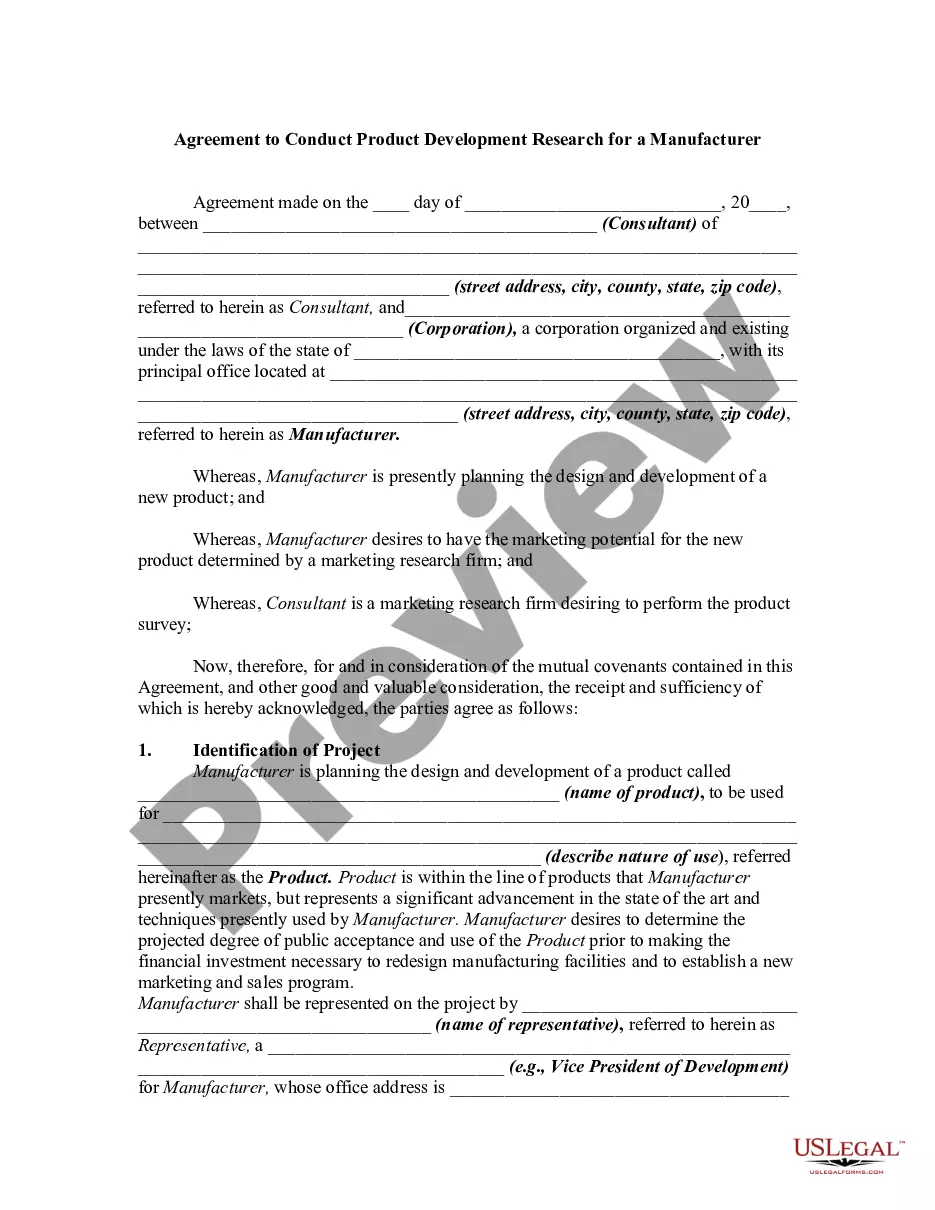



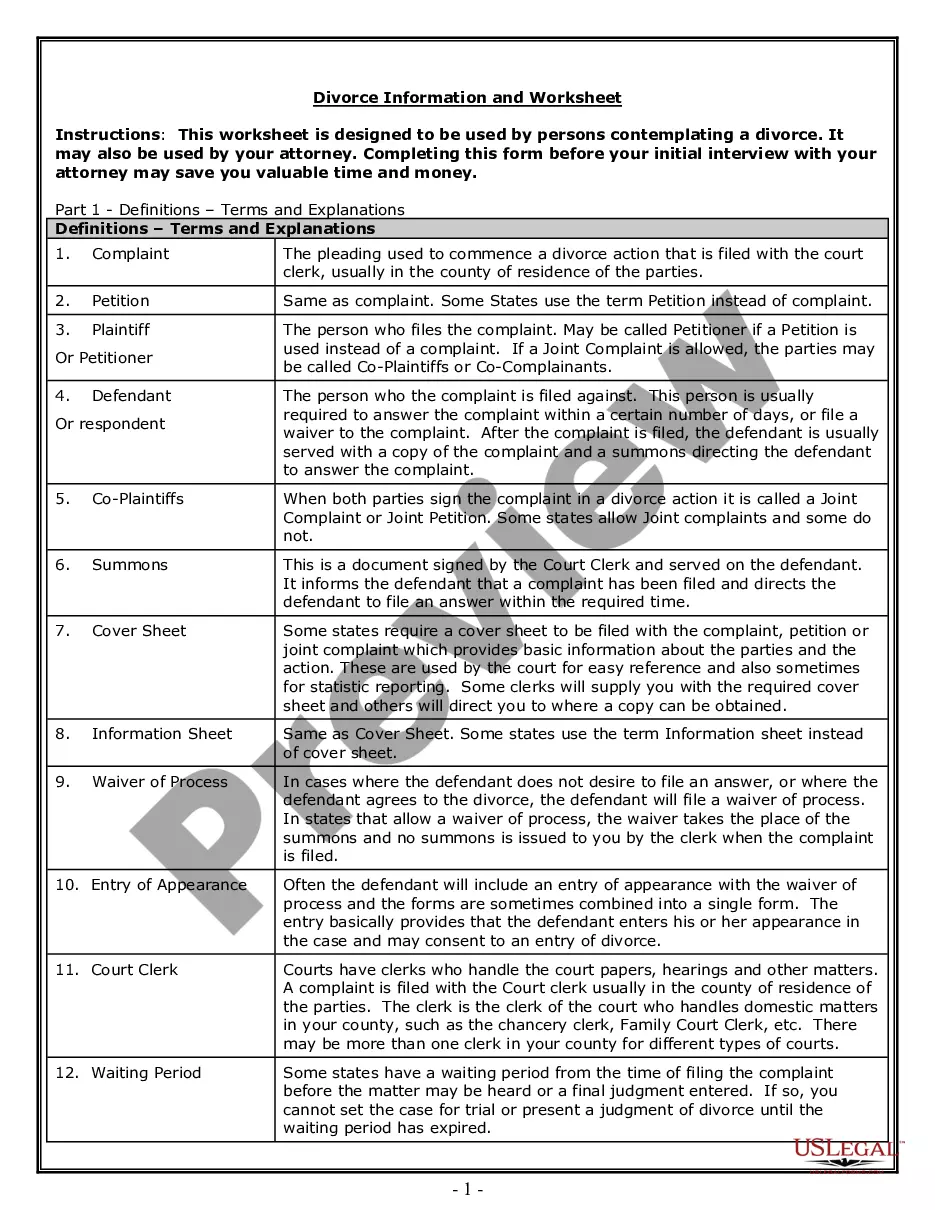



Form popularity
FAQ
While our tax system is based on self-assessment and reporting, compliance with tax laws is mandatory.
At first, the income tax was incrementally expanded by the Congress of the United States, and then inflation automatically raised most persons into tax brackets formerly reserved for the wealthy until income tax brackets were adjusted for inflation.
Constitutional Amendments – Amendment 16 – “Income Taxes” Amendment Sixteen to the Constitution was ratified on February 3, 1913. It grants Congress the authority to issue an income tax without having to determine it based on population.
