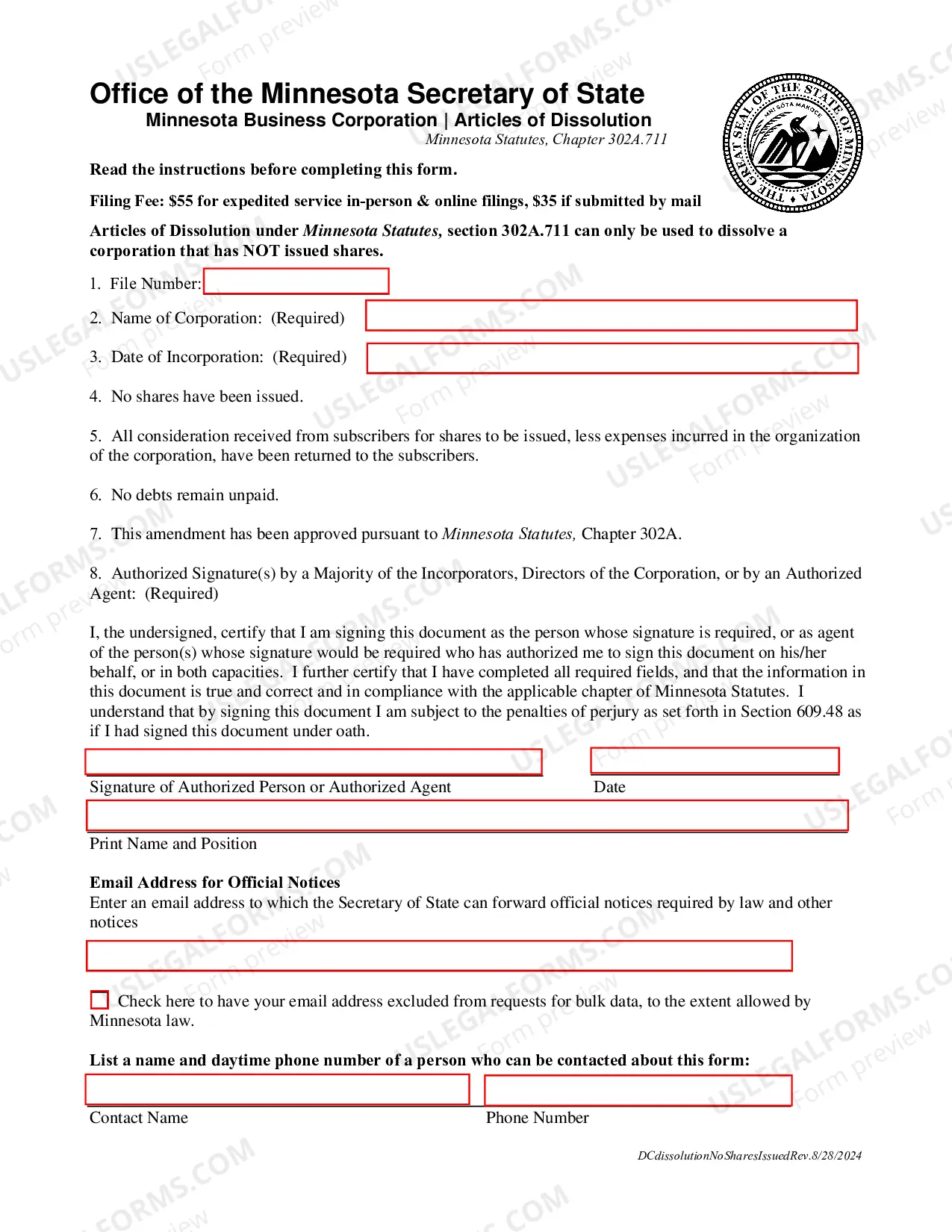
Amendment Of Constitution Article 368 In Hennepin
Description






Get your form ready online
Our built-in tools help you complete, sign, share, and store your documents in one place.
Make edits, fill in missing information, and update formatting in US Legal Forms—just like you would in MS Word.
Download a copy, print it, send it by email, or mail it via USPS—whatever works best for your next step.
Sign and collect signatures with our SignNow integration. Send to multiple recipients, set reminders, and more. Go Premium to unlock E-Sign.
If this form requires notarization, complete it online through a secure video call—no need to meet a notary in person or wait for an appointment.
We protect your documents and personal data by following strict security and privacy standards.

Make edits, fill in missing information, and update formatting in US Legal Forms—just like you would in MS Word.

Download a copy, print it, send it by email, or mail it via USPS—whatever works best for your next step.

Sign and collect signatures with our SignNow integration. Send to multiple recipients, set reminders, and more. Go Premium to unlock E-Sign.

If this form requires notarization, complete it online through a secure video call—no need to meet a notary in person or wait for an appointment.

We protect your documents and personal data by following strict security and privacy standards.
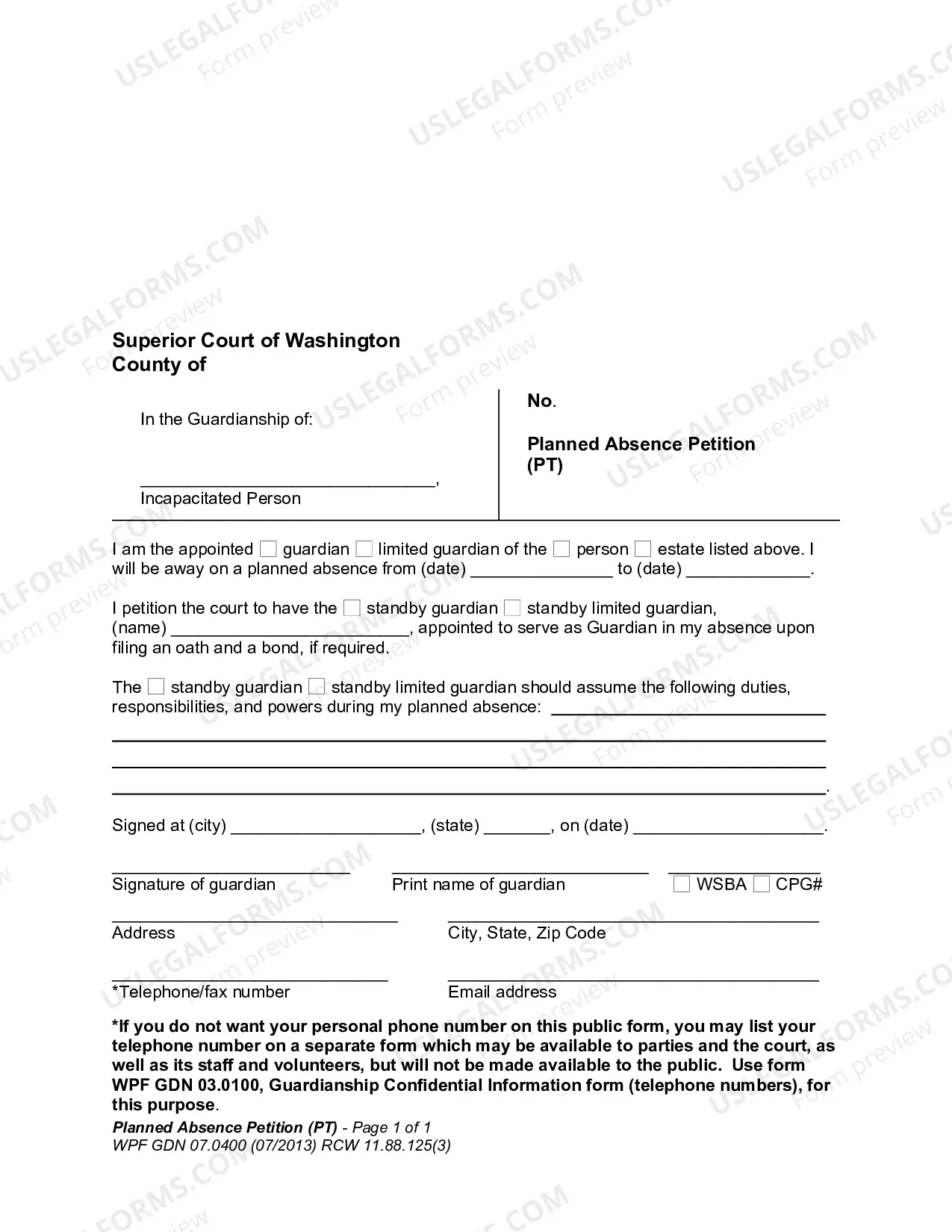
Looking for another form?







Form popularity
FAQ
An amendment may be proposed by a two-thirds vote of both Houses of Congress, or, if two-thirds of the States request one, by a convention called for that purpose. The amendment must then be ratified by three-fourths of the State legislatures, or three-fourths of conventions called in each State for ratification.
Congress may submit a proposed constitutional amendment to the states, if the proposed amendment language is approved by a two-thirds vote of both houses. Congress must call a convention for proposing amendments upon application of the legislatures of two-thirds of the states (i.e., 34 of 50 states).
A constitutional amendment can be initiated by the Legislature if it passes both houses by a two-thirds vote. A constitutional amendment does not need the Governor's signature, but becomes part of the constitution only if the electorate approves it at the next general election.
44th Amendment Act, 1978 was introduced to provide adequate safeguards against the recurrence of the tendency to take over the fundamental rights by the transient majority in the future and to ensure to the people an effective voice in determining the form of government under which they are to live.
The act must be approved by a majority vote of both bodies of the legislature. A constitutional amendment is just like a session law, but does not require the governor's signature, and a governor's veto has no effect.
To propose amendments, two-thirds of both houses of Congress can vote to propose an amendment, or two-thirds of the state legislatures can ask Congress to call a national convention to propose amendments.
An amendment may be proposed by a two-thirds vote of both Houses of Congress, or, if two-thirds of the States request one, by a convention called for that purpose.
368. 2(1) Notwithstanding anything in this Constitution, Parliament may in exercise of its constituent power amend by way of addition, variation or repeal any provision of this Constitution in ance with the procedure laid down in this article. Parliament to amend the Constitution and procedure therefor.
An amendment may be proposed by a two-thirds vote of both Houses of Congress, or, if two-thirds of the States request one, by a convention called for that purpose. The amendment must then be ratified by three-fourths of the State legislatures, or three-fourths of conventions called in each State for ratification.
"In 1898, the Constitution was amended, changing the standards for approving a constitutional amendment. Since that point, a constitutional amendment must be approved by a simple majority of both chambers of the legislature at one session, and then ratified by a majority of voters in an election.
