Difference Between Arrest And Imprisonment
Description
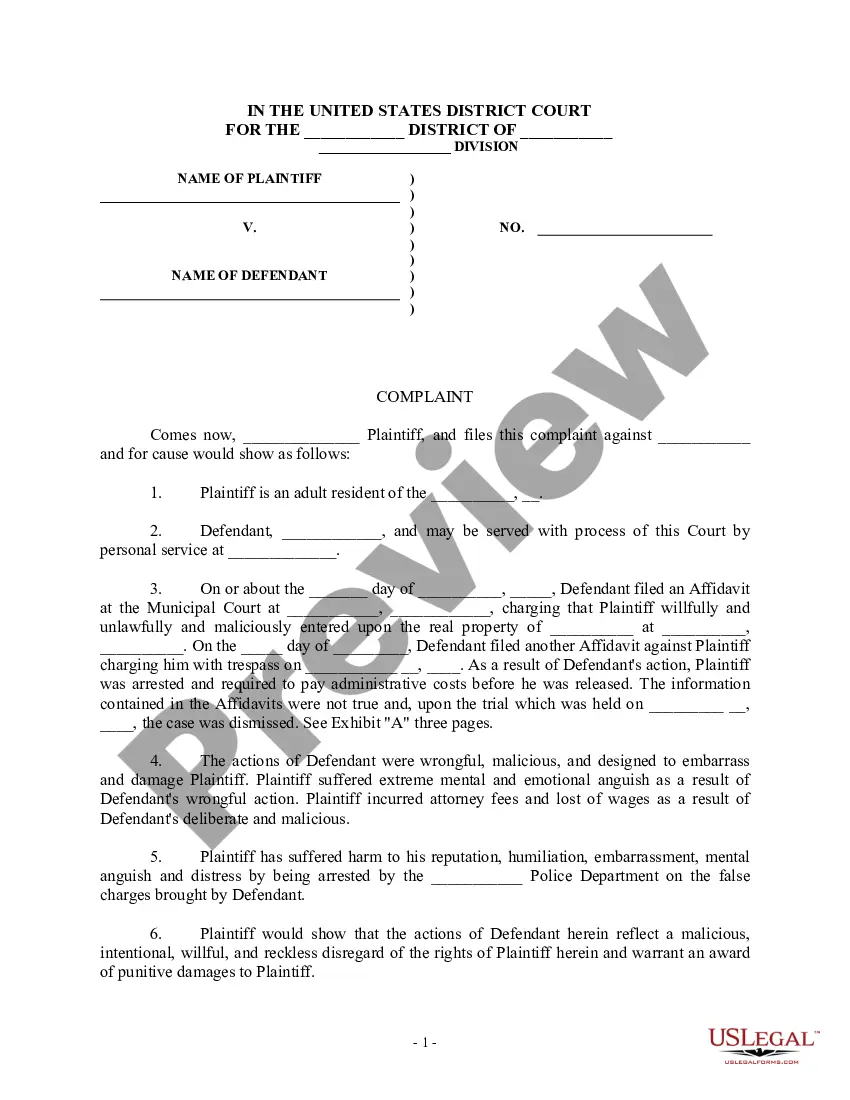
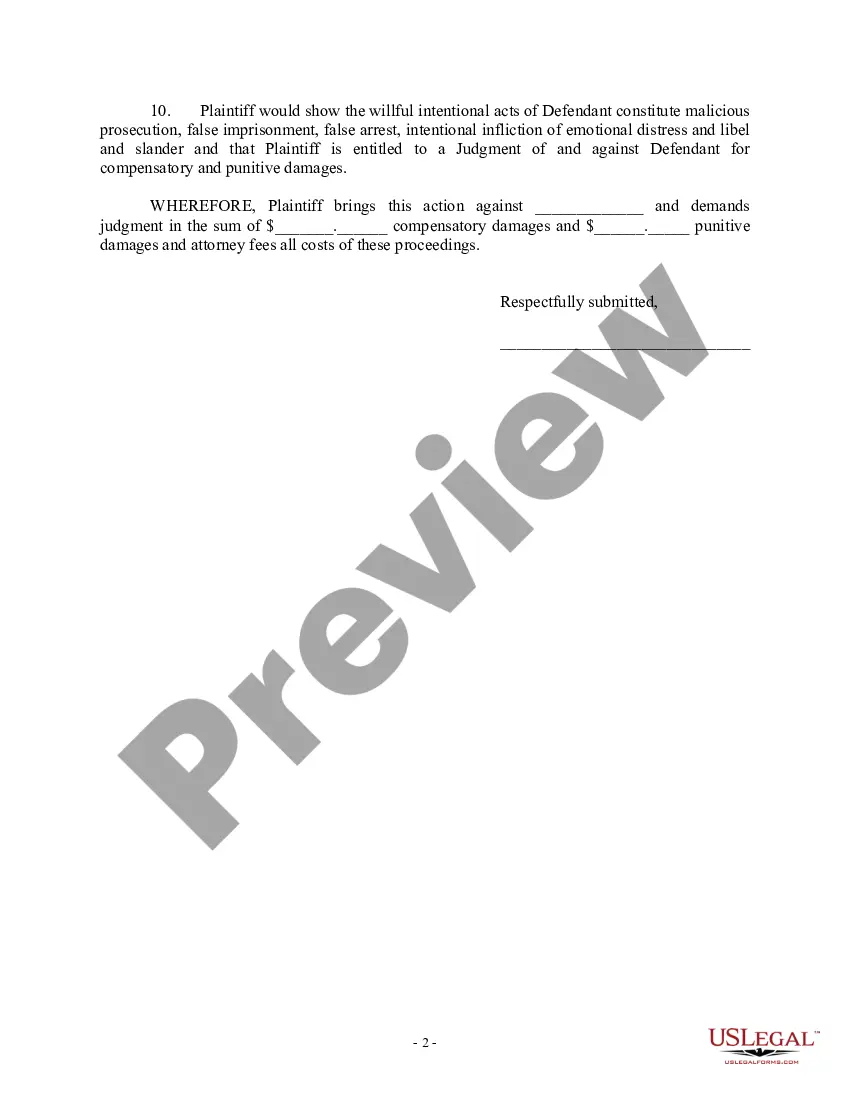
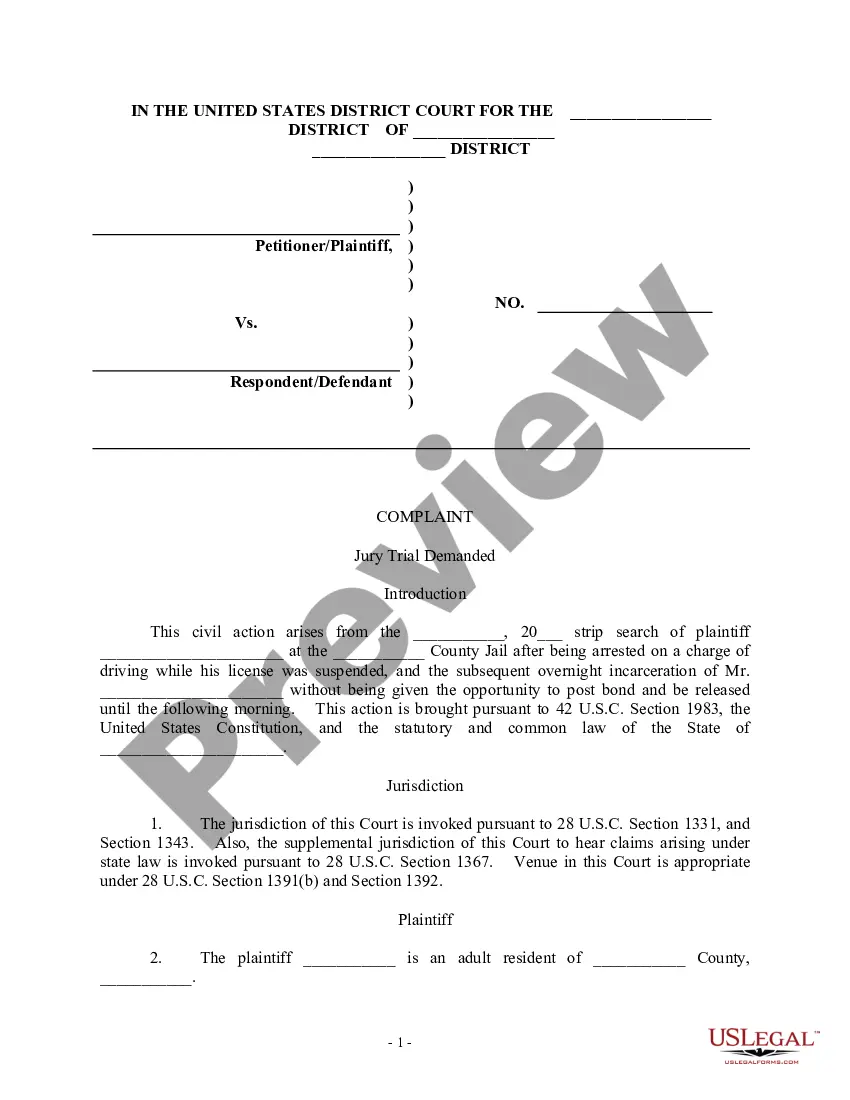
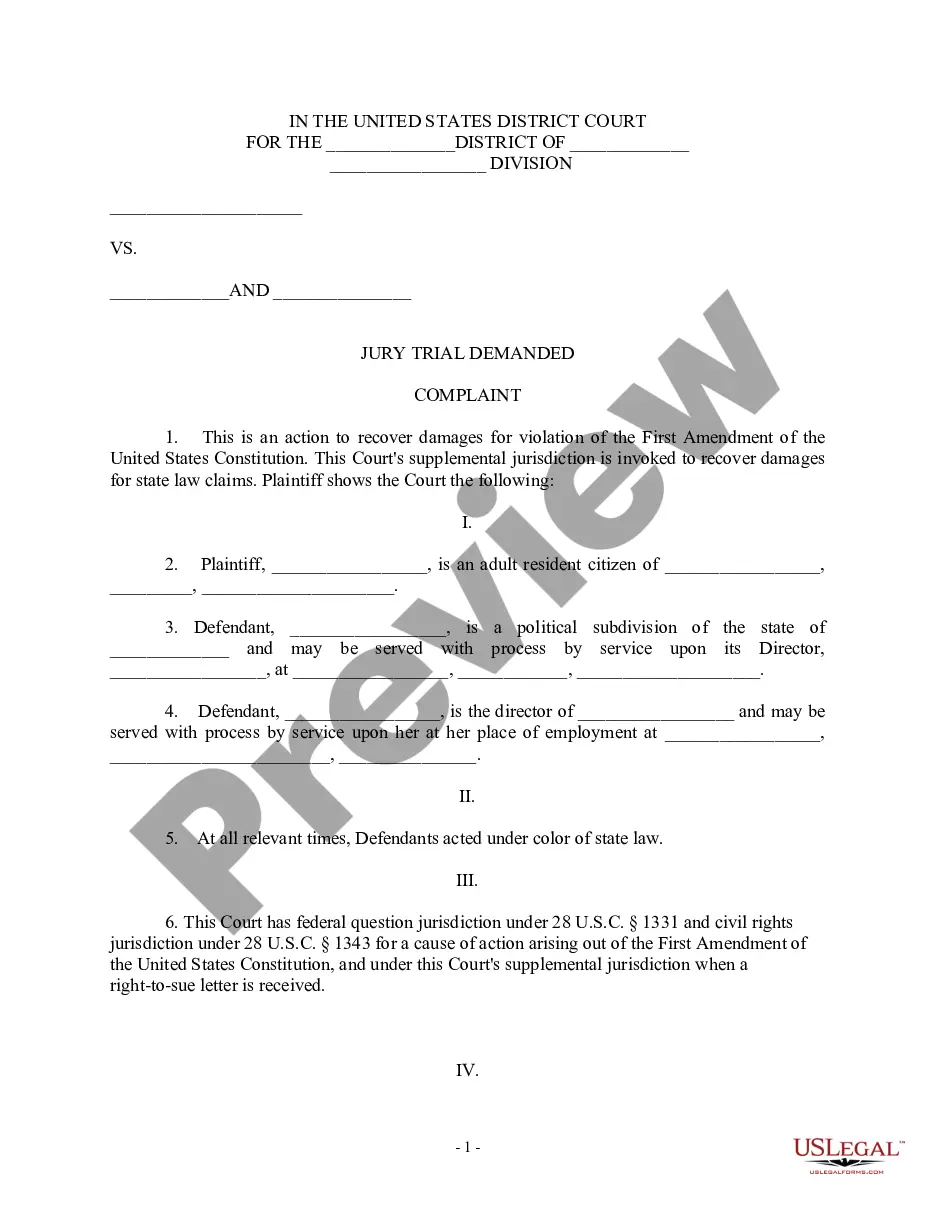
Get your form ready online
Our built-in tools help you complete, sign, share, and store your documents in one place.
Make edits, fill in missing information, and update formatting in US Legal Forms—just like you would in MS Word.
Download a copy, print it, send it by email, or mail it via USPS—whatever works best for your next step.
Sign and collect signatures with our SignNow integration. Send to multiple recipients, set reminders, and more. Go Premium to unlock E-Sign.
If this form requires notarization, complete it online through a secure video call—no need to meet a notary in person or wait for an appointment.
We protect your documents and personal data by following strict security and privacy standards.

Make edits, fill in missing information, and update formatting in US Legal Forms—just like you would in MS Word.

Download a copy, print it, send it by email, or mail it via USPS—whatever works best for your next step.

Sign and collect signatures with our SignNow integration. Send to multiple recipients, set reminders, and more. Go Premium to unlock E-Sign.

If this form requires notarization, complete it online through a secure video call—no need to meet a notary in person or wait for an appointment.

We protect your documents and personal data by following strict security and privacy standards.
Looking for another form?
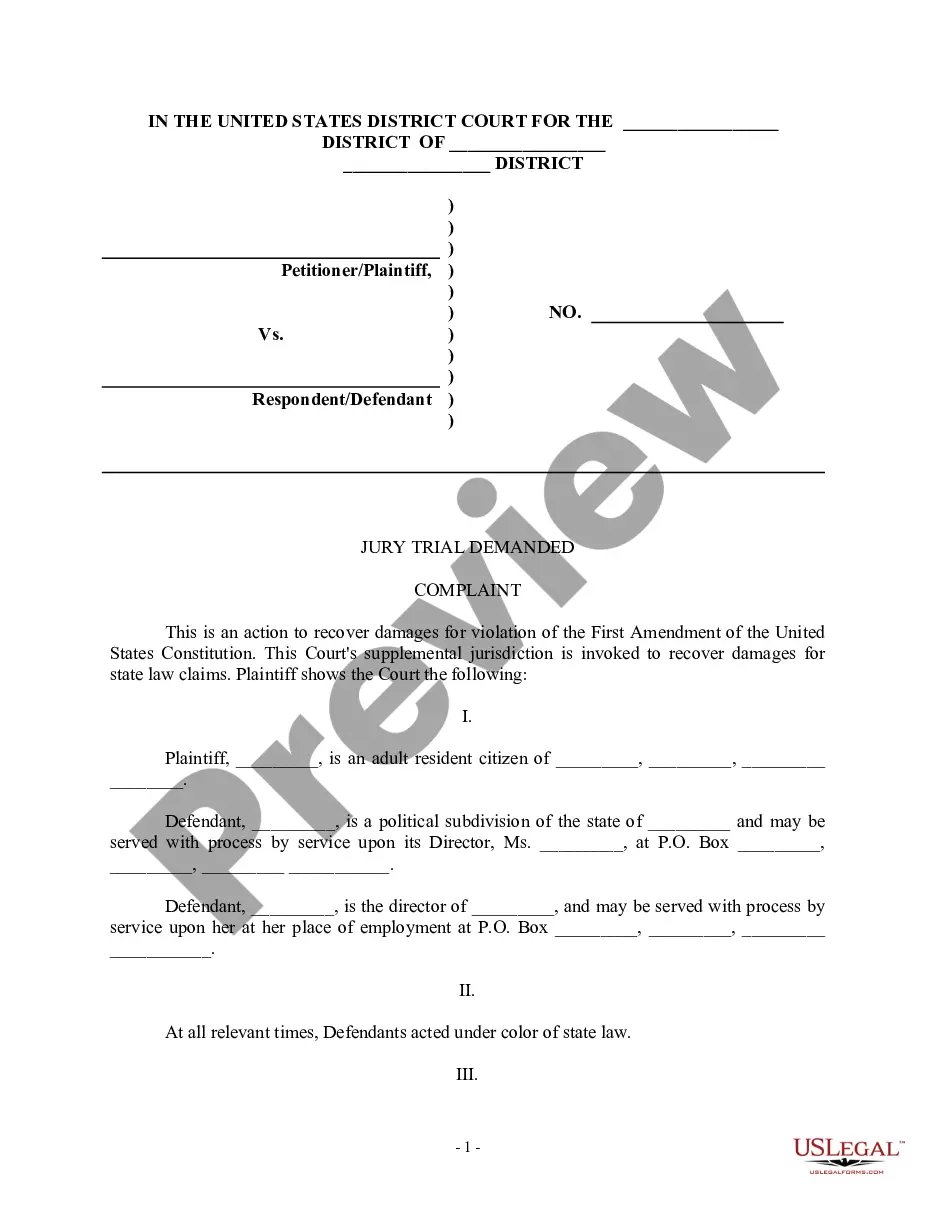
How to fill out Complaint For False Arrest And Imprisonment - 4th And 14th Amendment, US Constitution - Jury Trial Demand?
Whether for commercial reasons or for individual affairs, everyone must handle legal matters at some point in their lives. Completing legal documents requires meticulous attention, starting from selecting the right form template. For example, if you opt for an incorrect version of the Difference Between Arrest And Imprisonment, it will be rejected upon submission. It is therefore essential to find a reliable source of legal forms like US Legal Forms.
If you need to obtain a Difference Between Arrest And Imprisonment template, follow these straightforward steps: Find the template you require utilizing the search bar or catalog navigation. Review the form’s description to confirm it aligns with your situation, state, and area. Click on the form’s preview to inspect it. If it is the wrong form, return to the search function to find the Difference Between Arrest And Imprisonment template you need. Download the file when it fits your criteria. If you already possess a US Legal Forms account, simply click Log in to access previously saved documents in My documents. If you do not have an account yet, you can acquire the form by clicking Buy now. Choose the suitable pricing option. Complete the account registration form. Select your payment method: use a credit card or PayPal account. Choose the document format you desire and download the Difference Between Arrest And Imprisonment. Once it is downloaded, you can fill out the form using editing software or print it and fill it out by hand.
Choose the suitable pricing option. Complete the account registration form. Select your payment method: use a credit card or PayPal account. Choose the document format you desire and download the Difference Between Arrest And Imprisonment. Once it is downloaded, you can fill out the form using editing software or print it and fill it out by hand. With a vast US Legal Forms catalog at hand, you do not need to spend time searching for the right template across the web. Use the library’s simple navigation to get the correct template for any occasion.
- Whether for commercial reasons or for individual affairs, everyone must handle legal matters at some point in their lives.
- Completing legal documents requires meticulous attention, starting from selecting the right form template.
- For example, if you opt for an incorrect version of the Difference Between Arrest And Imprisonment, it will be rejected upon submission.
- It is therefore essential to find a reliable source of legal forms like US Legal Forms.
- If you need to obtain a Difference Between Arrest And Imprisonment template, follow these straightforward steps.
- Find the template you require utilizing the search bar or catalog navigation.
- Review the form’s description to confirm it aligns with your situation, state, and area.
- Click on the form’s preview to inspect it.
- If it is the wrong form, return to the search function to find the Difference Between Arrest And Imprisonment template you need.
- Download the file when it fits your criteria.
- If you already possess a US Legal Forms account, simply click Log in to access previously saved documents in My documents.
- If you do not have an account yet, you can acquire the form by clicking Buy now.
Form popularity
FAQ
Many jurisdictions distinguish false arrest from false imprisonment by defining false arrest as a situation where the arresting party has an asserted legal authority to make arrests. On the other hand, in these jurisdictions, false imprisonment can be perpetrated by anyone regardless of a claim of authority.
Arrest - held until further investigation which is usually when the posibility that your actions infringe upon the peaceable constitutions of an orderly the community. 3. Incarcerate - the severity of that infringement constitutes that a period of surpervised detainment be applied to correct the behavior.
For an officer to detain someone, they must have reasonable suspicion. That means that they have a justifiable basis for stopping the individual. The reasonable suspicion standard is lower than the probable cause standard for an arrest, which we'll discuss later.
From a law enforcement perspective, detention allows for preliminary investigations and establishing probable cause. On the other hand, an arrest enables them to present evidence, officially charge an individual, and potentially lead to legal consequences like court trials.
Arrest - held until further investigation which is usually when the posibility that your actions infringe upon the peaceable constitutions of an orderly the community. 3. Incarcerate - the severity of that infringement constitutes that a period of surpervised detainment be applied to correct the behavior.