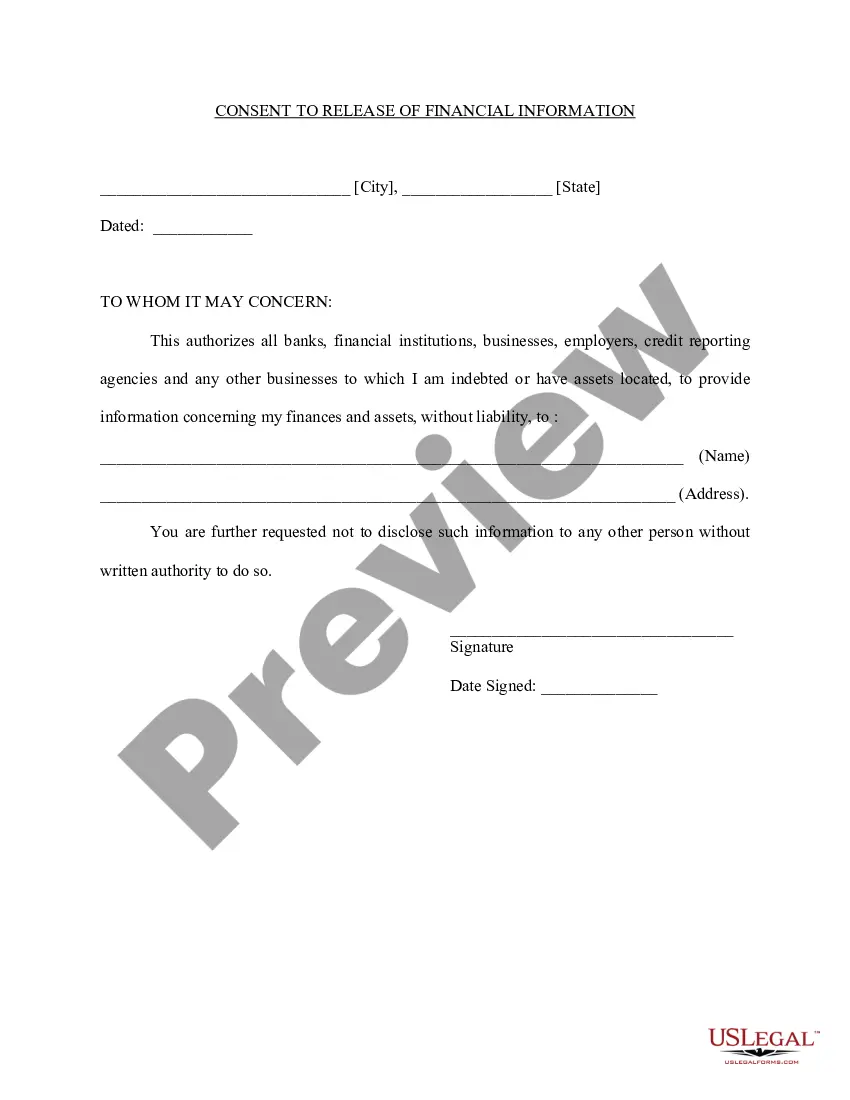
Complaint False Arrest For Assault In Arizona
Description






Get your form ready online
Our built-in tools help you complete, sign, share, and store your documents in one place.
Make edits, fill in missing information, and update formatting in US Legal Forms—just like you would in MS Word.
Download a copy, print it, send it by email, or mail it via USPS—whatever works best for your next step.
Sign and collect signatures with our SignNow integration. Send to multiple recipients, set reminders, and more. Go Premium to unlock E-Sign.
If this form requires notarization, complete it online through a secure video call—no need to meet a notary in person or wait for an appointment.
We protect your documents and personal data by following strict security and privacy standards.

Make edits, fill in missing information, and update formatting in US Legal Forms—just like you would in MS Word.

Download a copy, print it, send it by email, or mail it via USPS—whatever works best for your next step.

Sign and collect signatures with our SignNow integration. Send to multiple recipients, set reminders, and more. Go Premium to unlock E-Sign.

If this form requires notarization, complete it online through a secure video call—no need to meet a notary in person or wait for an appointment.

We protect your documents and personal data by following strict security and privacy standards.
Looking for another form?






Form popularity
FAQ
Proving False Arrest To be successful with a civil lawsuit pertaining to false arrest, you must prove three elements of your case. These are as follows: Law enforcement officials arrested you without a valid warrant, without a warrant at all, or without probable cause. You suffered actual harm as a result.
Gather evidence: If possible, try to remember details of the arrest, like the officer's name and any witnesses. Contact an attorney: Talk to a lawyer specializing in wrongful arrest. They can advise you on your legal options, which may include filing a lawsuit against the arresting officer or department.
Typically, plaintiffs bringing allegations of false arrest against state authorities need to prove all three of the elements outlined below. The arrest was inappropriate. The person detained suffered harm. An officer was the cause of the injury.
Up to 6 months in jail. Up to $2500 in fines. Probation.
Defending Yourself Against False Accusations at Work Remain Calm and Be Professional. Talk to a Lawyer. Contact HR. Get the Details of the Complaint. Gather Evidence. Find Witnesses and Present Evidence. Be Honest and Cooperate with Any Investigations. Avoid Your Accuser.
§ 13-2901.01 Defined. Under ARS 13-2907.01, it is a crime for a person to do either of the following: Knowingly make to a law enforcement agency of either this state or a political subdivision of this state a false, fraudulent or unfounded report.
In California, making false accusations is a crime and can lead to serious legal consequences. Under Penal Code Section 148.5 , it is a misdemeanor to falsely report a crime to law enforcement. And if you're wondering whether you can go to jail for making false accusations, the answer is yes.