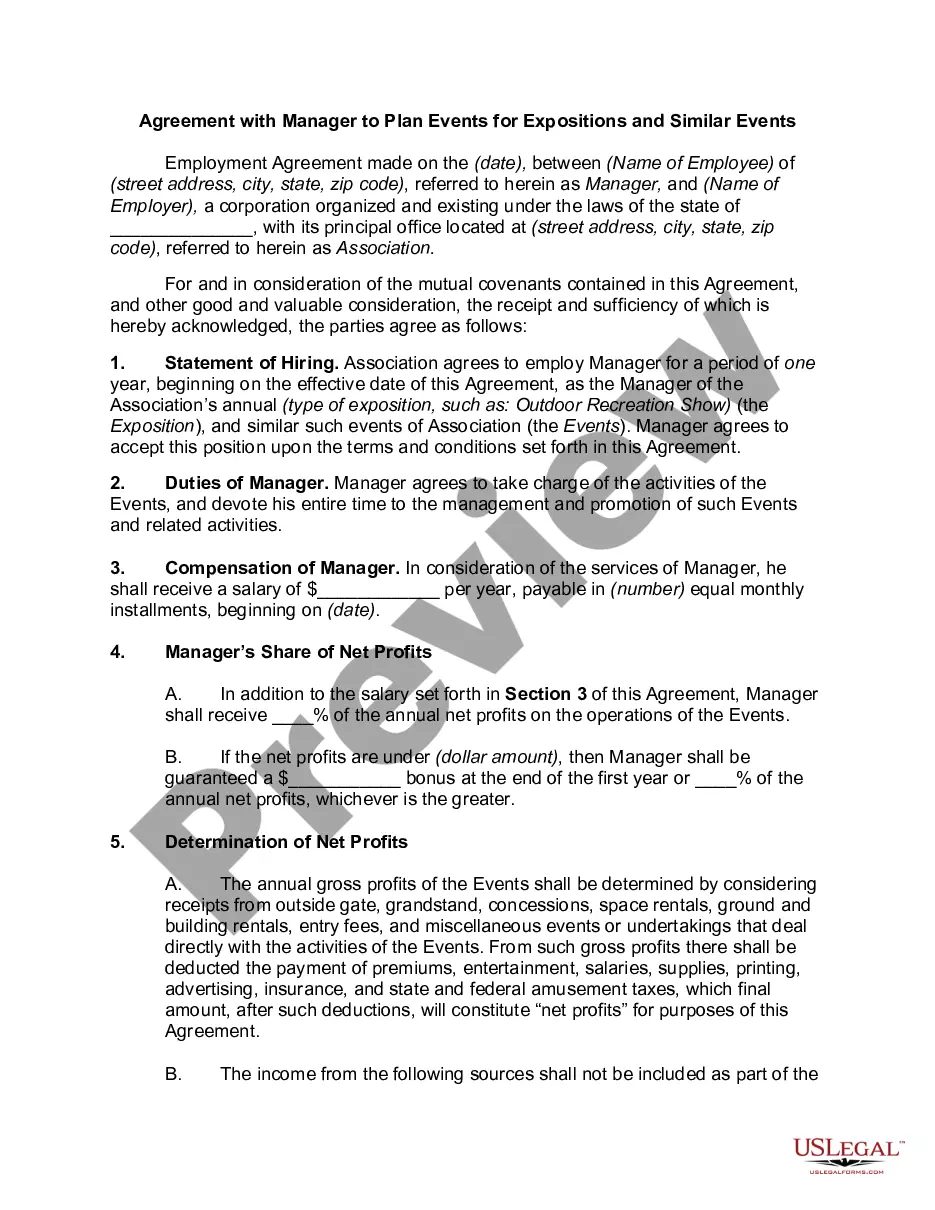
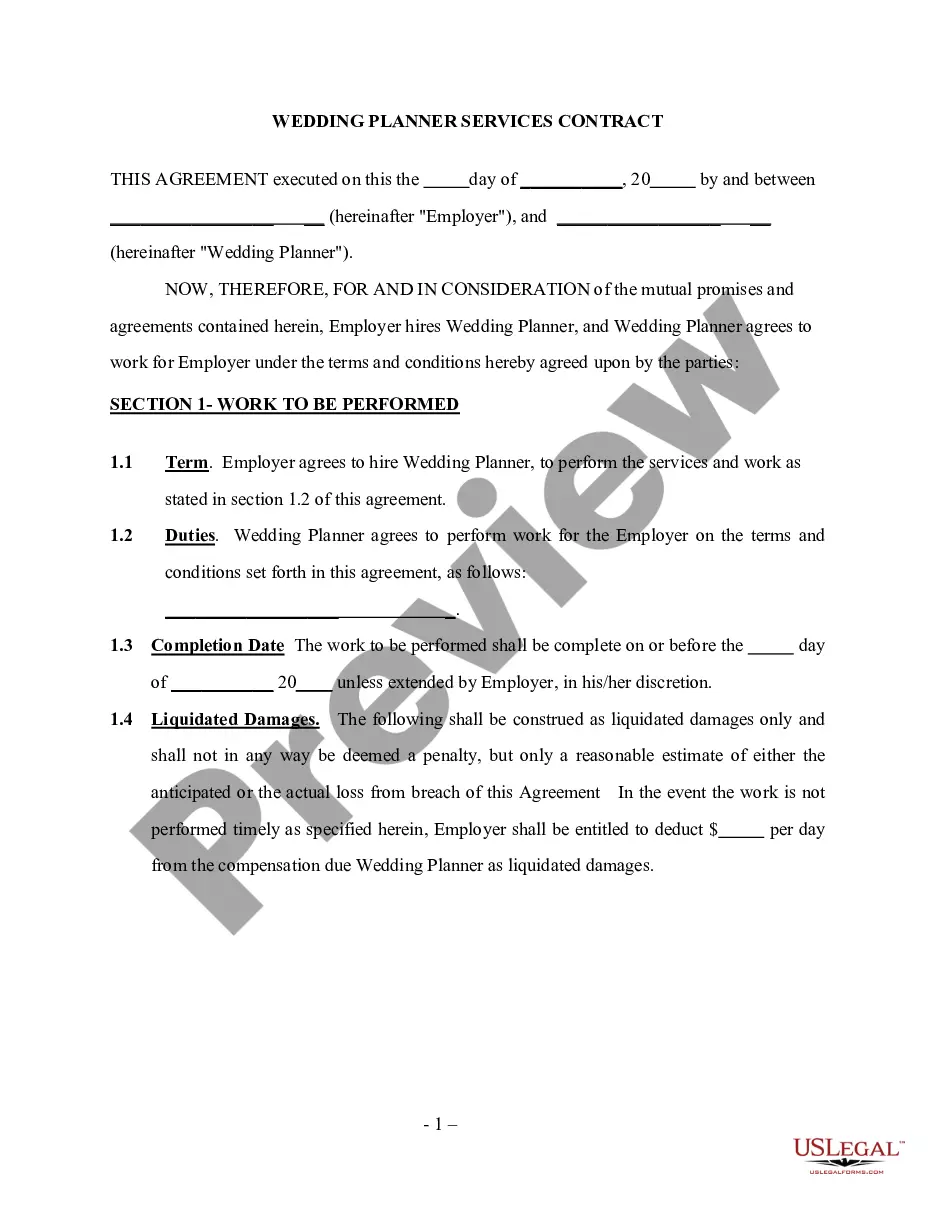
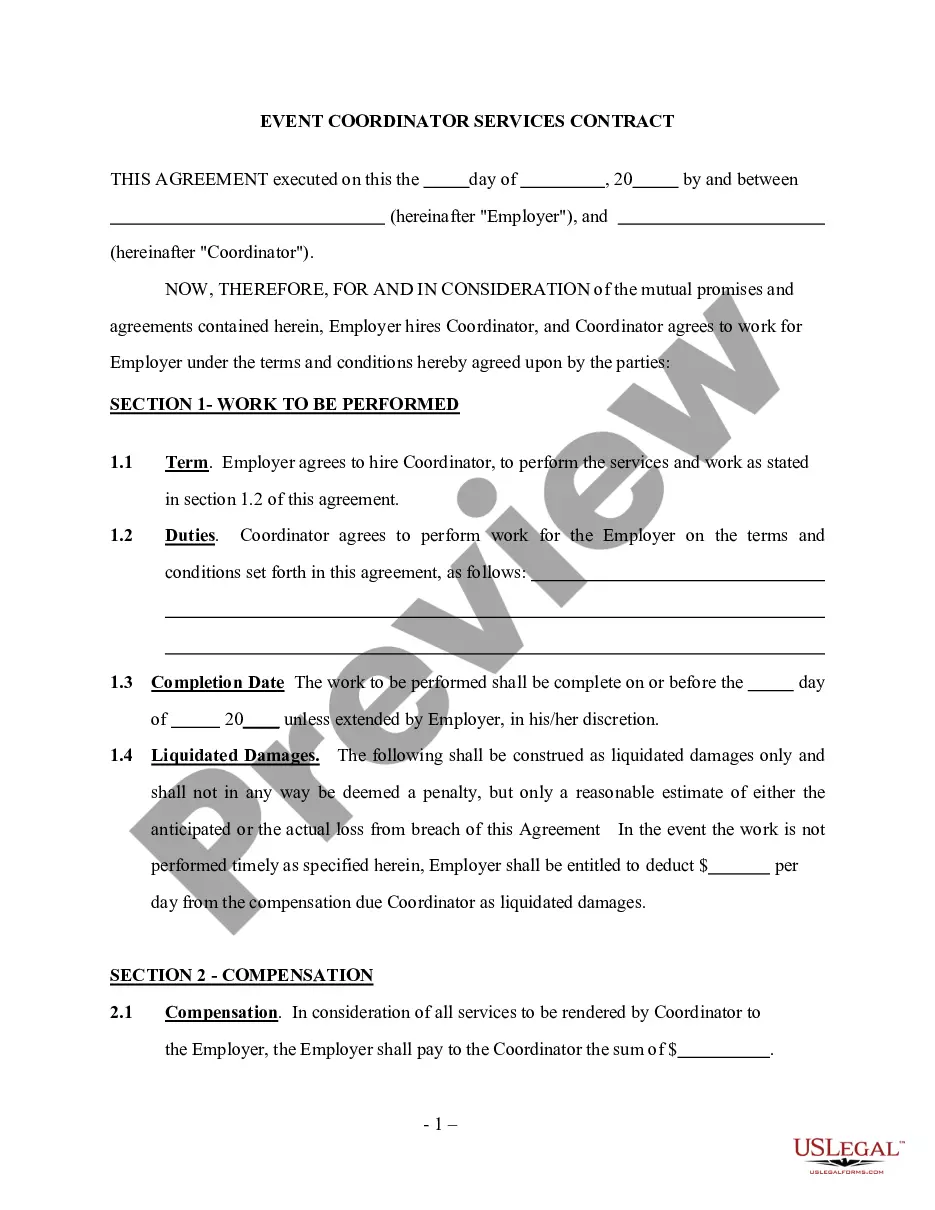
Event Planning Agreement Contracts For Clients In Wake
Description

Get your form ready online
Our built-in tools help you complete, sign, share, and store your documents in one place.
Make edits, fill in missing information, and update formatting in US Legal Forms—just like you would in MS Word.
Download a copy, print it, send it by email, or mail it via USPS—whatever works best for your next step.
Sign and collect signatures with our SignNow integration. Send to multiple recipients, set reminders, and more. Go Premium to unlock E-Sign.
If this form requires notarization, complete it online through a secure video call—no need to meet a notary in person or wait for an appointment.
We protect your documents and personal data by following strict security and privacy standards.

Make edits, fill in missing information, and update formatting in US Legal Forms—just like you would in MS Word.

Download a copy, print it, send it by email, or mail it via USPS—whatever works best for your next step.

Sign and collect signatures with our SignNow integration. Send to multiple recipients, set reminders, and more. Go Premium to unlock E-Sign.

If this form requires notarization, complete it online through a secure video call—no need to meet a notary in person or wait for an appointment.

We protect your documents and personal data by following strict security and privacy standards.
Looking for another form?








Form popularity
FAQ
How to Get Clients as an Event Planner Carve out a niche for yourself in the event industry. Build up a solid portfolio of clients. Start your own website. Advertise on social media. Build up a local buzz. Network with nonprofits.
7 Steps To Planning & Managing An Event Step 1: Define Your Event Goals and Objectives. Step 2: Organize Your Team. Step 3: Set a Budget. Step 4: Choose Your Event Date and Venue. Step 5: Plan Event Details. Step 6: Market and Promote the Event. Step 7: Execute and Manage the Event.
On average, freelance event planners can earn anywhere from $50 to $150 per hour, depending on their experience, location, and the complexity of the event, ing to Business Yield. For larger events, some planners opt for a percentage model, usually taking 10% to 20% of the total event budget.
And a profit margin of planners is 15-40% of the budget (some $500 billion annually spent on events, ing to Entrepreneur). The event industry is booming with a 10% growth a year. So, if you have been waiting for the sign to make a living with your passion, this is your big chance.
A gross profit margin of over 50% is healthy for most businesses. In some industries and business models, a gross margin of up to 90% can be achieved. Gross margins of less than 30% can be dangerous for businesses with high gross costs.
There are two million events organized in the US every year. That is almost 5,500 events every single day. And a profit margin of planners is 15-40% of the budget (some $500 billion annually spent on events, ing to Entrepreneur).
One of the easiest and most effective ways to get your first clients is to start with the people you already know. Reach out to your friends, family, and acquaintances and let them know about your new business. Ask them if they know anyone who is planning an event and might need your services.
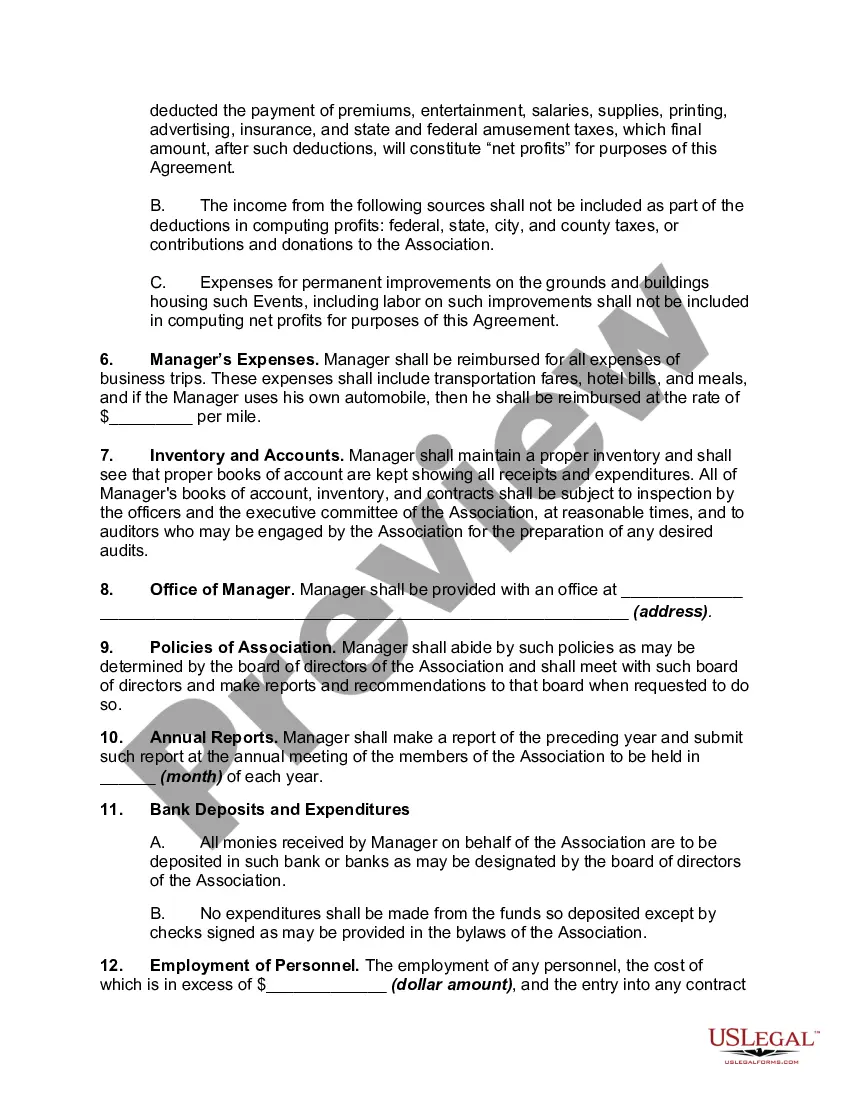
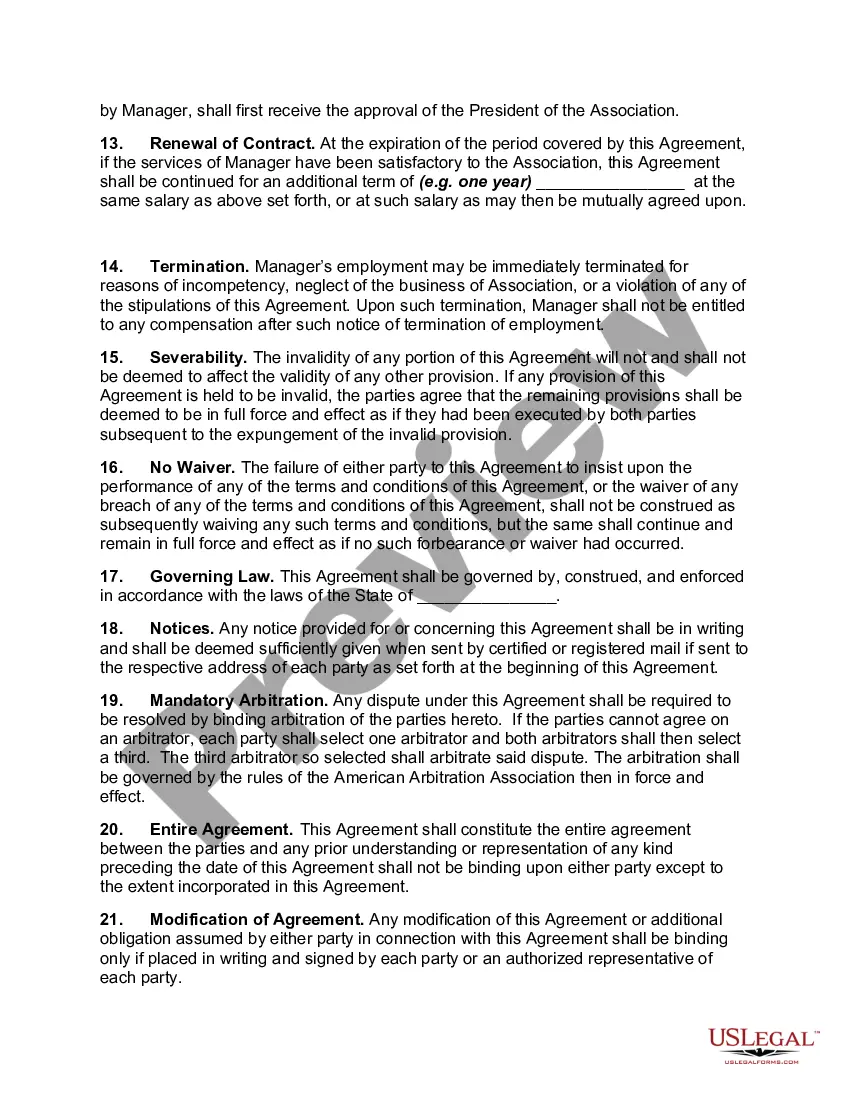
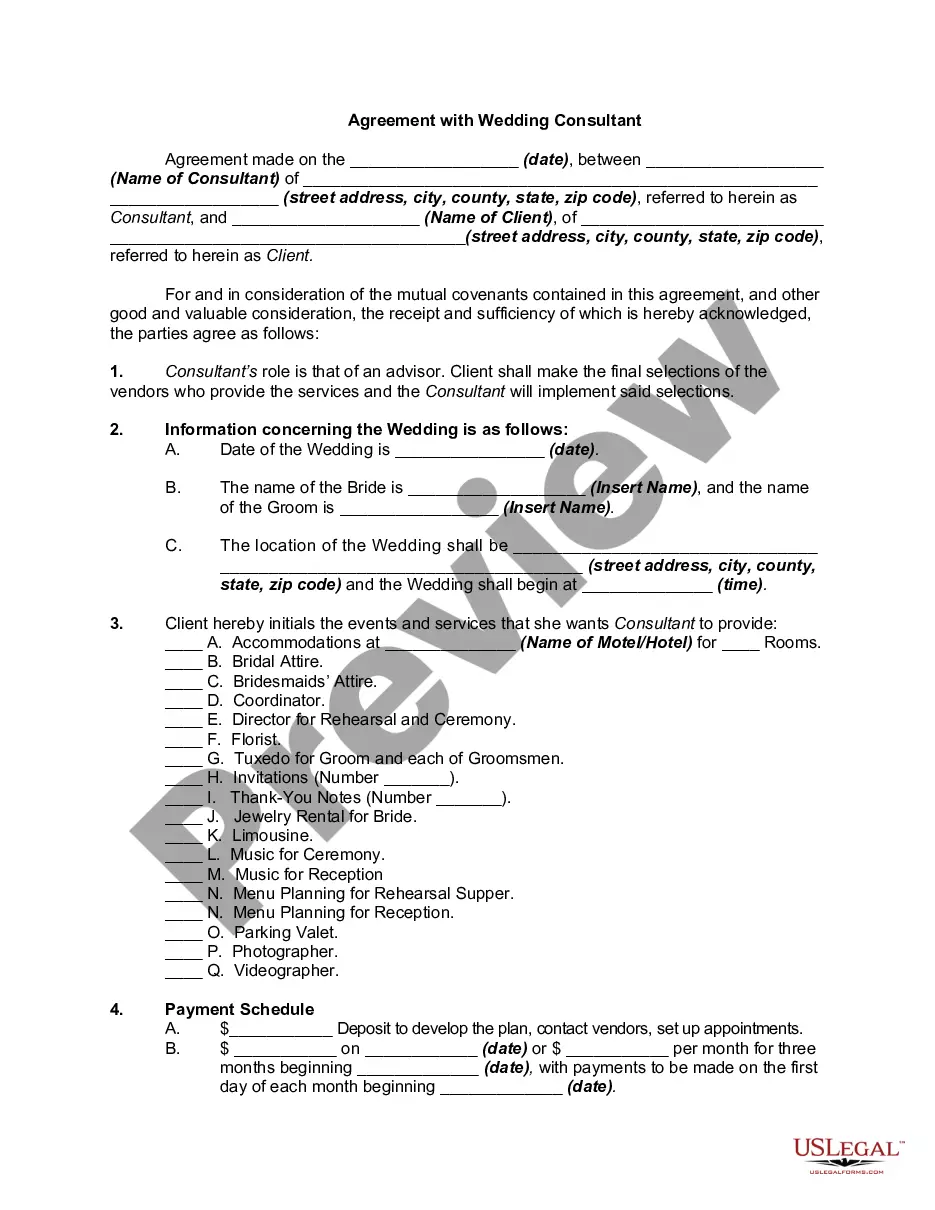
An event contract essentially includes the following: Details of the event, including venue, date, time, etc. Parties intention from the event. Services provided by the planner.
An event contract is a legally binding document that explicitly lays out the terms and conditions of agreement between an event planner and their client.
