Event Planning Agreement With Canada In Utah
Description

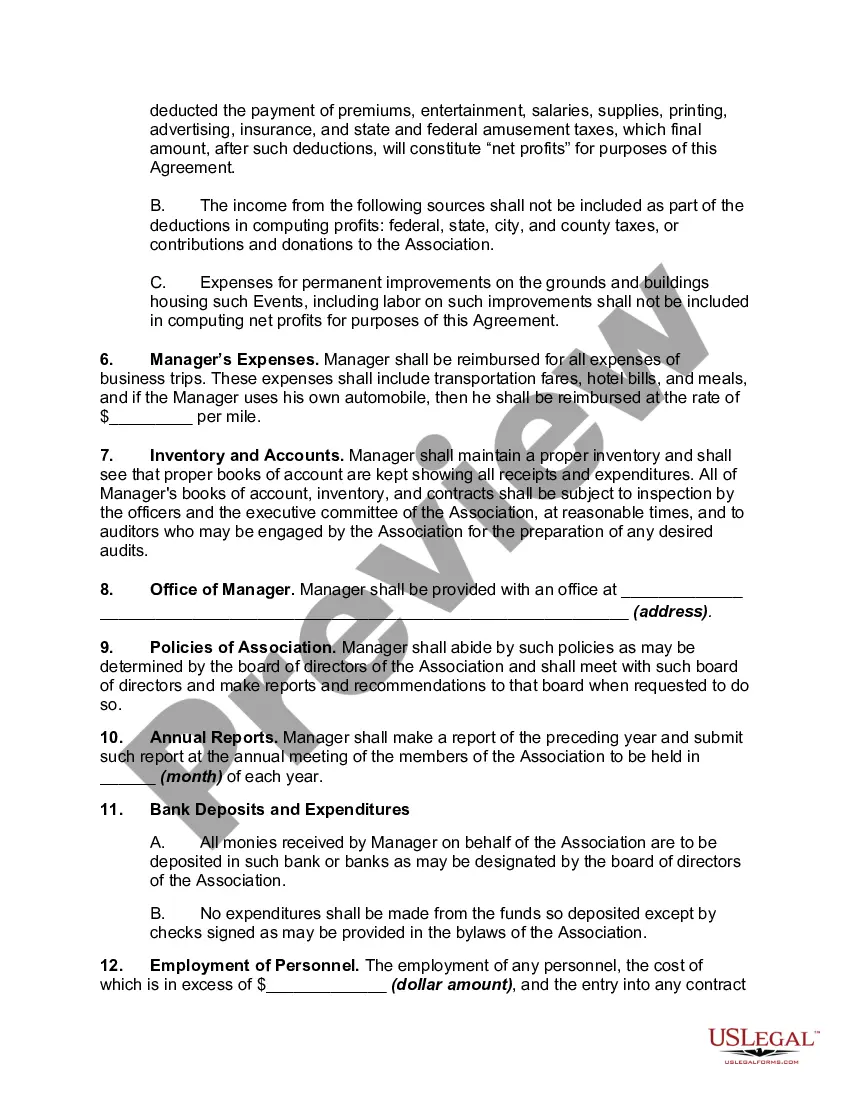
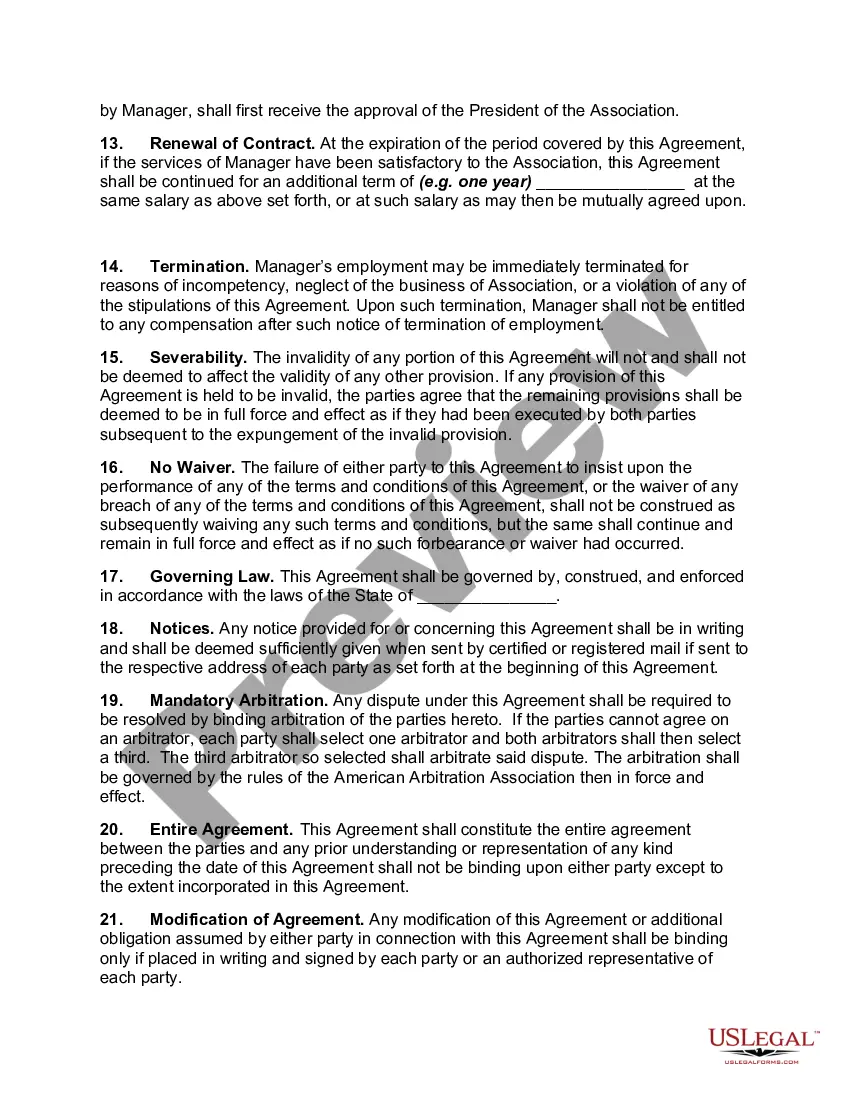
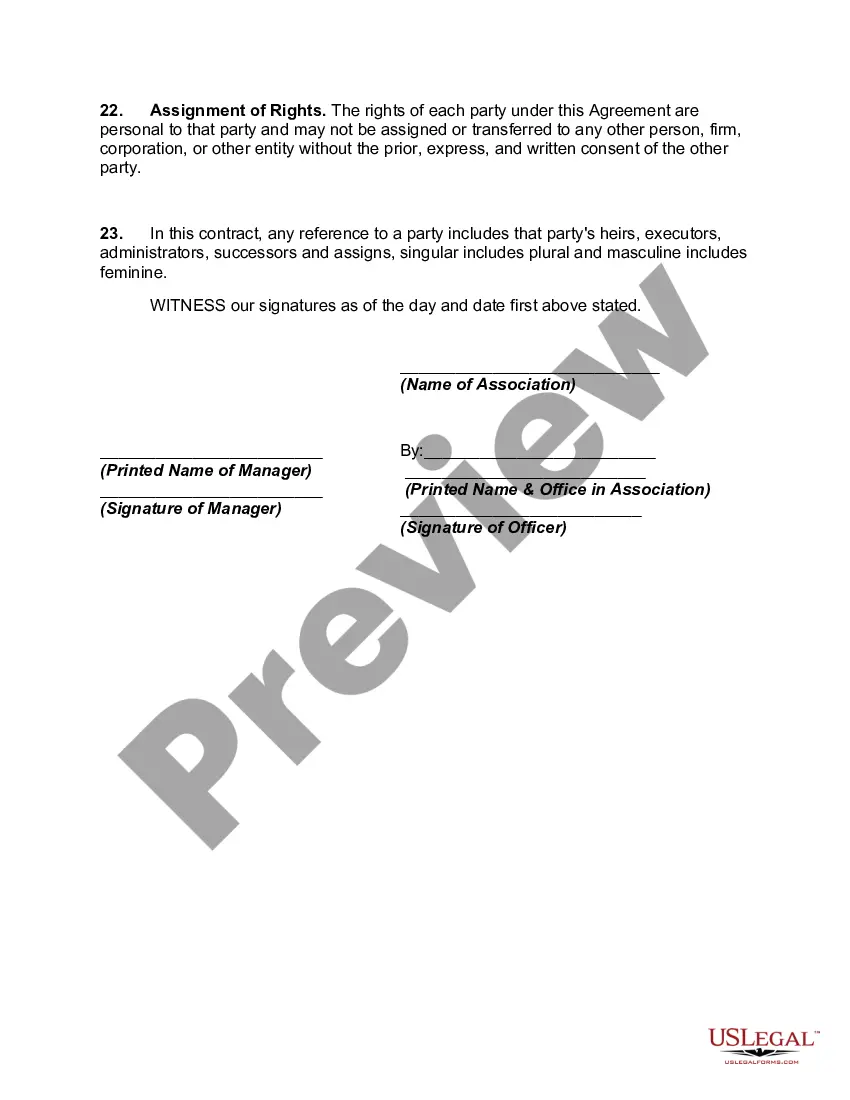
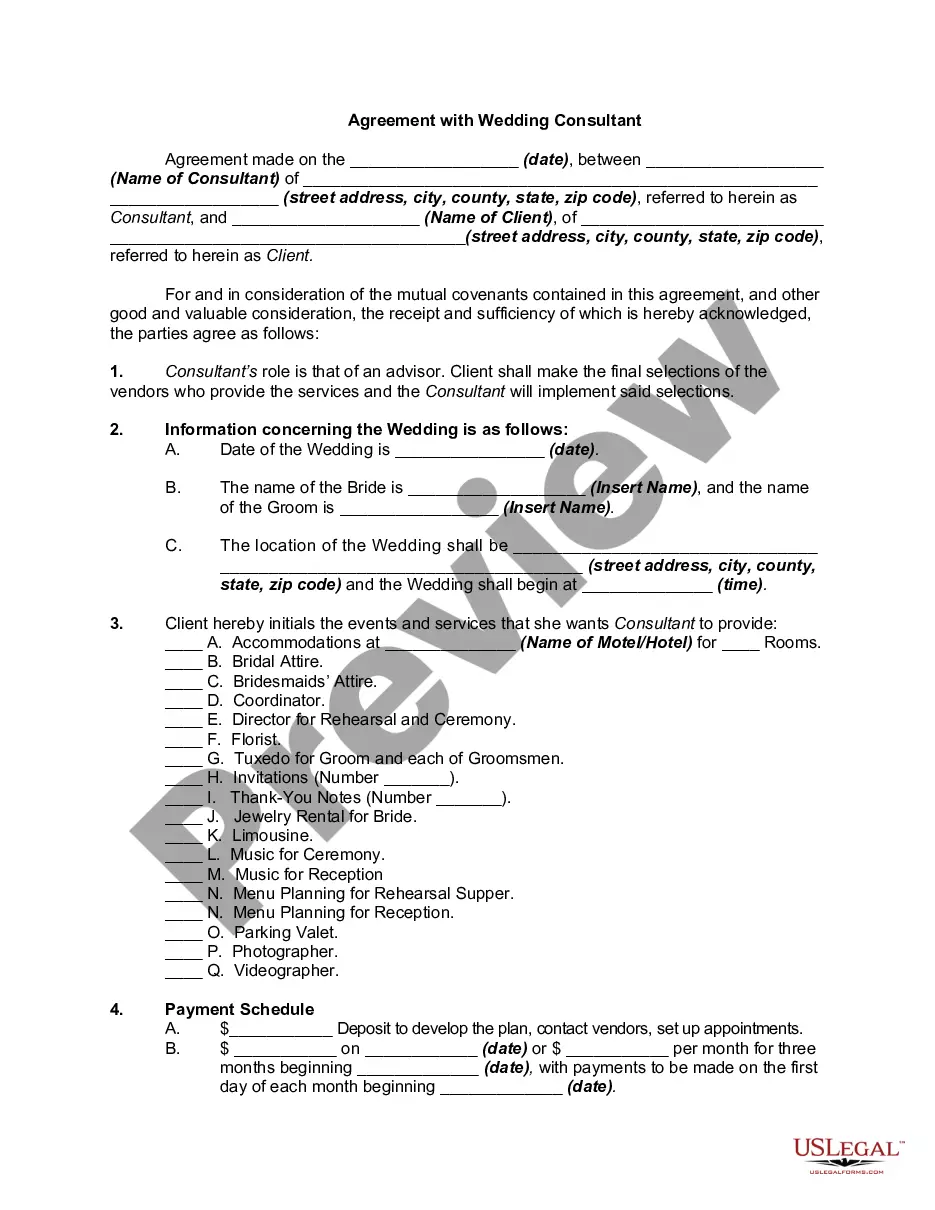
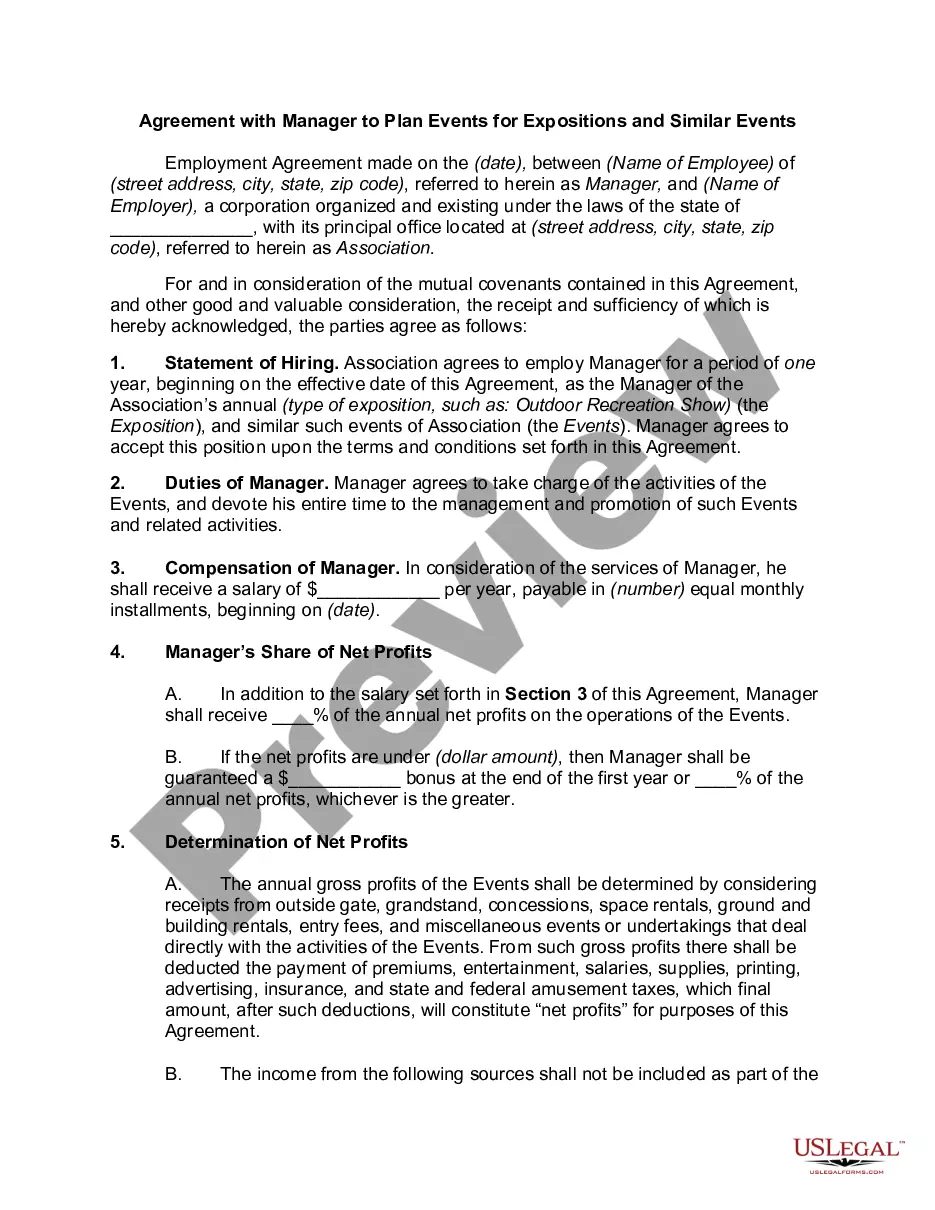
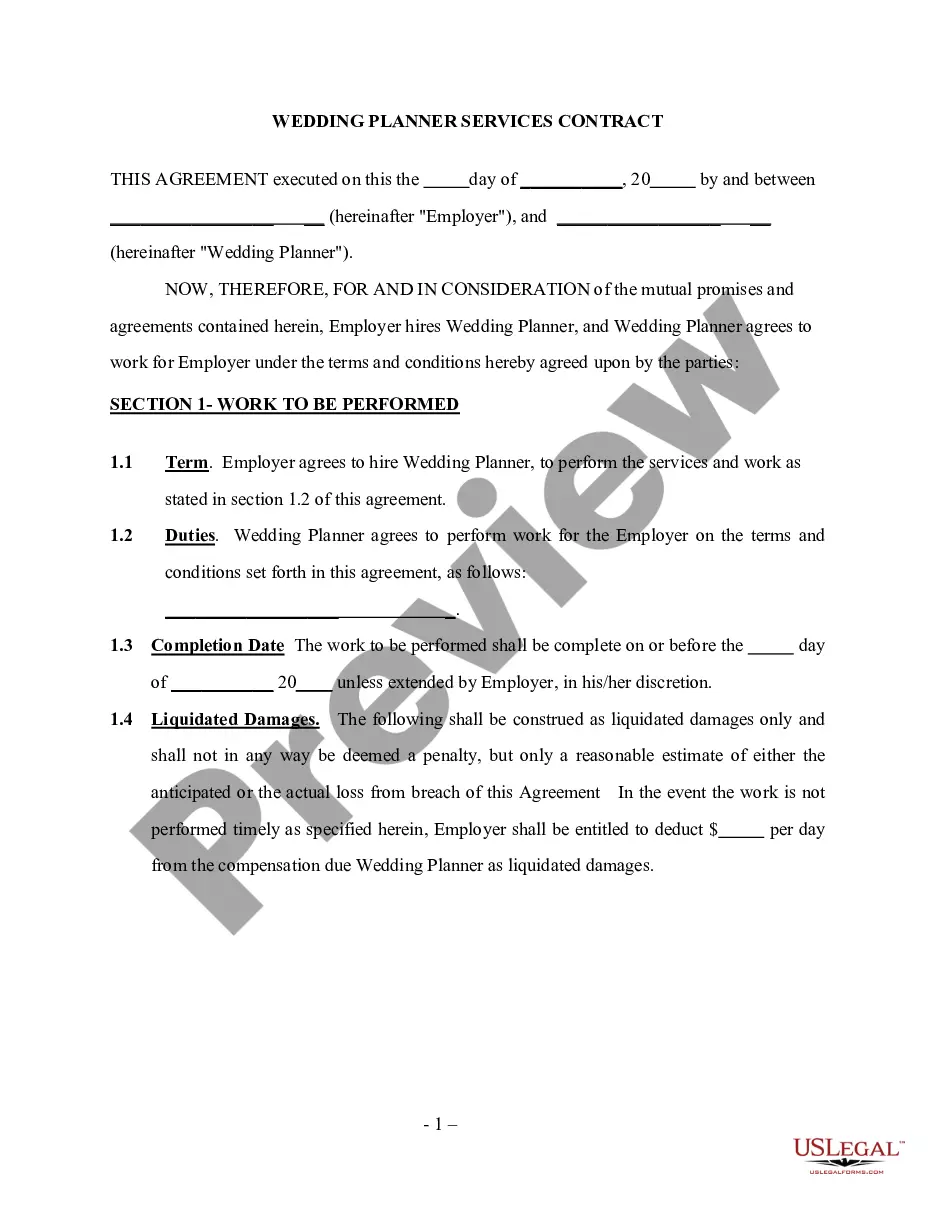
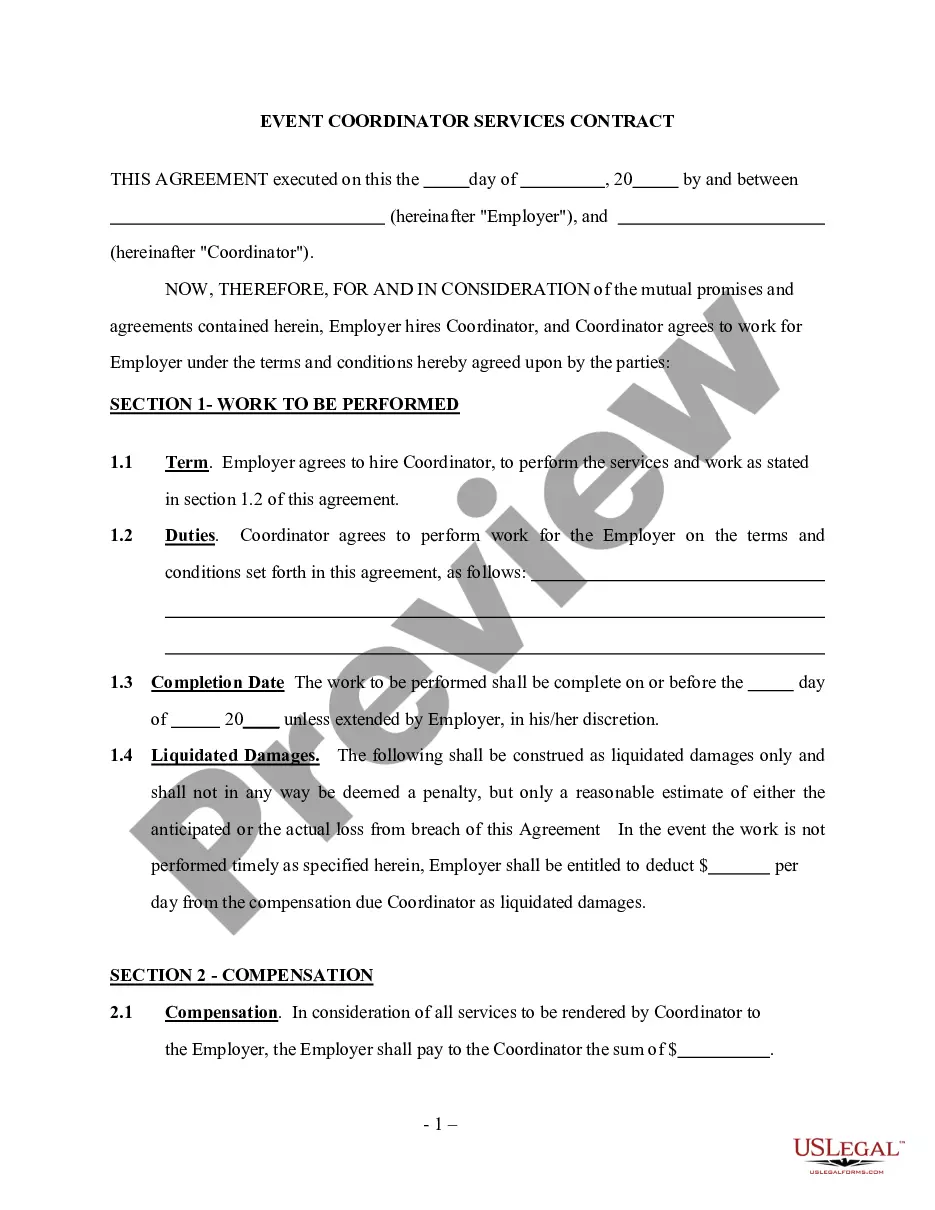
Get your form ready online
Our built-in tools help you complete, sign, share, and store your documents in one place.
Make edits, fill in missing information, and update formatting in US Legal Forms—just like you would in MS Word.
Download a copy, print it, send it by email, or mail it via USPS—whatever works best for your next step.
Sign and collect signatures with our SignNow integration. Send to multiple recipients, set reminders, and more. Go Premium to unlock E-Sign.
If this form requires notarization, complete it online through a secure video call—no need to meet a notary in person or wait for an appointment.
We protect your documents and personal data by following strict security and privacy standards.

Make edits, fill in missing information, and update formatting in US Legal Forms—just like you would in MS Word.

Download a copy, print it, send it by email, or mail it via USPS—whatever works best for your next step.

Sign and collect signatures with our SignNow integration. Send to multiple recipients, set reminders, and more. Go Premium to unlock E-Sign.

If this form requires notarization, complete it online through a secure video call—no need to meet a notary in person or wait for an appointment.

We protect your documents and personal data by following strict security and privacy standards.
Looking for another form?










Form popularity
FAQ
A university degree or college diploma in business, tourism or hospitality administration is usually required. Several years of experience in hospitality or tourism administration or in public relations are usually required and may substitute for formal education requirements.
7 Best Practices When Drafting Simple Agreements Start with a clear statement of purpose. Define key terms and definitions. Use clear and concise language. Include dispute resolution provisions. Consider the potential consequences of the breach. Include termination and renewal provisions. Use a standard contract template.
How to draft a contract between two parties: A step-by-step checklist Know your parties. Agree on the terms. Set clear boundaries. Spell out the consequences. Specify how you will resolve disputes. Cover confidentiality. Check the legality of the contract. Open it up to negotiation.
Write the contract in six steps Start with a contract template. Open with the basic information. Describe in detail what you have agreed to. Include a description of how the contract will be ended. Write into the contract which laws apply and how disputes will be resolved. Include space for signatures.
Include basic information, such as the date and names of the parties. Define the role of each party and refer to each by that role... Include information about the exchange of consideration, and write clearly as to which party delivers and what the other agrees in exchange.
How to draft a contract between two parties: A step-by-step checklist Know your parties. Agree on the terms. Set clear boundaries. Spell out the consequences. Specify how you will resolve disputes. Cover confidentiality. Check the legality of the contract. Open it up to negotiation.
Just like wills, there is generally no requirement that a contract be notarized in order to be legally binding. However, if a party who signed a business agreement decides to dispute that agreement in court, a notarized contract can help a great deal.
How to Get Clients as an Event Planner Carve out a niche for yourself in the event industry. Build up a solid portfolio of clients. Start your own website. Advertise on social media. Build up a local buzz. Network with nonprofits.
What Does an Event Checklist Include? Defining the goals and objectives. Establishing the event framework with date, time, duration, and venue. Creating a budget. Developing a marketing strategy. Securing key vendors and services. Obtaining permits and licenses. Planning logistics and operations.
