Event Plan Agreements With Other Countries In Pennsylvania
Description

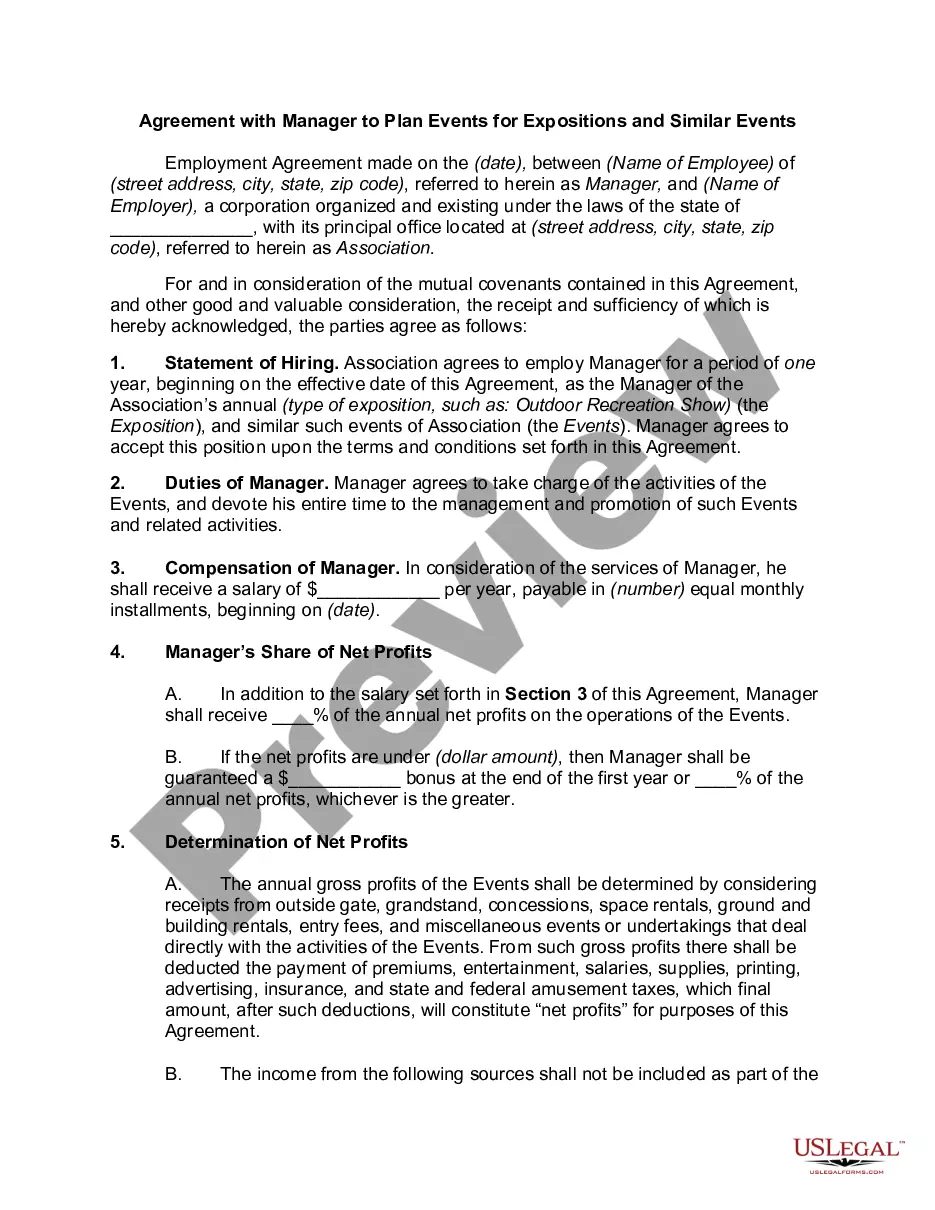
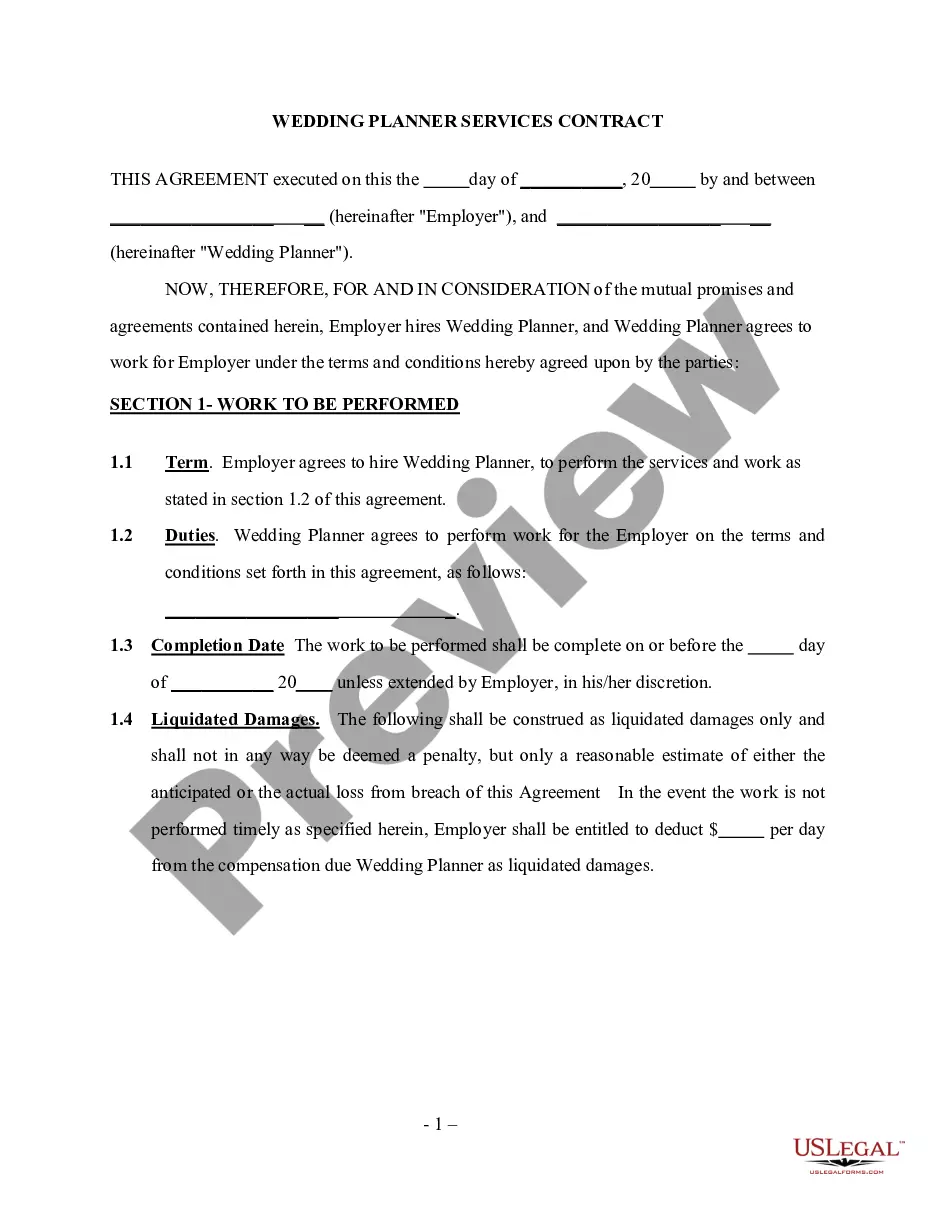
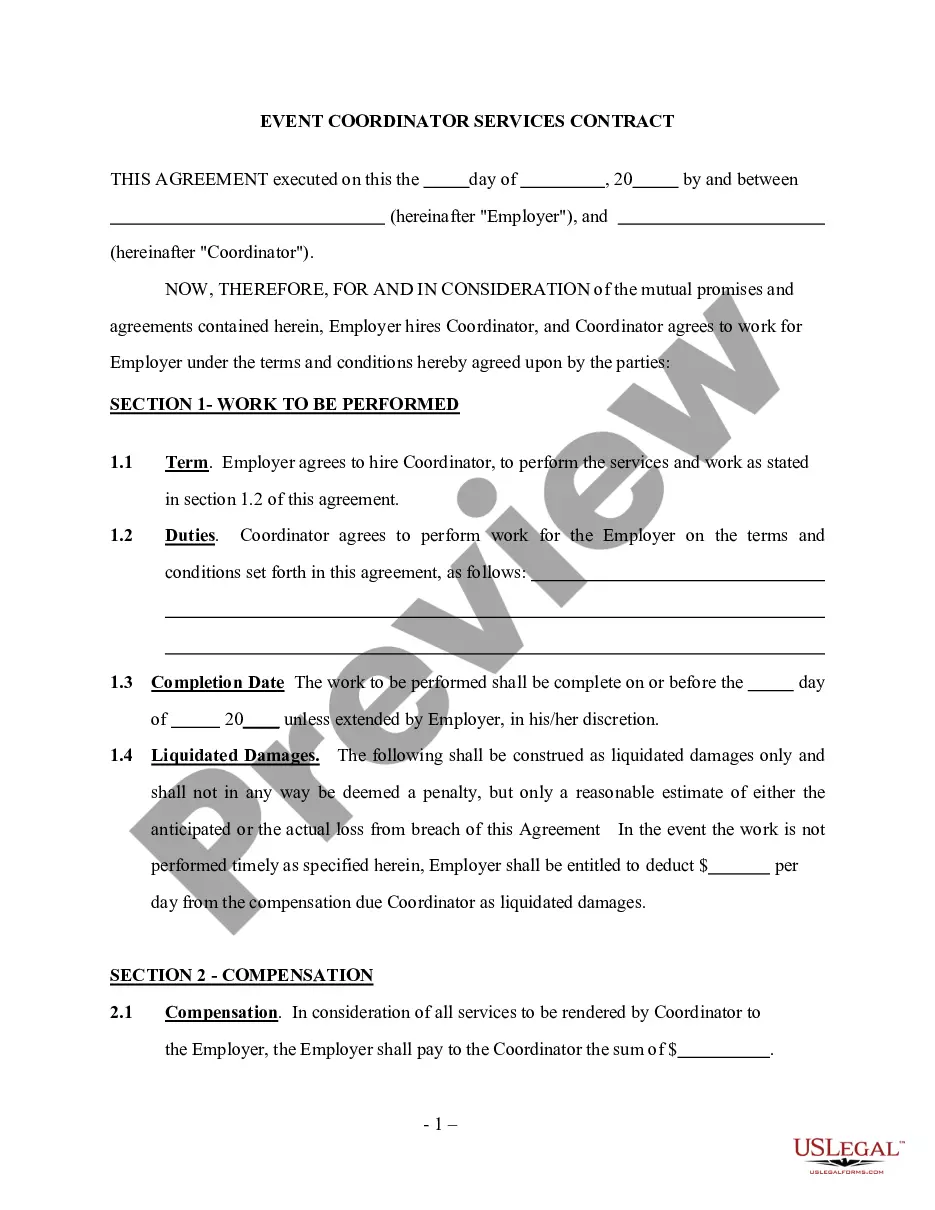
Get your form ready online
Our built-in tools help you complete, sign, share, and store your documents in one place.
Make edits, fill in missing information, and update formatting in US Legal Forms—just like you would in MS Word.
Download a copy, print it, send it by email, or mail it via USPS—whatever works best for your next step.
Sign and collect signatures with our SignNow integration. Send to multiple recipients, set reminders, and more. Go Premium to unlock E-Sign.
If this form requires notarization, complete it online through a secure video call—no need to meet a notary in person or wait for an appointment.
We protect your documents and personal data by following strict security and privacy standards.

Make edits, fill in missing information, and update formatting in US Legal Forms—just like you would in MS Word.

Download a copy, print it, send it by email, or mail it via USPS—whatever works best for your next step.

Sign and collect signatures with our SignNow integration. Send to multiple recipients, set reminders, and more. Go Premium to unlock E-Sign.

If this form requires notarization, complete it online through a secure video call—no need to meet a notary in person or wait for an appointment.

We protect your documents and personal data by following strict security and privacy standards.
Looking for another form?






Form popularity
FAQ
Penn proposed that the land be called New Wales, but there were objections to that name, so he recommended Sylvania (from the Latin silva: "forest, woods"). The King named it Pennsylvania (literally "Penn's Woods") in honor of Admiral Penn.
In 1681, William Penn, a Quaker, established a colony based on religious tolerance; it was settled by many Quakers along with its Philadelphia, its largest city, which was also the first planned city. In the mid-1700s, the colony attracted many German and Scots-Irish immigrants.
Pennsylvania has retained strong elements of folk culture among its diverse ethnic groups. The Plain People—the Amish, the Mennonites, and other small sects—have kept their traditional ways of life based in the teachings of the Bible.
Foreign filing associations are limited partnerships, limited liability companies, for-profit corporations, nonprofit corporations, professional associations, and business or statutory trusts that were not created or formed in Pennsylvania but which have filed paperwork to do business in the state.
(1) A restricted professional company may lawfully render restricted professional services only through licensed persons. The company may employ persons not so licensed but those persons shall not render any restricted professional services rendered or to be rendered by it.
Pennsylvania LLC Name Requirement It must be distinguishable from the name of any domestic or foreign LLC registered in the state. Use of words such as (but not limited to) "Bank," "Bond," "Endowment," "Insurance," "Survey," "Title" and "Trust" require approval by the appropriate state department or agency.
Generally, professional services are not taxable in Pennsylvania.
Pennsylvania Sales Tax License If you sell products to consumers in Pennsylvania, you may need to collect sales tax and file a Sales and Use Tax Return. If your business activities are subject to sales and use tax, your LLC must register with the Department of Revenue.
Restricted professional services are defined as the following professional services: chiropractic, dentistry, law, medicine and surgery, optometry, osteopathic medicine and surgery, podiatric medicine, public accounting, psychology or veterinary medicine.
