Event Planner Agreement With India In Michigan
Description

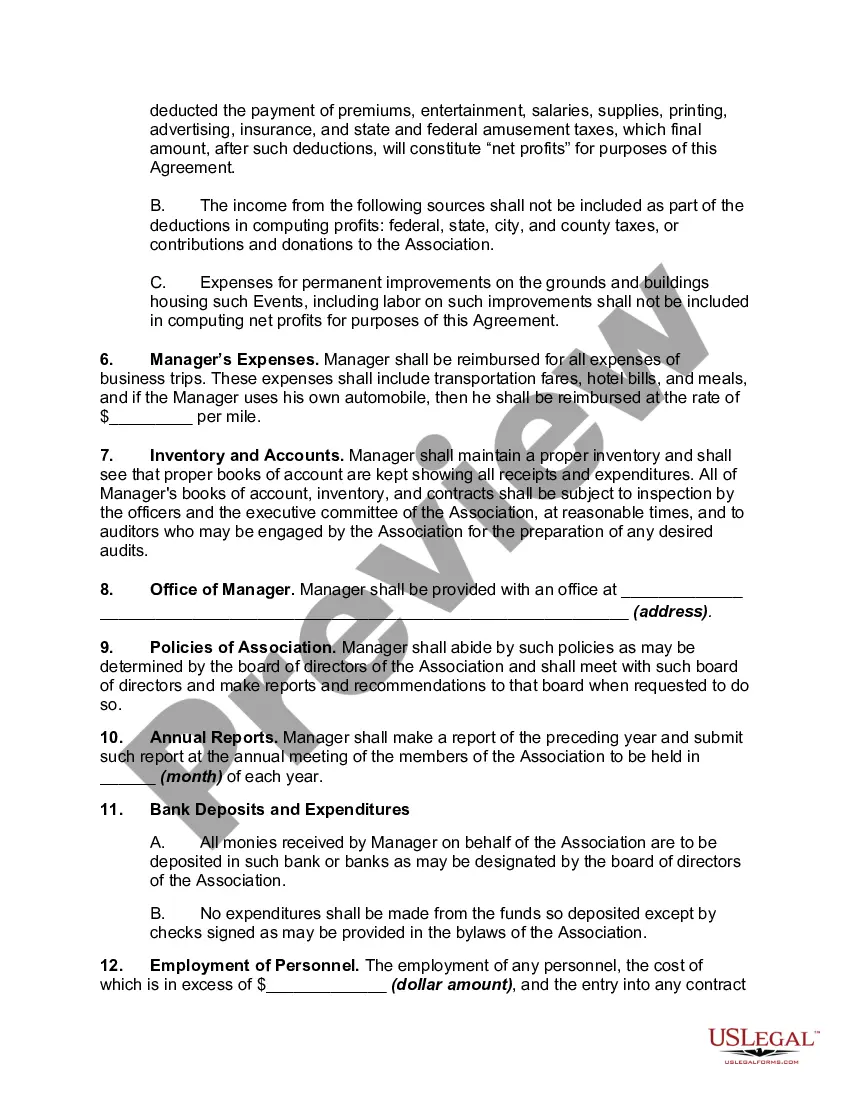
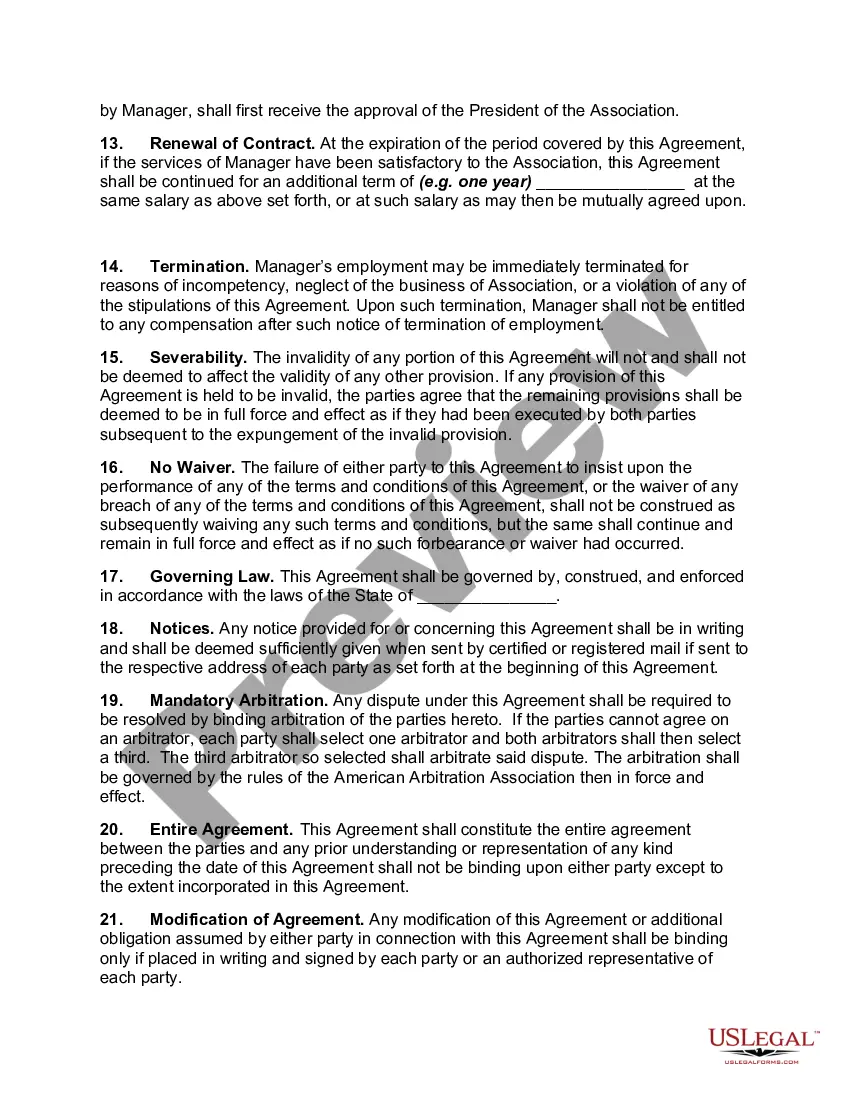
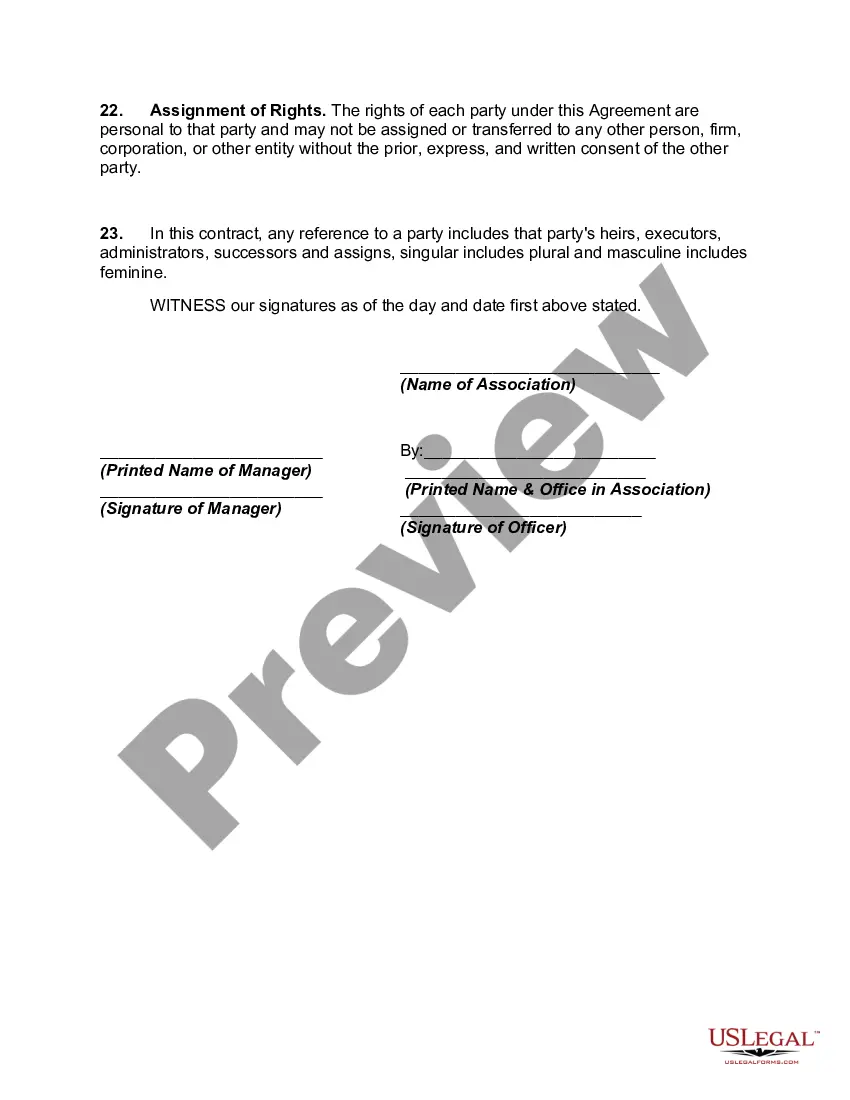
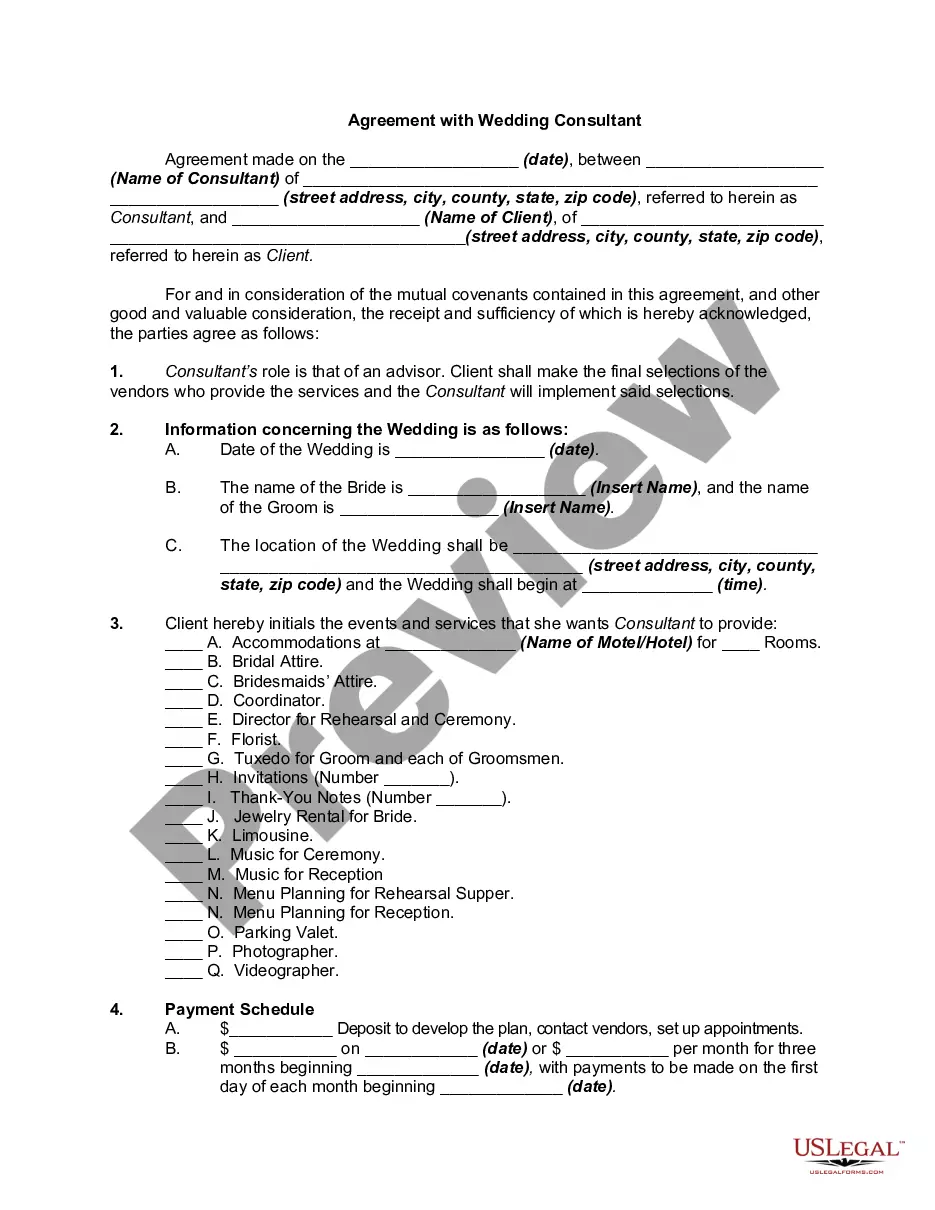
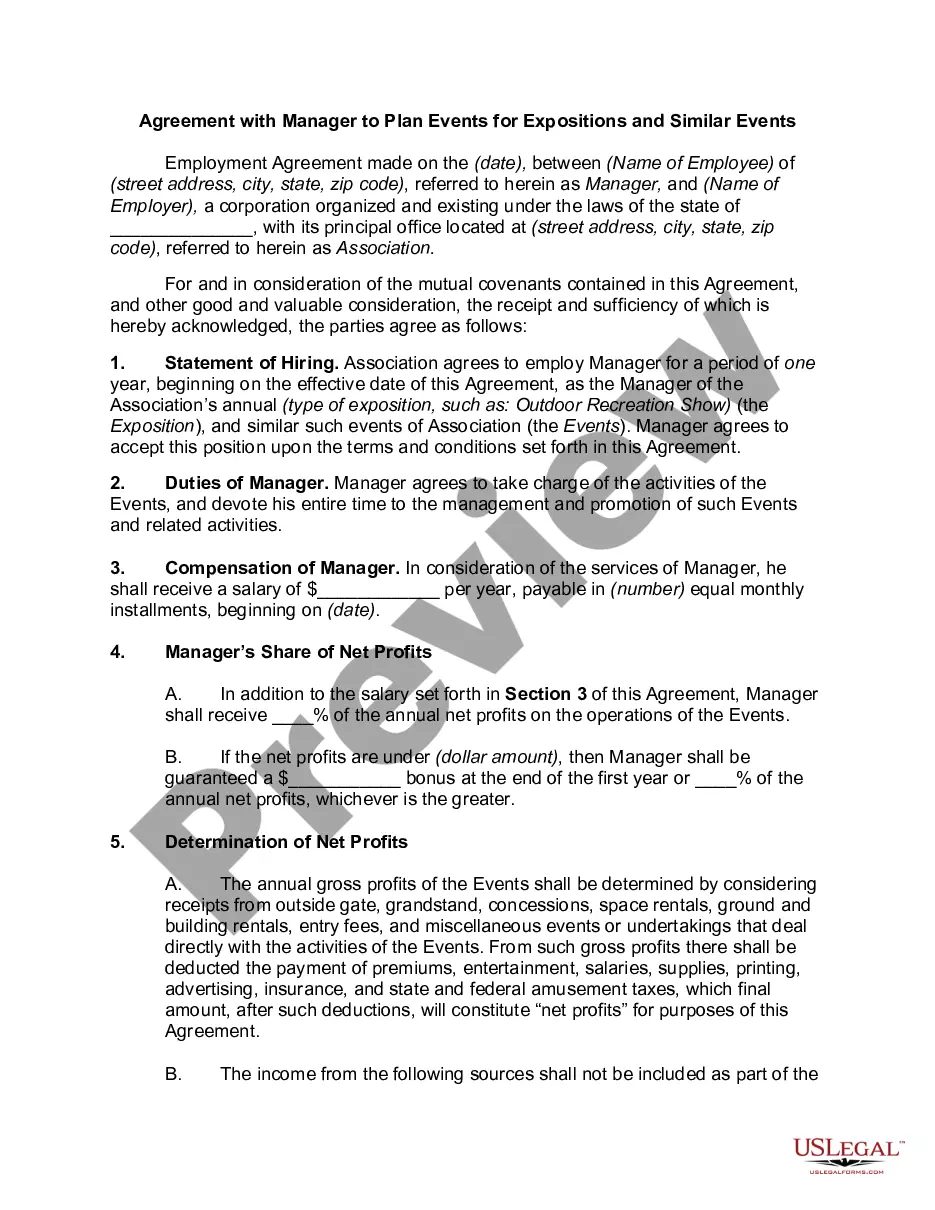
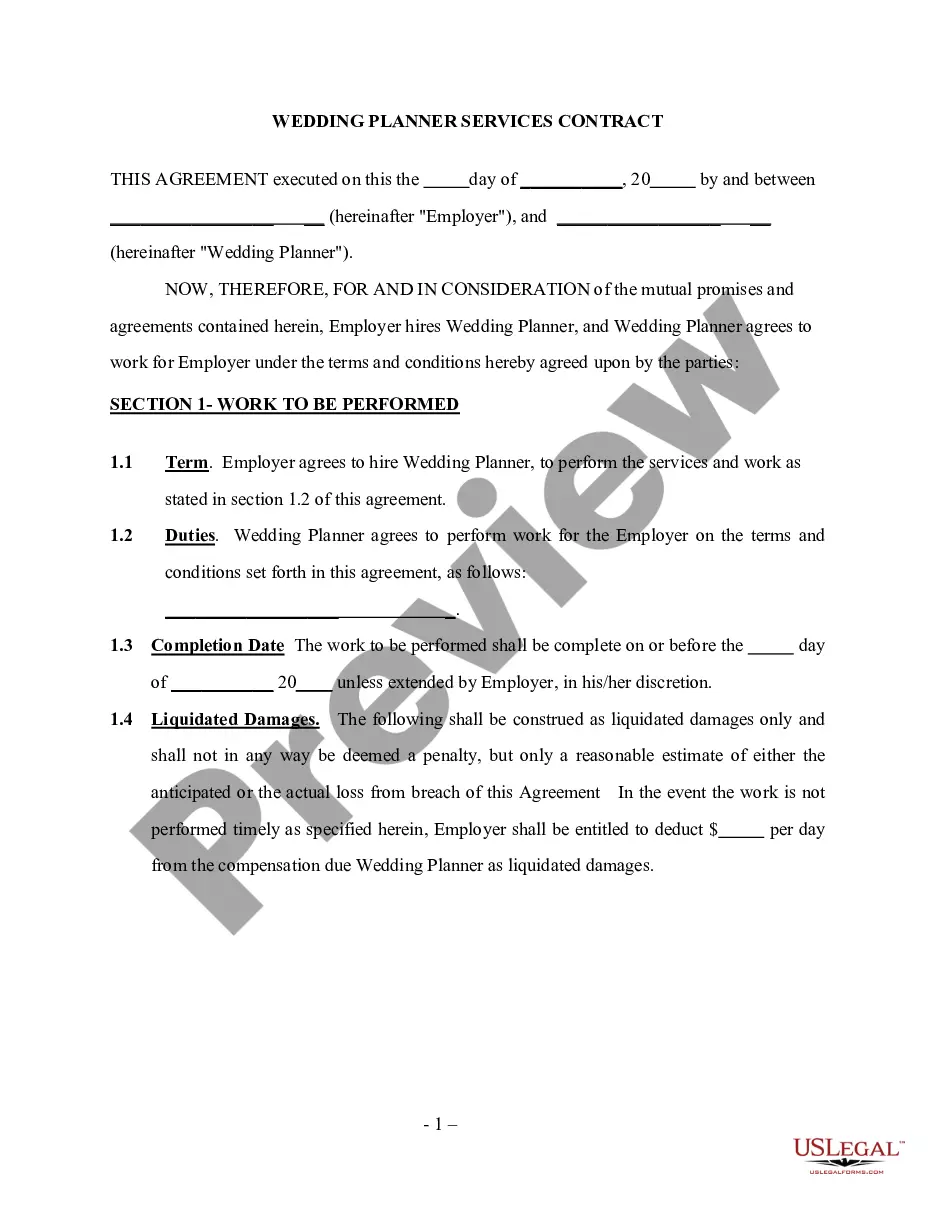
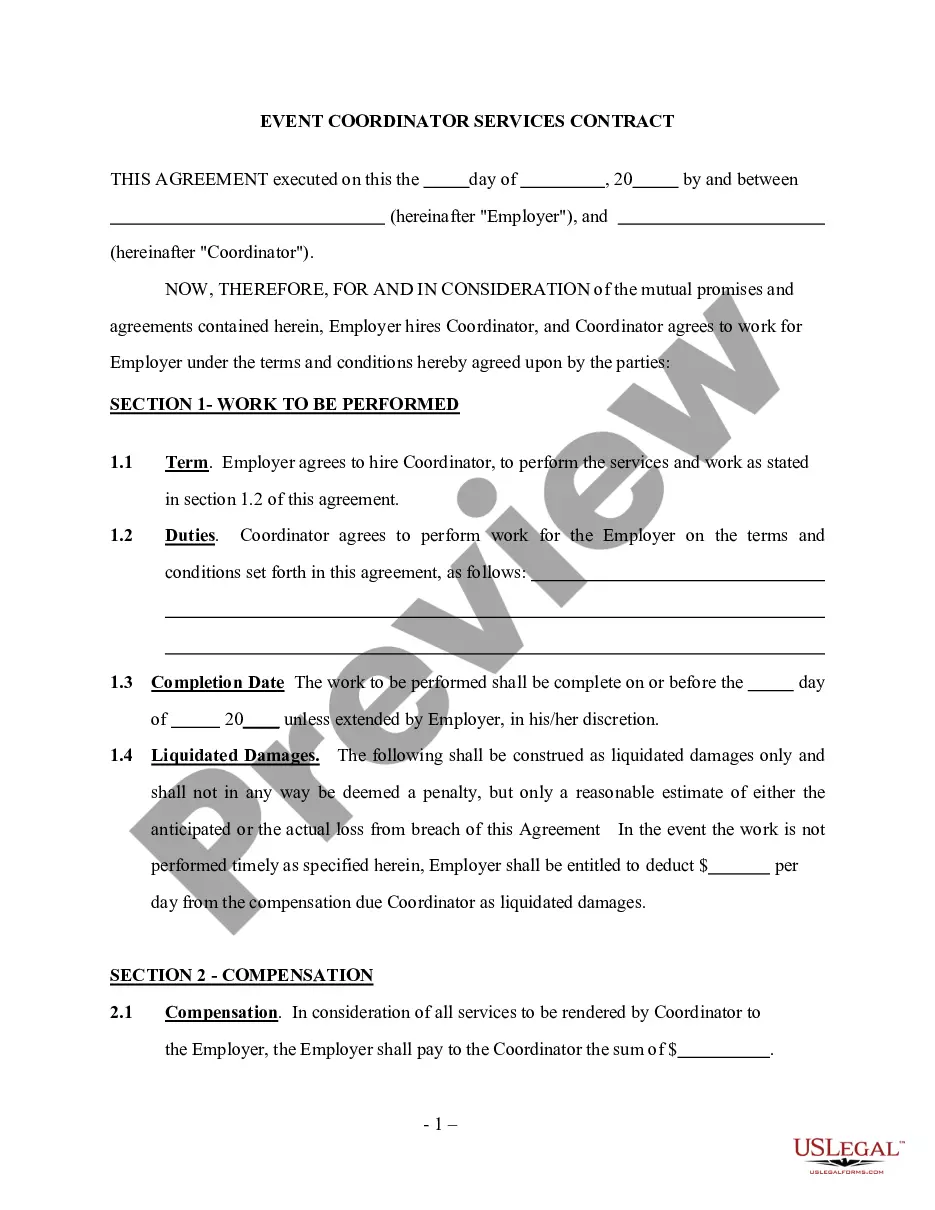
Get your form ready online
Our built-in tools help you complete, sign, share, and store your documents in one place.
Make edits, fill in missing information, and update formatting in US Legal Forms—just like you would in MS Word.
Download a copy, print it, send it by email, or mail it via USPS—whatever works best for your next step.
Sign and collect signatures with our SignNow integration. Send to multiple recipients, set reminders, and more. Go Premium to unlock E-Sign.
If this form requires notarization, complete it online through a secure video call—no need to meet a notary in person or wait for an appointment.
We protect your documents and personal data by following strict security and privacy standards.

Make edits, fill in missing information, and update formatting in US Legal Forms—just like you would in MS Word.

Download a copy, print it, send it by email, or mail it via USPS—whatever works best for your next step.

Sign and collect signatures with our SignNow integration. Send to multiple recipients, set reminders, and more. Go Premium to unlock E-Sign.

If this form requires notarization, complete it online through a secure video call—no need to meet a notary in person or wait for an appointment.

We protect your documents and personal data by following strict security and privacy standards.
Looking for another form?


Form popularity
FAQ
10 steps to becoming an event planner Research the event planning industry. Pick a specialization. Learn the tricks of the trade. Level up your skills. Gain work experience. Master event technology. Create a portfolio. Start networking.
You can search for such institutes in your area, and these can be pursued alongside a Bachelors degree in a subject of her choice! For internships you can use Internshala and Indeed or search for the top event management companies in your area, visit their websites, look for openings, contact them!
You can search for such institutes in your area, and these can be pursued alongside a Bachelors degree in a subject of her choice! For internships you can use Internshala and Indeed or search for the top event management companies in your area, visit their websites, look for openings, contact them!
Event planning is a thriving industry, with demand surging across various sectors like corporate events, weddings, fundraisers, and public relations endeavors. It's a field that offers diverse career pathways, catering to different passions and skill sets.
Bachelor's degree in business, marketing, communications or a related field. Event planning certifications (not required, but helpful to have). One to two years of relevant professional experience.
Meeting, convention, and event planners typically need a bachelor's degree. Although some colleges offer programs in meeting and event management, other common fields of degree include business, communications, and social science.
An event contract clearly outlines the terms, expectations, and responsibilities of both the event planner and the client. It helps minimize disputes, ensures financial transparency, and provides a framework for successful event planning.
