Event Planning Agreement Contract With America In Miami-Dade
Description

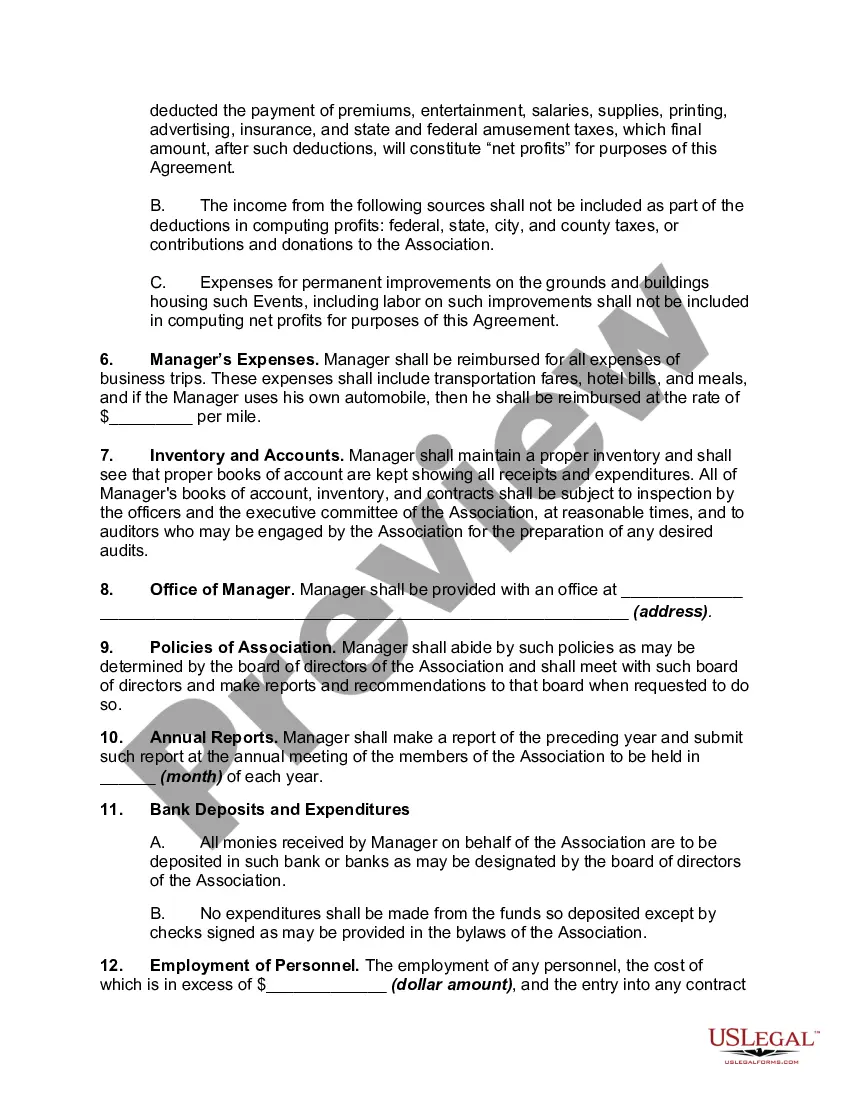
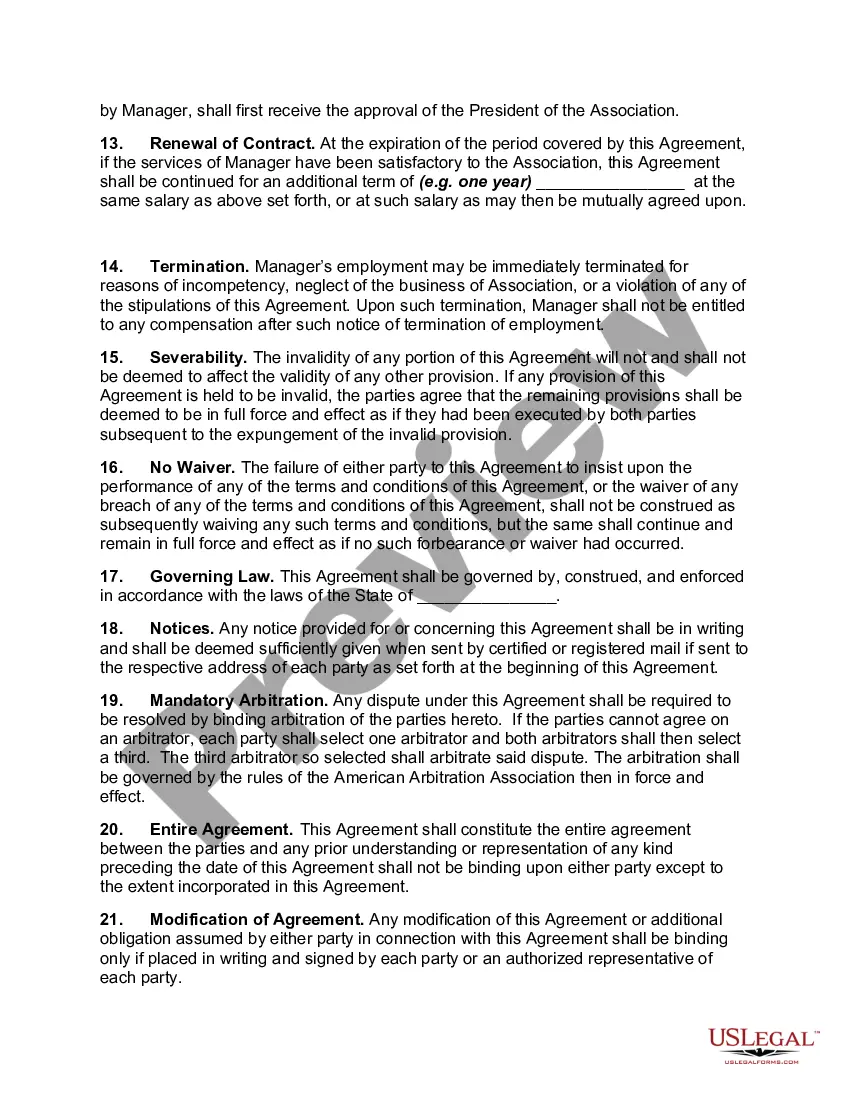
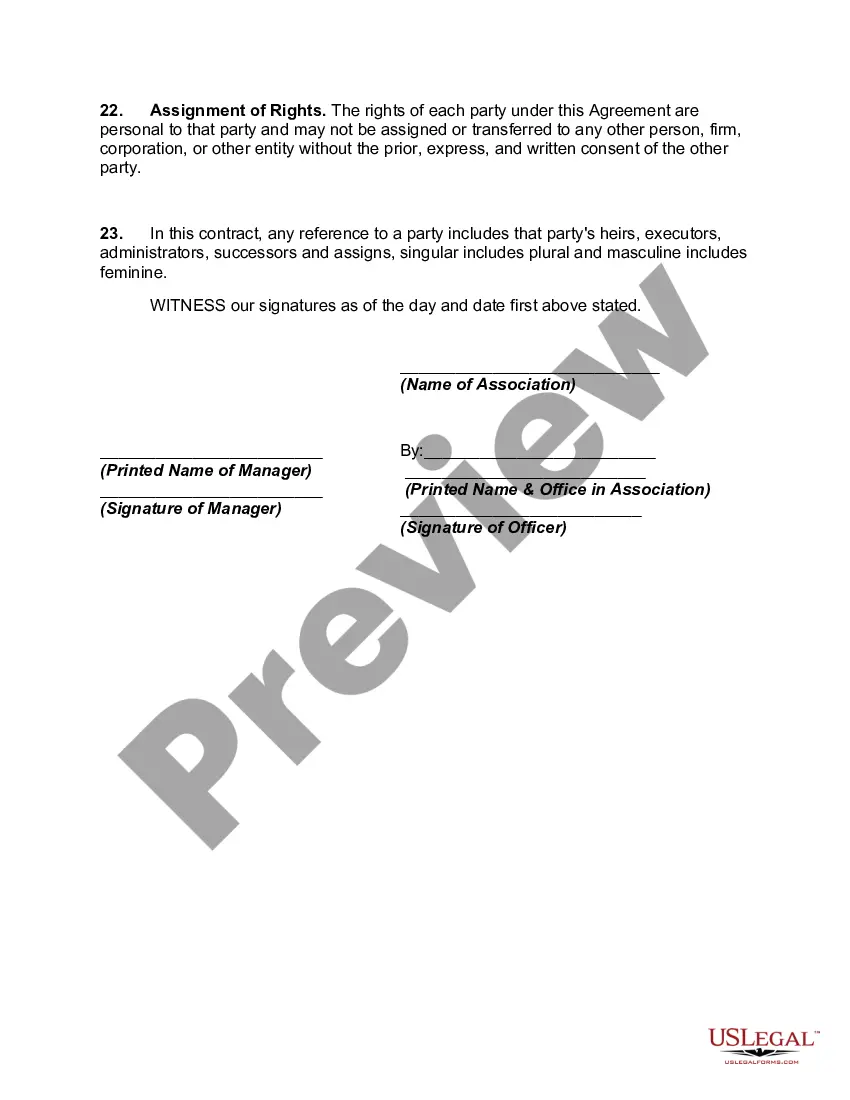
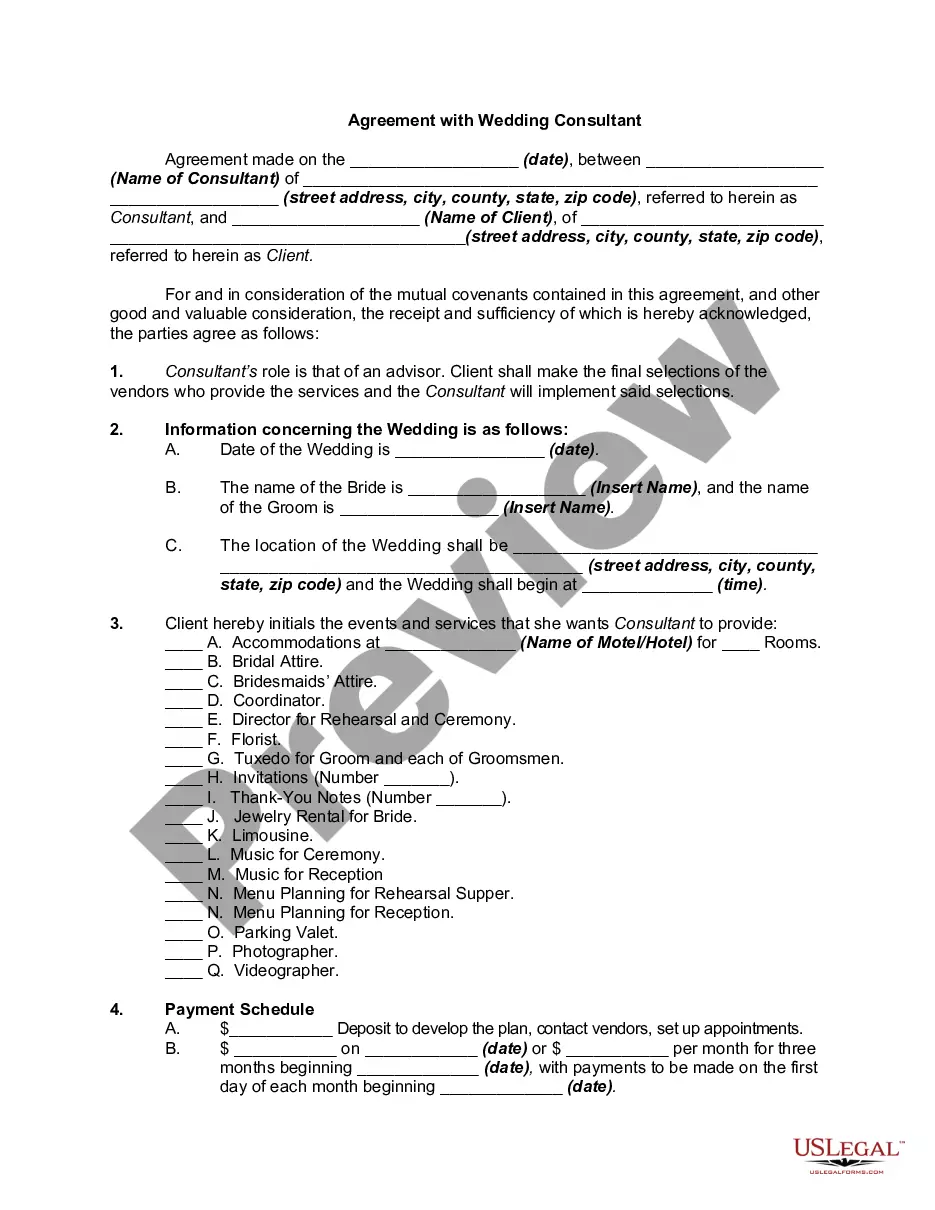
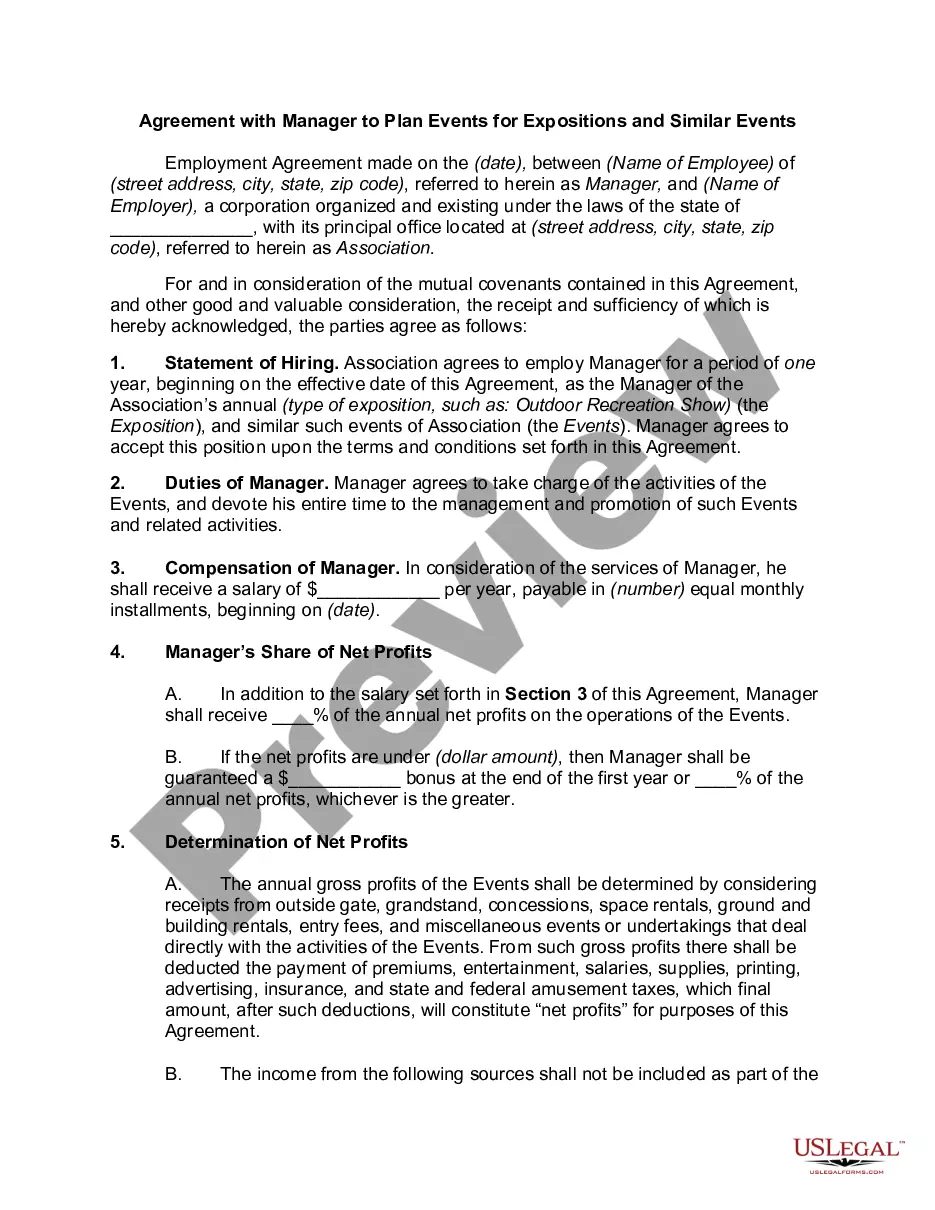
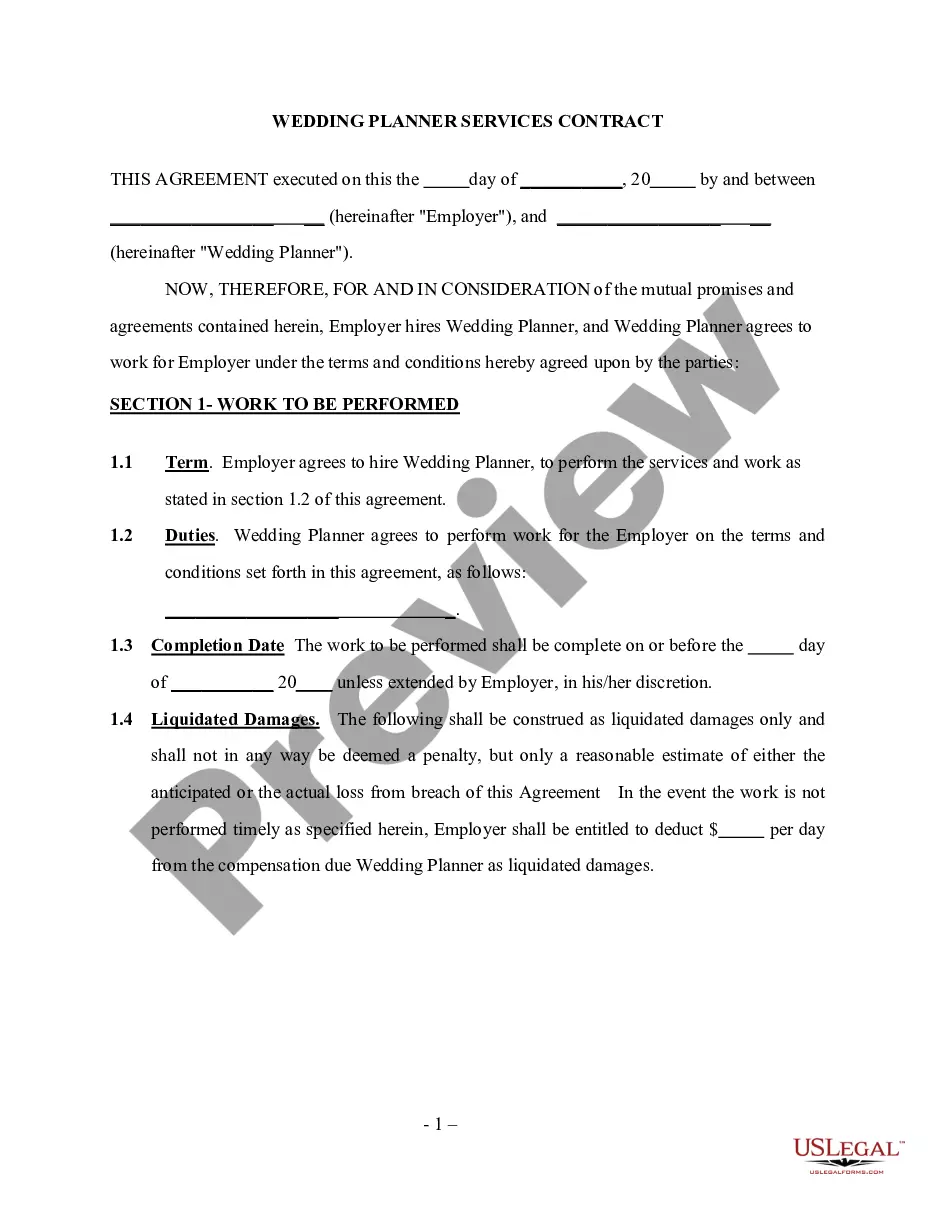
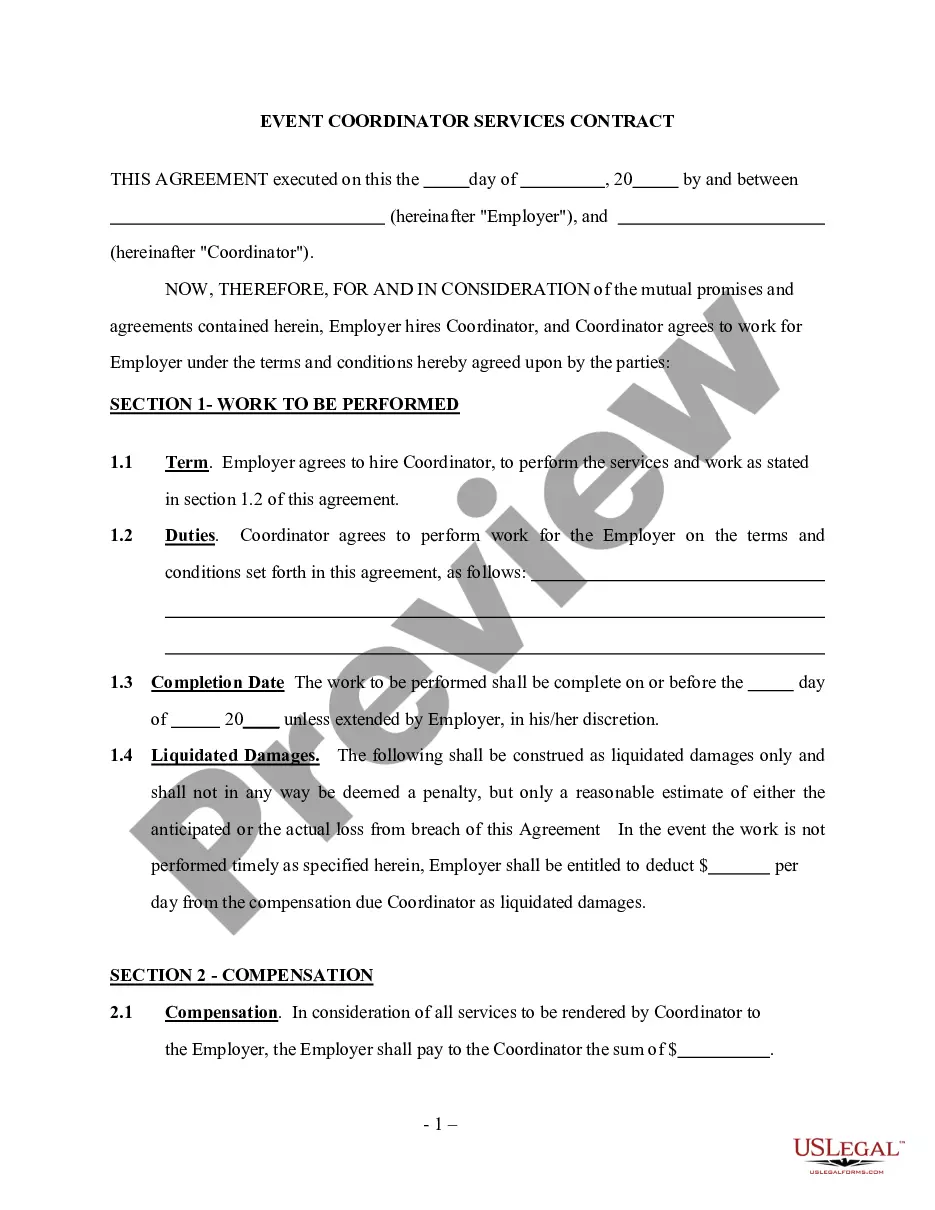
Get your form ready online
Our built-in tools help you complete, sign, share, and store your documents in one place.
Make edits, fill in missing information, and update formatting in US Legal Forms—just like you would in MS Word.
Download a copy, print it, send it by email, or mail it via USPS—whatever works best for your next step.
Sign and collect signatures with our SignNow integration. Send to multiple recipients, set reminders, and more. Go Premium to unlock E-Sign.
If this form requires notarization, complete it online through a secure video call—no need to meet a notary in person or wait for an appointment.
We protect your documents and personal data by following strict security and privacy standards.

Make edits, fill in missing information, and update formatting in US Legal Forms—just like you would in MS Word.

Download a copy, print it, send it by email, or mail it via USPS—whatever works best for your next step.

Sign and collect signatures with our SignNow integration. Send to multiple recipients, set reminders, and more. Go Premium to unlock E-Sign.

If this form requires notarization, complete it online through a secure video call—no need to meet a notary in person or wait for an appointment.

We protect your documents and personal data by following strict security and privacy standards.
Looking for another form?










Form popularity
FAQ
An event contract is a legally binding document that explicitly lays out the terms and conditions of agreement between an event planner and their client.
As we've mentioned, events can come in a variety of different forms and sizes, although they do still fit in to three distinct overall types. Those three types of events in event management can be defined as corporate, private and charity.
Whether you're planning a wedding reception, birthday party, baby shower or corporate product launch, event design co-ordinates branding, colour, invitations, centerpieces, etc to a given theme. Event planning provides the logistical framework, while event design brings a creative vision to life.
A simple contract might include an agreement between two acquaintances to exchange one service for another. For example, if one person is a plumber and the other an electrician, they might agree to complete certain work for each other as a trade exchange.
Thus, four well-known real contracts arose: 1) mutuum, 2) commodatum, 3) depositum and 4) pignus. In some of the mentioned cases, through the delivery of the item, the debtor's property was constituted on the object of the obligation, while in others only the retention or detention.
How to draft a contract between two parties: A step-by-step checklist Know your parties. Agree on the terms. Set clear boundaries. Spell out the consequences. Specify how you will resolve disputes. Cover confidentiality. Check the legality of the contract. Open it up to negotiation.
