Example Of An Event Contract In Fulton
Description

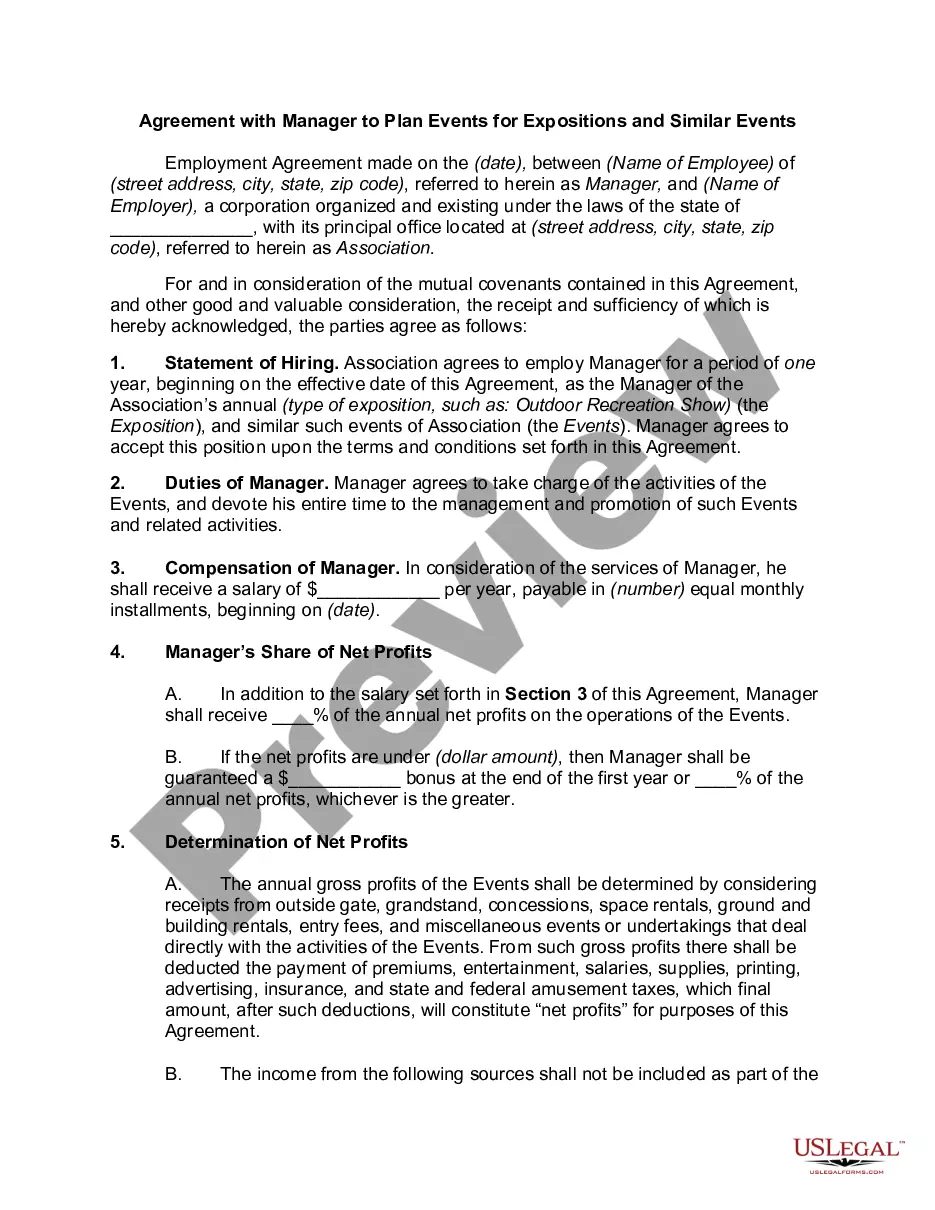
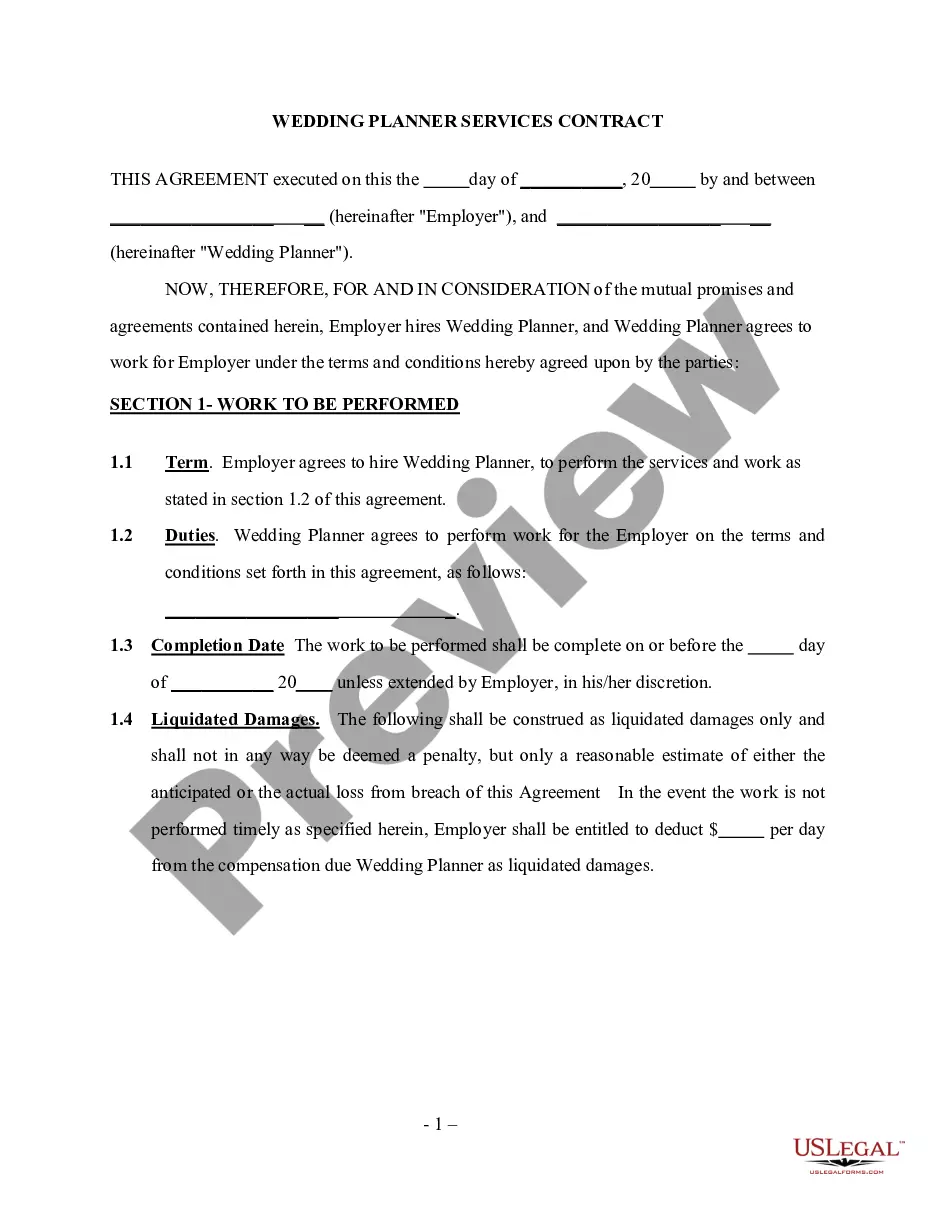
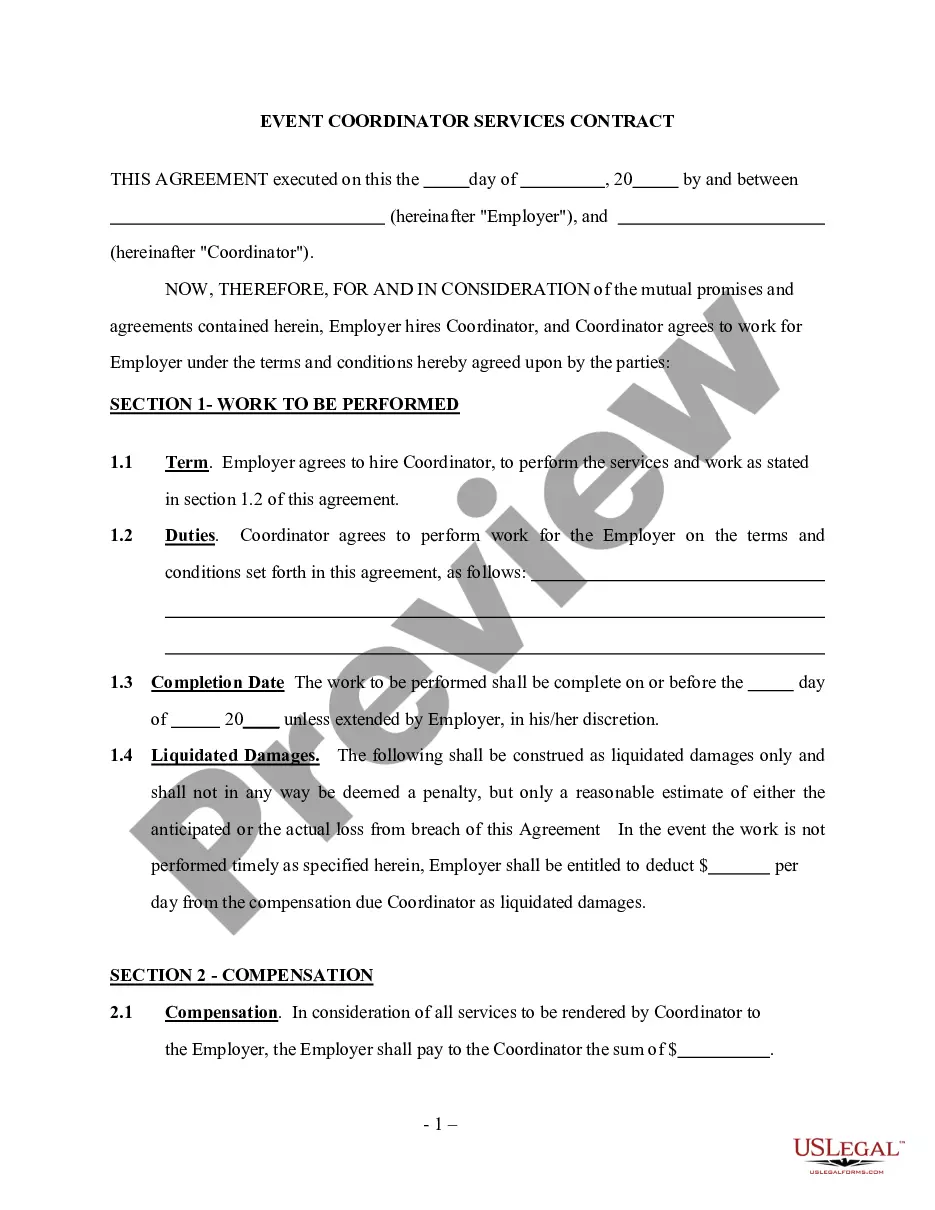
Get your form ready online
Our built-in tools help you complete, sign, share, and store your documents in one place.
Make edits, fill in missing information, and update formatting in US Legal Forms—just like you would in MS Word.
Download a copy, print it, send it by email, or mail it via USPS—whatever works best for your next step.
Sign and collect signatures with our SignNow integration. Send to multiple recipients, set reminders, and more. Go Premium to unlock E-Sign.
If this form requires notarization, complete it online through a secure video call—no need to meet a notary in person or wait for an appointment.
We protect your documents and personal data by following strict security and privacy standards.

Make edits, fill in missing information, and update formatting in US Legal Forms—just like you would in MS Word.

Download a copy, print it, send it by email, or mail it via USPS—whatever works best for your next step.

Sign and collect signatures with our SignNow integration. Send to multiple recipients, set reminders, and more. Go Premium to unlock E-Sign.

If this form requires notarization, complete it online through a secure video call—no need to meet a notary in person or wait for an appointment.

We protect your documents and personal data by following strict security and privacy standards.
Looking for another form?








Form popularity
FAQ
Market unpredictability: Unexpected outcomes occur frequently, meaning event contracts carry unpredictable market risk. Liquidity concerns: Since some event contract markets remain relatively new and untested, they pose some liquidity risks when few active parties are interested in a contract.
Here is a list of items you should always include in your event contract: The date of the event. A start time and an ending time for the event. The venue for the event. The number of people expected to attend the event. A detailed description of the services you will provide before, during, and after the event.
USASpending tracks government spending through contracts awarded. This searchable database contains information for each federal contract. You can use this information to help identify procurement trends within the government and potential opportunities.
An individual can see the transaction record for a smart contract that occurred on the blockchain by looking at a block explorer. In the figures below, we discuss the information available for smart contracts on the Ethereum Blockchain as shown on numerous websites such as .etherscan.io.
To best store and maintain contracts, follow these steps: Digitalization: Scan and save contracts as searchable PDFs or use contract management software to create a centralized repository. Organize: Categorize contracts by type, party,or expiration date for easy retrieval.
The best way to organize contracts is by creating a centralized repository. Digital repositories provide a centralized location to store all contracts and related files. It eliminates the need to search multiple folders or systems for specific agreements. It helps to arrange and sort the documents systematically.
And even though contracts are infinitely varied in length, terms, and complexity, all contracts must contain these six essential elements. Offer. Acceptance. Awareness. Consideration. Capacity. Legality.
Write the contract in six steps Start with a contract template. Open with the basic information. Describe in detail what you have agreed to. Include a description of how the contract will be ended. Write into the contract which laws apply and how disputes will be resolved. Include space for signatures.
In short, to effectively organize your contract folders, categorize them by projects, departments, or contract types. Use clear, descriptive names to simplify finding specific documents and establish a consistent hierarchy that reflects your organizational structure.
