Event Planner Agreement With Hotel In Fulton
Description

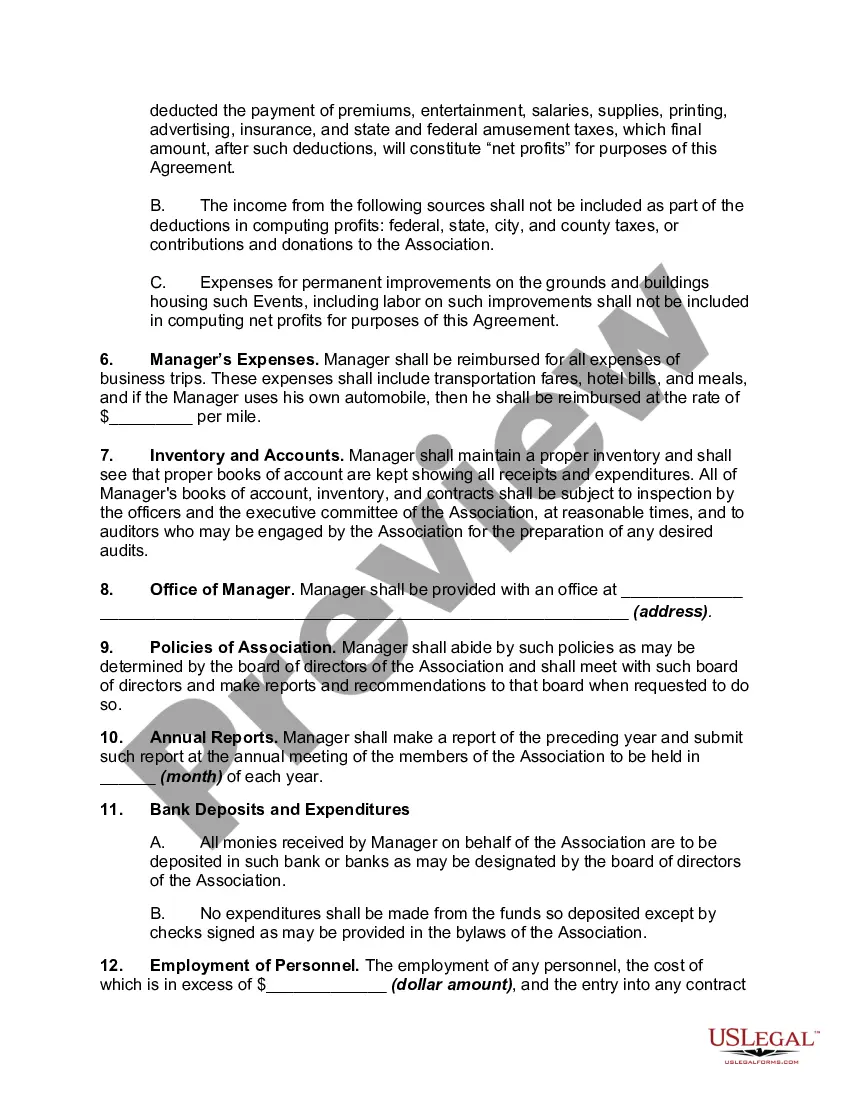
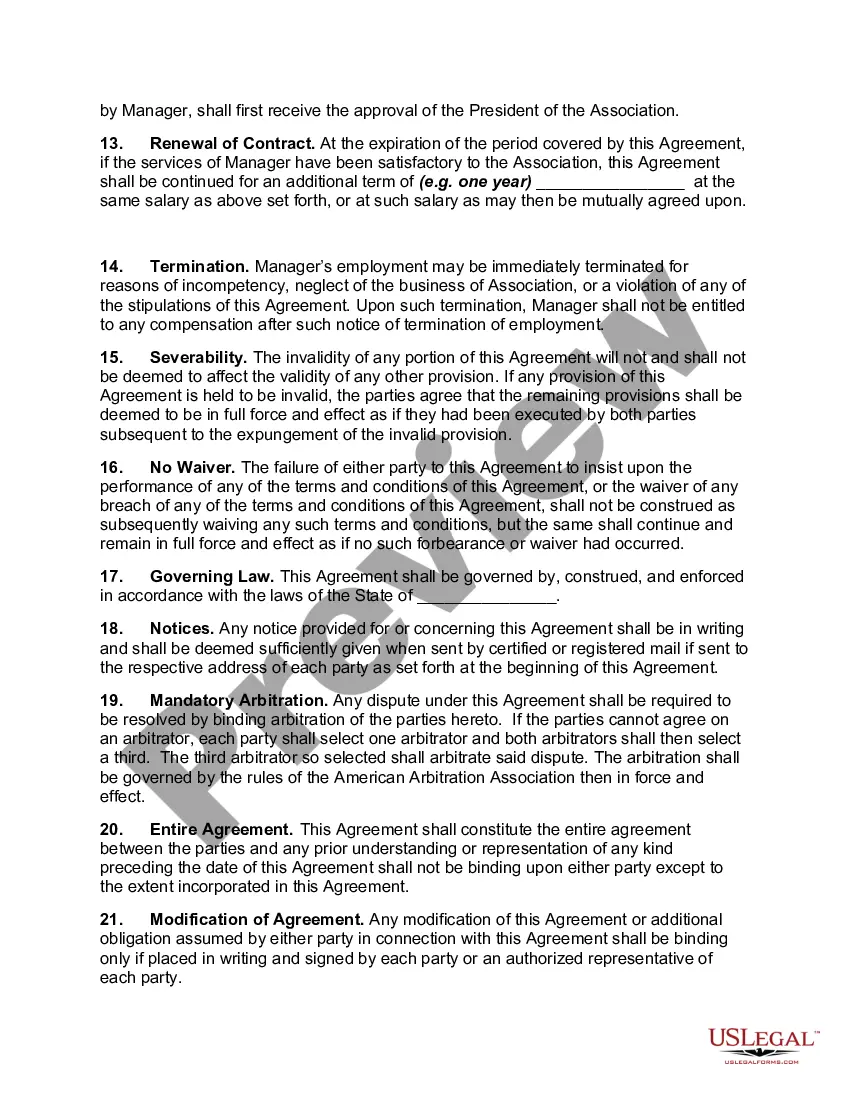
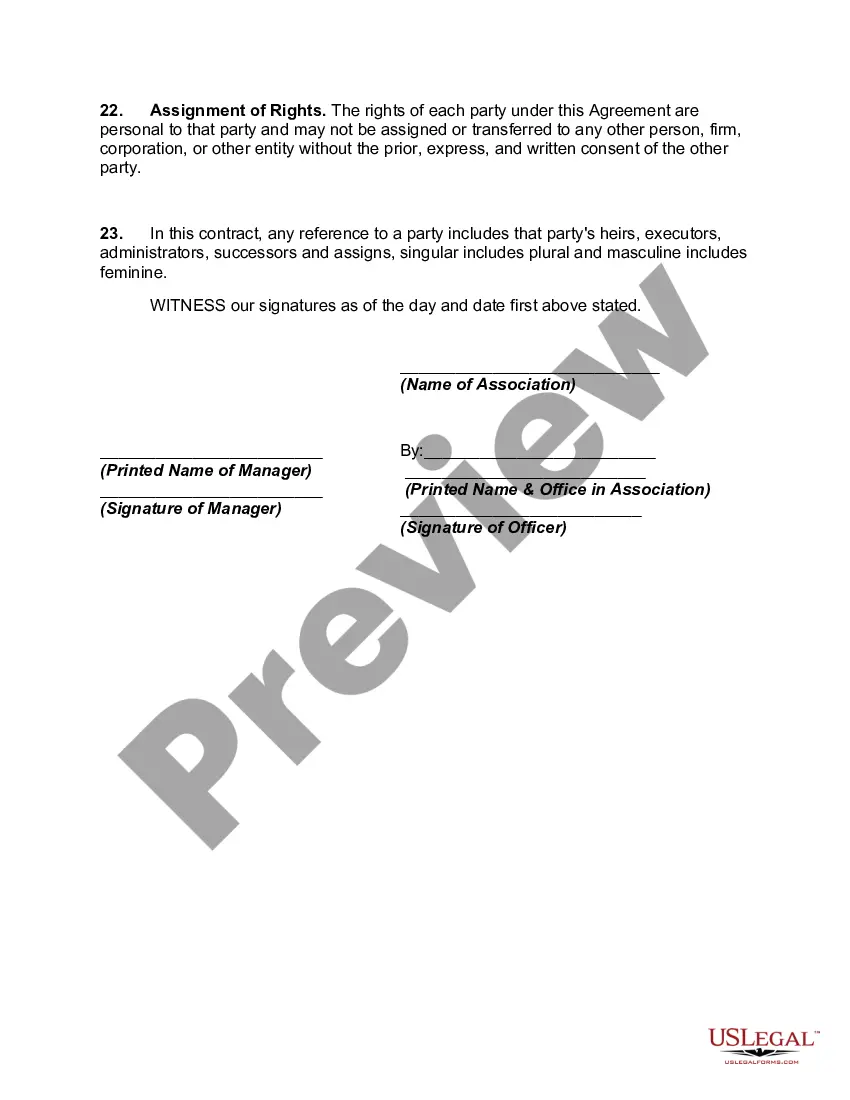
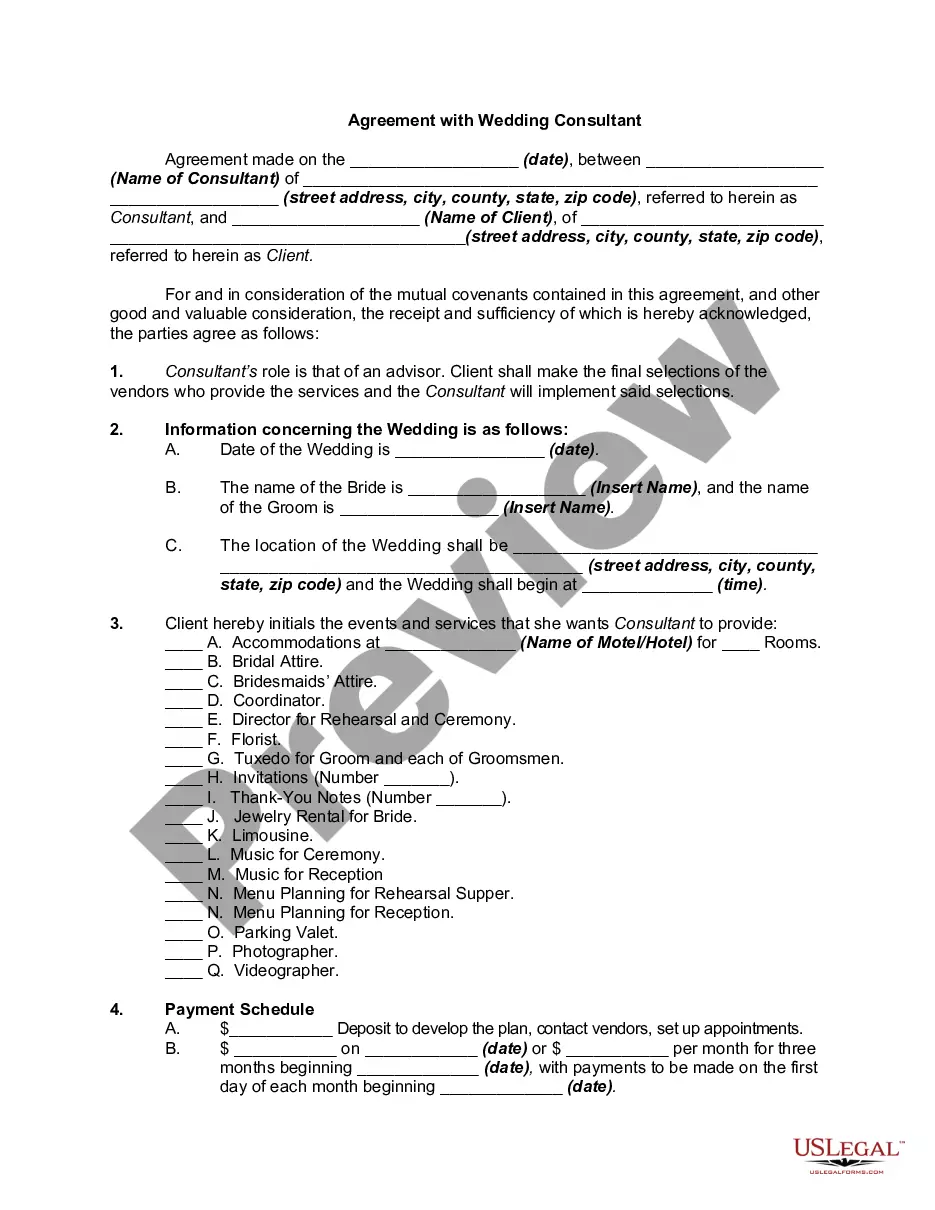
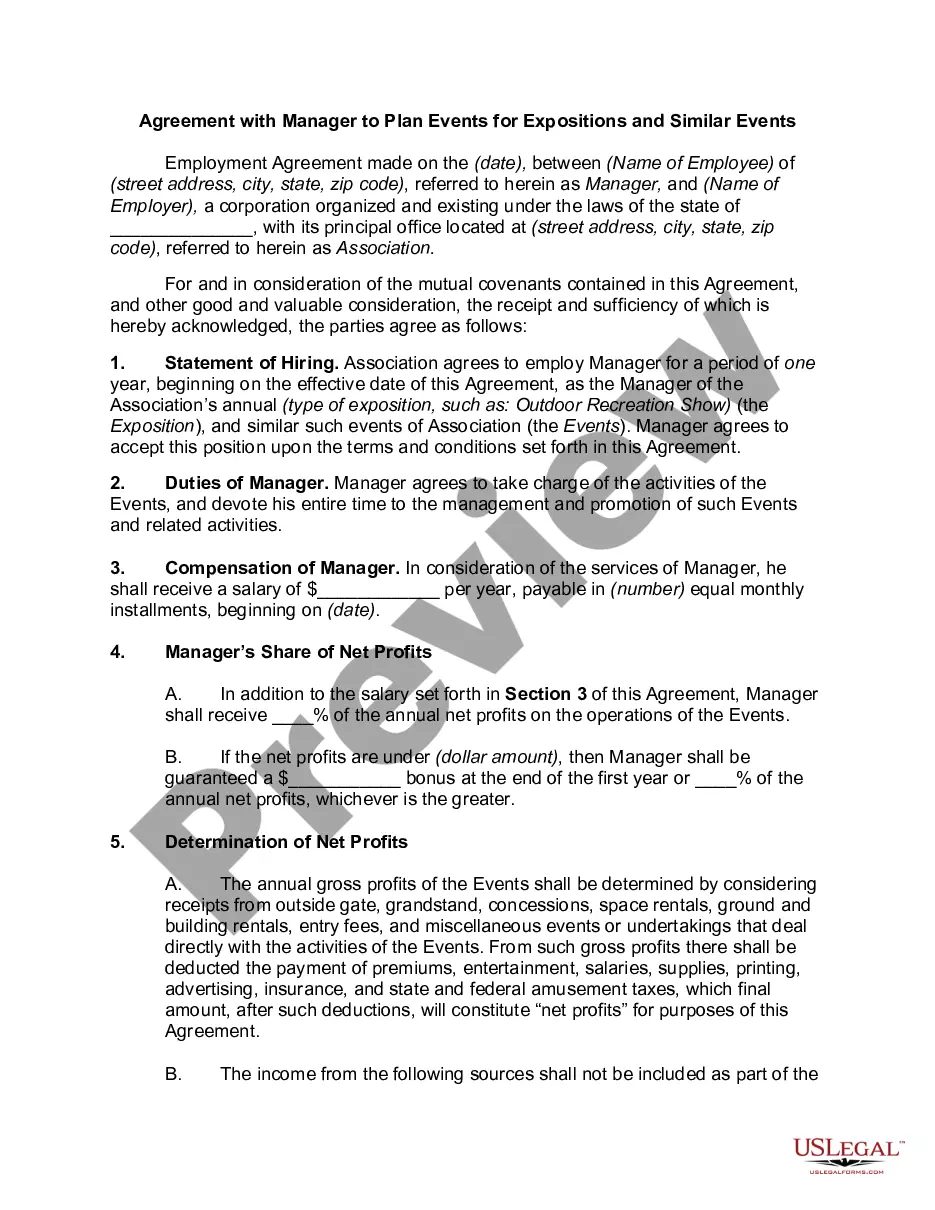
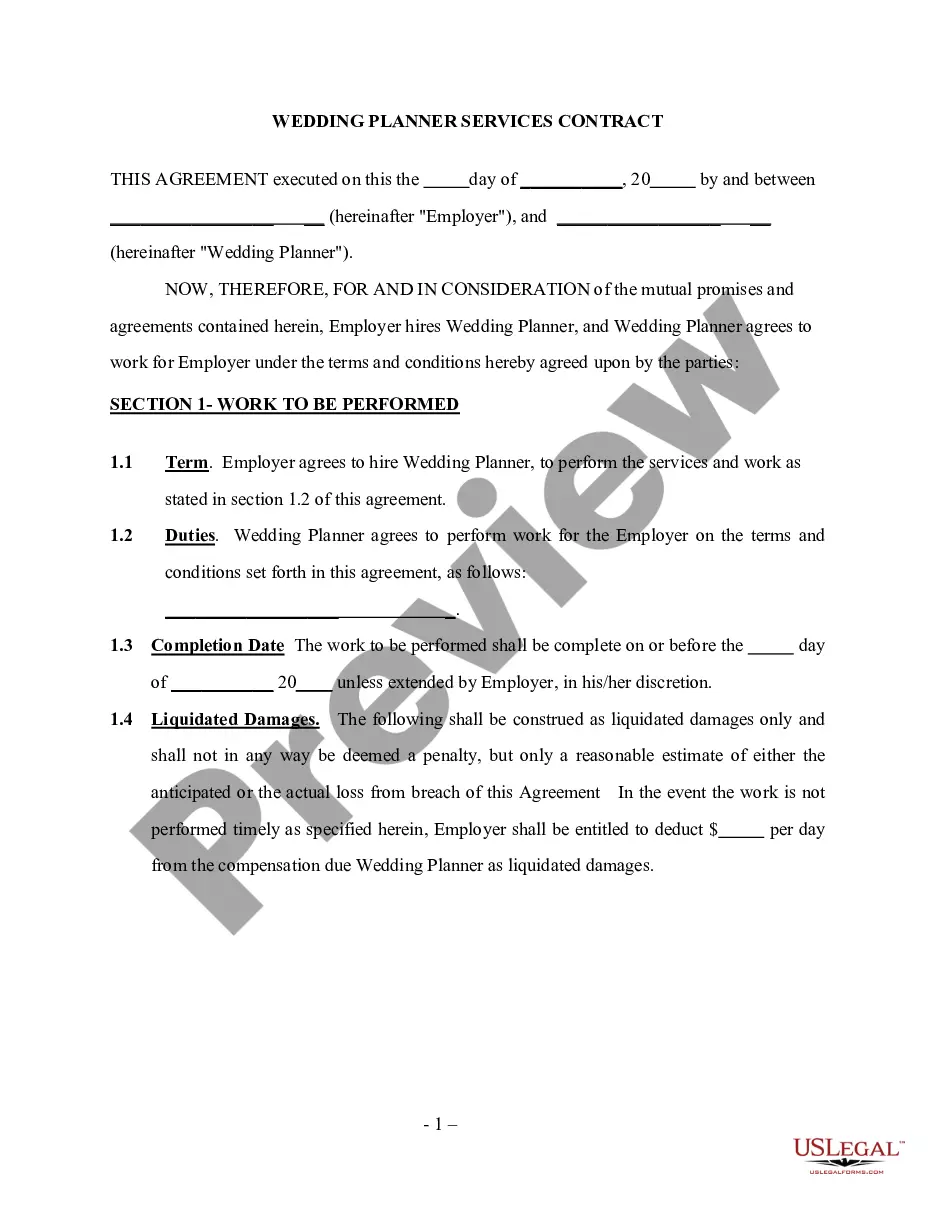
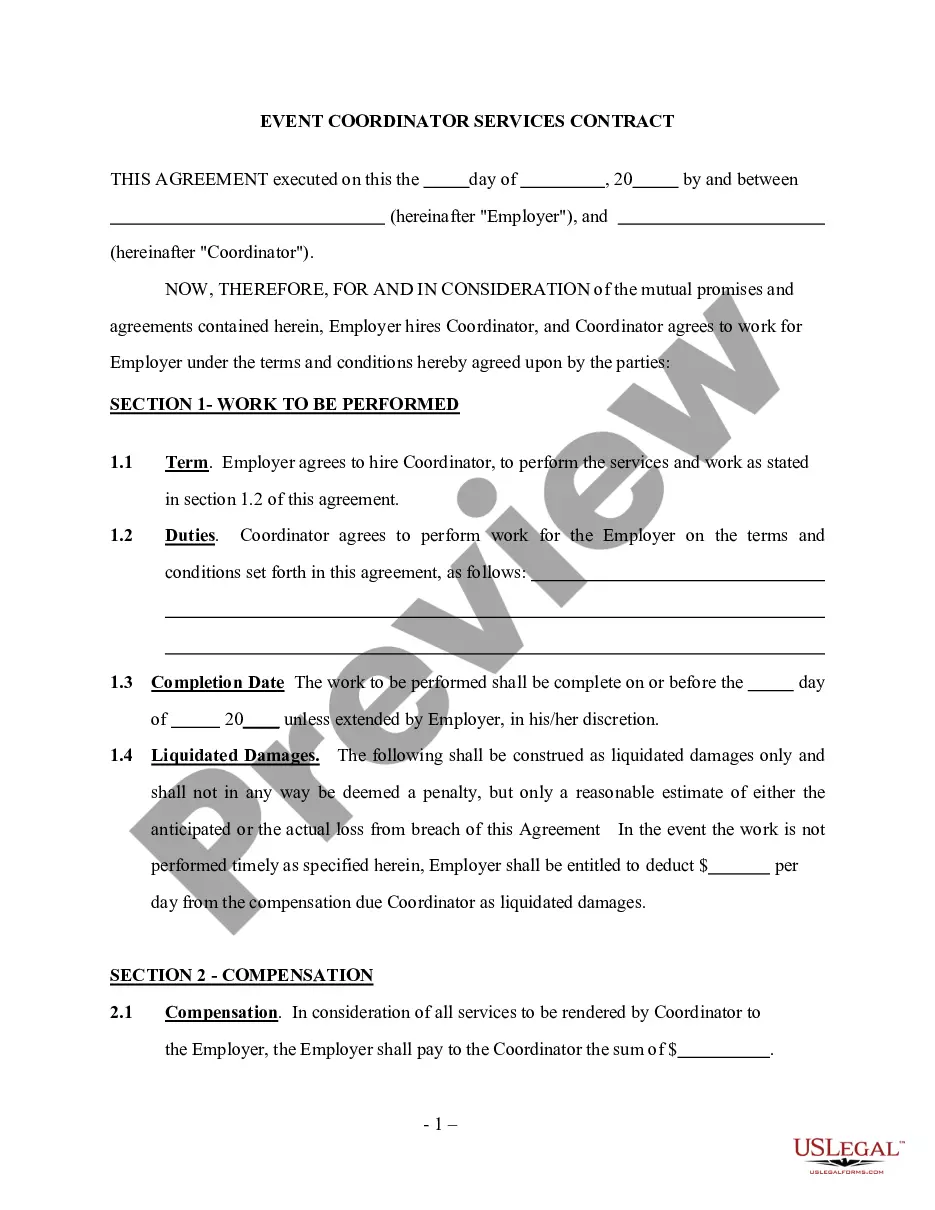
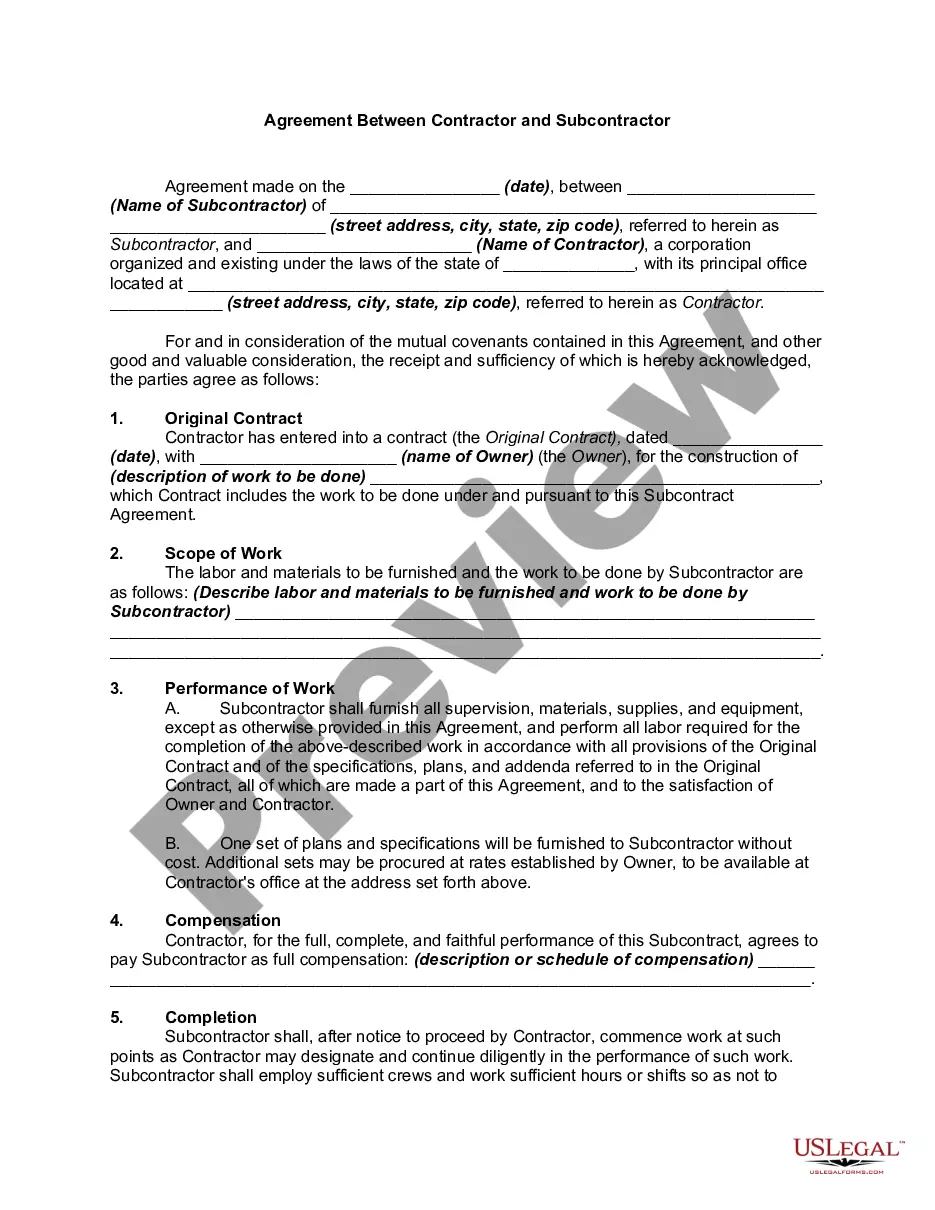
Get your form ready online
Our built-in tools help you complete, sign, share, and store your documents in one place.
Make edits, fill in missing information, and update formatting in US Legal Forms—just like you would in MS Word.
Download a copy, print it, send it by email, or mail it via USPS—whatever works best for your next step.
Sign and collect signatures with our SignNow integration. Send to multiple recipients, set reminders, and more. Go Premium to unlock E-Sign.
If this form requires notarization, complete it online through a secure video call—no need to meet a notary in person or wait for an appointment.
We protect your documents and personal data by following strict security and privacy standards.

Make edits, fill in missing information, and update formatting in US Legal Forms—just like you would in MS Word.

Download a copy, print it, send it by email, or mail it via USPS—whatever works best for your next step.

Sign and collect signatures with our SignNow integration. Send to multiple recipients, set reminders, and more. Go Premium to unlock E-Sign.

If this form requires notarization, complete it online through a secure video call—no need to meet a notary in person or wait for an appointment.

We protect your documents and personal data by following strict security and privacy standards.
Looking for another form?







Form popularity
FAQ
1 Get educated. The first step to becoming a hotel event planner is to get some formal education in hospitality, event management, or a related field. 2 Gain experience. 3 Find your niche. 4 Build your network. 5 Apply for jobs. 6 Here's what else to consider.
10 Tips for Successful Contract Negotiation Start with a draft. Break it down into smaller pieces. Keep your initial terms simple. Know your “why.” ... Prioritize your key objectives. Ask questions and understand your counterparty's motives. Come prepared with research.
Hotel event agreements can seem like low-risk arrangements, but they can have severe financial consequences if they are not negotiated correctly. The top three most important clauses to negotiate are attrition, cancellation, and force majeure.
A hotel event planner manages the space. An event manager is responsible for all of the hotel's events spaces including dining rooms, conference rooms, large ballrooms, and sometimes even concert venues.
When creating your event planner contract, be sure to include the following details: Contact information for both parties. Date and time of the event including an end time. A detailed description of the event. Description of the duties and responsibilities of the event planner. Breakdown of costs and fees.
Write the contract in six steps Start with a contract template. Open with the basic information. Describe in detail what you have agreed to. Include a description of how the contract will be ended. Write into the contract which laws apply and how disputes will be resolved. Include space for signatures.
Here is a list of items you should always include in your event contract: The date of the event. A start time and an ending time for the event. The venue for the event. The number of people expected to attend the event. A detailed description of the services you will provide before, during, and after the event.
How to Get Clients as an Event Planner Carve out a niche for yourself in the event industry. Build up a solid portfolio of clients. Start your own website. Advertise on social media. Build up a local buzz. Network with nonprofits.
