Event Planning Agreement With Mexico In Dallas
Description

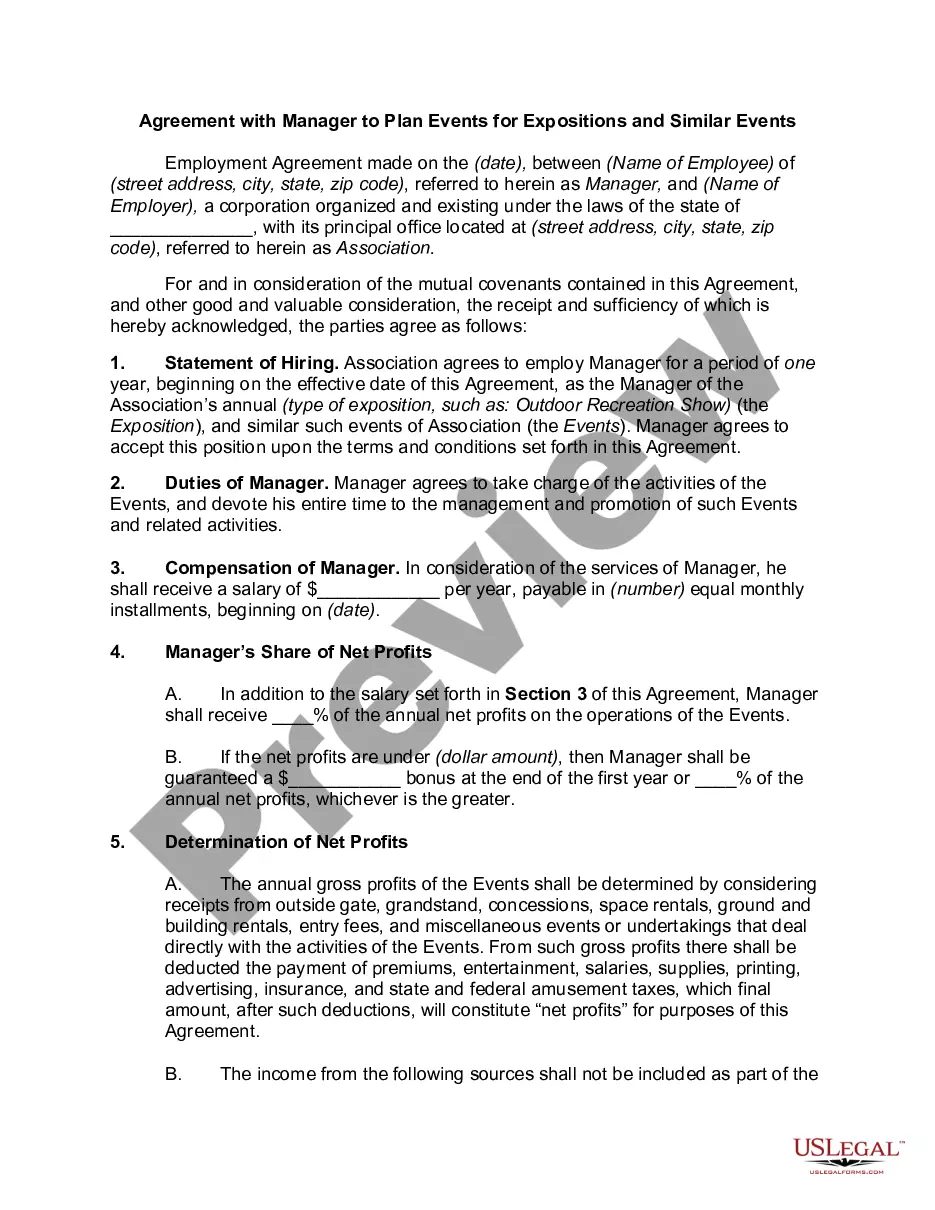
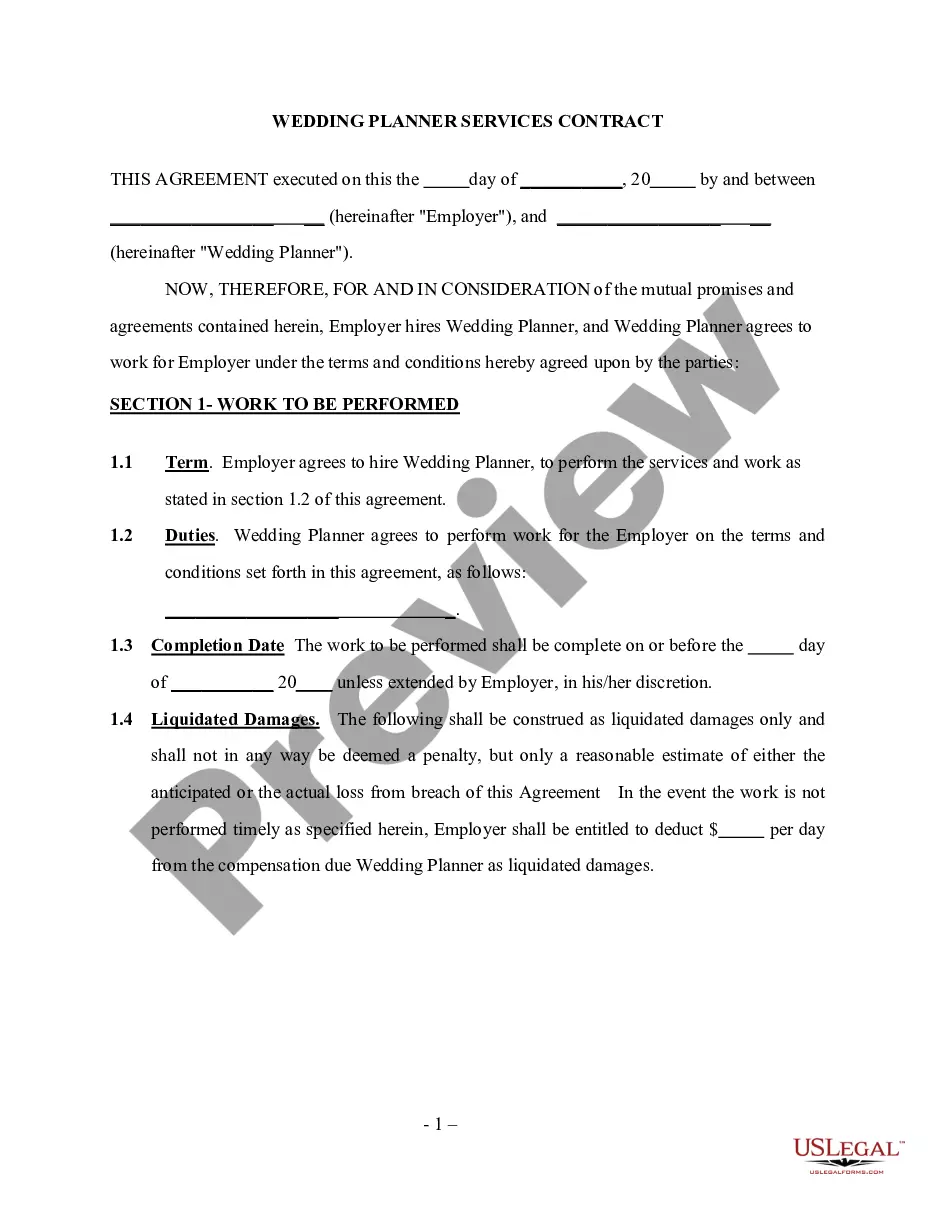
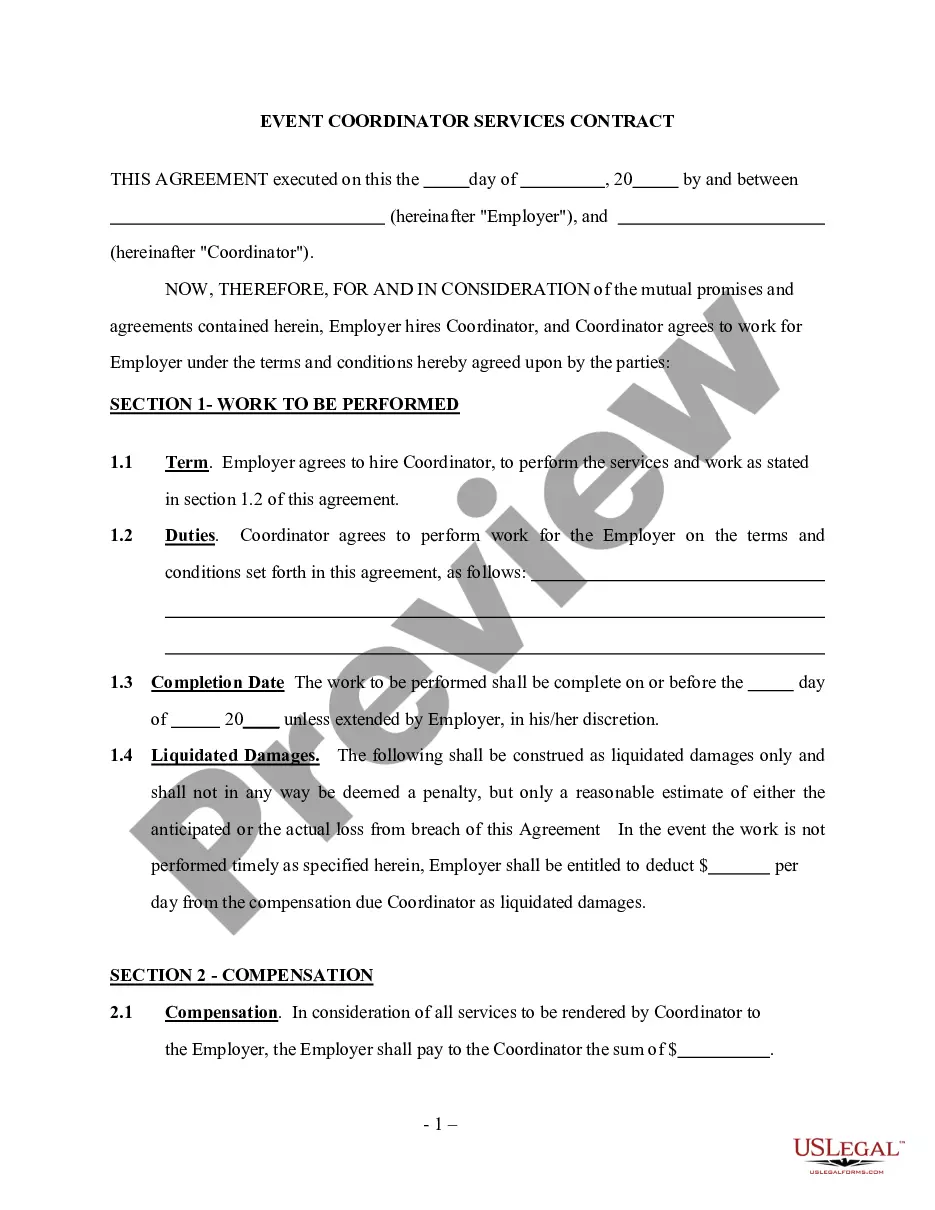
Get your form ready online
Our built-in tools help you complete, sign, share, and store your documents in one place.
Make edits, fill in missing information, and update formatting in US Legal Forms—just like you would in MS Word.
Download a copy, print it, send it by email, or mail it via USPS—whatever works best for your next step.
Sign and collect signatures with our SignNow integration. Send to multiple recipients, set reminders, and more. Go Premium to unlock E-Sign.
If this form requires notarization, complete it online through a secure video call—no need to meet a notary in person or wait for an appointment.
We protect your documents and personal data by following strict security and privacy standards.

Make edits, fill in missing information, and update formatting in US Legal Forms—just like you would in MS Word.

Download a copy, print it, send it by email, or mail it via USPS—whatever works best for your next step.

Sign and collect signatures with our SignNow integration. Send to multiple recipients, set reminders, and more. Go Premium to unlock E-Sign.

If this form requires notarization, complete it online through a secure video call—no need to meet a notary in person or wait for an appointment.

We protect your documents and personal data by following strict security and privacy standards.
Looking for another form?

Form popularity
FAQ
What Does an Event Checklist Include? Defining the goals and objectives. Establishing the event framework with date, time, duration, and venue. Creating a budget. Developing a marketing strategy. Securing key vendors and services. Obtaining permits and licenses. Planning logistics and operations.
How to Get Clients as an Event Planner Carve out a niche for yourself in the event industry. Build up a solid portfolio of clients. Start your own website. Advertise on social media. Build up a local buzz. Network with nonprofits.
Your job at its core entails taking complex tasks (event planning) off your clients' hands and turning their wishes into reality. in Texas, you don't need any formal training to become an event planner. However, getting a degree or certification in specific fields will enhance your career journey.
Event Management Process: The Five Stages of Event Planning Set ROI-Driven Event Goals and Objectives. The event's over, and you deem it a success. Create a Solid Event Budget. Design and Plan a Memorable Event. Coordinate the Day of the Event. Evaluate Your Event's Performance and Power Future Events.
In summary, the success of an event is determined by the following five essential event management elements: concept, coordination, control, culmination, and closeout. You can ensure that your event is well-organized, well-executed, and memorable for your attendees by incorporating these elements into your planning.
These are: Concept, Coordination, Control, Culmination, and Closeout. But what do they mean? And how do you apply them to event management?
So, instead of wandering into your next event planning job with no guidelines, follow this simple guide to the five stages of event planning. Stage 1 – Research and Goal Setting. Stage 2 – Design the Event. Stage 3 – Brand the Event. Stage 4 – Coordination and Day-Of Planning. Stage 5 – Evaluate the Event.
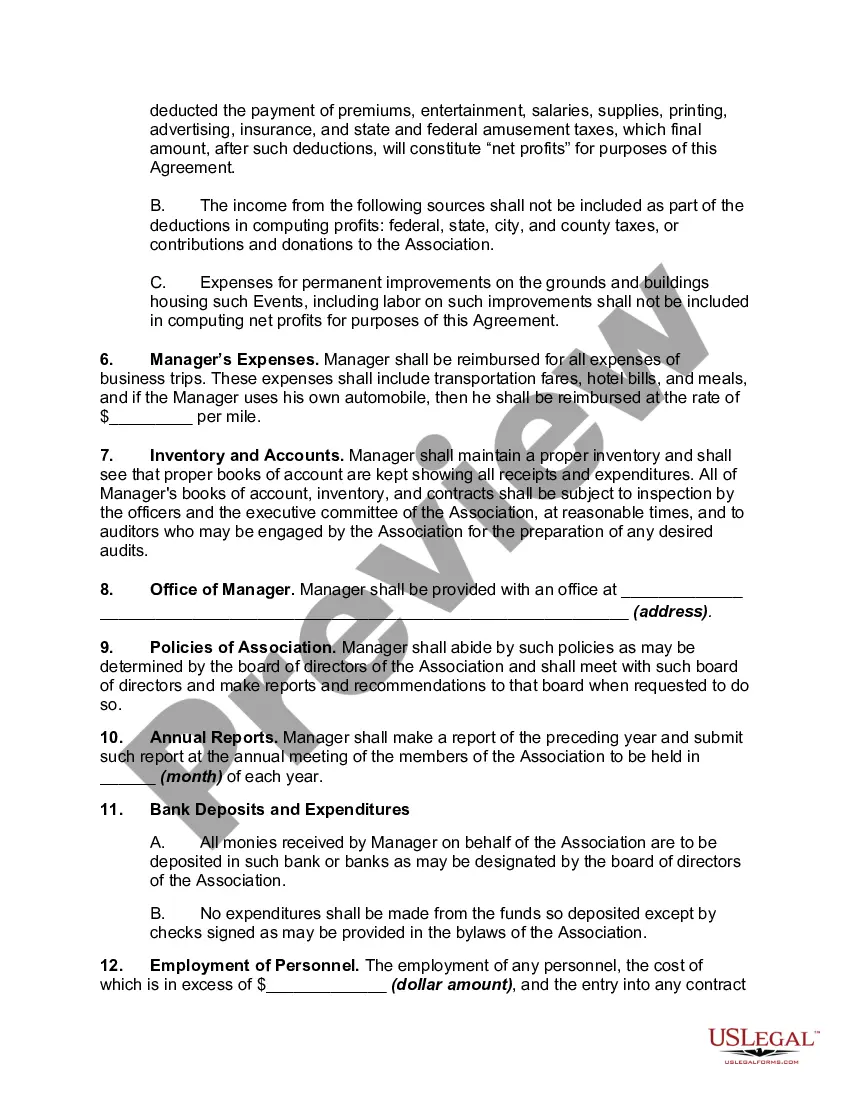
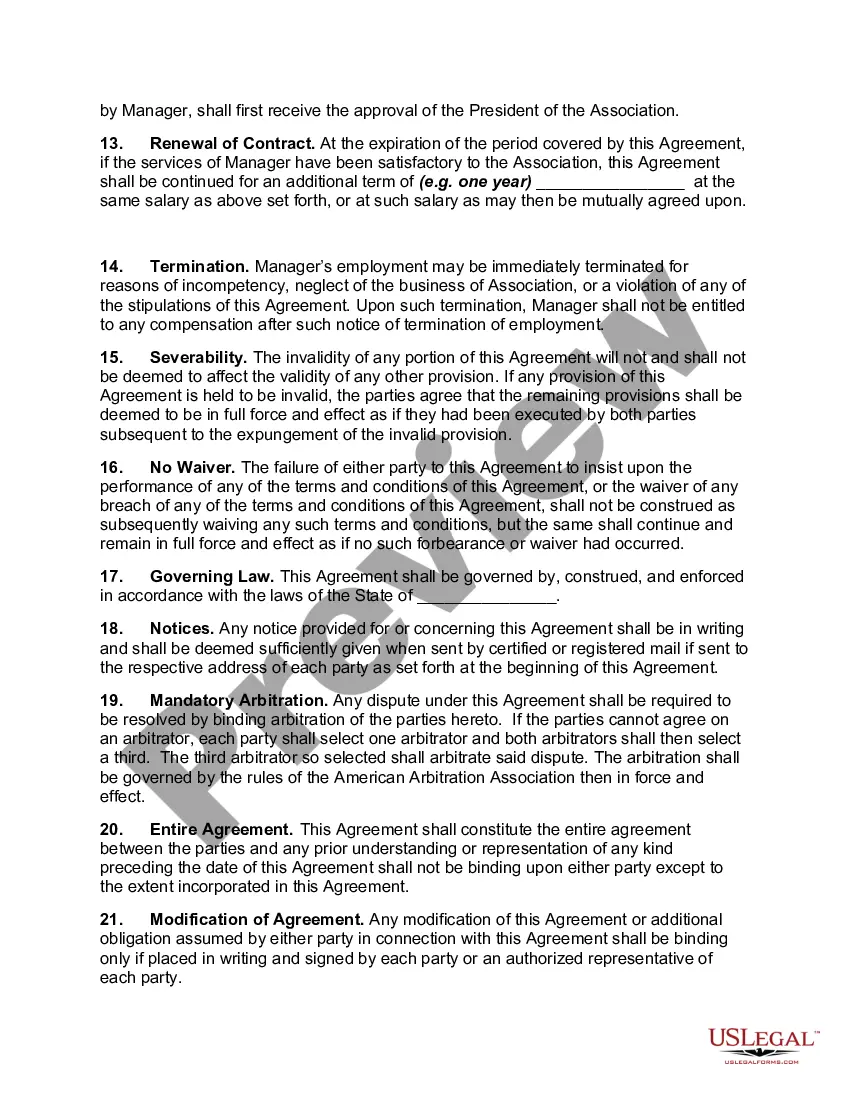
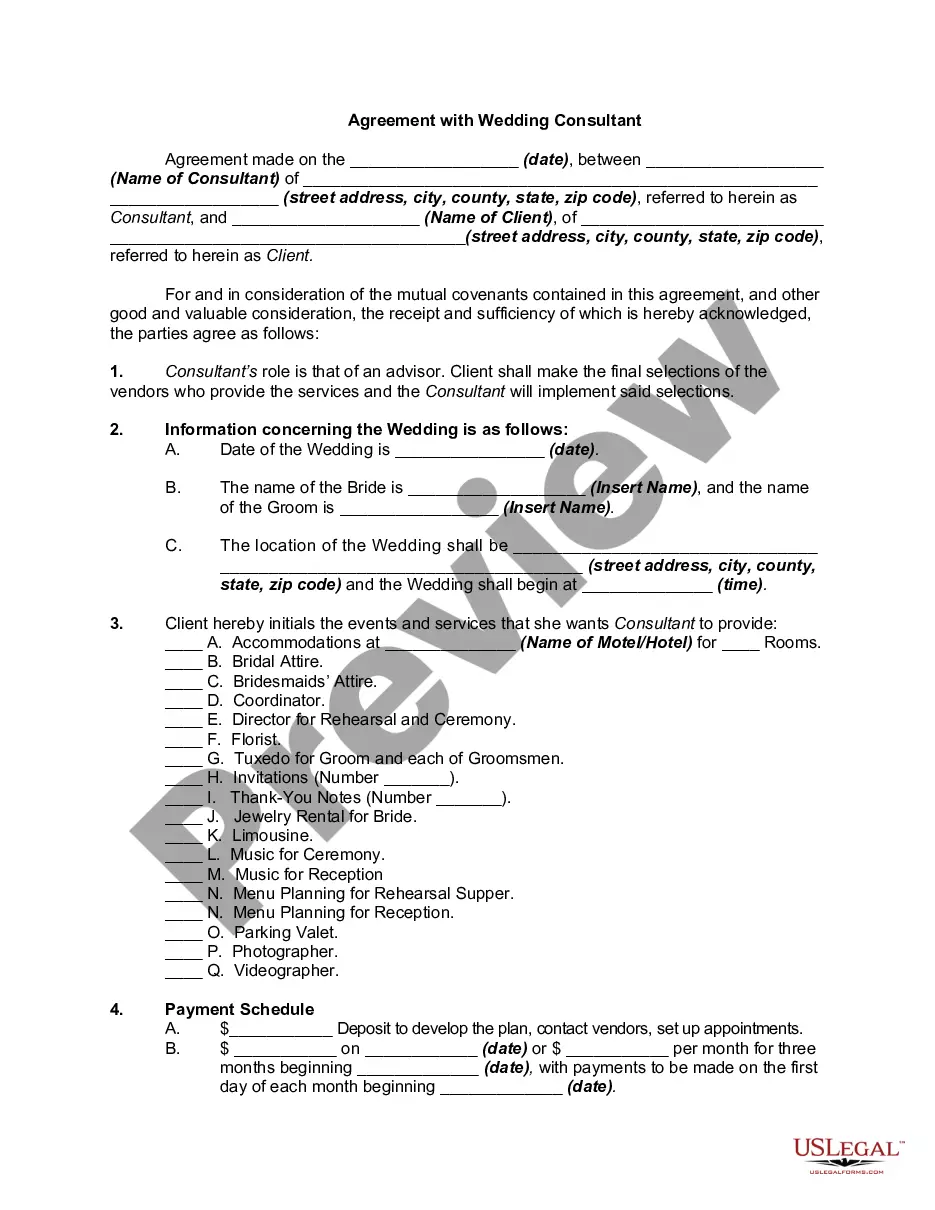
Here is a list of items you should always include in your event contract: The date of the event. A start time and an ending time for the event. The venue for the event. The number of people expected to attend the event. A detailed description of the services you will provide before, during, and after the event.
