Example Of An Event Contract In Cuyahoga
Description

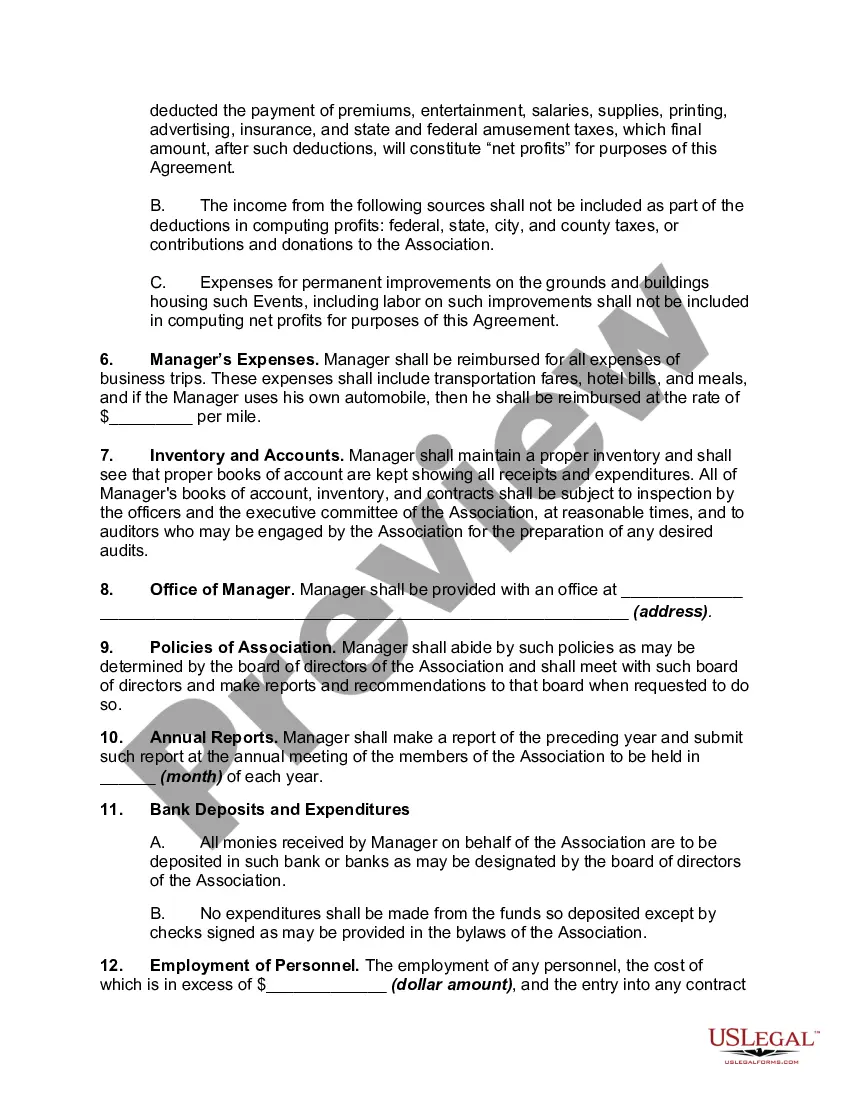
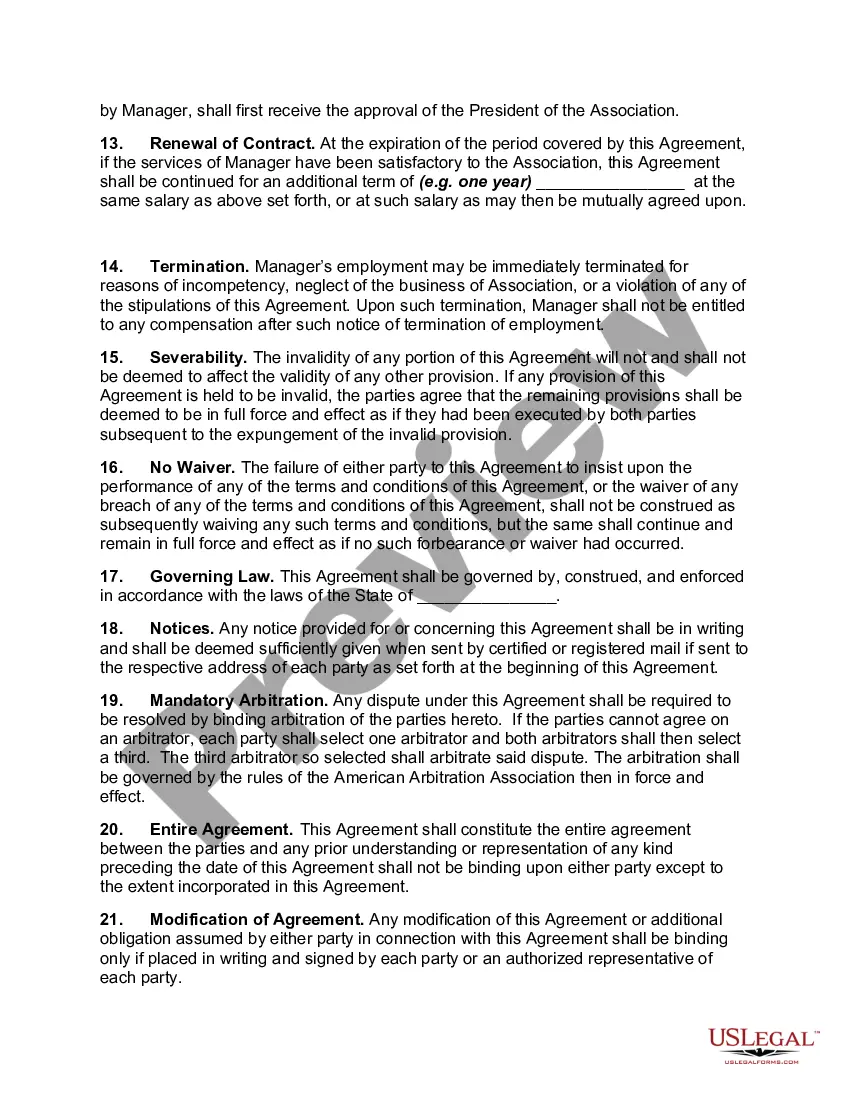
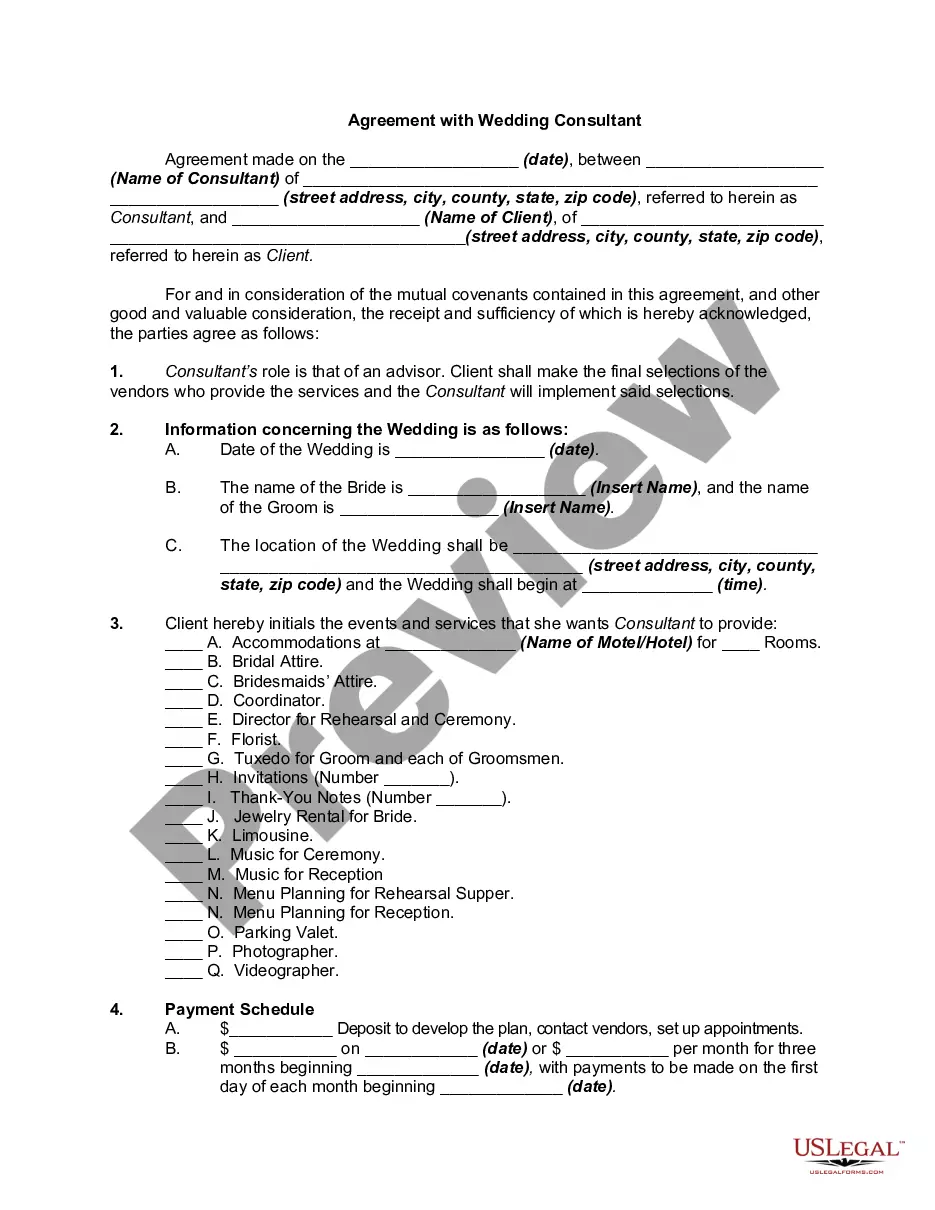
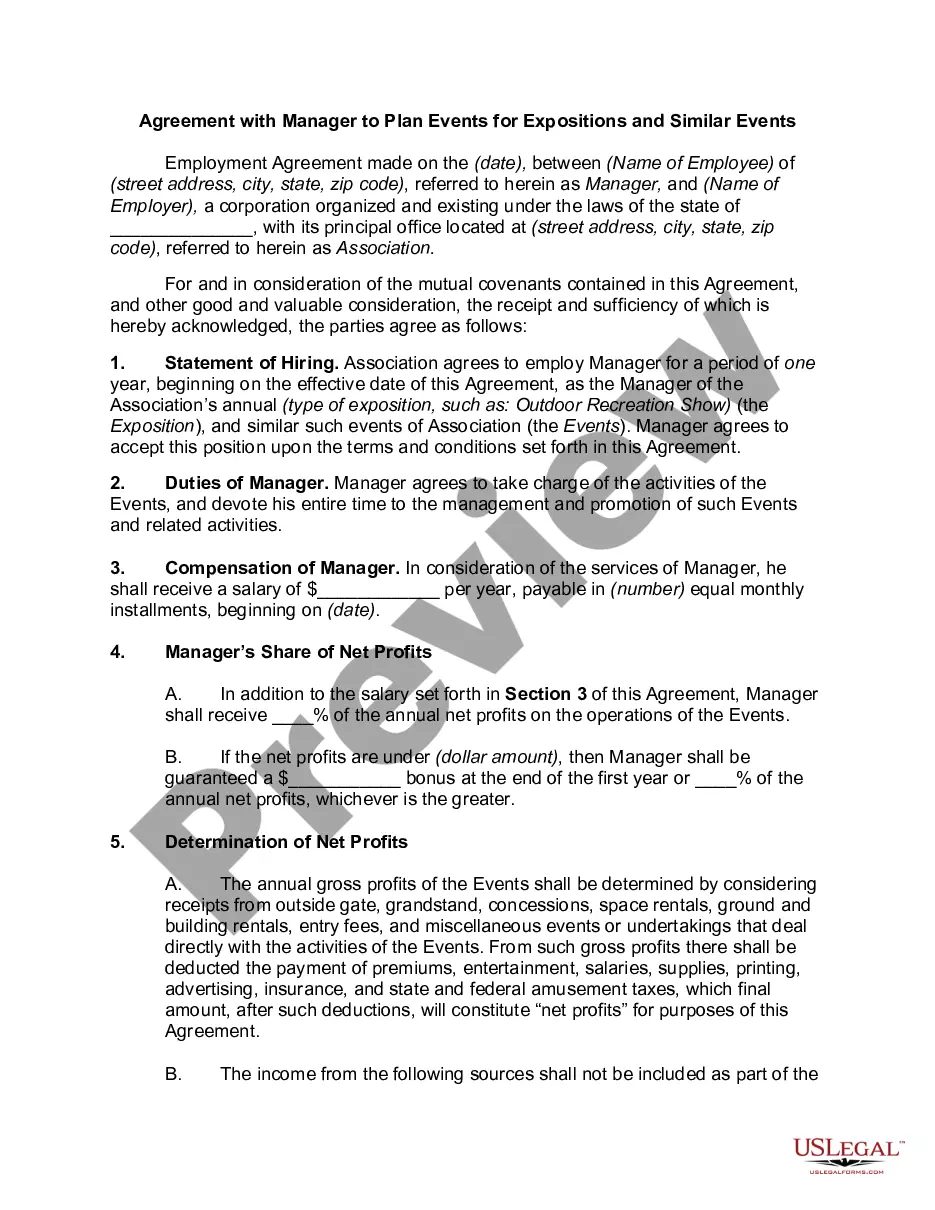
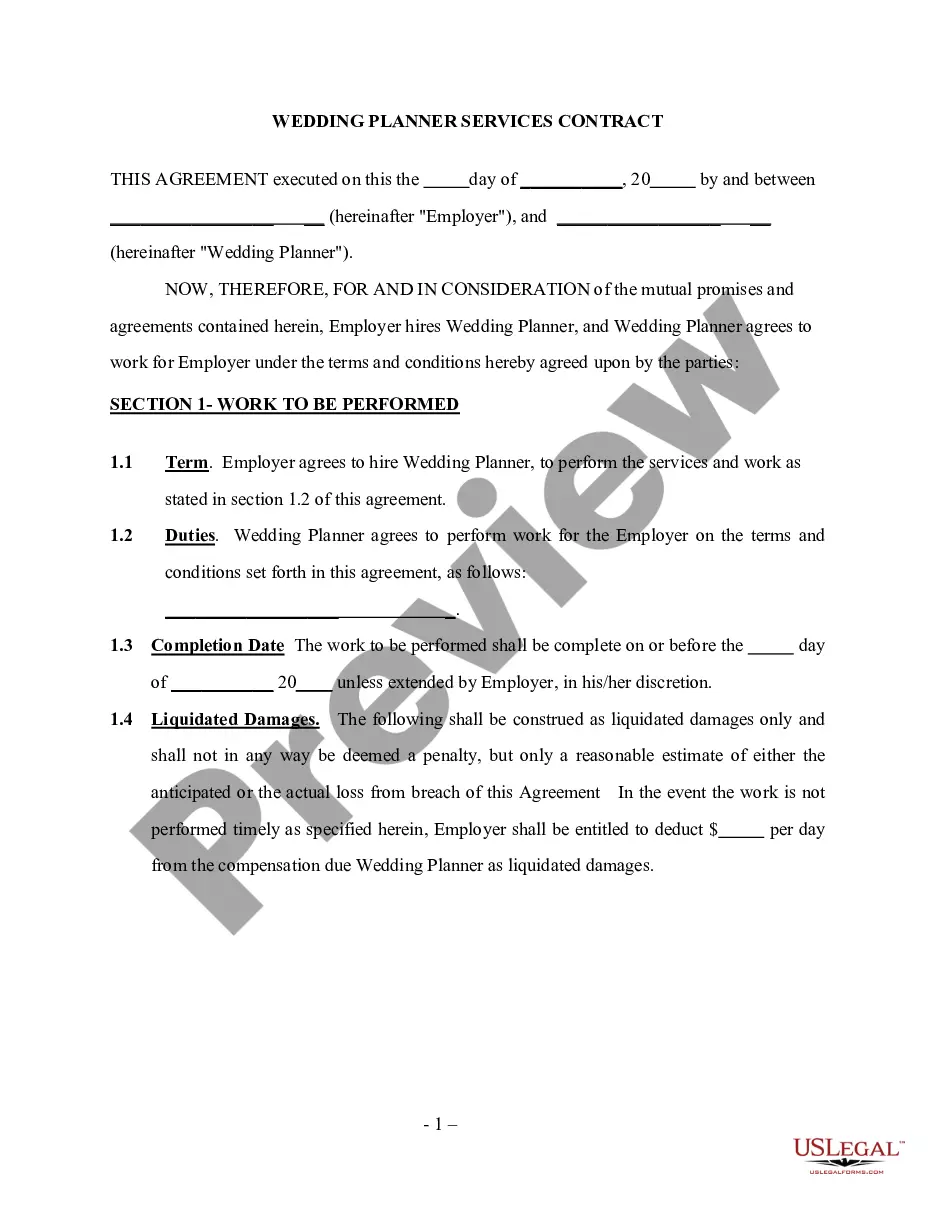
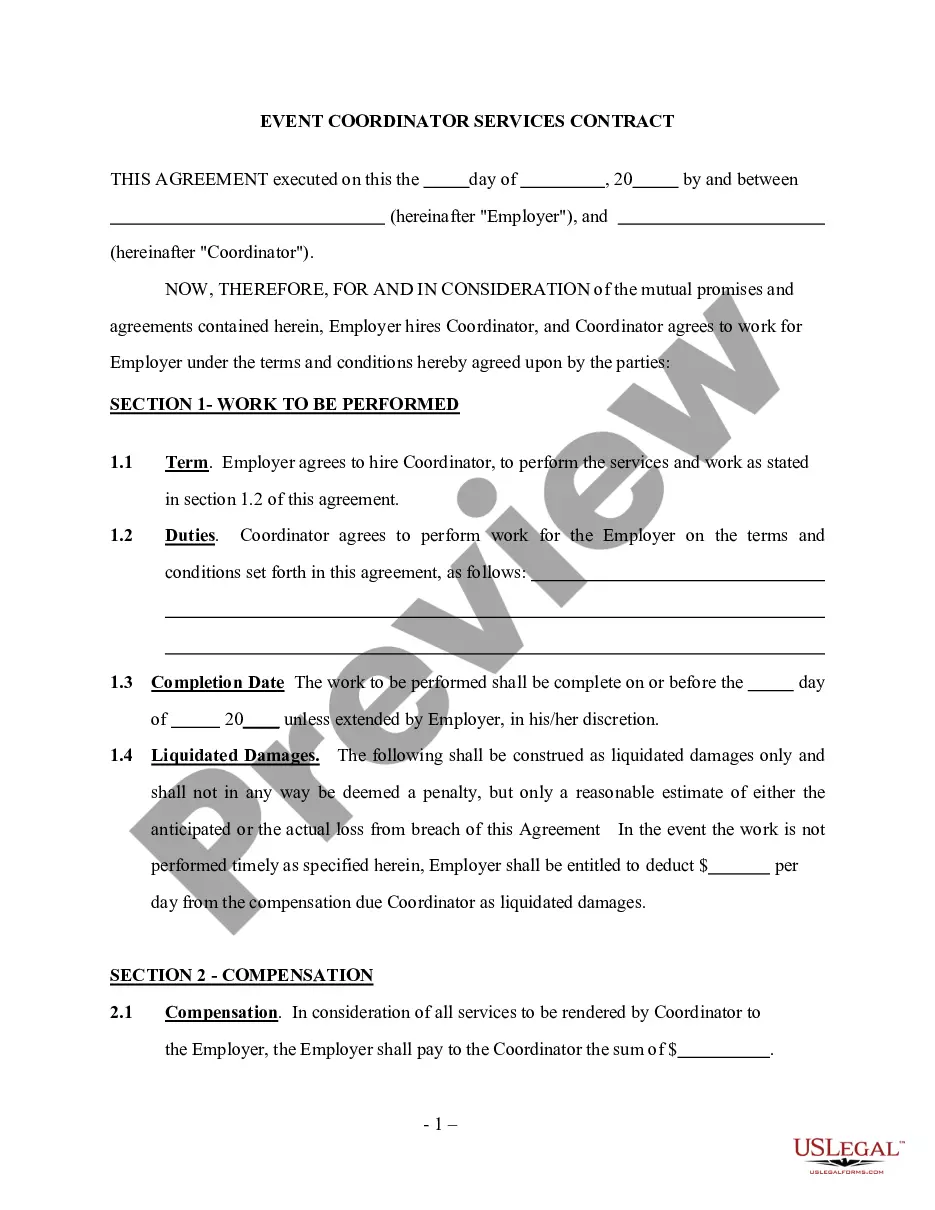
Get your form ready online
Our built-in tools help you complete, sign, share, and store your documents in one place.
Make edits, fill in missing information, and update formatting in US Legal Forms—just like you would in MS Word.
Download a copy, print it, send it by email, or mail it via USPS—whatever works best for your next step.
Sign and collect signatures with our SignNow integration. Send to multiple recipients, set reminders, and more. Go Premium to unlock E-Sign.
If this form requires notarization, complete it online through a secure video call—no need to meet a notary in person or wait for an appointment.
We protect your documents and personal data by following strict security and privacy standards.

Make edits, fill in missing information, and update formatting in US Legal Forms—just like you would in MS Word.

Download a copy, print it, send it by email, or mail it via USPS—whatever works best for your next step.

Sign and collect signatures with our SignNow integration. Send to multiple recipients, set reminders, and more. Go Premium to unlock E-Sign.

If this form requires notarization, complete it online through a secure video call—no need to meet a notary in person or wait for an appointment.

We protect your documents and personal data by following strict security and privacy standards.
Looking for another form?






Form popularity
FAQ
Objective theory of contracts is the view that contracting parties shall only be bound by terms that can be objectively inferred from promises made.
Under this theory, a party's intention to enter into a contract is judged by outward, objective facts as interpreted by a reasonable person, rather than by the party's secret, subjective intentions. Objective facts may include: 1. What the party said when entering into the contract.
For example, if two people agree to buy and sell a car, but one of them thinks they are buying a red car and the other thinks they are buying a blue car, the objective theory of contract would say that the contract is based on the external actions of buying and selling a car, rather than the internal thoughts and ...
A contract party is any individual, group or organisation participating in a contract. 'Parties' has a corresponding meaning. A contract party will have legally binding obligation ands responsibilities to fulfil. They will also seek to realise benefits from any agreements.
Here is a list of items you should always include in your event contract: The date of the event. A start time and an ending time for the event. The venue for the event. The number of people expected to attend the event. A detailed description of the services you will provide before, during, and after the event.
Under this theory, a party's intention to enter into a contract is judged by outward, objective facts as interpreted by a reasonable person, rather than by the party's secret, subjective intentions. Objective facts may include: 1. What the party said when entering into the contract.
There can be three parties to a contract. An example of such is a contract of guarantee. The three parties in this type of contract include the principal debtor, surety, and creditor.
The Event may be cancelled due to inclement weather as determined in the Owner's sole and absolute discretion. Notification of cancellation will be provided by 12 PM on the date of the Event, unless weather events could not be reasonably determined by that time. The Event may or may not be rescheduled for a later date.
A: Yes, a quitclaim deed can protect you by getting the deed in your own name exclusively. This is possible through a divorce proceeding or your spouse can sign a quitclaim to relinquish his rights to the property. If the mortgage is in your spouse's name, it doesn't mean he has an ownership interest.
