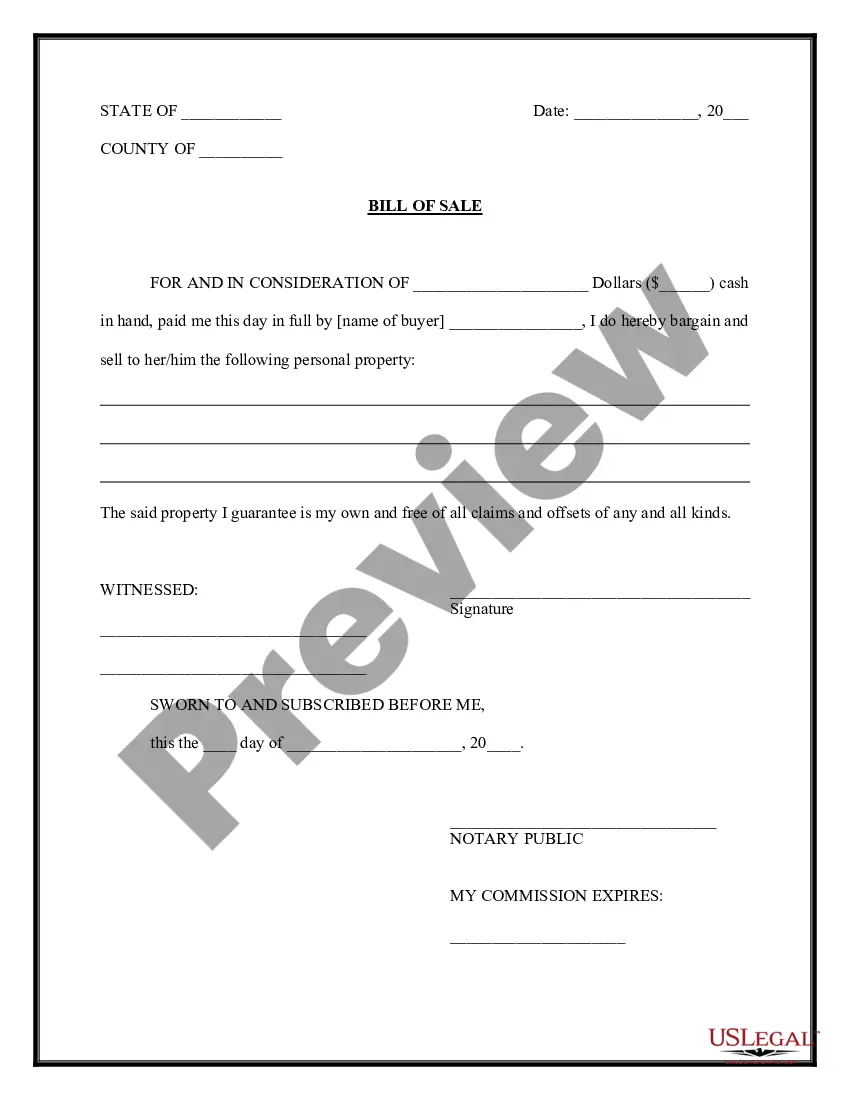
Petition Writ Habeas Corpus Without A Lawyer In Washington
Description






Get your form ready online
Our built-in tools help you complete, sign, share, and store your documents in one place.
Make edits, fill in missing information, and update formatting in US Legal Forms—just like you would in MS Word.
Download a copy, print it, send it by email, or mail it via USPS—whatever works best for your next step.
Sign and collect signatures with our SignNow integration. Send to multiple recipients, set reminders, and more. Go Premium to unlock E-Sign.
If this form requires notarization, complete it online through a secure video call—no need to meet a notary in person or wait for an appointment.
We protect your documents and personal data by following strict security and privacy standards.

Make edits, fill in missing information, and update formatting in US Legal Forms—just like you would in MS Word.

Download a copy, print it, send it by email, or mail it via USPS—whatever works best for your next step.

Sign and collect signatures with our SignNow integration. Send to multiple recipients, set reminders, and more. Go Premium to unlock E-Sign.

If this form requires notarization, complete it online through a secure video call—no need to meet a notary in person or wait for an appointment.

We protect your documents and personal data by following strict security and privacy standards.
Looking for another form?








Form popularity
FAQ
The term writ refers to a formal, legal document that orders a person or entity to perform or to cease performing a specific action or deed. Writs are drafted by judges, courts, or other entities that have administrative or judicial jurisdiction.
Any federal court may grant a writ of habeas corpus to a petitioner who is within its jurisdiction.
Any federal court may grant a writ of habeas corpus to a petitioner who is within its jurisdiction. The habeas petition must be in writing and signed and verified either by the petitioner seeking relief or by someone acting on his or her behalf.
TWO TYPES OF WRITS: WRIT OF HABEAS CORPUS AD PROSEQUENDUM - An order commanding the presence of a defendant to appear in court to answer charges on pending case. WRIT OF HABEAS CORPUS AD TESTIFICANDUM – An order commanding the presence of a witness to appear in court to testify in court proceedings.
(a) Writs of habeas corpus may be granted by the Supreme Court, any justice thereof, the district courts and any circuit judge within their respective jurisdictions. The order of a circuit judge shall be entered in the records of the district court of the district wherein the restraint complained of is had.
State every ground (reason) that supports your claim that you are being held in violation of the Constitution, laws, or treaties of the United States. Attach additional pages if you have more than four grounds. State the facts supporting each ground. Any legal arguments must be submitted in a separate memorandum.
A Writ of Habeas Corpus literally translates to bring a body before the court. A writ is an order from a higher court to a lower court or government agency or official. When you file a petition for a Writ of Habeas Corpus, you are asking the court to order the government agency to appear and bring you before the court.
A successful Writ of Habeas Corpus in California can achieve one of the following: Release the defendant. Reduce the defendant's sentencing. Make changes to the defendant's sentencing conditions.
The right to file a petition for writ of habeas corpus is guaranteed by the California constitution. In order to be eligible to petition for such relief, the petitioner must be “in custody,” either actually or constructively.
A Federal Writ of Habeas Corpus is a procedure where federal courts with national power can review the legality of an individual's incarceration.