Assistance Of Counsel Clause In San Jose
Description
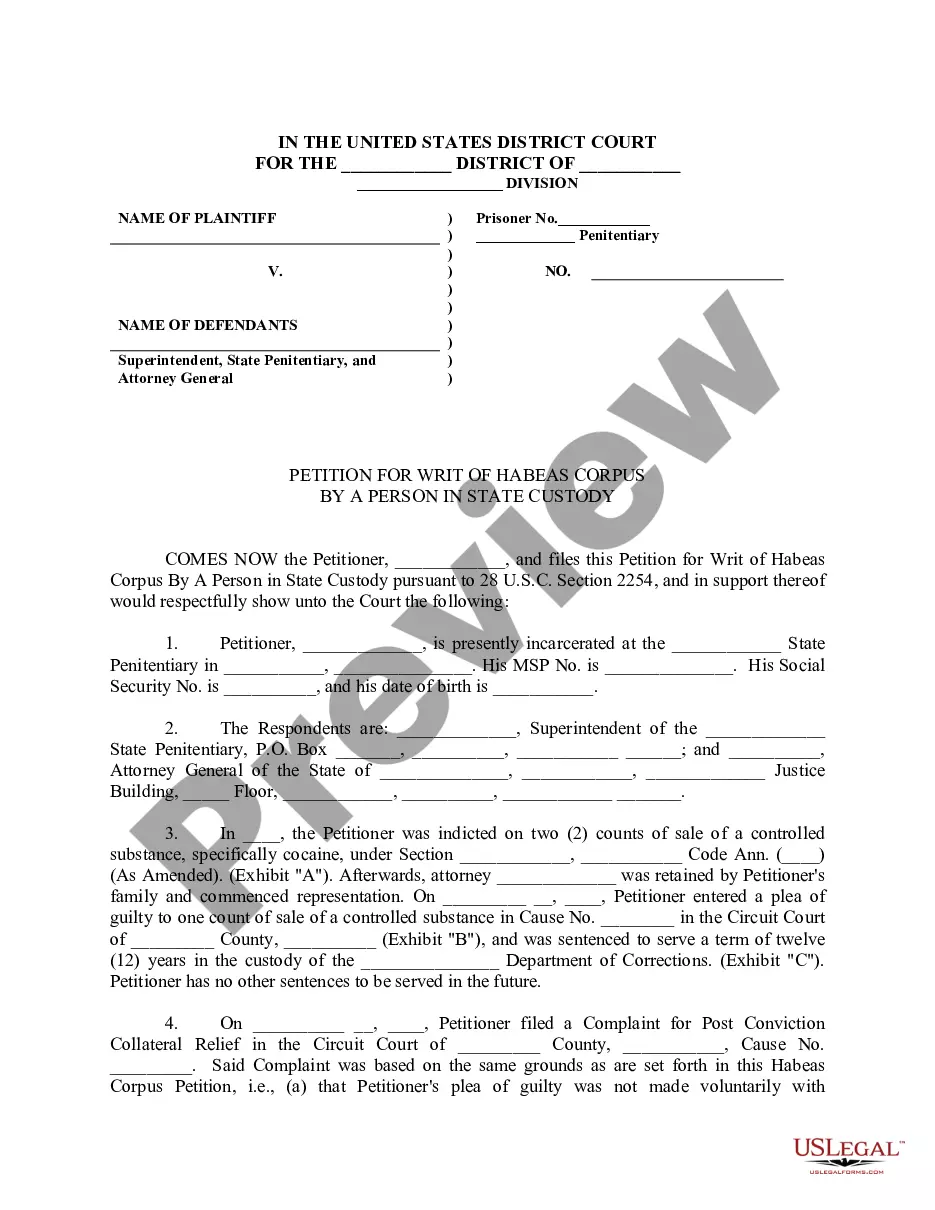
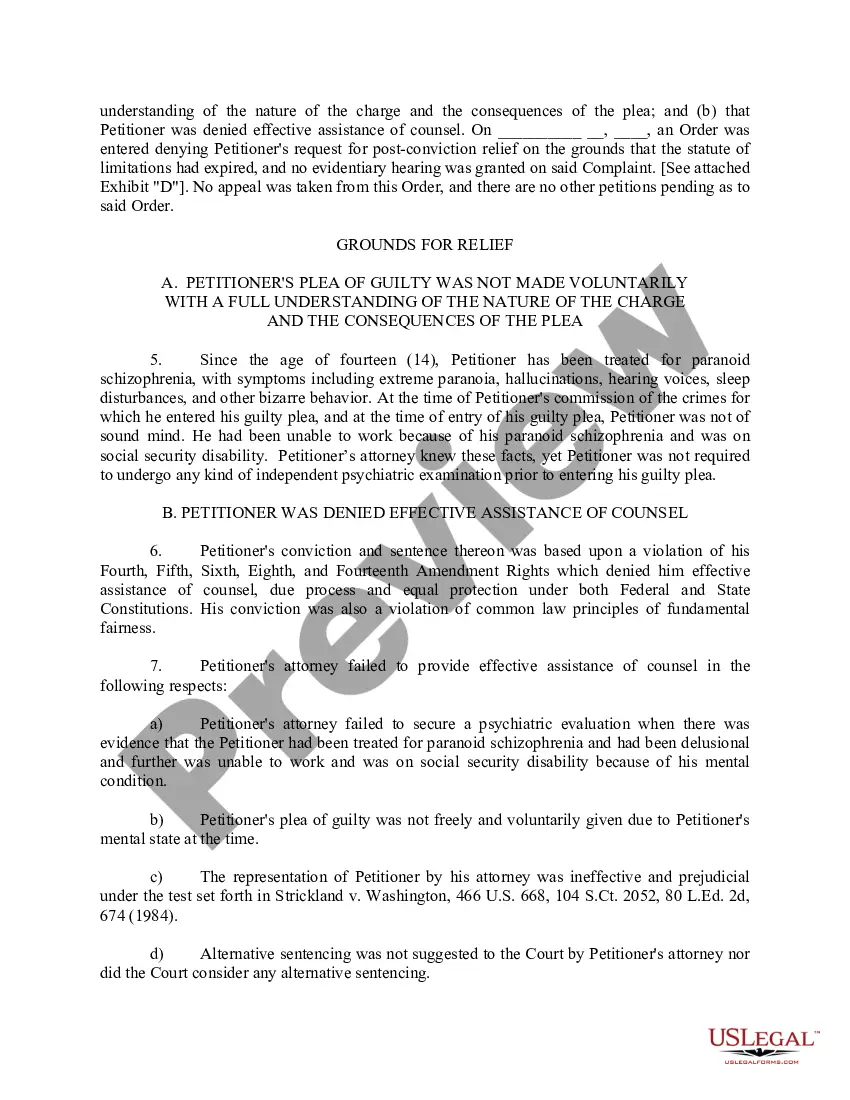
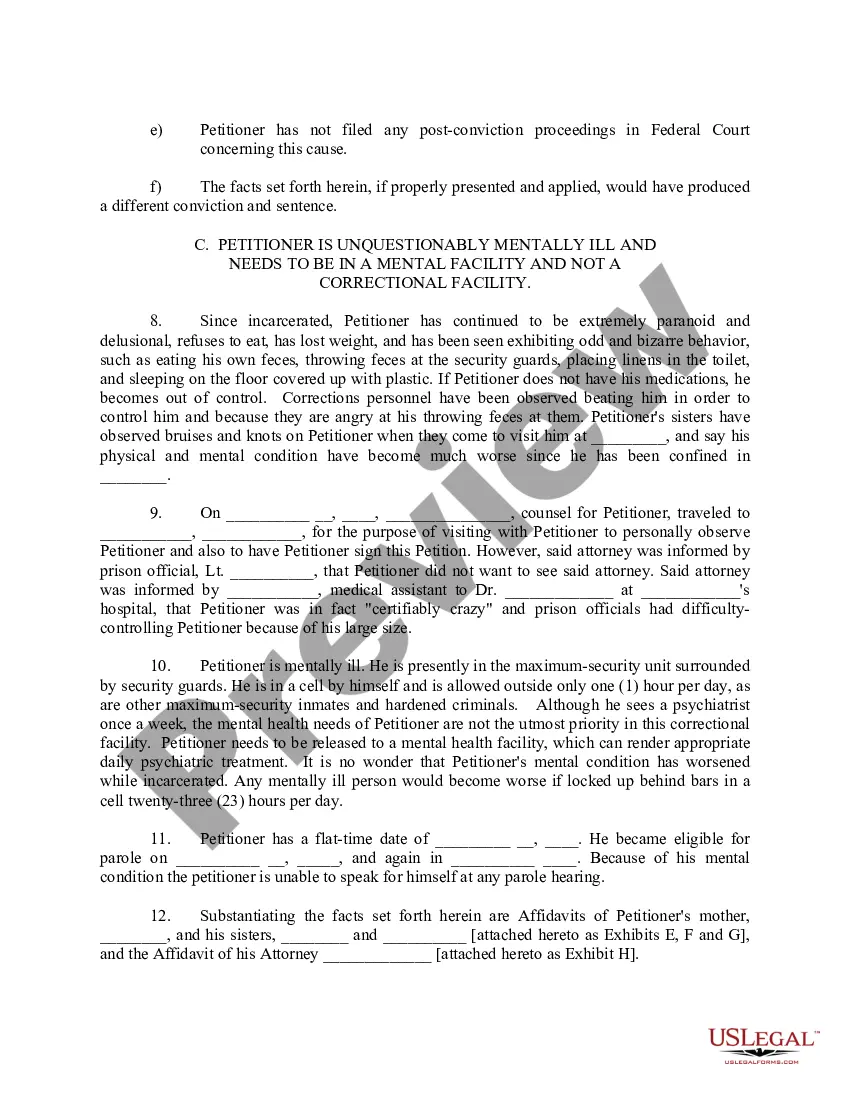
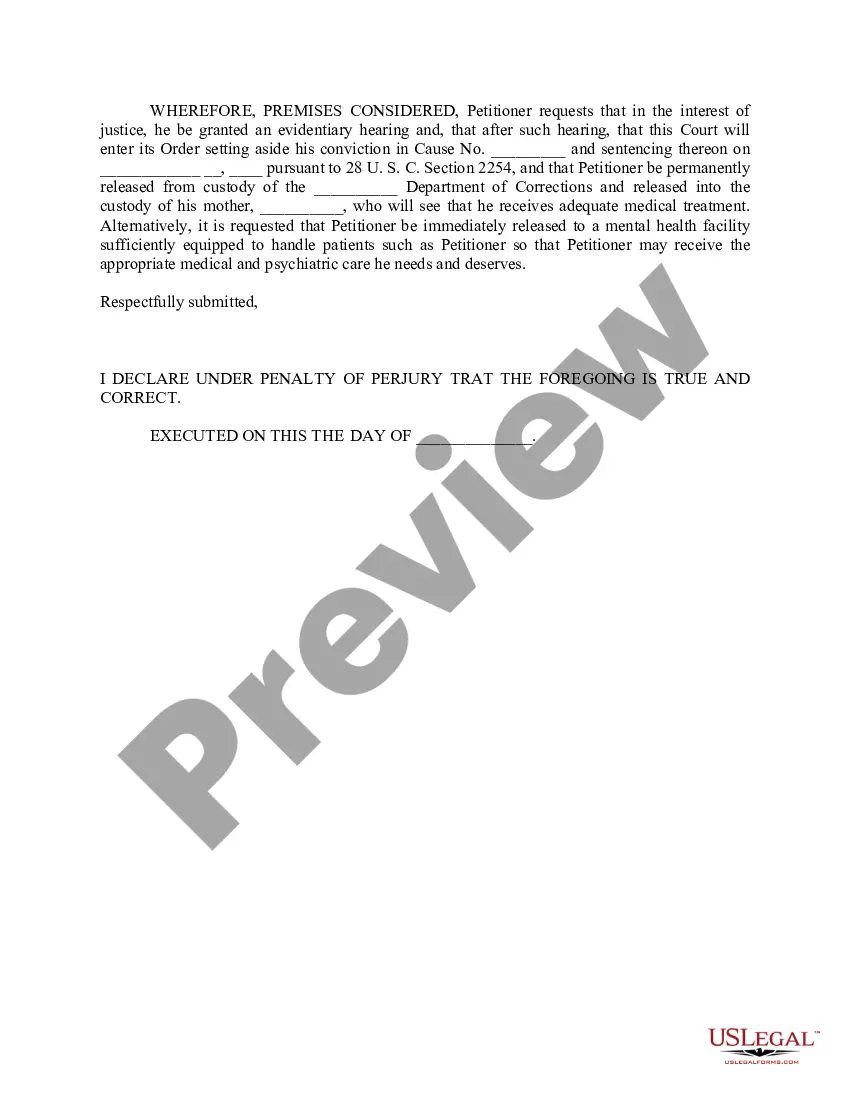
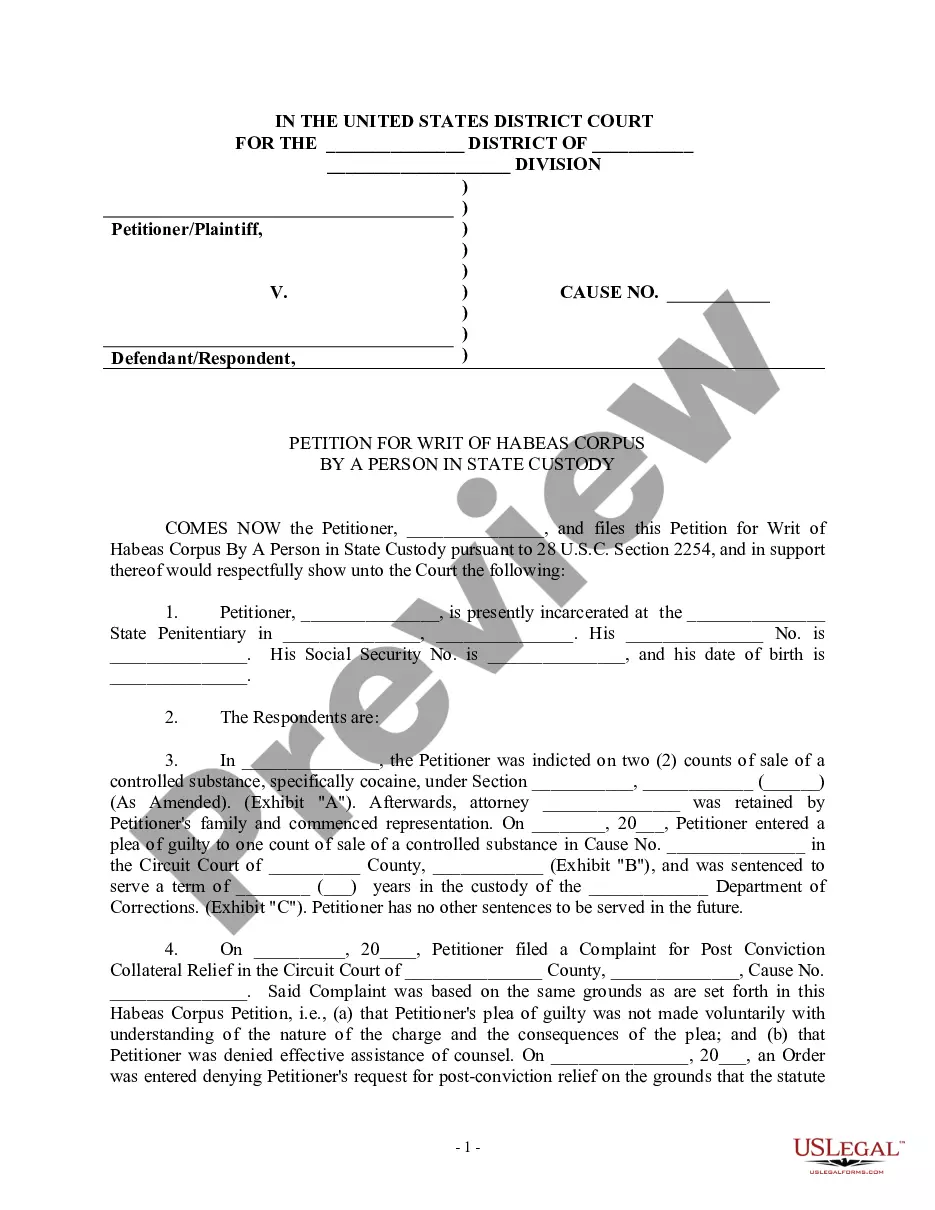
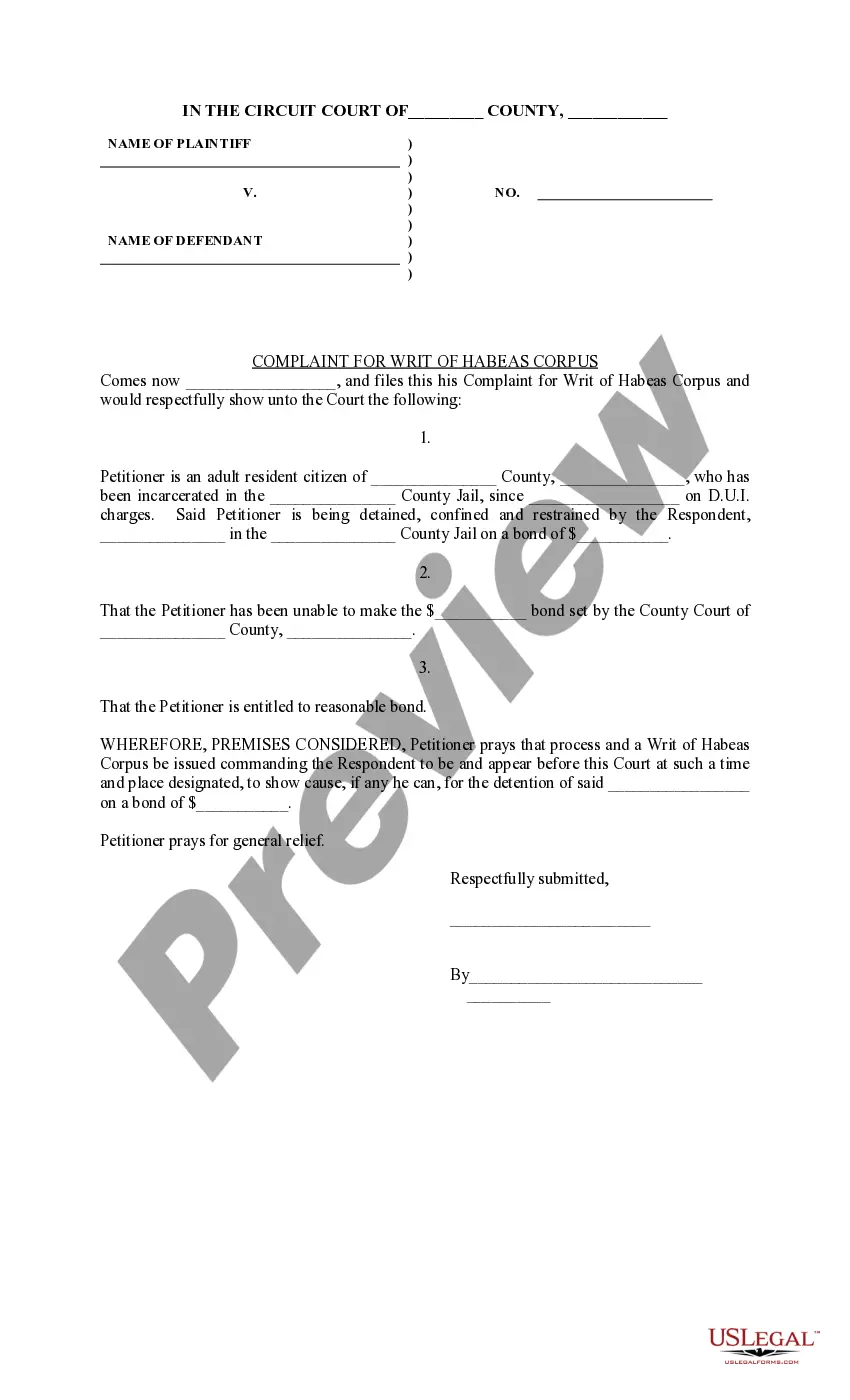
Get your form ready online
Our built-in tools help you complete, sign, share, and store your documents in one place.
Make edits, fill in missing information, and update formatting in US Legal Forms—just like you would in MS Word.
Download a copy, print it, send it by email, or mail it via USPS—whatever works best for your next step.
Sign and collect signatures with our SignNow integration. Send to multiple recipients, set reminders, and more. Go Premium to unlock E-Sign.
If this form requires notarization, complete it online through a secure video call—no need to meet a notary in person or wait for an appointment.
We protect your documents and personal data by following strict security and privacy standards.

Make edits, fill in missing information, and update formatting in US Legal Forms—just like you would in MS Word.

Download a copy, print it, send it by email, or mail it via USPS—whatever works best for your next step.

Sign and collect signatures with our SignNow integration. Send to multiple recipients, set reminders, and more. Go Premium to unlock E-Sign.

If this form requires notarization, complete it online through a secure video call—no need to meet a notary in person or wait for an appointment.

We protect your documents and personal data by following strict security and privacy standards.
Looking for another form?
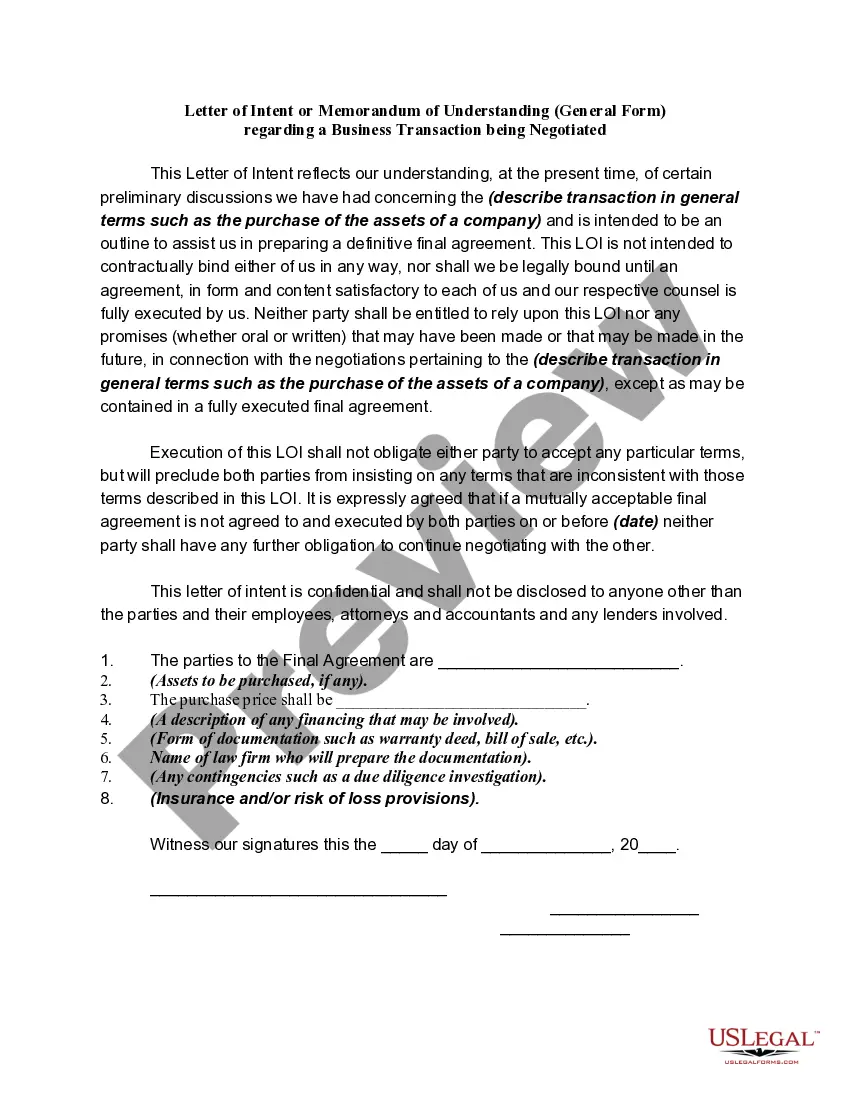
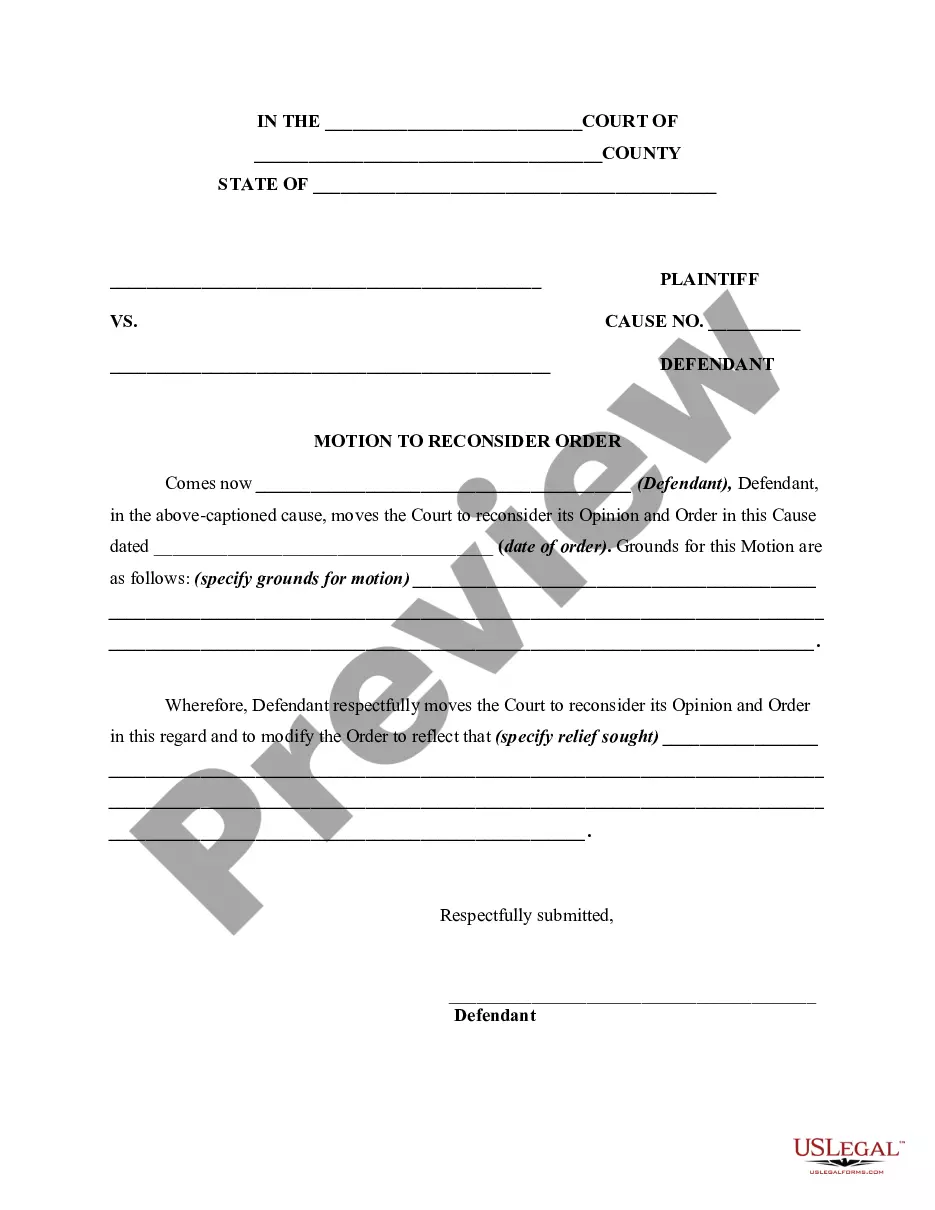
Form popularity
FAQ
As·sis·tance of counsel. : the help of a lawyer which a defendant in a criminal prosecution is guaranteed by the Sixth Amendment to the U.S. Constitution see also ineffective assistance of counsel, Powell v.
Moran , the U.S. Supreme Court rules that a criminal defendant can waive the Sixth Amendment right to assistance of counsel and plead guilty if he has already met the same standard used to decide whether a defendant is mentally competent to stand trial: Whether he has “sufficient present ability to consult with his ...
United States v. Hasan, 84 M.J. 181 (the Sixth Amendment provides that in all criminal prosecutions, the accused shall enjoy the right to have the assistance of counsel for his defense; that right includes the right to waive counsel and to represent oneself).
(to prevail on a claim of ineffective assistance of counsel, an appellant must show that (1) his counsel's performance fell below an objective standard of reasonableness, and (2) the counsel's deficient performance gives rise to a reasonable probability that the result of the proceeding would have been different ...
The proposed order relieving counsel must be prepared on the Order Granting Attorney's Motion to Be Relieved as Counsel-Civil (form MC-053) and must be lodged with the court with the moving papers. The order must specify all hearing dates scheduled in the action or proceeding, including the date of trial, if known.
Datavs, 71 M.J. 420 (to establish ineffective assistance of counsel, an accused must demonstrate both (1) that his counsel's performance was deficient, and (2) that this deficiency resulted in prejudice).
Other examples that may qualify as ineffective assistance of counsel not explaining to an immigrant defendant the consequences of taking – or rejecting – a plea. having a conflict an interest 18 omitting a jury instruction on a potential viable defense. failing to get an expert witness to study incriminating photographs.
United States, 486 U.S. 153, 158 (1988) ( We have held that the Sixth Amendment secures the right to the assistance of counsel, by appointment if necessary, in a trial for any serious crime. ).
Ineffective assistance of counsel refers to a situation in which a criminal defendant's legal representation fails to meet the minimum standards of competence and diligence expected from attorneys.
Keeping in mind the goal of ensuring a fair trial, courts require a defendant claiming ineffective assistance to prove two elements: That counsel's performance was deficient. That the deficiency prejudiced the defendant to the point that they were denied a fair trial.