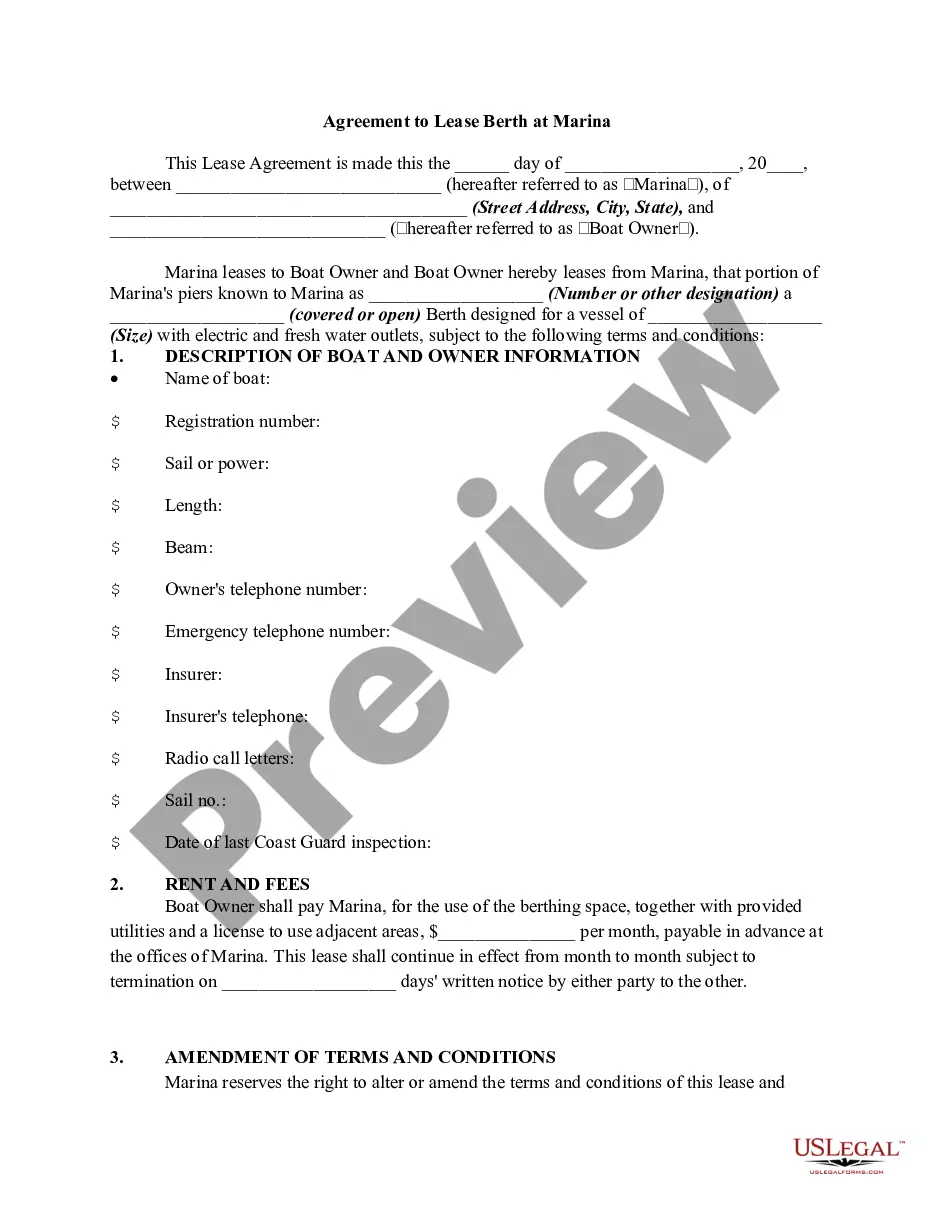
Writ Of Assistance Example In Salt Lake
Description






Get your form ready online
Our built-in tools help you complete, sign, share, and store your documents in one place.
Make edits, fill in missing information, and update formatting in US Legal Forms—just like you would in MS Word.
Download a copy, print it, send it by email, or mail it via USPS—whatever works best for your next step.
Sign and collect signatures with our SignNow integration. Send to multiple recipients, set reminders, and more. Go Premium to unlock E-Sign.
If this form requires notarization, complete it online through a secure video call—no need to meet a notary in person or wait for an appointment.
We protect your documents and personal data by following strict security and privacy standards.

Make edits, fill in missing information, and update formatting in US Legal Forms—just like you would in MS Word.

Download a copy, print it, send it by email, or mail it via USPS—whatever works best for your next step.

Sign and collect signatures with our SignNow integration. Send to multiple recipients, set reminders, and more. Go Premium to unlock E-Sign.

If this form requires notarization, complete it online through a secure video call—no need to meet a notary in person or wait for an appointment.

We protect your documents and personal data by following strict security and privacy standards.
Looking for another form?








Form popularity
FAQ
If the opposing party does not answer, then you have to file a motion to compel the opposing party to respond. The party must answer your request if the court orders them to. If the party still does not answer, they can be held in contempt of court and/or a default judgment can be issued in your favor.
You don't need an attorney to file a Motion for Contempt, but it is a good idea to have one. If you decide to represent yourself, you can go to the courthouse that made the order and ask for help at the Court Service Center.
One example of a writ of assistance would be the Malcolm Affair. In this case, customs officials searched the home of Daniel Malcolm. However, Malcolm would not let them search a part of his cellar without the legal right to do so by threatening violence if they did because he believed they were acting illegally.
When you file your motion, the court clerk will insert the date, time, and place of the hearing on your motion. You must then “serve” (mail) a copy of your filed motion (including all exhibits and the date, time, and place of hearing) to all other parties in the case.
A motion to enforce is about getting the court to ensure that an existing order is followed. In contrast, a motion for contempt is about holding someone accountable for not following a court order and can result in penalties like fines or even jail time.
The consequences of the motion: A motion to enforce, if approved, inflicts no punishment on the non-compliant party and instead serves as a reminder to fulfill their legal duties. Alternatively, a motion for contempt can result in jail time or fines for not following a verdict.
A writ of assistance is an order directing that a party convey, deliver, or turn over a deed, document, or right of ownership. This writ, which may also be called a writ of restitution or writ of possession, usually serves as an eviction from real property.
Instead of answering, the defendant may file one of the motions described in Utah Rule of Civil Procedure 12. If the judge grants the motion, the judge's order will direct the parties what to do next. If the judge denies the motion, the defendant must file an answer within 14 days after the judge's order.